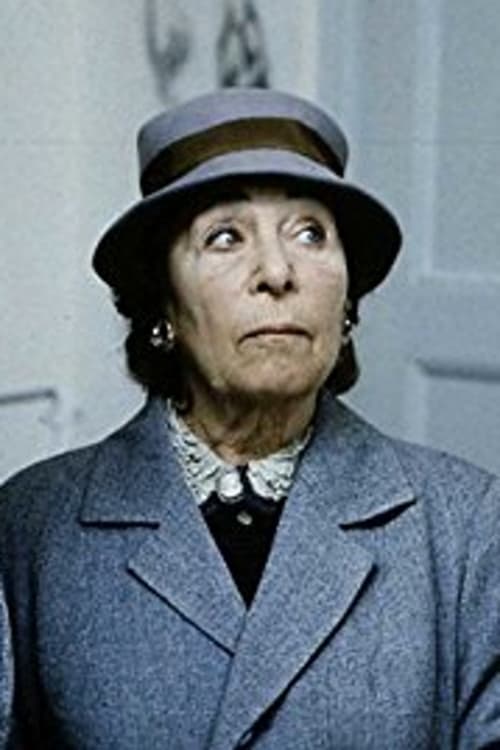
Elisabeth Neumann-Viertel
Acting
Known For
Tatort is a long-running German/Austrian/Swiss, crime television series set in various parts of these countries. The show is broadcast on the channels of ARD in Germany, ORF in Austria and SF1 in Switzerland.
Scene of the Crime
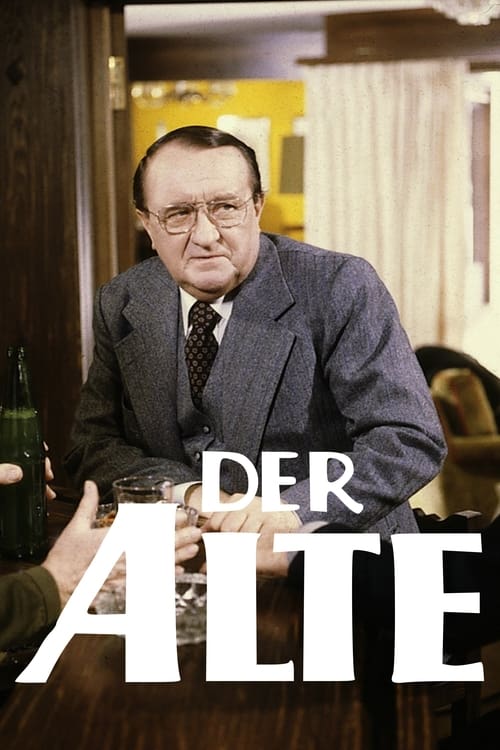
A police department, lead by an older, experienced detective solve crimes together.
The Old Fox

Derrick was a German TV series produced by Telenova Film und Fernsehproduktion in association with ZDF, ORF and SRG between 1974 and 1998 about Detective Chief Inspector Stephan Derrick and his loyal assistant Inspector Harry Klein, who solve murder cases in Munich and surroundings.
Derrick
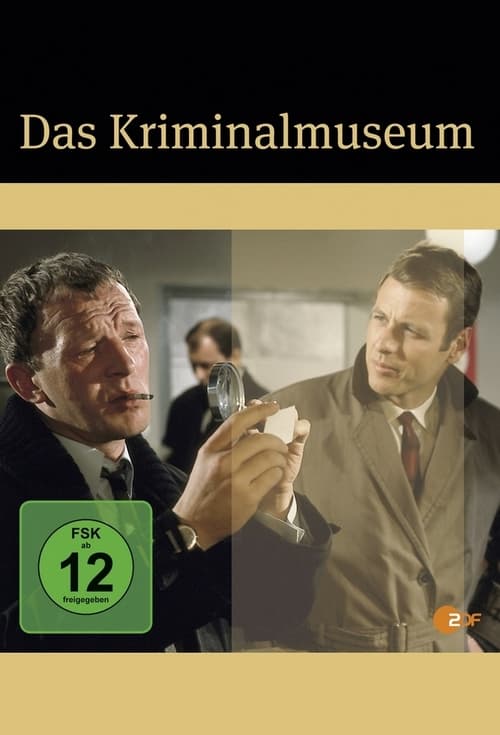
Das Kriminalmuseum was a German television series. It ran from 1963 to 1970 on ZDF and was one of its first programs. Each episode began with a tracking shot through an unspecified crime museum, stopping at one of the displays, whose story was then told. Each episode was between 60 and 75 minutes long and featured different actors as the criminal commissioner. The best known was Erik Ode, who in 1969 moved to Der Kommissar, appearing in 97 episodes. The theme music of the series was written by German composer Martin Böttcher, who also composed the complete scores for five episodes.
Das Kriminalmuseum

Inside the Kit Kat Club of 1931 Berlin, starry-eyed singer Sally Bowles and an impish emcee sound the clarion call to decadent fun, while outside a certain political party grows into a brutal force.
Cabaret
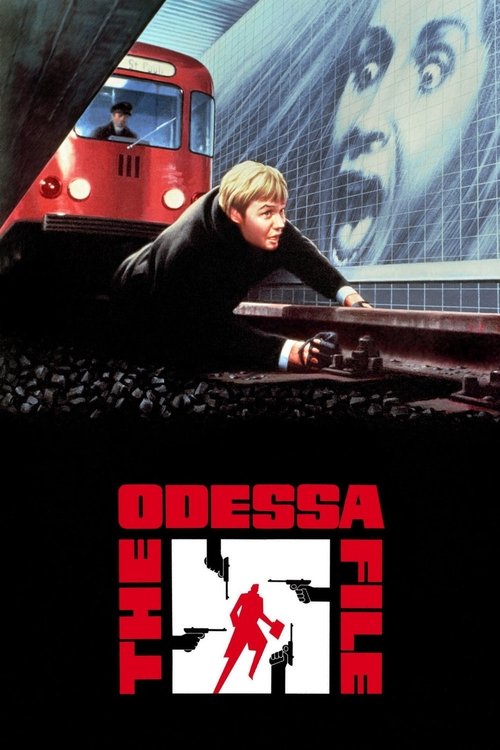
Following the suicide of an elderly Jewish man, investigative journalist Peter Miller sets out to hunt down an SS Captain and former concentration camp commander. In doing so he discovers that, despite allegations of war crimes, the former commander has become a man of importance in industry in post-war Germany, protected from prosecution by a powerful organisation of former SS members called Odessa.
The Odessa File
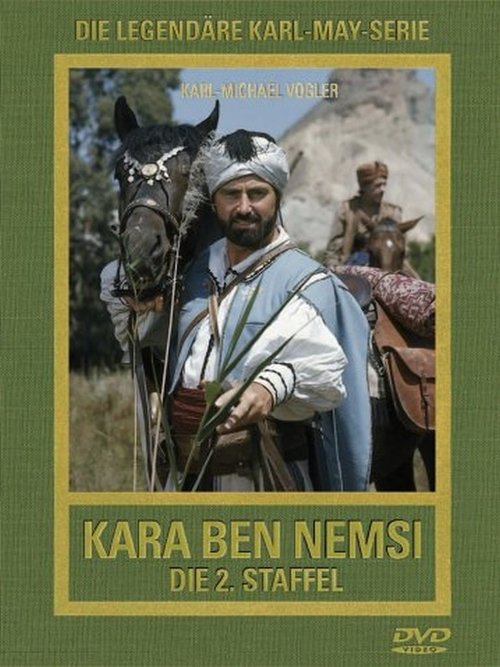
Kara Ben Nemsi Effendi is a German television series broadcast from 1973 through 1975 in 26 parts and two seasons. It featured an adventurer probably inspired by British explorers Richard Francis Burton and T. E. Lawrence. The scripts were faithful to Karl May's Orient novels and the score is from Martin Böttcher who previously had composed the music for ten very successful Karl May films in cinema and in 1998 also for the two parts of Winnetous Rückkehr, also being aired by the German station ZDF.
Kara Ben Nemsi Effendi
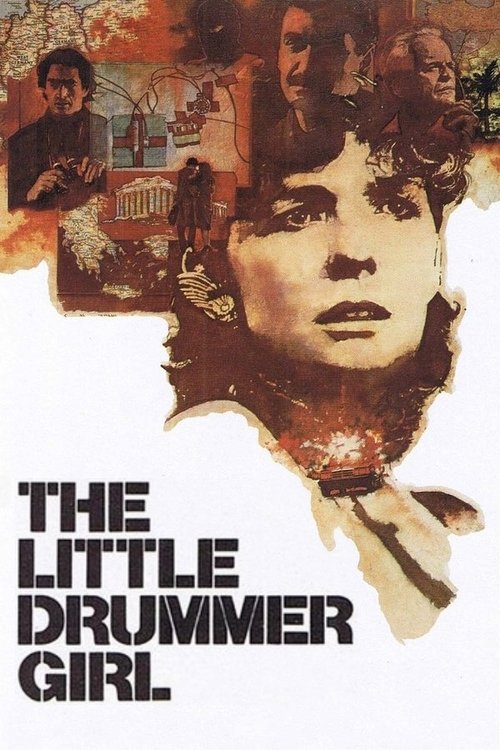
An American Actress with a penchant for lying is forceably recruited by Mosad, the Israeli intelligence agency to trap a Palestinian bomber, by pretending to be the girlfriend of his dead brother.
The Little Drummer Girl
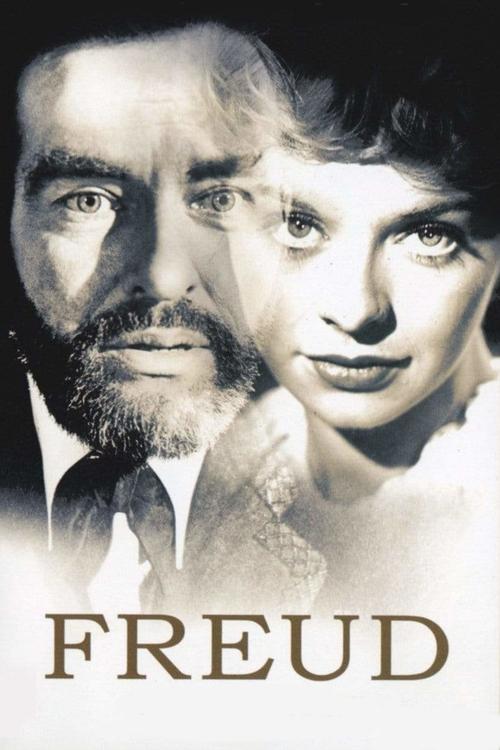
An examination of Austrian psychologist Sigmund Freud's career when he began to treat patients diagnosed with hysteria, using the radical technique of hypnosis.
Freud: The Secret Passion
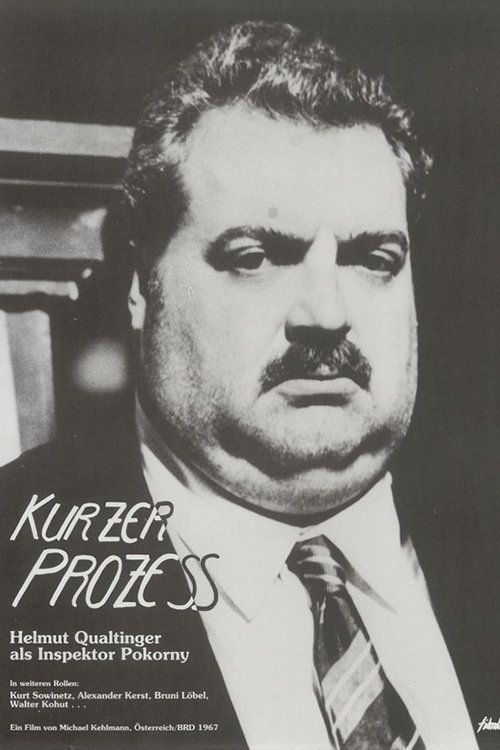
District Inspector Pokorny was transferred some time ago from Vienna to the fictional Upper Austrian town of Mühlstadt after assaulting a suspect while on duty. There, as he says, he has to deal with "idiotic scoundrels who steal each other's chickens." Police officer Janisch was given a quick trial and sentenced to seven years in prison for robbing the post office in Litzelsdorf. His colleagues do not believe he is capable of such a crime and try to catch the real perpetrators. At the same time, they have to deal with a multitude of other cases.
Kurzer Prozeß

The Grimm brothers Wilhelm and Jacob, known for their literary works in the nineteenth century, have their lives dramatized. Wilhelm fights to write something entertaining amongst the sea of dry, non-fiction books they write and he sets about collecting oral-tradition fairy tales to put into print. Their life story is countered with reenactments of three of their stories including "The Dancing Princess," "The Cobbler and the Elves" and "The Singing Bone."
The Wonderful World of the Brothers Grimm
Heidi is an orphaned girl initially raised by her aunt Dete in Maienfeld, Switzerland. In order to get a job in Frankfurt, Dete brings 5-year-old Heidi to her grandfather, who has been at odds with the villagers for years and lives in seclusion on the alm. He at first resents Heidi's arrival, but the girl manages to penetrate his harsh exterior and subsequently has a delightful stay with him and her best friend, young Peter the goat-herd.
Heidi
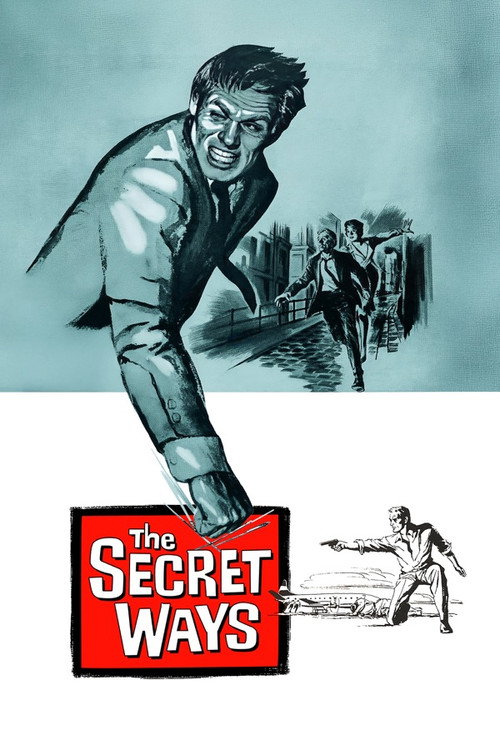
Vienna, 1956. After Soviet tanks crush the Hungarian uprising, soldier-of-fortune Michael Reynolds is hired to help a threatened Hungarian scientist escape from Budapest.
The Secret Ways
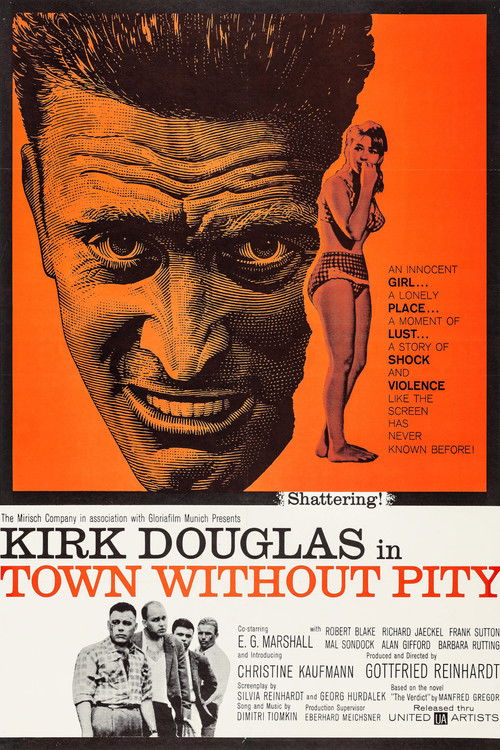
Four American soldiers stationed near a German village face death in the rape of a local girl and are defended by outside counsel Major Steve Grant.
Town Without Pity

To save an old hotel in Tyrol from demolition, three lively girls and their friends come up with the idea of converting it into a disco. However, the conservative mayor forbids such an "immoral noise hall" in his town. With unusual ideas and the use of "feminine" arguments, the young people try to convince the mayor and police chief to allow such an establishment. A gang of rockers and two sheikhs with their harem, who are searching for new oil wells, also cause quite a stir in the sleepy little town.
Happy Weekend
No description available.
Feuerwerk

A husband is humiliated at home and at work. He decides he has had enough of it and hires a prostitute to help him get back at his boss, wife and friends and get a lot richer in the process.
The American Success Company
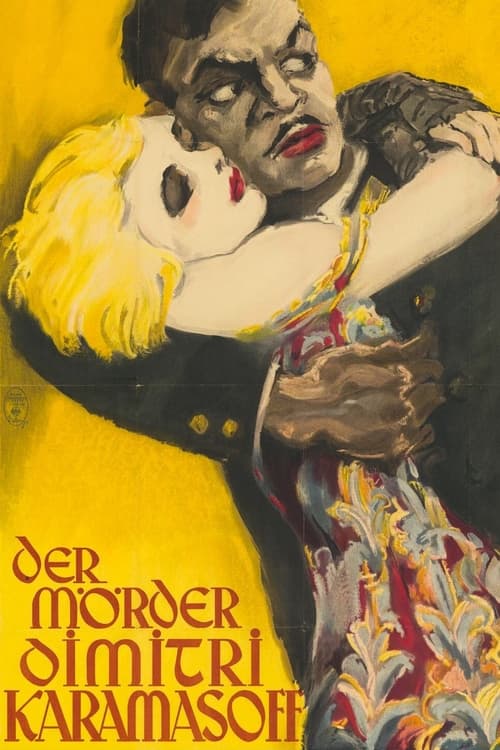
Suspicion surrounds a lieutenant for killing his father; based on Dostoevsky's novel.
The Murderer Dmitri Karamazov
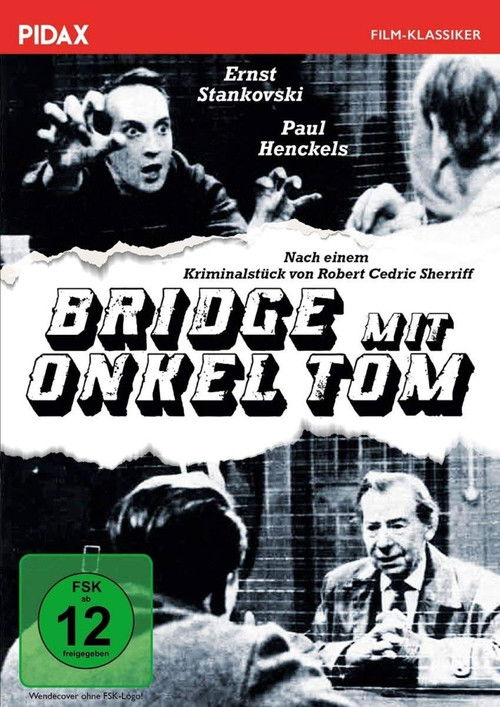
No description available.
Bridge mit Onkel Tom

A Spanish nobleman raises his only daughter as a boy, similarly to Greta Garbo in Queen Christina (1933). In adulthood, Juana's upbringing causes complications in her love life. Possibly an early example of genderqueer representation.