Mary Helena Clark
Directing
Biography
Mary Helena Clark is an artist working across film, video, and installation. Her work has been exhibited at MIT List Visual Arts Center, ICA London, Museum of Contemporary Art Detroit, Künstlerhaus Stuttgart, the 2017 Whitney Biennial, and major film festivals like Rotterdam, New York, Hong Kong, Toronto and the Viennale.
Known For

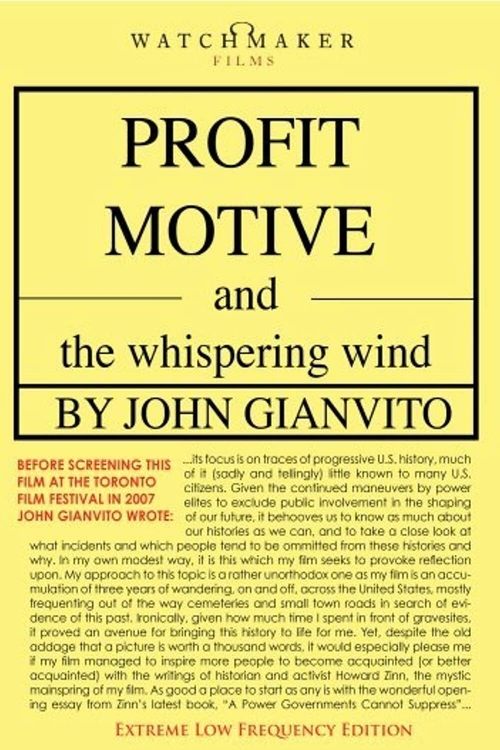
A visual essay about the progressive tradition of the United States as seen through grave markers and monuments.
Profit Motive and the Whispering Wind

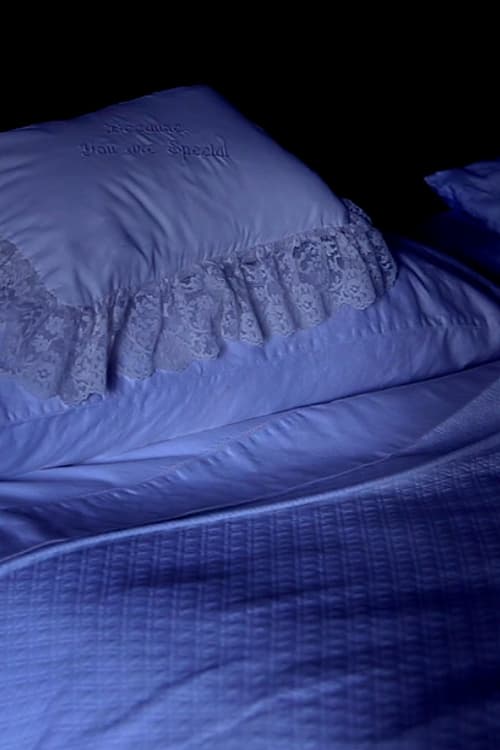
In day-for-night blue and hunting camera night vision, darkness is replicated and punctured. Looking finds bodies in the dark, at the threshold of intimacy and trespass. Objects, surfaces, spaces become evidentiary and deceptive in a subjectless portrait of mourning.
Figure Minus Fact

An interconnected look at tradition, colonialism, property, faith, and science, as seen through labor practices that link an endangered salamander, mass-produced apples, and the evolving fields of genomics and machine learning.
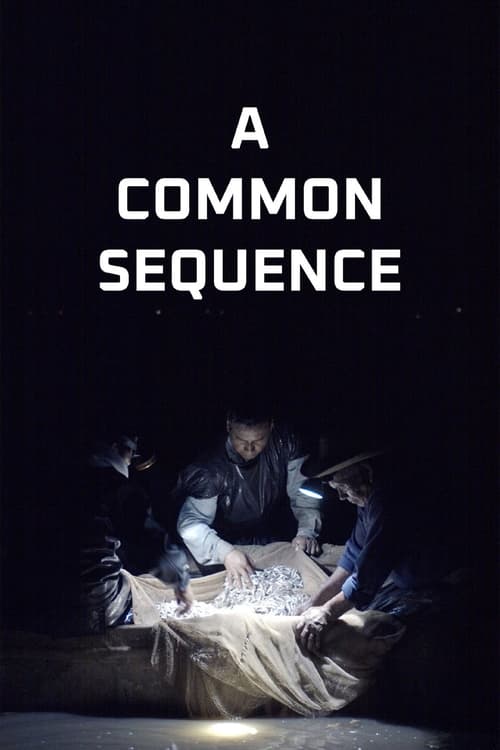
A Common Sequence

Pivoting between two stories of women and their relationships with objects—a Swedish woman’s marriage to the Berlin Wall, and a suffragette’s hatcheting of Velásquez’s The Toilet of Venus—Mary Helena Clark’s Exhibition is a maze-like tour through images and artifacts, a dense cryptography of the forms and objects that hold us in.
Exhibition

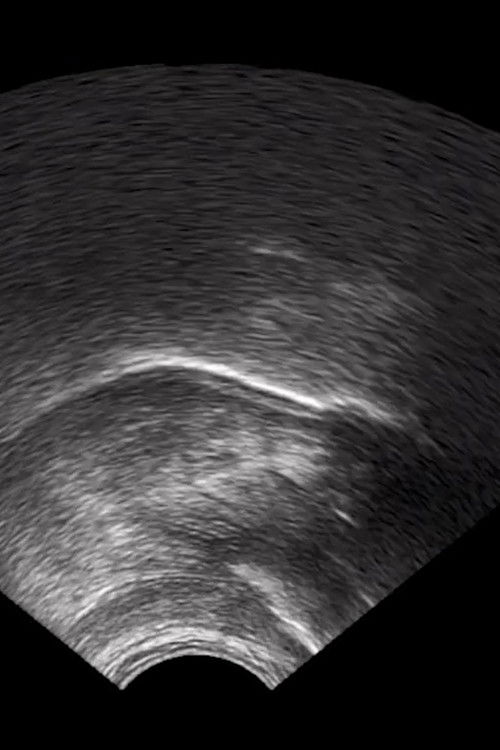
What are we looking at? We can perhaps discern from the greyscale fuzz, the varying degrees of white patches, fanning out from a point in shapes hard to parse, that this is an ultrasound display. But what are we trying to see in the scan? There is no baby or foetal development, no heart, no kidney, no liver, no needle to pierce through the night like a ship. But it moves in time with a voiceover. A mouth, surely? Yes. We are, quite literally, mechanically, watching someone speak.
Recital

“Using footage from Cocteau’s Orphée, Clark optically prints an interstitial space where the ghosts of cinema lurk beyond and within the frames.” – Andrea Picard
Orpheus (Outtakes)

We ape naturalism.
The Sound of Running in My Voice

A walk through corridors and rooms culminates in a familial Reiki session – what’s underneath and within. Zero Length Spring is an apotropaic film, imprinted by rituals and symbols, basking in ruptures of the body and the earth. ASMR brush tracks and the language of self-help therapy, film surface abrasions and alleged paranormal photos, all help give shape to various unseeable forces. You’re worth it, you deserve love, you can grow.
Zero Length Spring

For Dreaming the Dark: hands that see, eyes that touch, Ana Vaz invited artists and filmmakers whose work trust cinema’s capacity to transform relationships between the body and the camera to propose works that will engage with both perception and embodiment. Could cinema be an art of embodiment? By what rituals and actions could vision become tactile?
Dreaming In The Dark

A walk through the proscenium wings. You close your eyes and suddenly it is dark.
By Foot-Candle Light

“Henry James had his figure in the carpet, Da Vinci found faces on the wall. Within this Baltimore wallpaper: a floral forest of hidden depth and concealment, the hues and fragrance of another era. Surface decoration holds permeable planes, inner passages. There emerges a hypnotic empyrean flower, a solar fossil a speaking anemone, of paper, of human muscle, of unknown origin, delivering an unreasonable message of rare tranquility.” – Mark McElhatten
And the Sun Flowers

Scraps of text gathered from molding filmstrips and peeling chalkboards are photographed and intercut with pinhole shots from a schoolhouse.
After Writing
An impressionist sea ponders the movements of creatures, seeing them in its dreams like dots swimming on its surface, carried along by the waves that slow the immense motion of its waters.
Sound Over Water

Musical and mysterious, Mary Helena Clark’s Palms is a modular, sphinx-like film in four parts, comprised of two hands animating stillness, the repeated approach of headlights, a back-and-forth tennis match, and thoughts that emerge like objects.
Palms

Experimental short about a man and some trees.
While You Were Sleeping

By testing the limits of identification with the camera’s point of view, Delphi Falls cycles through multiple subjectivities. The film misuses more traditional narrative conventions - the suggestion of a story, the anchoring of actors as protagonists - to have the viewer constantly questioning who or what they are, and where they are located in the film’s world.
Delphi Falls

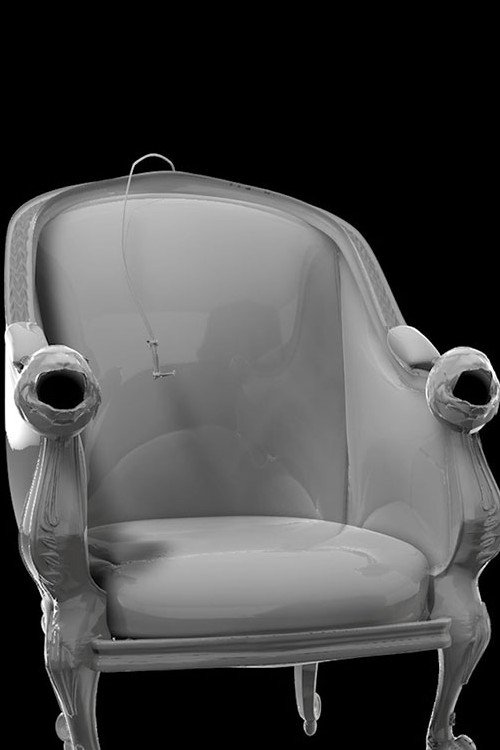
In this elliptical audiovisual diary, cinema’s extrasensory capacity is given surprising form. Here, what we see (the human throat, Gothic statuary, digitally generated furniture) often contradicts what we hear (birdsong, tightly wound rope, lithophonic stones), but the combined effect speaks to a utopian and universal ideal of filmic language.
The Glass Note

The title piece is a two-channel video centered on the mouth – as a tool to bite and chew, as an instrument of speech, and as a site of disgust and desire. It incorporates footage of animal dentistry, bite mark analysis, and a reliquary containing the tooth of Mary Magdalene. Projected alongside is a text collaging language from psychological studies on disgust, philosophical inquiries on human nature and animality, and poetry.
Neighboring Animals

Diaristic but also generously expansive, Mary-Helena Clark's disarmingly raw and beautiful The Dragon is the Frame proceeds like an experimental detective film, exploring the enigma of depression in its subtle interplay between presence and absence.
The Dragon Is the Frame

A spy film, built on the bad geometry of point-of-view shots.