Acting
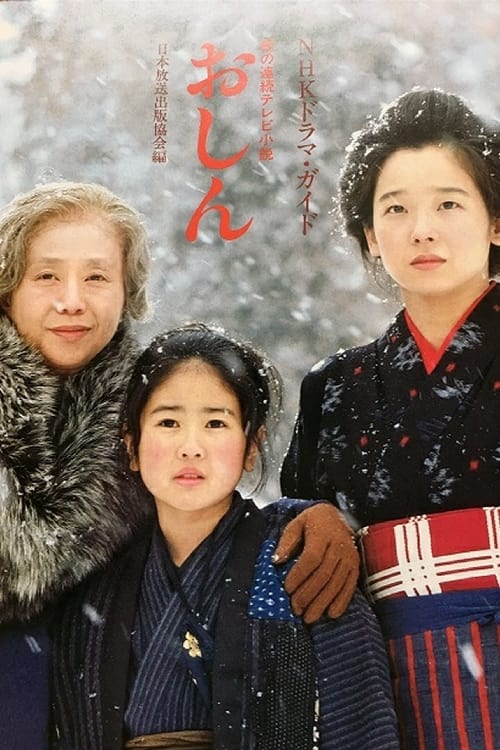
Oshin is a Japanese serialized morning television drama, which aired on broadcaster NHK from April 4, 1983 to March 31, 1984. The series follows the life of Shin Tanokura during the Meiji period up to the early 1980s. Shin was called "Oshin", which is an archaic Japanese cognomen.
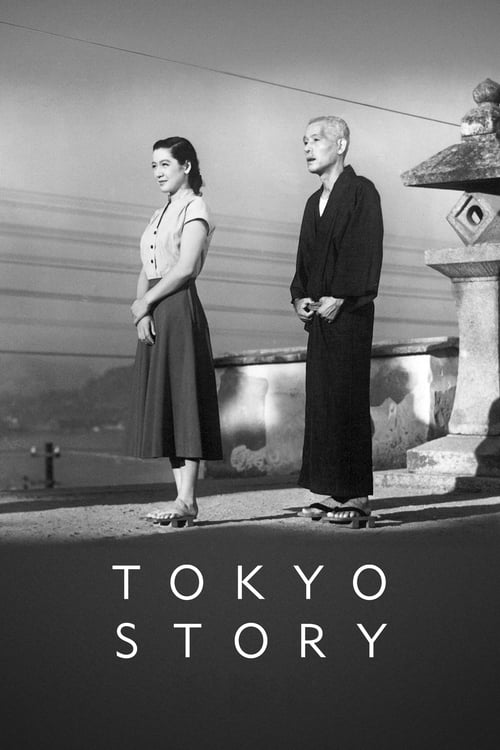
The elderly Shukishi and his wife, Tomi, take the long journey from their small seaside village to visit their adult children in Tokyo. Their elder son, Koichi, a doctor, and their daughter, Shige, a hairdresser, don't have much time to spend with their aged parents, and so it falls to Noriko, the widow of their younger son who was killed in the war, to keep her in-laws company.
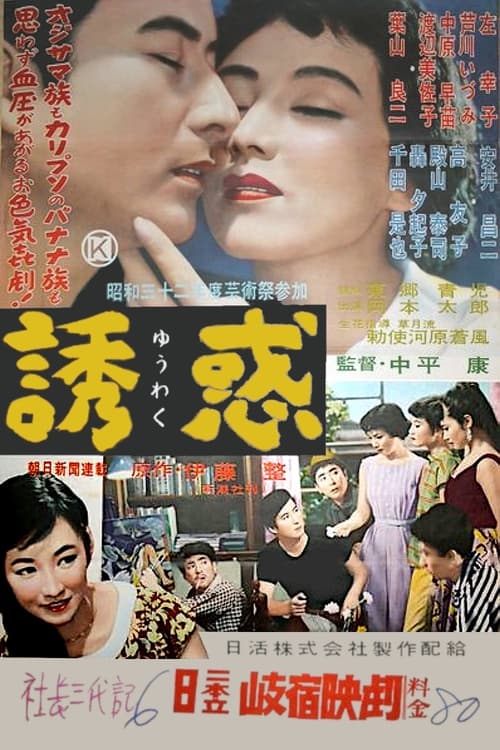
Shokichi, the owner of the clothing store, lives with his daughter Hideko and plans to open an art gallery. One day, Hideko led a handsome art student, Shohei and a poor painter, Sohei. Sohei’s painting was praised by a great printer at the completion ceremony of the art gallery. Since he became successful as a painter, but he looked quite indifferent. Around the same time, Shohei’s sister brought Sohei’s pictures to the gallery and Shokichi noticed that she was a daughter of his first love.
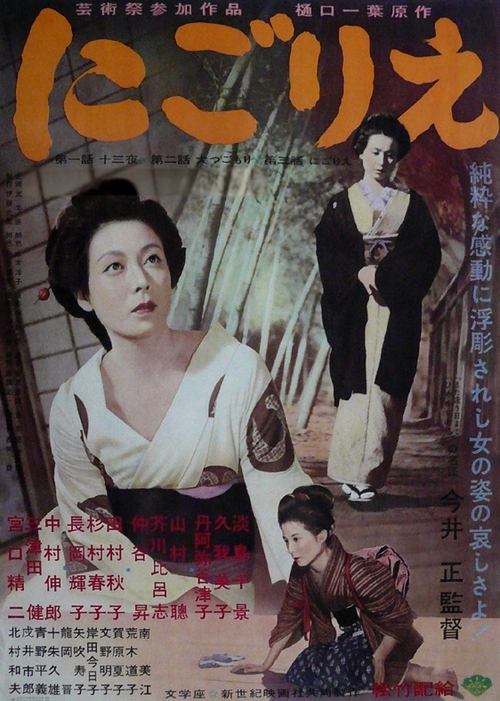
A Japanese woman writes down three stories she has witnessed or heard of in her diary, each about the difficult situation a young woman finds herself in.
Wataru's outwardly liberal views on marriage are severely tested when his daughter declares her love for a coworker and is adamant to live her own way, instead of agreeing to an arranged marriage. Outwitted by his female relatives, Hirayama stubbornly refuses to admit defeat.
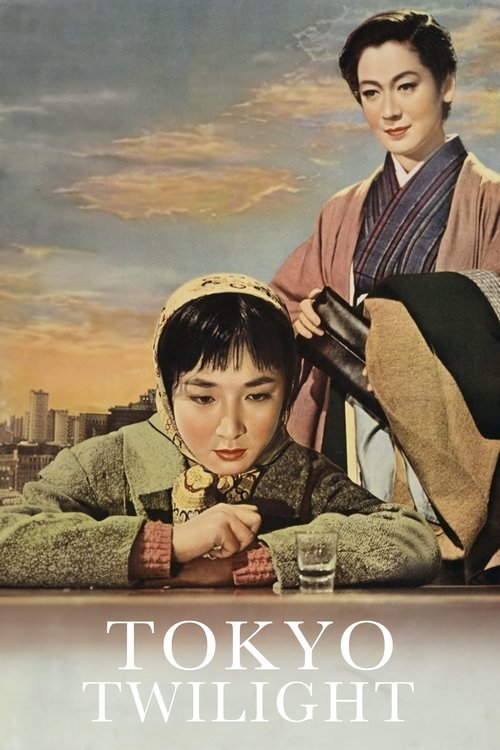
Two sisters learn about the existence of their long-lost biological mother, but the younger is unable to accept the fact that she was abandoned as a child.
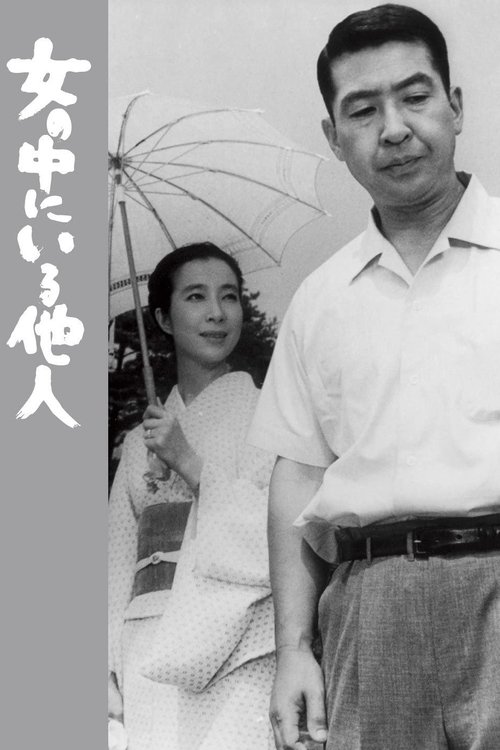
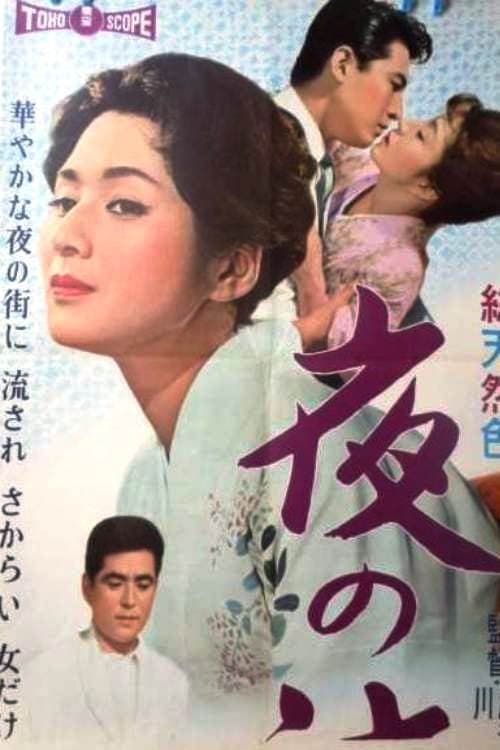
Tashiro coincidentally meets his best friend Sugimoto in a bar very close to the apartment in which Sugimoto’s wayward wife is found dead. Although Tashiro is not a suspect in the police investigation, he is racked with guilt and confesses to his wife, Masako. In an effort to further relieve his tortured sense of guilt, he then confesses to Sugimoto. Neither his wife nor his friend can believe that he could have been involved.
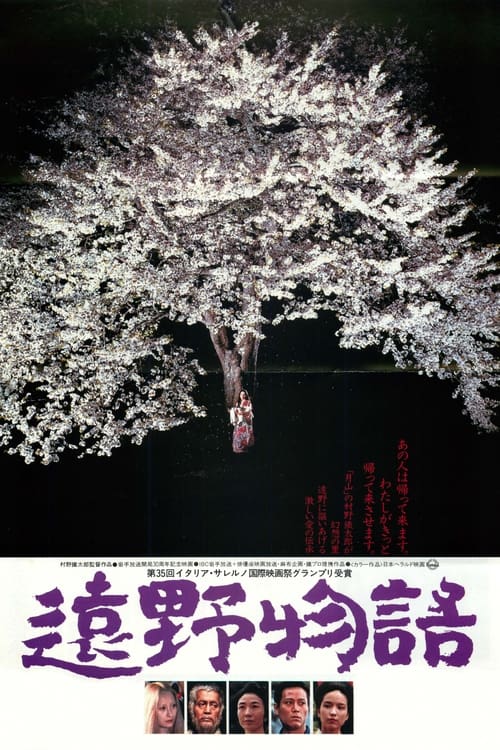
Sayo has just celebrated her sixteenth birthday when she attends a temple festival. On her way back she sees a large cherry tree which is infamous for the legend of dead white horse. When her fiancé returns from war and visits her he comes across a white horse which he takes in. The man also does not see himself engaged anymore as his family has lost its wealth.
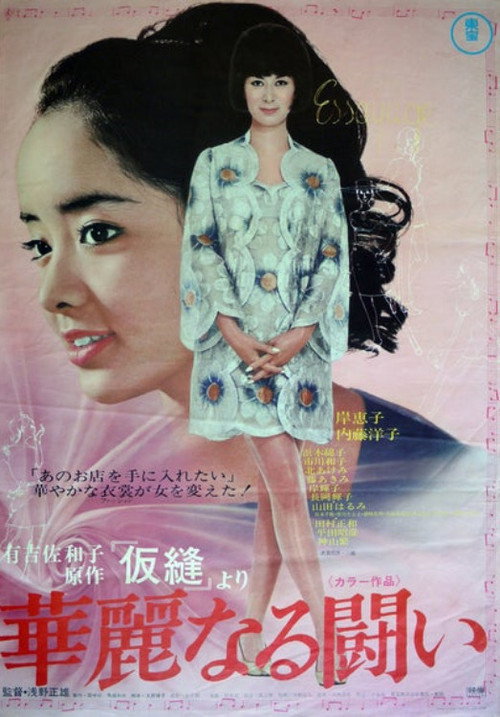
Drama about a young dress designer.
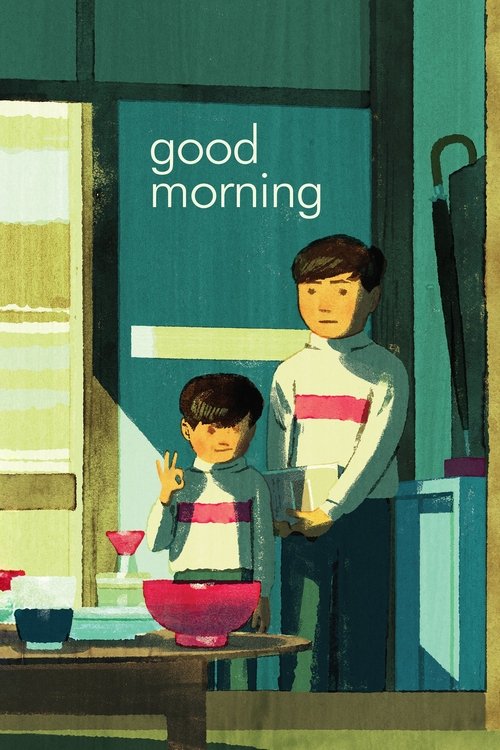
Two boys beg their parents for a television set, nagging them until all patience is lost. The parents order the boys to be quiet and the boys do exactly that--refusing to utter a word. The boys' silence ultimately puts the whole neighborhood into turmoil.
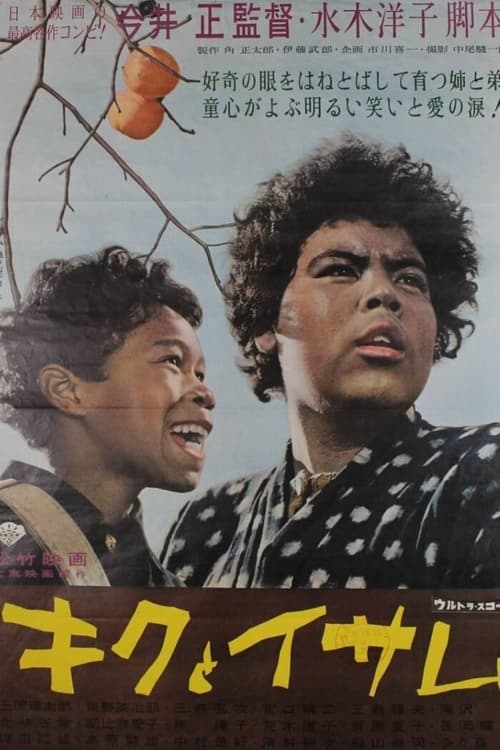
Kiku and her brother Isamu are social outcasts, children of a prostitute mother and black GI father, in postwar Japan.
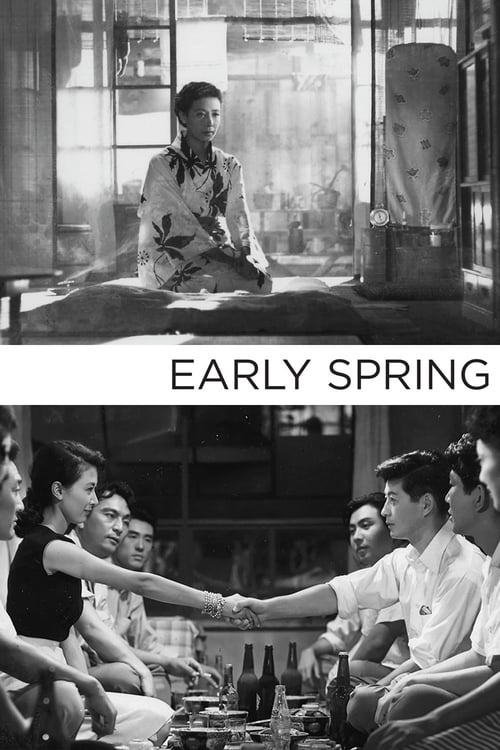
A young salaryman and his wife struggle within the confines of their passionless relationship while he embarks on an extramarital affair.
A woman and her daughter are in love with the same man, a chef at the restaurant that the mother manages. He is slightly crippled from frostbite in his years in Siberian labor camps and considers himself 'already dead'.
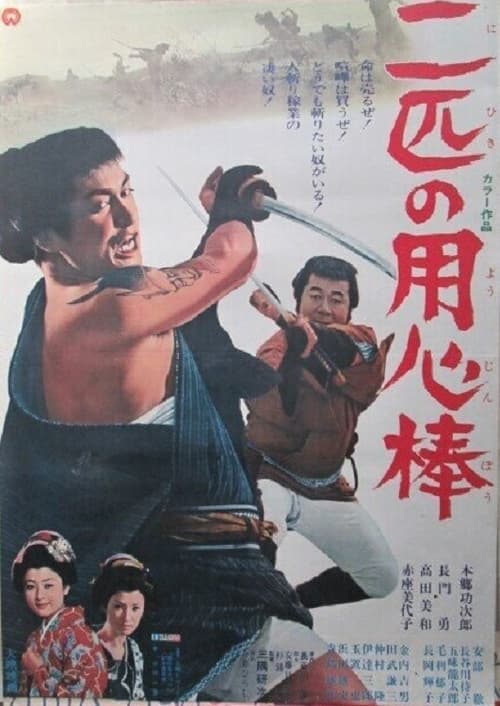
Film directed by Kenji Misumi
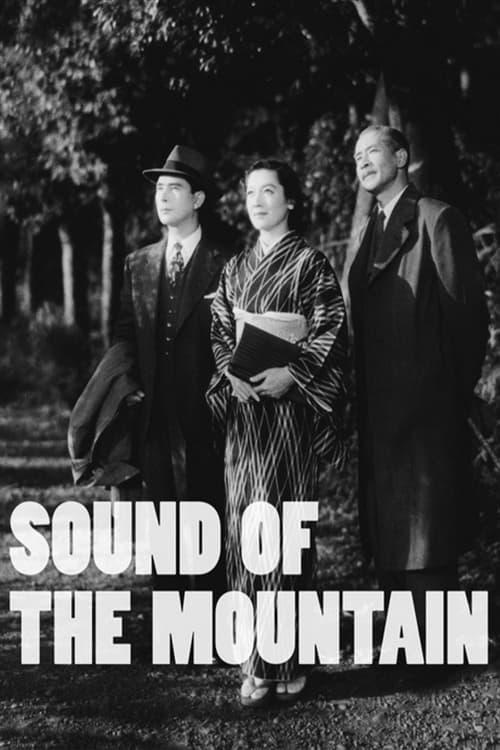
An ingratiating bride develops warm ties to her father-in-law while her cold husband blithely slights her for another woman.
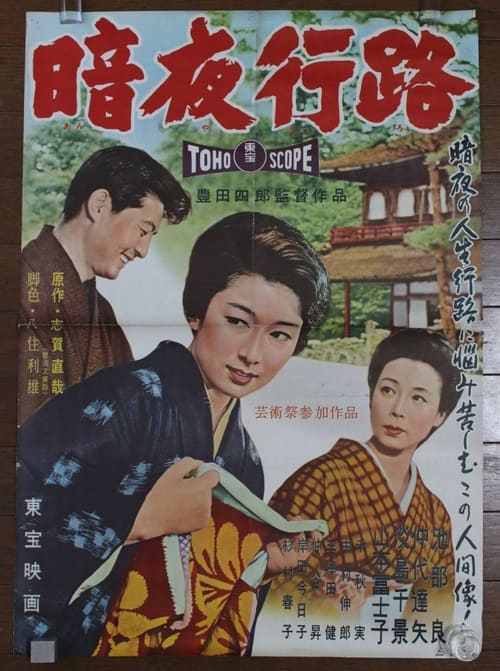
When he was a little boy, Tokitō Kensaku was sent to live with his paternal grandfather and his mistress Oei. Years later, Kensaku realizes he has feelings for Oei.
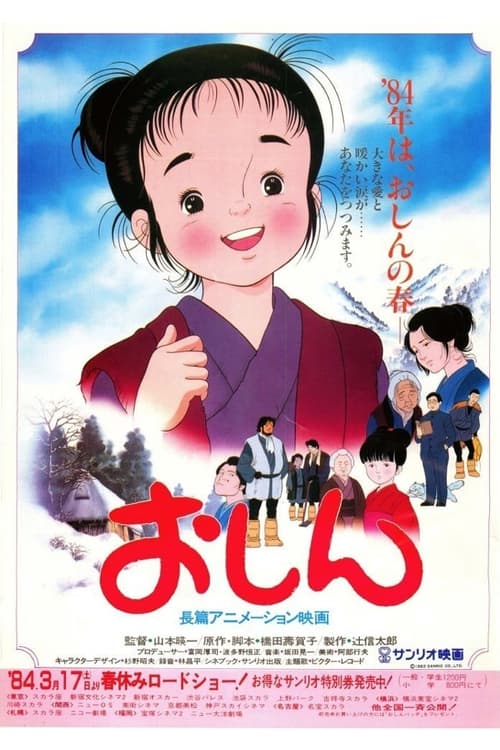
Oshin comes from a family of poor rice farmers. Her father and brother must work in the fields and her grandmother and mother, who is expecting another child, barely have enough to eat. In order to make ends meet for her family, 7-year-old Oshin gives up school and decides to become a servant in the household of a wealthy family, where she faces trials and tribulation beyond her worst fears.
A war widow with a young boy manages a farm with her bossy mother-in-law. When a reporter comes to interview her, the two begin an affair. He turns out to be married and won't leave his wife. Her older brother tries to marry off his children and hang on to/ extend his farm through an advantageous marriage in the face of threatened land confiscation and the desire of his children to get comfortable urban jobs instead of the backbreaking work in the paddy fields under parental control.
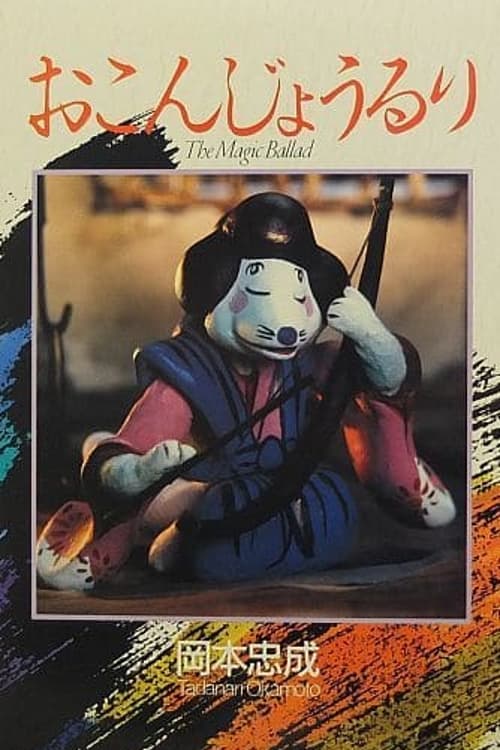
The 25 minute film tells the tale of an ailing elderly woman named Itako who encounters a fox named Okon. The story opens with Itako lying bedridden, as she has for a long time. Okon enters her home and Itako tells the fox that he is welcome to take anything that he wants, for she has no use for anything anymore. Okon is delighted and in order to return the favour (the act of ongaeshi), Okon performs a magic jyōruri (a ballad with shamisen accompaniment) that heals Itako so that she is fit enough to walk again. Everyone is surprised by Itako's sudden recovery. She then hears of a hunter who has been badly injured and is near death. Itako hides Okon in the back of her shirt and has the fox sing the song while she plays shamisen in order to heal the man. This act of kindness is repeated for others until Itako's good fortune leads some to be suspicious of her.
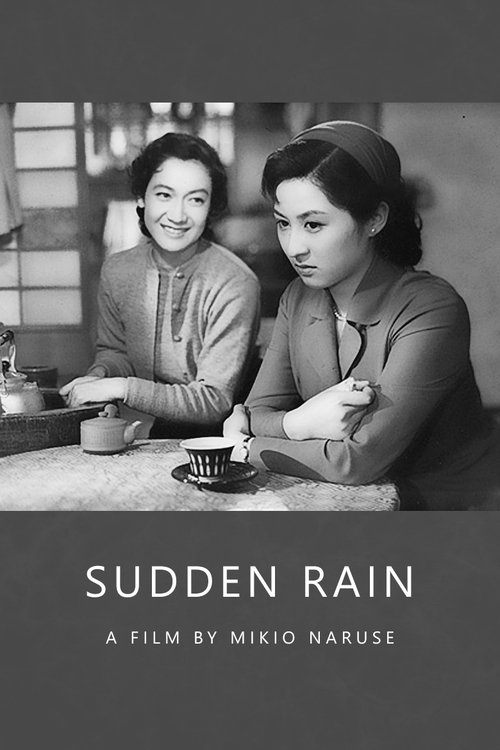
Fumiko and Ryōtarō Namiki's marriage has gone stale, with both constantly arguing over what to do on a day off, or about her cutting out recipes from the newspaper before he finishes reading it. Their animosities are witnessed by Fumiko's niece Ayako, who visits to complain about her own husband's inattentiveness, and their new neighbours, the Imasatos.