Directing
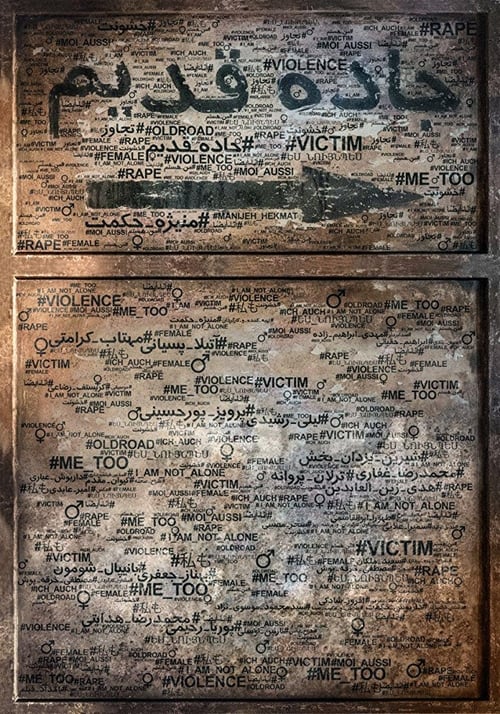
After getting infected with COVID-19, a 57-year-old Iranian painter, single woman, Mitra, goes into a coma. With her last breaths, she begins travelling to different pieces of her memories through her unconscious mind. Mitra’s spirit comes back home to pack an imaginary luggage full of her bittersweet memories and take it away. Moments before her last travel, just like Lot’s wife, she looks back at the lives of hers, her friends and her generation… at what they have done, what they have built and what they have ruined…
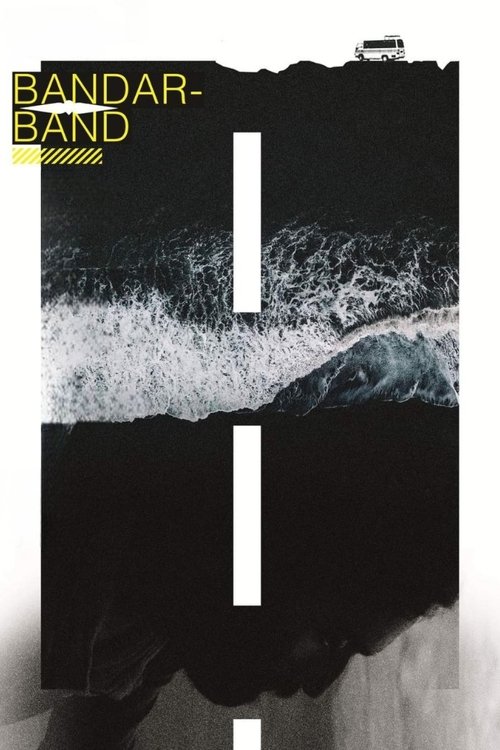
Manijeh Hekmat's music-infused twist on a road movie follows a band's day-long journey across a flooded landscape to Tehran.
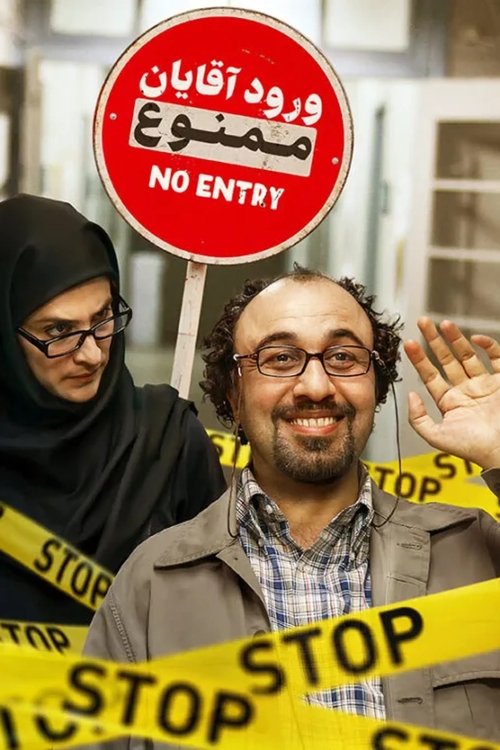
In order to prepare her best and brightest for the upcoming chemistry Olympiad, strict, conservative headmistress Ms. Darabi is forced to break her lifelong rule of not allowing male teachers in the school and reluctantly hires the bumbling Mr. Jebeli. Little does she know though that several of her students, led by the self-assured Paria, have a plan to get her to fall in love with him. 'No Men Allowed' is a hilarious, rollicking romcom, chock-full of witty dialogue and zany antics that will have you coming back time and time again!
This documentary examines the professional and artistic life of Rasoul Sadrameli, a prominent Iranian film director, from the pre-revolutionary era to the present day. One of the main parts of the film is a heartfelt conversation between Rasoul Sadrameli and the late Kiyomars Pourahmad, in which they talk about their cinematic works and their long-standing friendship.
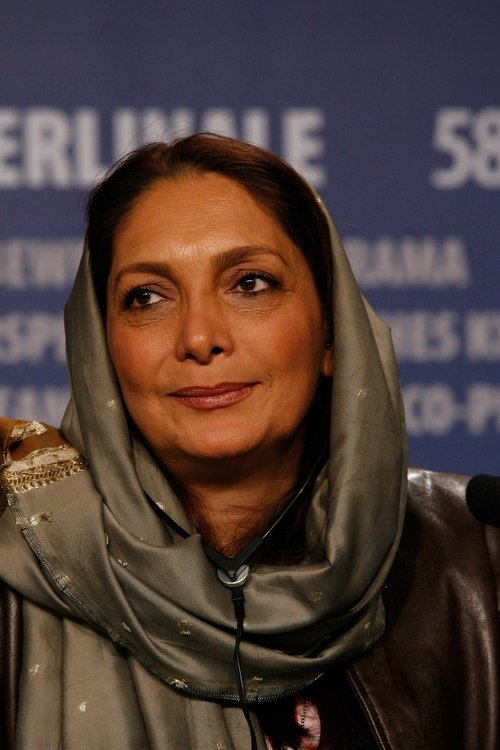
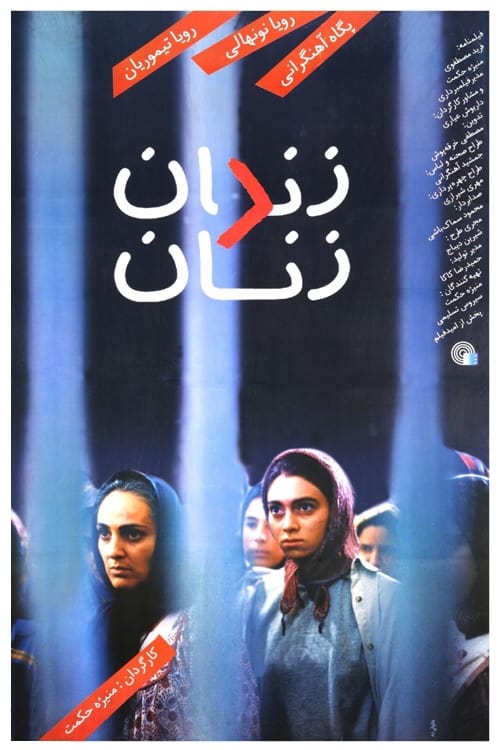
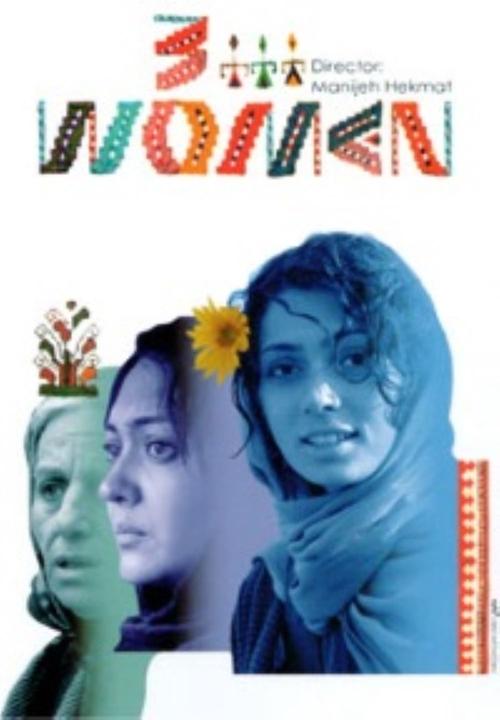
Manijeh Hekmat is an Iranian film director. Born in 1962 in Farmahin, Iran, she has worked since 1980 as an assistant director and production designer in over 25 films. She directed her first feature film Women's Prison (Zendān-e Zanān) in 2002. This film has been shown at over 80 international film festivals and has received seven prizes. Three Women (Seh Zan) is Hekmat’s second feature film made in 2007.
Spanning 18 years in an Iranian women's prison, this follows two women: the new prison warden, a tough as nails devout Muslim who has served in the army on the Iraqi front, and a young midwife, Mitra, who is serving her sentence for killing her mother's abusive husband. In the early years, Mitra is repeatedly punished as the warden tries to break her. This includes punishment for delivering a baby in the prison cell while all of the prison staff has taken shelter during an Iraqi bombing. The warden's attitude starts to change after 8 years, when Mitra tries to protect a new inmate from rape at the hands of her older cellmates. When the baby comes back in 1991 as a 17 year old delinquent, Sepideh, the warden respects Mitra enough to protect the girl.
Forty-something single mother Minoo is a product of the Islamic Revolution, a generation of women repressed by changes in law under the new Islamic Republic. Her daughter Pegah is a rebellious youth, part of a generation in search of an identity they're yet to find. Together they live with Minoo's mother - three women of three different generations, living in the past, present and future. When Pegah takes off on an existential journey, Minoo realizes she needs to reconnect her fracturing family, and sets out to find Pegah - encountering a myriad of Tehran characters, including an improvisational indie rock band. Things take a turn for the worse when she loses her mother along the way.
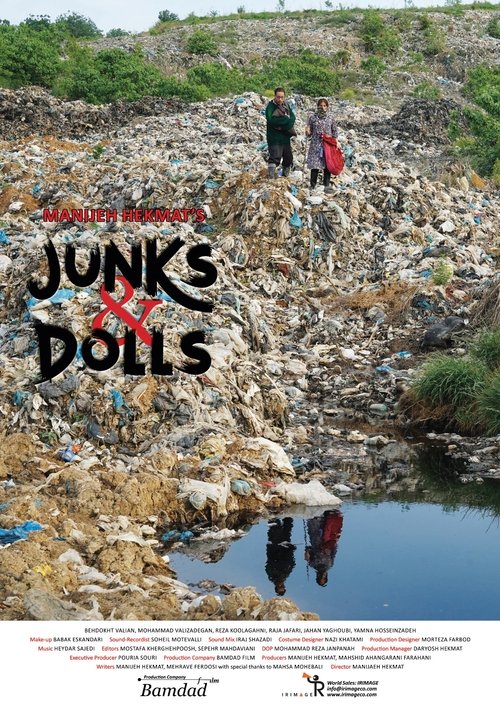
A couple is destined to build up their life in the heart of a waste depot in the heart of Iranian north forests. They begin to make different things with the junks they find and to make friends with the other people… but what remains of the people who are determined to fight their nature?
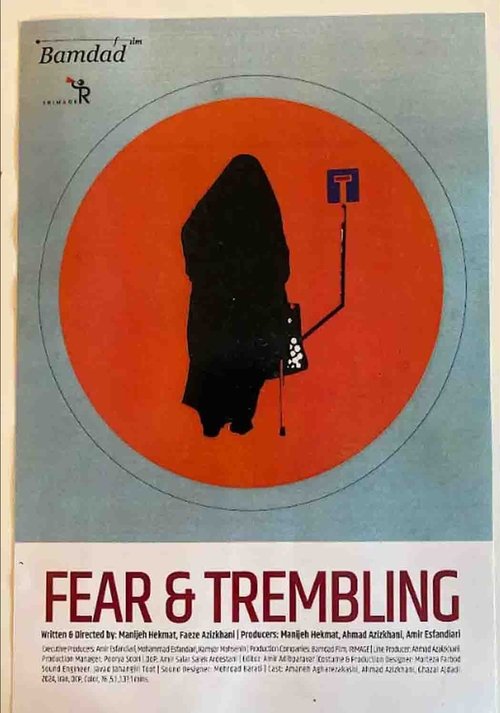
Manzar, a woman set in her rigid ways and beliefs, has been ostracized by her family and now ekes out a lonely existence. One day, she suddenly receives a call from her sister: her niece has been arrested for not wearing a hijab. Despite implorations from her family, Manzar sticks to her fundamentalist beliefs - her niece, an unbeliever, ought to be punished for the sin she’s committed. Finding herself all alone in a changing world, and increasingly racked by fear and guilt, Manzar begins to pray for heavenly deliverance.