Acting
The defeated remnants of vile Ukrainian nationalists, headed by the leader of the Ukrainian liberation movement, Symon Petliura, cannot accept their historical fate and are plotting an insurrection against the Soviet regime in Ukraine. There is nothing Petliura and his cohorts would not do to win back control over Ukraine, including selling it to the highest bidder, in this case, the Polish dictator Jozef Pilsudski. A group of plotters are coordinating an insurrection in Kyiv with an attack from Poland headed by Petliura’s general Yurko Tiutiunnyk. Predictably, the invincible Red Army defeats the nationalist plotters and proves that the Soviet borders are impregnable.
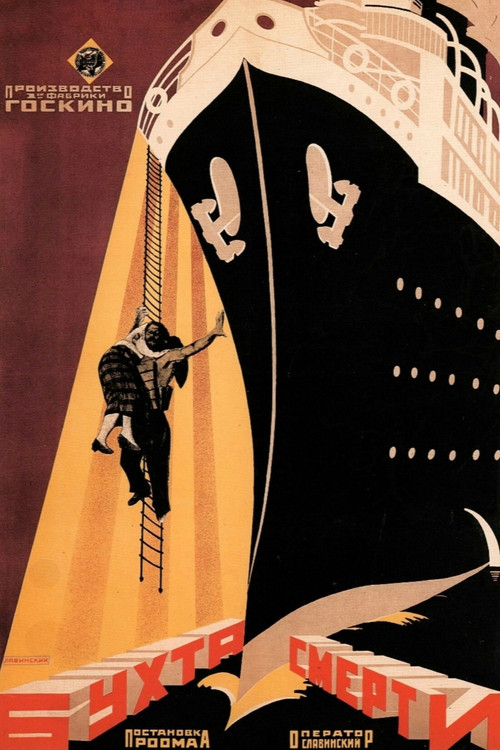
A machinist on a Navy ship has two sons, both bolcheviks. When the revolution comes the Tsarist police captures the machinist to put pressure on his sons.
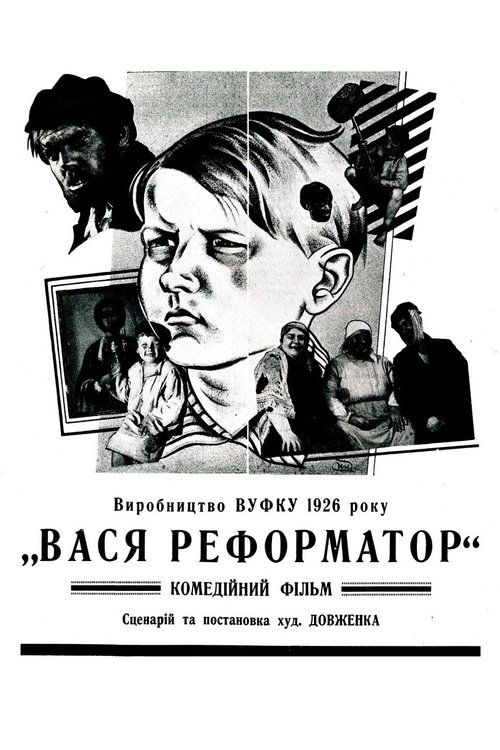
Lost film directed by Oleksandr Dovzhenko (his first film) and Favst Lopatynskyi. It is a satire of the NEP period. Vasia, the son of a factory’s worker, is attracted by the romance of adventures. And he goes to look for them. He saves a drowning drunkard who tries to beat him. Vasia escapes from him in a vehicle parked on the shore. However, the vehicle belongs to a superintendent who, when he does not find it, stages its theft. Meanwhile, Vasia exposes priests in the church. As a result, the church is turned into a cinema, and the priest becomes a cinema technician. And finally, Vasia’s last deed is catching a criminal at home and denouncing him to the militia.
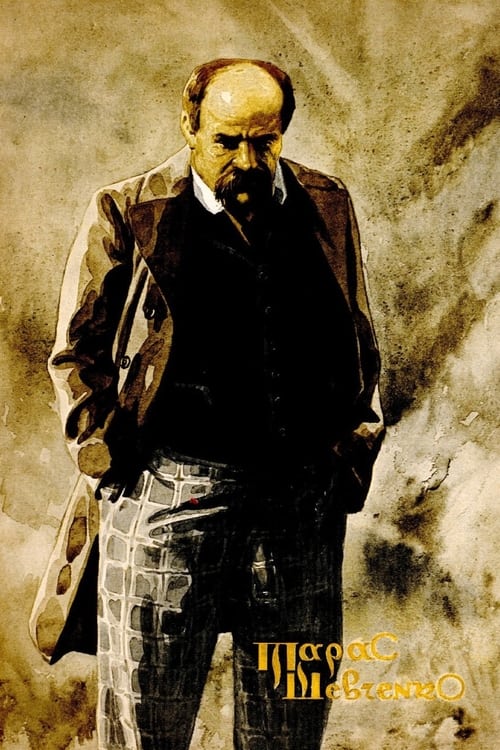
The film adaptation of Taras Shevchenko’s biography of 1925 is the first Ukrainian biopic. At that time, it was one of the most expensive films, as for the first time experts in history, ethnography, and literary studies were involved in pre-production. Consisting of numerous short stories, the film that shows the life of Shevchenko as an adolescent, a soldier, a poet, was successfully demonstrated in Ukraine and abroad and became the most acknowledged cinema project of 1926.
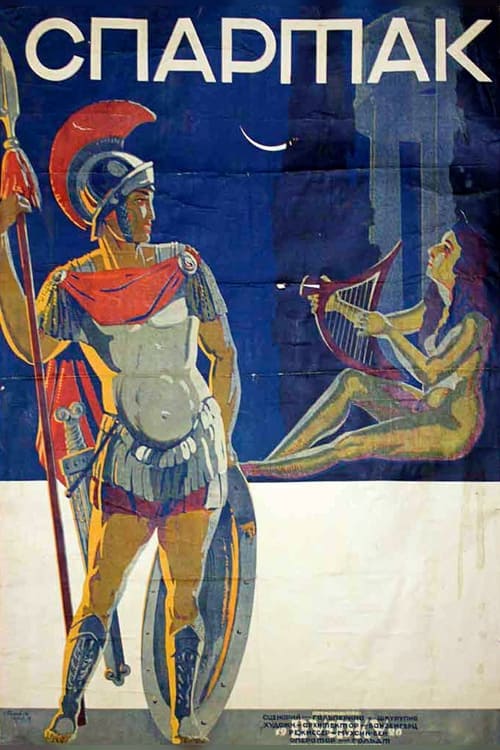
The owner of the gladiator school buys two slaves, the Thracian Spartacus and the Gaul Artorix. During the first fight in the arena, Spartacus wins over the Colloseum audience and his freedom. When freed from gladiator slavery, Spartacus calls slaves and Rome plebs for a rebel. The dictator Sulla dies. Spartacus and rebellious slaves lay out a camp near Vesuvius. The Roman commander Crassus is unable to take Spartacus’s camp by storm, so he lays siege to it. Spartacus is betrayed; he dies with his friend Artorix in a battle. The film is based on Raffaello Giovagnoli’s novel of the same name.
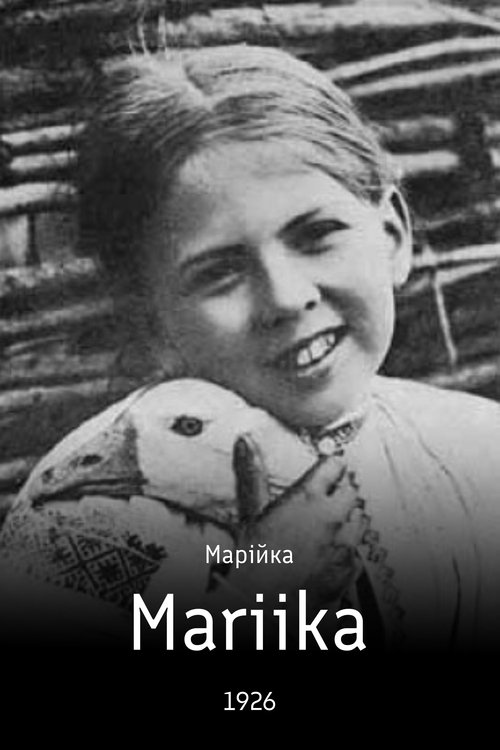
In the first years of NEP, one of the committees Relief for Starving evacuates an orphan girl Mariika from a starving village into a city. Mariika runs away on the way over.
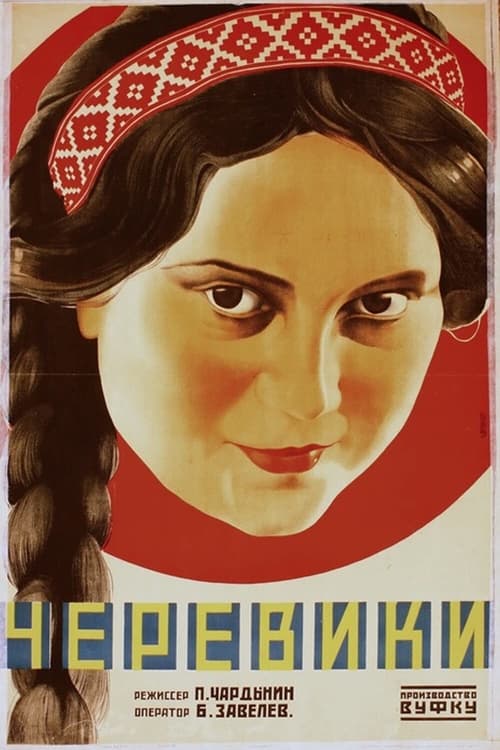
To justify the fantastic adventures of the blacksmith Vakula, the authors of the film “simplify” Gogol’s plot: Vakula, having drunk too much at Patsiuk’s place, falls asleep. And he sees this dream where the devil takes him to the palace of Catherine II in Saint-Petersburg; and there Vakula takes off the little shoes of the Russian empress to give them to his fiancée Oksana. And, really, drunk Vakula takes off the shoes while sleeping… but from Patsiuk. Later, when Vakula unwraps the package with the “royal slippers” in front of Oksana, he finds only Patsiuk’s dirty shoes there.
Based on the work of the same name by the Russian writer G. Danilevsky.
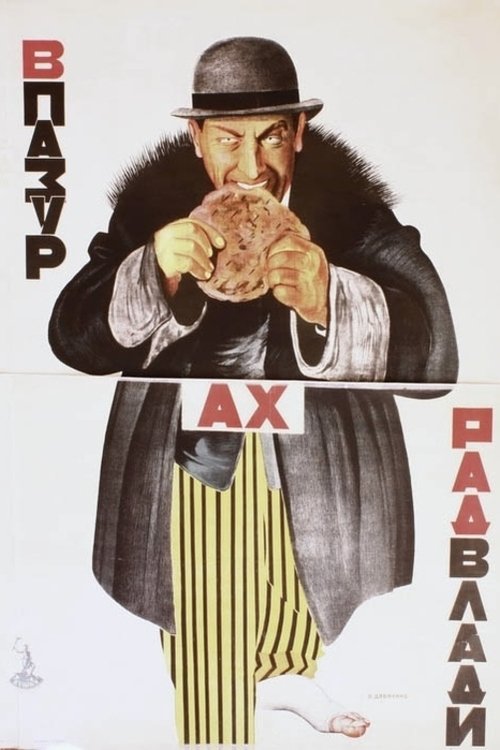
Day in and day out, factory worker Wolfer enjoys his luxurious life. But one day he wakes up after another night of drinking and is horrified to learn that the October Revolution has taken place. It took away the manufacturer's luxurious life. Wolfer's mansion, jewelry, and excess clothes were requisitioned. In the end, the manufacturer has to sweep the streets. He flees to Paris, where he finds a job in a circus with great difficulty.
No description available.
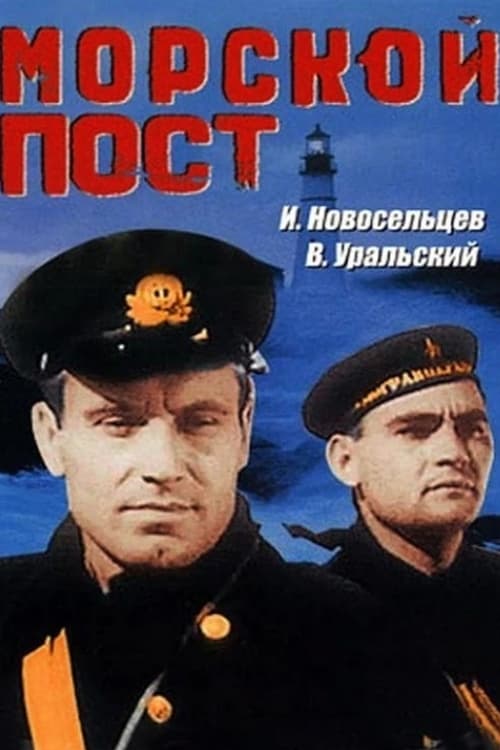
Everyday life of a maritime border guard post in the mid-1930s. On a small Pacific island, a garrison of NKVD border guards is on duty. A small detachment of soldiers bravely defends their homeland from attacks by Japanese saboteurs and drives away uninvited guests. One day, a Japanese destroyer lands troops on one of the Soviet islands. The invaders are aided by traitors they have recruited. But the border guards give the aggressors a worthy rebuff.