Noshka Van der Lely
Acting
Known For

During the celebrations of the bicentenary of the French Revolution, Johan van der Keuken made a film about the revolutionary ideals of equality, liberty and fraternity. Rather than lingering on the festivities, he lingers on the crowds in the metro and on the platform. Amongst them is Philippe, a 23 year old, homeless and with no real job. More than just a comment on the ignorance and contradictions of France at the end of the 1980s, THE MASK is an exchange of views on solitude. Isn’t the question of violence in our democracies firstly that of the real price society pays for the image it would like to show?
The Mask
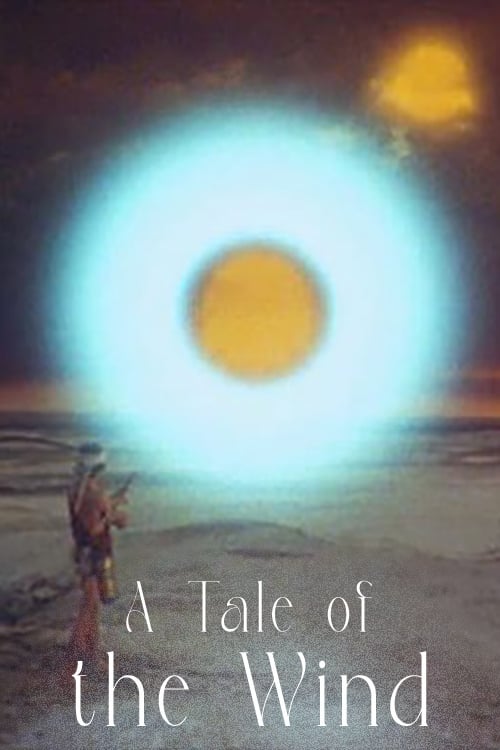
It is an autobiographical fiction starring Ivens as an old man who has spent his life trying to "tame the wind and harness the sea" by capturing them on film.
A Tale of the Wind
In the person of To Sang, a Chinese-born photographer living and working in Amsterdam, JVDK has found his perfect counterpart and alter ego. To Sang's monumental, stagey portrait photos reach back toward painting, just as JVDK's carefully composed film images recall still photography. Like JDVK, To Sang works in close collaboration with his wife. As image-makers, both men gently but firmly impose their way of seeing on the world. "Although we laugh at first, in the end he is master of the situation," says JVDK about To Sang in Gieling's film.
To Sang Fotostudio
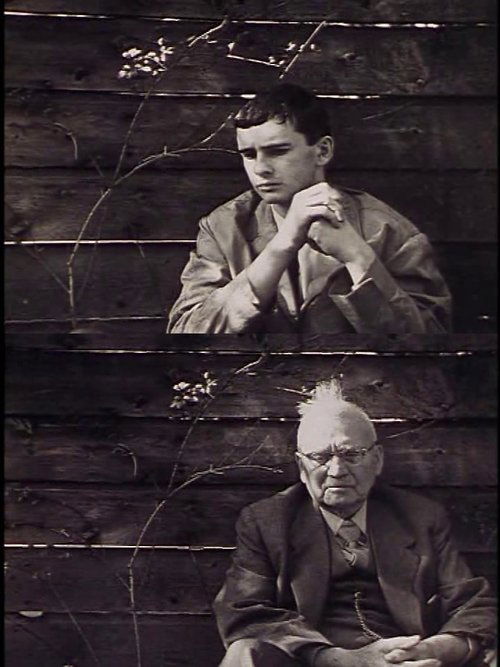
The film is put together as a collection of autonomous images which, once combined, make up van der Keuken's mental universe: family happiness, fragments of some of his earlier films, a homage to the saxophonist Ben Webster, two poems by the great contemporary poets Remco Campert and Lucebert, a portrait of the director's grandfather, who taught him photography at the age of twelve... "One of those small masterpieces one encounters by surprise..." Jean-Paul Fargier, Cahiers du Cinéma, 1975
Filmmaker's Holiday
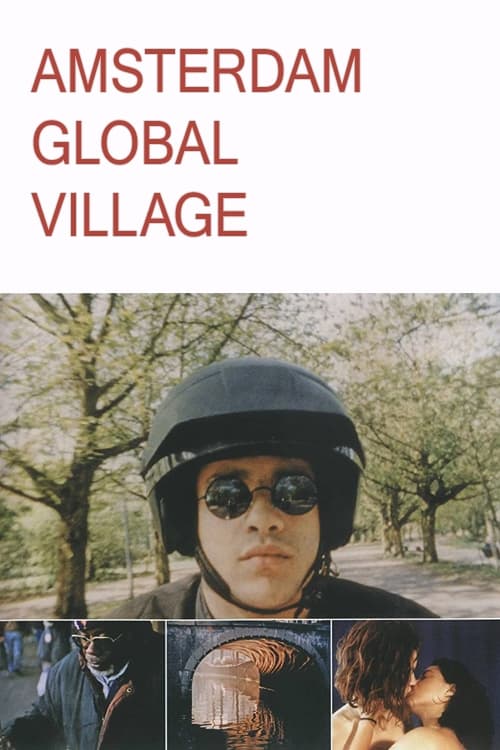
"I am far away on a distant journey through my own city", filmmaker Johan van der Keuken says at the end of his four-hour portrait of Amsterdam. The city is presented as a place where people from all corners of the world live, who all exert their cultural influence on the life in the city. With a motor courier as his central figure, the filmmaker introduces the audience to birds of different feathers. We see diverse cultural expressions, like the house scene, the entry of St. Nicholas and a Ghanese mourning ritual. The binding factor in the film is the concept of 'travelling', in other words Amsterdam as a global village. The camera travels through the film in three ways: over land, over water (canals) and through the air.
Amsterdam Global Village
In 1984–85, Johan van der Keuken took his camera across the globe, from Amsterdam to New York to Hong Kong, ending in Geneva. The object of his investigation was money, in particular the maniacal drive to accumulate it in the era of Thatcherite/Reaganite neoliberalism.
I Love Dollars
No description available.
2 Minuten Stilte a.u.b.
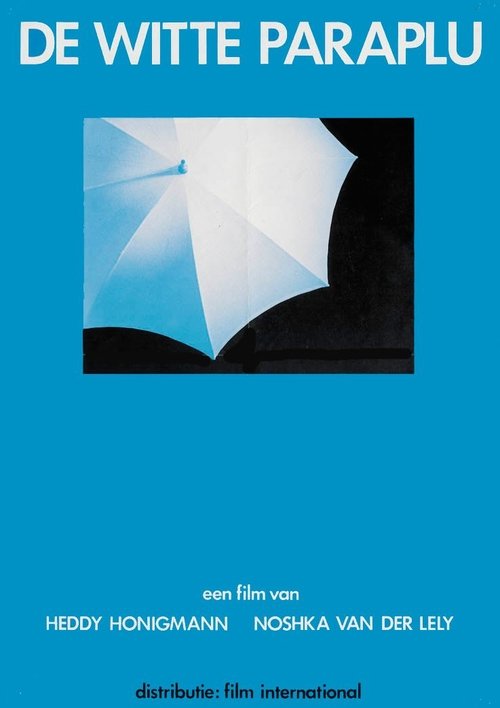
Two women are dissatisfied with their way of life and work. They also realize that their resistance to the frightening political and military developments in Europe has come to nothing. In seemingly different ways, they try to change their relationship with the outside world. They watch fragments of films by Resnais and Godard and even want to make their own film.