Camera
No description available.
Stories from a long-ago garden that we find difficult, hard, and almost impossible to remember.
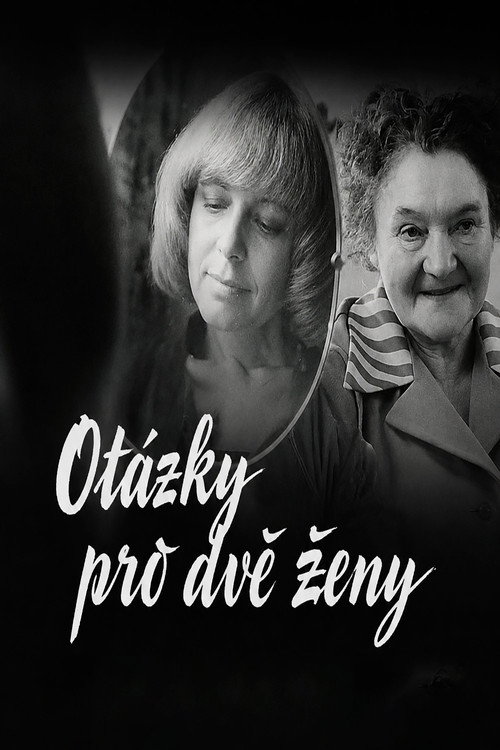
Film director Drahomíra Vihanová is preparing some interviews with two women. The women are at first sight opposites, but in reality they have much in common. Through the interviews the film director hopes to get a deeper understanding of herself as well. What unite all three of them is creativity, what creativity means for women, and how they combine their creative projects with their daily life.
Eight tunnellers, led by Mikulás Litvák, go down with the lift for a new shift in the underground, close to the Máj department store. Each day they build a new meter on the B1 line of the Metro. In 14 years of work they have made 7 km of corridors and tunnels. The work is hard and sometimes dangerous. But they are a tight group, which trust each other's skilfulness.
René has been in prison since he was 16. He is sick of life and doesn’t care about his parents (just as René’s parents never cared about him when he was a child); he doesn’t even know how many more children they had. After the general amnesty, René just hangs around, not satisfied in any job, and with his younger brother he starts stealing. In no time he is back in prison, this time joined by his brother who is still a youth. History repeats itself and René’s life philosophy seems to be confirmed: You enjoy your freedom for a while, then go to prison and the same thing happens all over again.
Showing his own original footage of Prague Spring, director Evald Schorm describes the atmosphere these days in 1968.
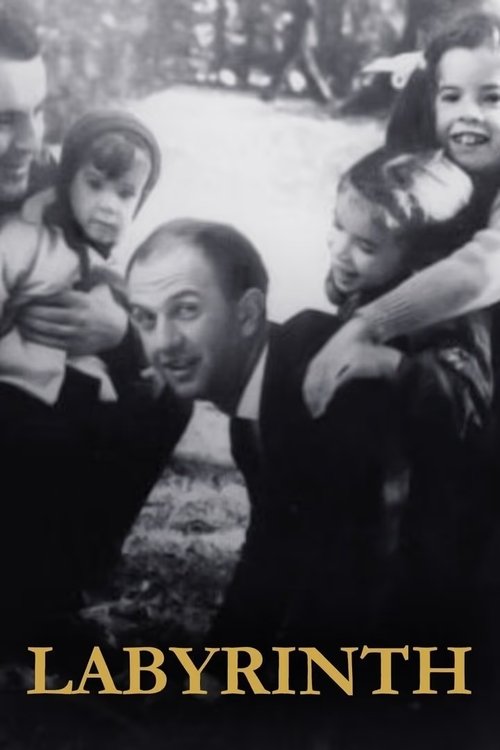
Film makes the creative process visible by letting its narrative flow in the mind of a foreign director who is researching a film about Franz Kafka in Prague. Based on the principle of dreams and free association, segments unfold that deal with the various points of view that Kafka's work, personality and fate offer. In the labyrinth of his mind, the fictional director projects himself into situations from the author's life, with Kafka himself as his guide. At the same time, he delves into the history of the persecution of the Jews and glimpses the monstrosity of the bureaucratic apparatus that Kafka anticipated but could not have foreseen the monstrous size and function it would grow to a few years after his death in the institutionalized genocide and overall machinery of Nazism.
This documentary-style story tells the story of an aspiring documentary filmmaker who is preparing a film about the history of glassmaking. He is honestly gathering information, slowly getting closer to an unknown and not always accessible environment, to people, whose actions he often doesn't understand because he misses their motivations... Shards for Eva is certainly not a skillfully wrought work, but it certainly impresses with its sense of at least partial capture of everyday reality.
A 1987 documentary about youth crime and their social probation officer. The story of two young delinquents to whom no one could lend a helping hand. The lack of interest from the neighbourhood eventually forced their 22-year-old probation officer Majka to resign. The film is mainly made up of authentic testimonies of the protagonists.
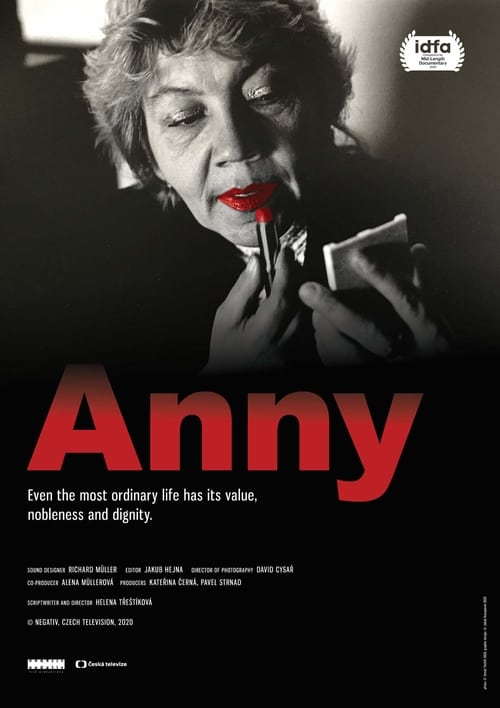
Anny follows the life of the titular, intriguing character for 16 years, from 1996 up until 2012. Living in the Czech Republic, Anny is a 46-year-old woman whose day-to-day life has consisted of several different occupations, from a bathroom attendant and a doorman, to occasional sex work. Her outlook on her jobs is fairly simple, you have to do the work if you want to eat, spoil your grandkids, or buy yourself new clothes.
The glass industry, focusing on the master craftsmen of Bohemian crystal.
Two Jewish boys escape from a train transporting them from one concentration camp to another. Beyond themes of war and anti-Nazism, the film concerns itself with man's struggle to preserve human dignity.
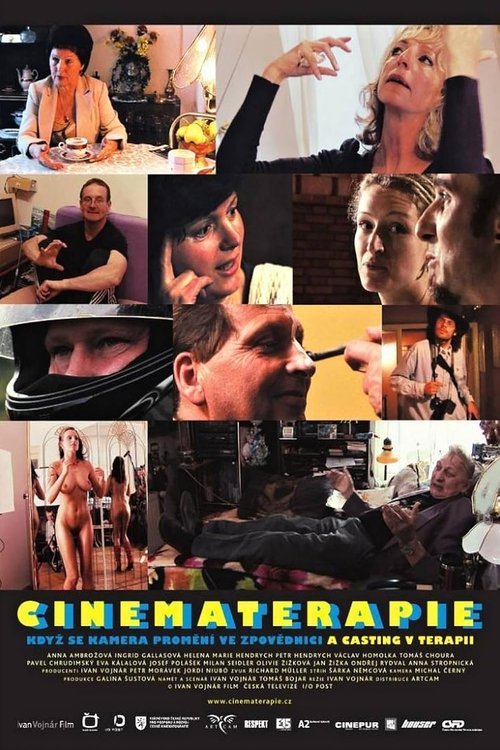
A documentary study by Ivan Vojnár featuring people picked at random and famous personalities he has met in the Café Konvikt and other places in Prague. Not unlike figures from a Hrabal story, they represent a very broad range of types— from a mentally handicapped road-sweeper to a philosopher. Each person, even the most seemingly normal, is exceptional in some way. Most speak directly to the camera about their relations, work, simple and difficult problems, democracy, and Czech society in general.
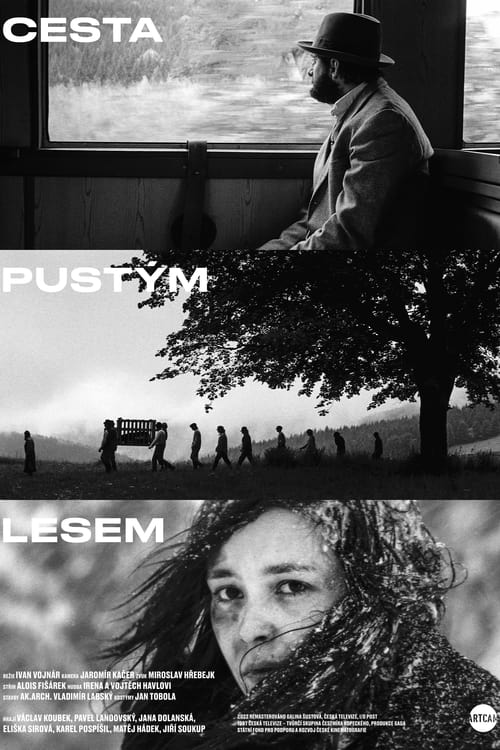
The Šumava Mountains hide buildings lost in the mountains, the Vydra River, a church, a rectory, marshes, a post office, a gold mine, and a hermit's hut. In this environment, the fates of the beautiful girl Anna, a tormented widow, her perpetually drunk husband—a postman—and dentist Holoubek, who left his native Vienna, intertwine. Over the course of the year, their paths cross, but then the summer of 1914 arrives and war intervenes decisively in the lives of all those involved... However, the characters' desires and quests are timeless.
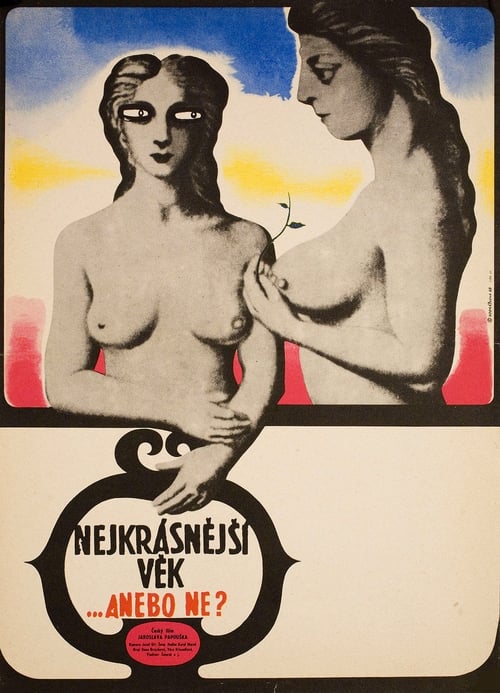
An artist's studio is descended upon by a group of retired men and a young mother who agree to model in the nude for money. Comedy ensues as the students and the local bureaucracy react to the models, all in need of extra money. Several running gags border on slapstick as the officials and the students don't know what to do with the nude models.