Creator
Weekly current affairs show
French current affair show
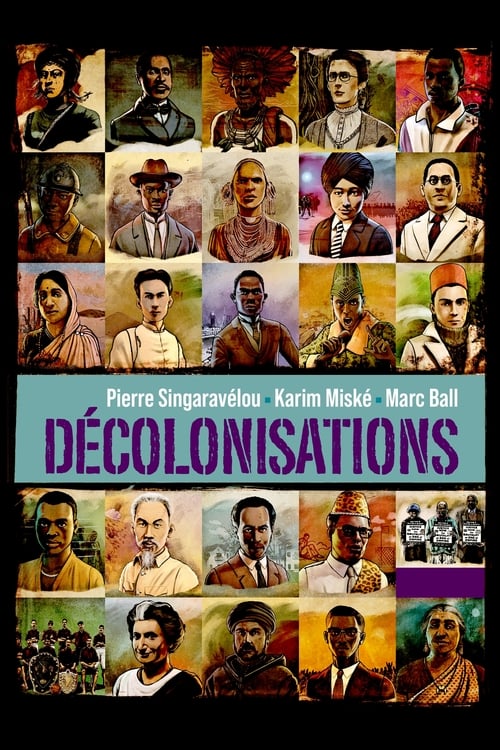
The history of decolonization from the point of view of colonized peoples, an epic story that still resonates and reverberates to this day.
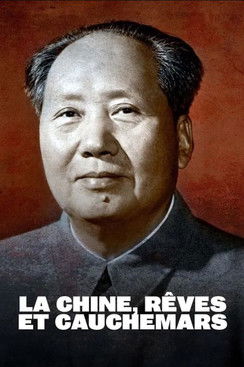
China's history of the last 200 years seems like a boomerang, returning to the West what it once unleashed. The series reveals how devastating the struggles for identity and power have been for the population since the fall of the "Middle Kingdom," and how closely these tragedies are intertwined with our own. Great hopes were placed in a wide variety of visions for the future—and each time, bitter disappointment ensued. From the decline of the empire to its resurgence as a superpower, China's history is both a dream and a nightmare, in which human life is of little value.
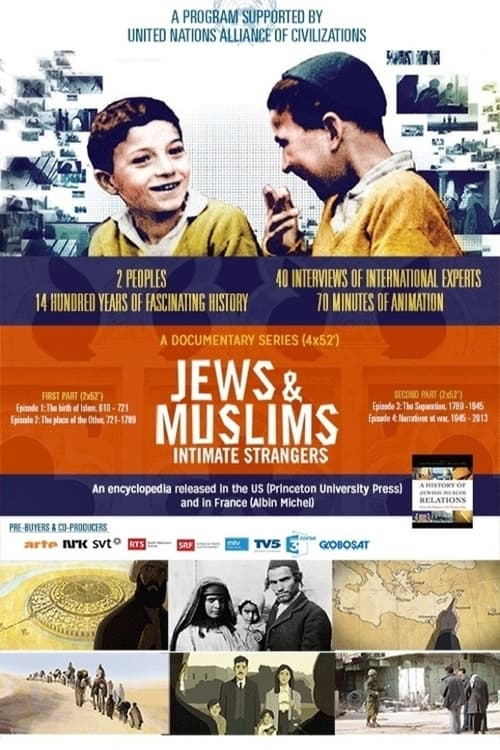
This journey through time retraces fourteen centuries of a rich shared history between Jews and Muslims. A story of great historical rigor, without concessions or bias, driven by fluid and inspired realization.
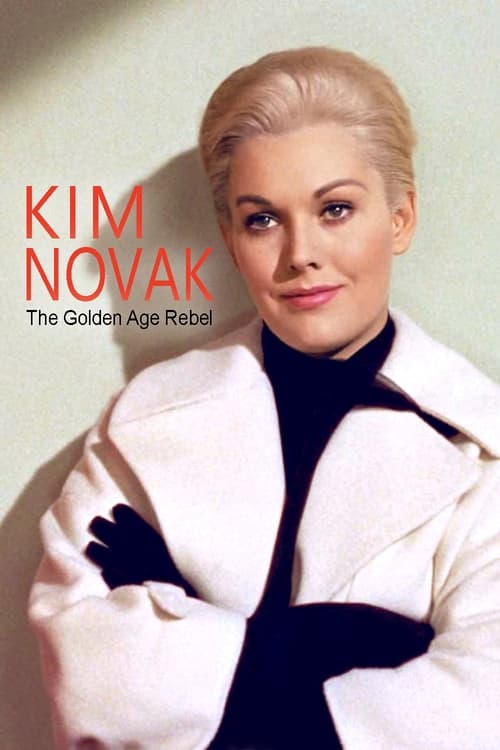
Kim Novak never dreamed on being a star, but she became one. Most famous for her enigmatic performance in Hitchcock’s Vertigo (1958), the Chicago-born actress never quite fitted into the Hollywood mould and wanted to do things her own way.
No description available.
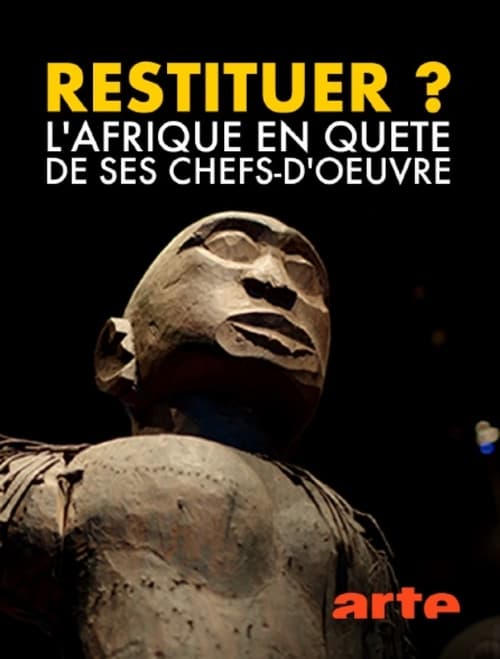
There is an interlinking history of violent European colonialism and the cultural legacy of ethnographic collections in institutions. This documentary traces the progression of colonial history from the Berlin Conference of 1884-85 to the systematic elimination of cultural traditions, religions and lifeways which would occur sporadically through genocides and warfare until the early 20th century throughout the African continent—surveying the inquiries and movements for historical justice, the relationships between European institutions and colonial violence and following enduring struggles against these organisations to regain what was taken.
Ibéa Atondi uses the story of a return to his home country, Congo-Brazzaville, to adopt an unusual viewpoint on the wars of contemporary Africa. Fascinated by the bloodthirsty madness of Mignon, a Cobra fighter destroyed by alcohol and drugs, the female narrator attempts to grasp the mechanisms that drove him and his companions to abandon all human dignity. No images of violence are used to evoke the horrors of war; this is done through use of metaphor to underpin the statements of victims and executioners.
Moorish society allows a great deal of freedom in the relationship between men and women. In the tent, in this feminine place, men are admitted. In the city, in Nouakchott, customs have been adapted. The women receive guests in their living rooms. Hassan is a young man who roams the streets of Nouakchott looking for a girl to seduce. Through poetry, he perpetuates the tradition of courtly love. In their salon Aziza, Amina, Fatimétou and Farida listen to him and tell us about their dreams of young Moorish girls.