FEEL IT.STREAM
Taylor Mead

Taylor Mead

Acting

Biography

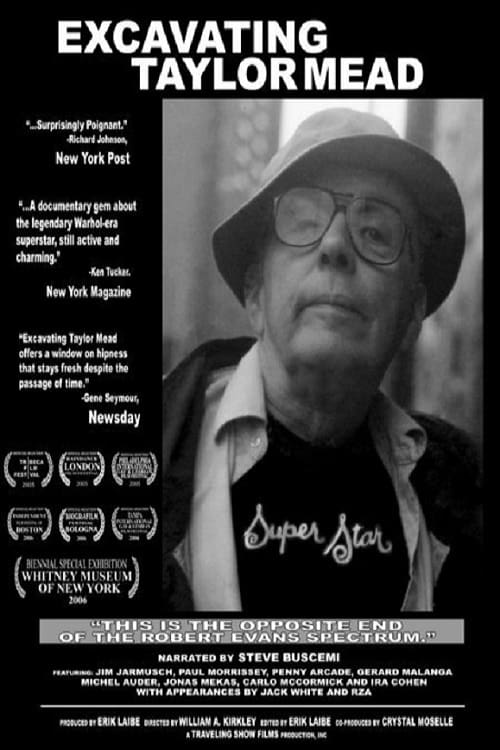
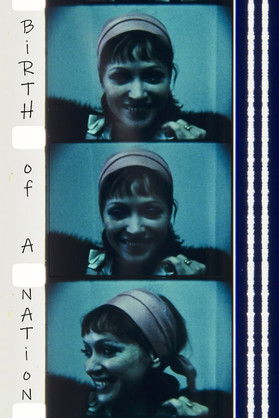
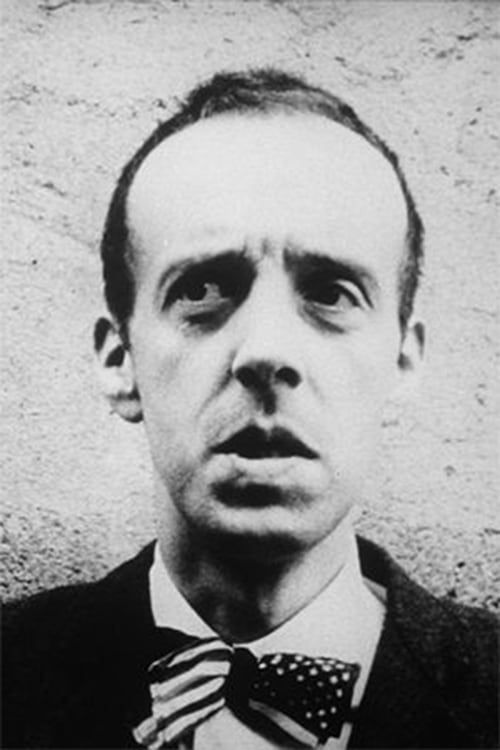
Taylor Mead was an American writer, actor and performer. Mead appeared in several of Andy Warhol's underground films filmed at Warhol's Factory, as well as in works by Robert Downey Sr., Adolfas Mekas, and Ron Rice.
Known For

Saturday Night Live
6.9

A late-night live television sketch comedy and variety show created by Lorne Michaels. The show's comedy sketches, which parody contemporary culture and politics, are performed by a large and varying cast of repertory and newer cast members. Each episode is hosted by a celebrity guest, who usually delivers an opening monologue and performs in sketches with the cast, and features performances by a musical guest.

Saturday Night Live

1975
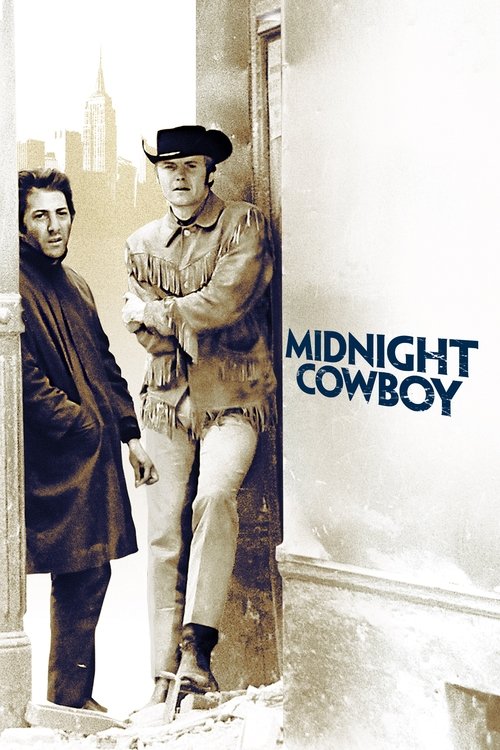
Midnight Cowboy
7.5

Joe Buck is a wide-eyed hustler from Texas hoping to score big with wealthy New York City women; he finds a companion in Enrico "Ratso" Rizzo, an ailing swindler with a bum leg and a quixotic fantasy of escaping to Florida.

Midnight Cowboy

1969
Coffee and Cigarettes
6.9

An anthology of eleven vignettes featuring star-studded casts of extremely unique individuals who all share the common activities of conversing while drinking coffee and smoking cigarettes.

Coffee and Cigarettes

2004
Citizen Toxie: The Toxic Avenger IV
6.1

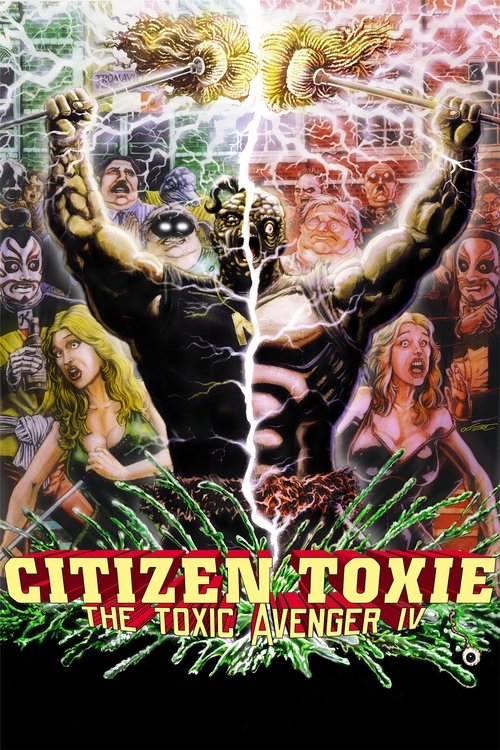
A horrific explosion creates a dimensional portal between Tromaville and its dimensional mirror image, Amortville. While the Toxie is trapped in the mirror dimension, Tromaville comes under the control of his evil doppelganger, the Noxious Offender.

Citizen Toxie: The Toxic Avenger IV

2001
Superstar: The Life and Times of Andy Warhol
7.3

Iconic American artist and filmmaker Andy Warhol is the subject of this documentary, which looks at both his life and his influence on pop culture. The film provides details about Warhol's upbringing in Pittsburgh and follows his move to New York City, where he found massive success turning pop imagery into art and eventually founded "The Factory," his famed studio and party venue. Among the many notables interviewed are Dennis Hopper, David Hockney, and Roy Lichtenstein.

Superstar: The Life and Times of Andy Warhol

1990
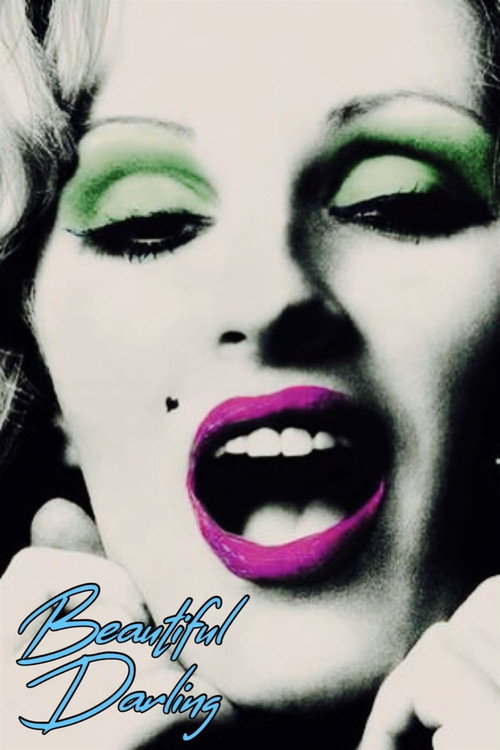
Beautiful Darling
6.0

James Rasin's documentary “Beautiful Darling” honors American Transgender actress and best-known Warhol Superstar, Candy Darling, and her all-too-brief life and career, with a combination of current and vintage interview material, rarely seen archival photos and footage, and extracts from Darling's movies.

Beautiful Darling

2010
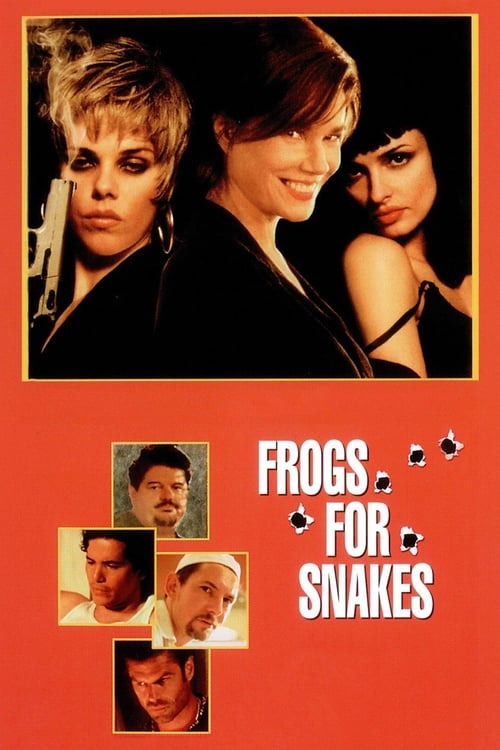
Frogs for Snakes
3.7

A group of unemployed theater actors survive by working as illegal money collectors. The loan shark they are working for owns an Off-Broadway theater. As he decided to play "American Buffalo" there, a bloody battle for the favorite roles begin.

Frogs for Snakes

1998
Lonesome Cowboys
5.0

Five lonesome cowboys get all hot and bothered at home on the range after confronting Ramona Alvarez and her nurse.

Lonesome Cowboys

1968
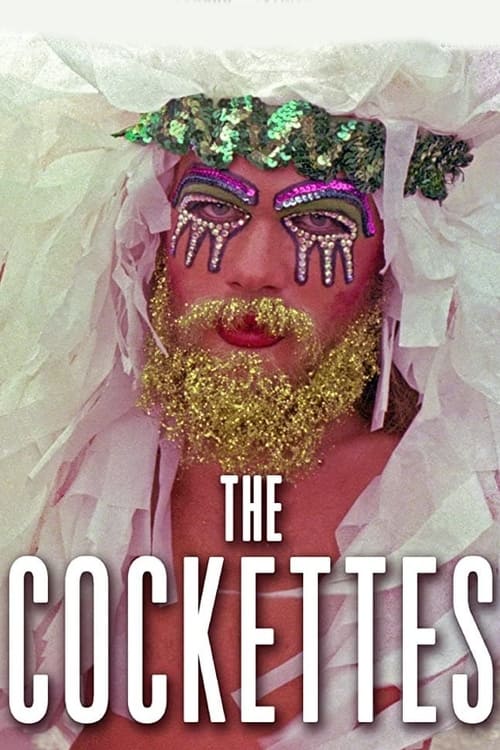
The Cockettes
6.7

Documentary about the gender-bending San Francisco performance group who became a pop culture phenomenon in the early 1970s.

The Cockettes

2002
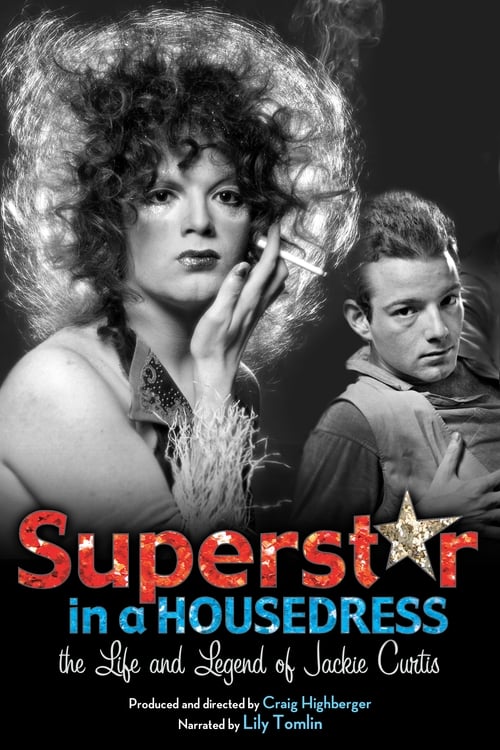
Superstar in a Housedress: The Life and Legend of Jackie Curtis
3.5

Andy Warhol described Jackie Curtis as “A pioneer without a frontier.” In this biographical documentary, Curtis’s co-workers and friends speak of her work and her influence, along with clips from Curtis’s Warhol films as well as never-before-seen footage from her stage shows.

Superstar in a Housedress: The Life and Legend of Jackie Curtis

2004
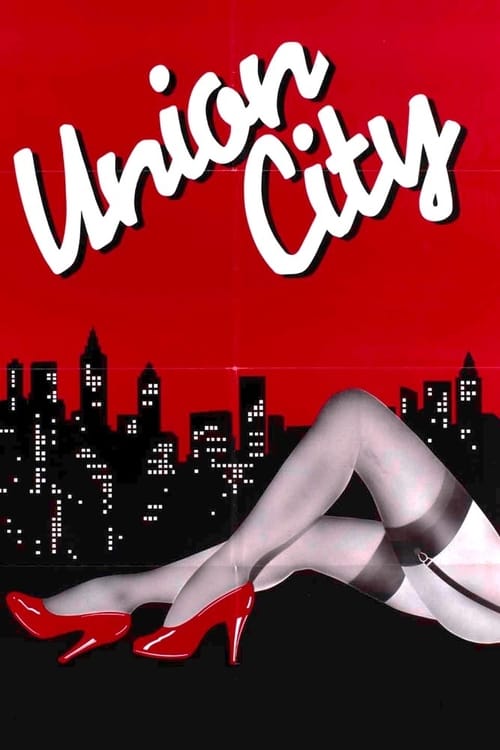
Union City
5.1

A 1950s accountant with a restless wife grows paranoid after hiding a milk thief's corpse next door.

Union City

1980
365 Day Project
10.0

This exhibition focuses on Jonas Mekas’ 365 Day Project, a succession of films and videos in calendar form. Every day as of January 1st, 2007 and for an entire year, as indicated in the title, a large public (the artist's friends, as well as unknowns) were invited to view a diary of short films of various lengths (from one to twenty minutes) on the Internet. A movie was posted each day, adding to the previously posted pieces, resulting altogether in nearly thirty-eight hours of moving images.

365 Day Project

2007
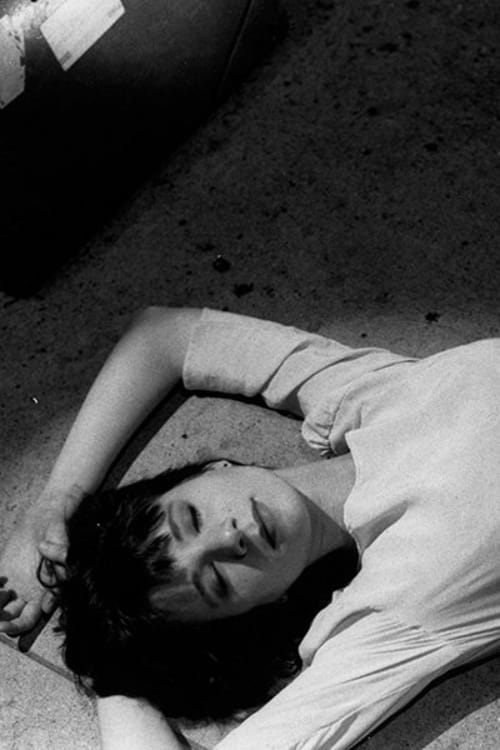
Andy Warhol Screen Tests
8.0

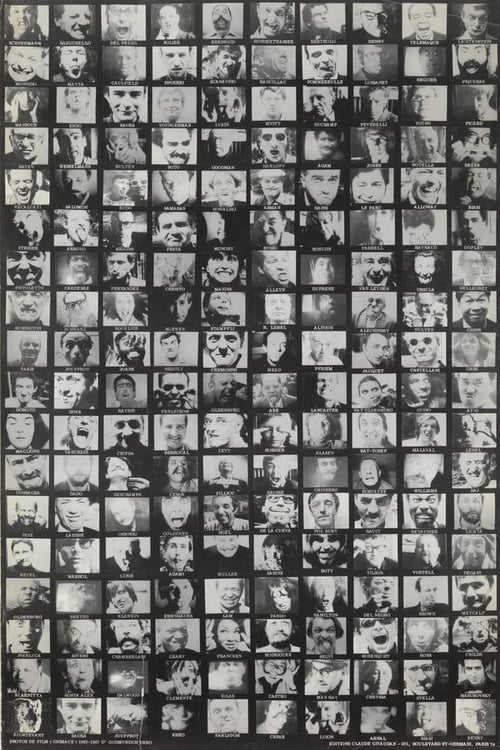
The films were made between 1964 and 1966 at Warhol's Factory studio in New York City. Subjects were captured in stark relief by a strong key light, and filmed by Warhol with his stationary 16mm Bolex camera on silent, black and white, 100-foot rolls of film at 24 frames per second. The resulting two-and-a-half-minute film reels were then screened in 'slow motion' at 16 frames per second.

Andy Warhol Screen Tests

1965
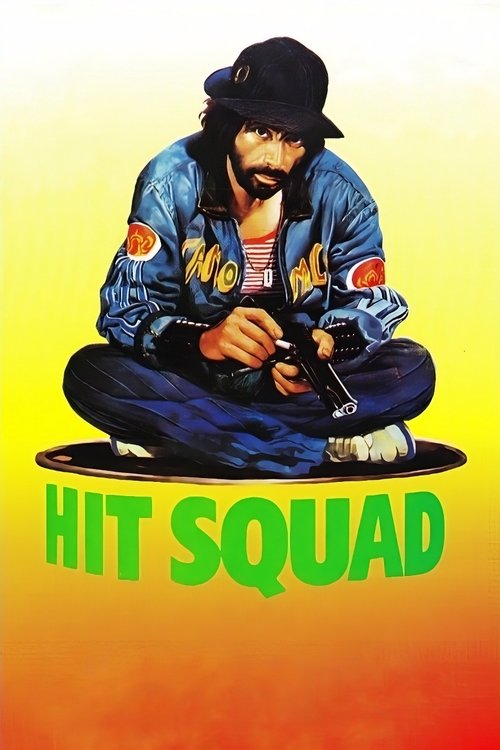
Hit Squad
6.6

A gang of thieves are robbing luxury apartments in Rome, but after emptying the villa of the wealthy Mr. Douglas, the thieves are beginning to die.

Hit Squad

1976
Andy Warhol's Factory People... Inside the Sixties Silver Factory
2.9

Takes an in-depth look at the lives and times of the people who hung out with Andy Warhol and "worked" at the Silver Factory during the Sixties, making it all click as a new counter-culture arose and began to exert its influence throughout the arts.

Andy Warhol's Factory People... Inside the Sixties Silver Factory

2008
Four Stars
4.7

Photographed entirely in color, Four Stars was projected in its complete length of nearly 25 hours (allowing for projection overlap of the 35-minute reels) only once, at the Film-Makers' Cinematheque in New York City. The imagery in the film is dense, wearying and beautiful, but ultimately hard to decipher, for, in contrast to his earlier, and more famous film Chelsea Girls, made in 1966, Warhol insisted that two reels be screened simultaneously on top of each other on a single screen, rather than side-by-side. The film's title is a pun on the rating system used by critics to rank films, with "four stars" being the highest rating. From Wikipedia.

Four Stars

1967
The Death and Life of Marsha P. Johnson
7.1

Describing herself as a 'street queen,' Johnson was a legendary fixture in New York City’s gay ghetto and a tireless voice for LGBT pride since the days of Stonewall, who along with fellow trans icon Sylvia Rivera, founded Street Transvestites Action Revolutionaries (S.T.A.R.), a trans activist group based in the heart of NYC’s Greenwich Village. Her death in 1992 was declared a suicide by the NYPD, but friends never accepted that version of events. Structured as a whodunit, with activist Victoria Cruz cast as detective and audience surrogate, The Death and Life of Marsha P. Johnson celebrates the lasting political legacy of Johnson, while seeking to finally solve the mystery of her unexplained death.

The Death and Life of Marsha P. Johnson

2017
Jack Smith and the Destruction of Atlantis
6.6

In this entrancing documentary on performance artist, photographer and underground filmmaker Jack Smith, photographs and rare clips of Smith's performances and films punctuate interviews with artists, critics, friends and foes to create an engaging portrait of the artist. Widely known for his banned queer erotica film Flaming Creatures, Smith was an innovator and firebrand who influenced artists such as Andy Warhol and John Waters.

Jack Smith and the Destruction of Atlantis

2007
Cleopatra
5.0

Cleopatra situates itself in the same relationship to Hollywood as the Warhol/Morrisey films of the period. It corresponds to Joseph Mankiewicz's 1963 Cleopatra, starring Elizabeth Taylor and Richard Burton which Auder's cast watched and used as the starting point for scene by scene improvisation Auder drew his cast from Warhol's ensemble – including not only Viva and Louis Waldon, but also Taylor Mead, Ondine, Andrea Feldman, Gerard Melanga and others.

Cleopatra

1970
No image
4.7

Homeo is a mental construction made from visual reality, just as music is made from auditive reality. I put in this film no personal intentions. All my intentions are personal. I’ve made this film thinking of what the audience would have liked to see, not something specific that I wanted to say: what the film depicts is above all reality, not fiction. Homeo is, for me, the search for an autonomous cinematographic language, which doesn't owe anything to traditional narrative, or maybe everything. Cinema is, above all, part of a way of life which will become more and more self-assured in the years and century to come. We are part of this change, and that’s why I tried in Homeo to establish a series of perpetual changes, in constant evolution or regress, which tries, above all, to focus on things.

Homeo

1967