Acting
No description available.
A young woman falls for a flirtatious count only to find that he has no intention of marrying her. To her distress, the count still pursues her even after she has married another.
Tragedy strikes after a painter has an affair with the wife of a prince.
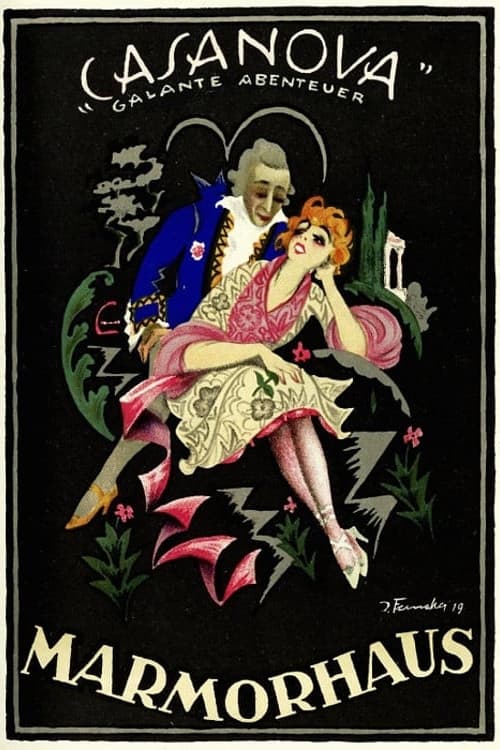
An aging Casanova, long dead, is resurrected when factory heiress Susanne Hilmer’s longing brings him back as the modern “Knight Heinrich Holanden,” only to trail a trail of broken hearts, from Susanne and her sister Margarete’s suicides to would-be lovers Ninette and the Countess, before he’s grievously wounded and cared for by the pure-hearted Baroness Livia. When Livia, the only woman he ever truly loves, takes her own life in shame, Casanova, heartbroken, returns to his tomb, closing the door on his final, unfulfilled passion.
A bankrupt landowner, Redwitz, emigrates to America fleeing his card debts and leaving his daughter in the care of his neighbour, the Baroness Rajk, at the cost of the family jewels. When the jewels are gone, Veronika is chased away from the house. She grows up to be a beautiful young woman and marries a gifted, but poor composer, George Tishler. The young man falls ill because of hard work and his treatment is financed by Baroness Rajk on the condition that they do not tell Veronika’s now rich father about her marriage and child. Moving into her father’s house, Veronika complies with this wish for the sake of her husband, but soon grows to enjoy the role of a spoilt and celebrated girl and ceases missing her previous, poorer lifestyle. She pays for her infidelity with the loss of her child.
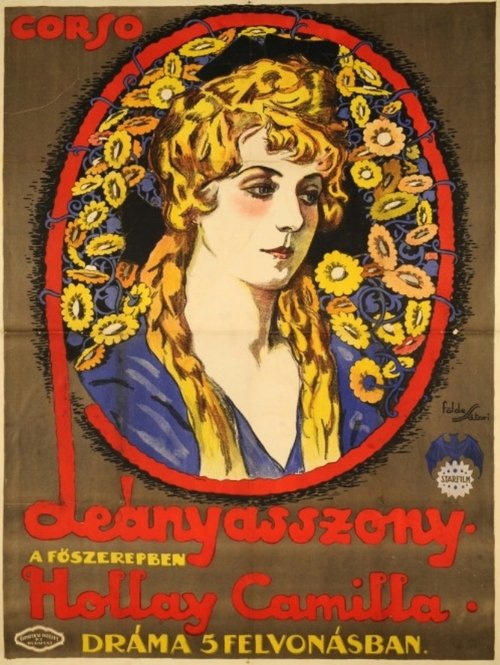
Camilla comes from a well-to-do provincial family. She turns down her country suitors because of their lack of culture and her urban suitors because of their immorality. Finally she falls in love with a poor young artist who is painting her portrait on commission of her father. The chances of their marrying appear slim because of the painter’s modest situation but still they get engaged in secret.
Márta has a secret affair with André. Her husband catches them and forces André to sign a declaration pledging to go into exile in America. Adapted from Gaston Leroux.
A corrupt young man somehow keeps his youthful beauty, but a special painting gradually reveals his inner ugliness to all.
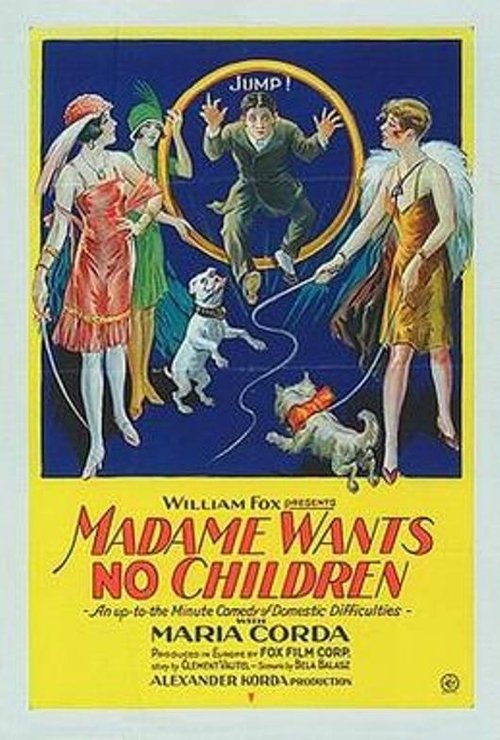
Playboy Paul Le Barroy, weds Elyane Parizot because he is ready for children, and his mistress, Louise Bonvin, is not. After the honeymoon, Elyane informs Paul that she doesn’t want children, either. When Paul leaves her, Elyane blames Louise and confronts the ex-mistress with a gun.
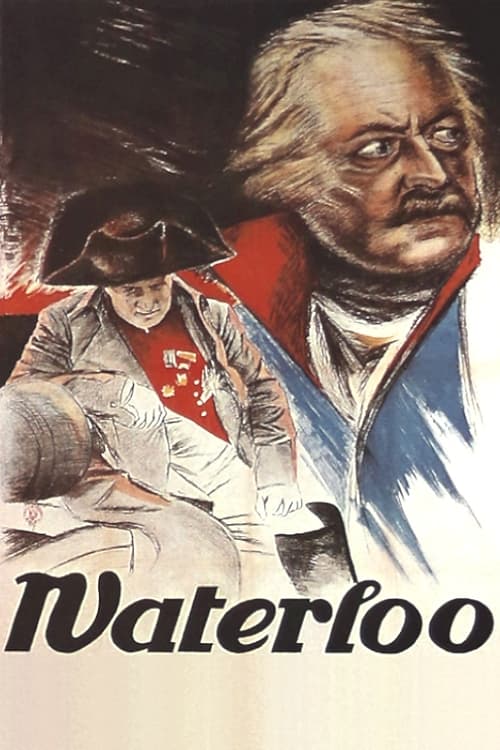
This presentation of 'Waterloo', a film by Karl Grune about the last hurrah of Napoleon, is a fascinating companion to the Abel Gance epic 'Napoleon'. 'Waterloo' presents a tale of several people involved in the final battle. Napoleon and Wellington, of course, but also the Austrian general Blutcher (who is seen as a ladies' man - his scene with a flirty Countess about halfway through the film is priceless; as are his touching scenes with his plain wife (who he imagines to be a young and nubile girl when they get romantic) and some people within his regiment. Not simply a film of war, 'Waterloo' is a story of people, of lovers, of lost opportunities.
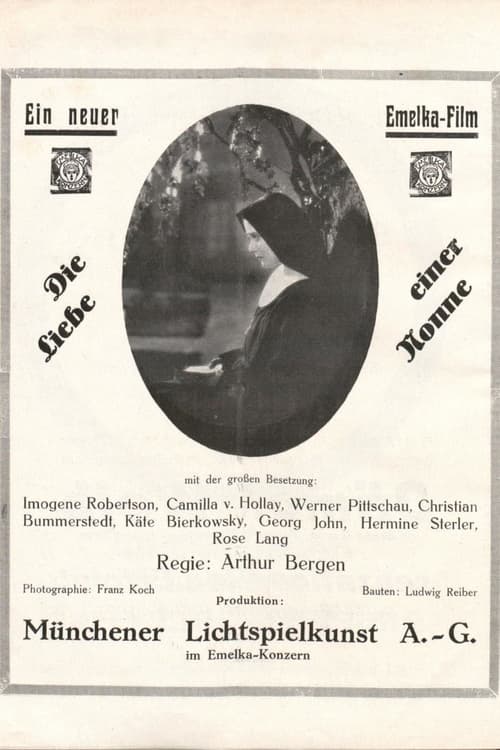
Sister Angelika has the power of life or death over her former tormentor, now sick and placed in her care.
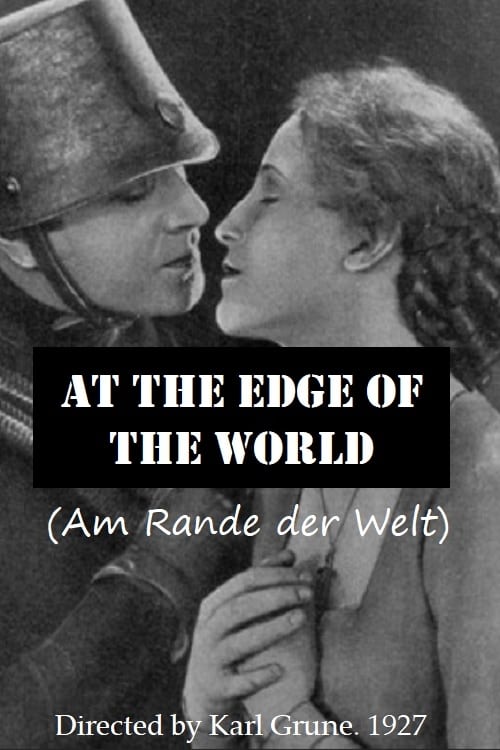
A mill situated on the border between two unnamed countries and the residents therein become pawns in a future war.
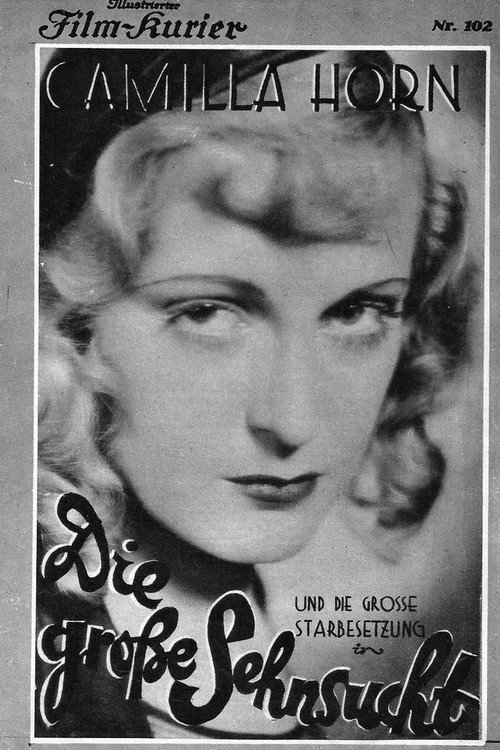
A young woman leaves behind her job, home and family to try to make it in the movie business. Features cameos from about three dozen German film stars of the era.
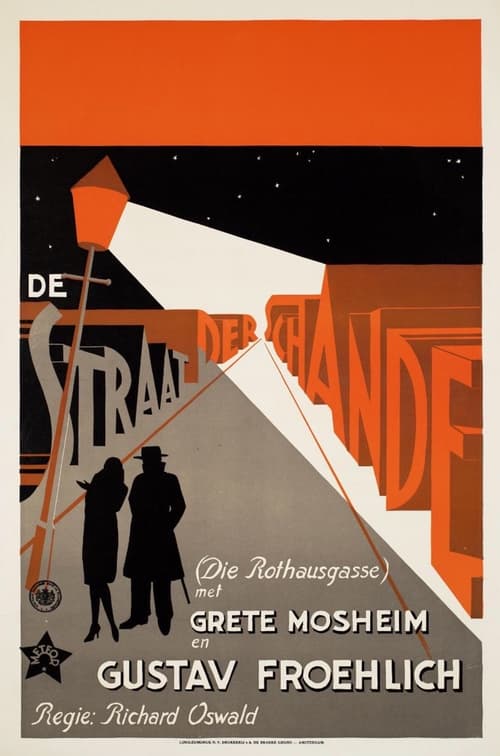
An ill-fated love affair between a brothel waitress and a doctor's son.
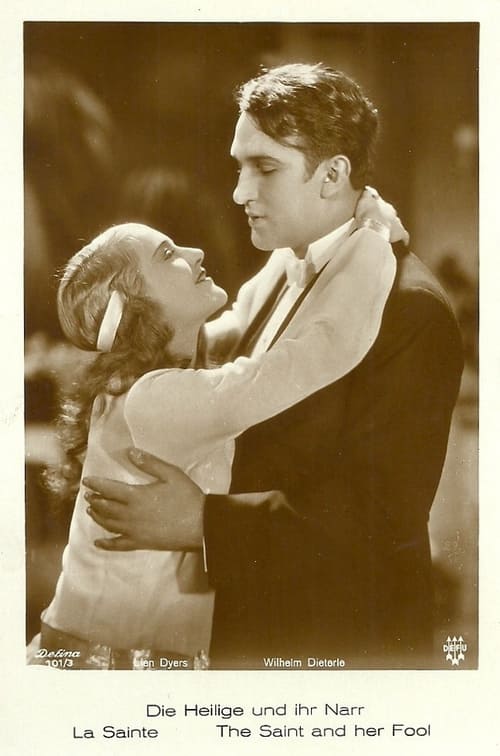
Agnes Günther’s heart-rending fairy tale dazzled turn-of-the-century German audiences and sold hundreds of thousands of copies before being adapted into this tale of timeless passion, the beautiful The Saint and the Fool. The unapologetically sentimental classic was directed by Wilhelm Dieterle, who launched a successful career in Weimar cinema before becoming known for romantic, lush melodramas and technicolor extravaganzas, including 1945′s Marlene Dietrich unforgettable Love Letters. The dashing Dieterle himself plays Harrogate, Earl of Torstein, whose star-crossed love for the luminous Rosemarie of Brauneck (Lien Deyers, discovered by Fritz Lang) is further doomed by royal heroes and villains, the requisite evil stepmother, and fantastical elements that channel the intoxicating romance of Camille through the magic of the Brothers Grimm.
Directed by Aleksandr Razumnyj.
The aging singer Clarina receives a new engagement from a cabaret called the Maison Mouche and must evade the advances of several overbearing men.