FEEL IT.STREAM
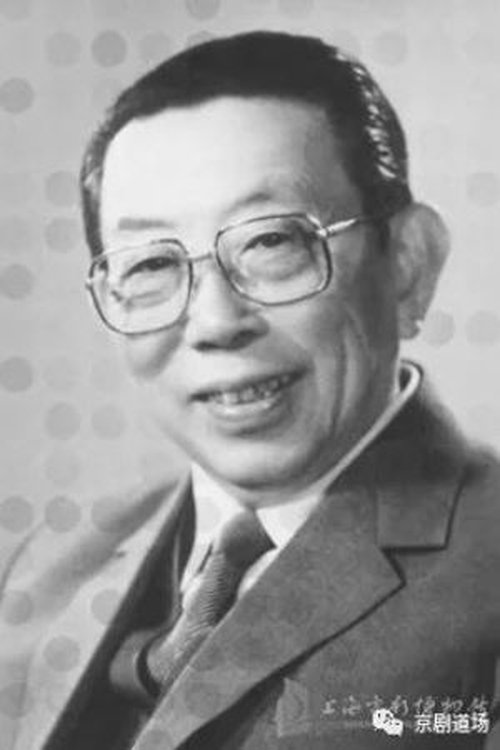
Cheng Zhi

Cheng Zhi

Acting

Biography

Zhi Cheng Zhi was born on February 3, 1926 in Wuchang, Hubei. Two years later he moved to Shanghai with his grandfather, tenth-ranking scholar. Grandfather was proficient in poetry, calligraphy, and seal engraving. At the end of the Qing Dynasty, he was the supervisor of the Yuelu Academy in Hunan. He has more than ten albums, and has compiled and published many representative works of the Tan School. He was employed as a librarian in the Shanghai Museum of Cultural History in the late 1950s. Young Zhi Cheng has loved Peking Opera since he was young. He returned to La Jinghu without a teacher at the age of six. He broadcasted on the radio at the age of eight and sang Peking opera. At the age of eleven, he produced the Peking Opera record "Yu Guo Yuan". After graduating from high school in 1944, Cheng was admitted to the Fudan Department of Economics. Because of his passion for acting, he participated in a charity fundraising event sponsored by Shen Bao at the time during his studies in Fudan. The repertoire for the free performance is "Rich Clouds", directed by Huang Zuolin. On January 1, 1945, Cheng Zhi dropped out of school to perform a drama. He joined the hard work troupe led by Huang Zuolin and has since embarked on an acting career that he has worked for all his life. In 1947, Cheng Zhi entered Mandarin Pictures. The first film he participated in was "Fake Phoenix", in which he played "Hairdresser No.5". In the film, the hairdresser No.5 sang a popular song of self-singing and singing, which left a deep impression on the audience. impression. After succesuful debut Zhi Cheng shot more than a dozen films such as "Night Club" and "Corrosion". In 1952, eight private film companies in Shanghai merged to form the Shanghai United Film Studio. In 1953 "Lianying" was incorporated into the Shanghai Film Studio. During this period, Zhi Cheng has participated in the filming of "My Life" and "Related Directors". In the mid-fifties, Cheng Zhi donated airplane cannons to perform Beijing opera "Empty City Plan" and "Capturing Cao", etc., and recorded the radio programs Peking Opera chanting and cross talk for Taiwan People's Broadcasting Station and Fujian People's Broadcasting Station. To enable the people of Taiwan to understand the motherland and contribute to the exchanges across the Taiwan Straits. The Cultural Revolution began in 1966, Zhi Cheng was not spared, and the revolutionary masses became "objects of revolution" overnight. In July 1967, he was ordered to stay in the factory to inspect and participate in the so-called "study class", that is, the "isolation review" in disguise. One pass was ten months. In May 1968, the class ended. In 1969, a large number of people in the film system were decentralized to work in the "May 7th" cadre school in Fengxian. Zhi Cheng was still the "censorship object" and worked in the "cadre school" for four years.
Known For

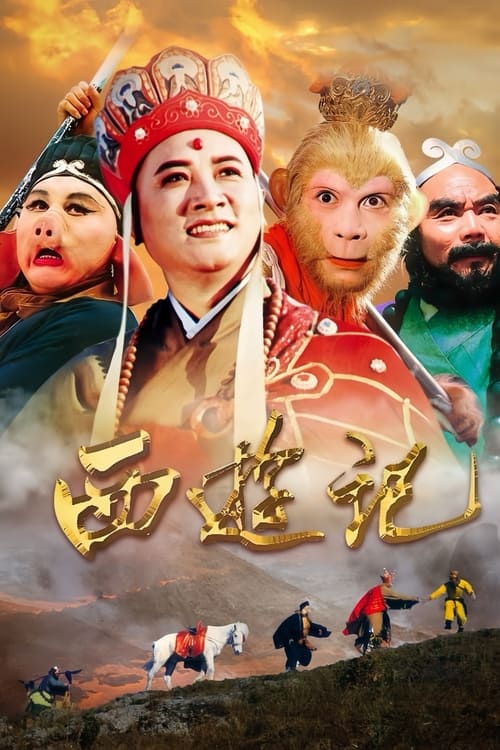
Journey to the West
8.4

Journey to the West is a Chinese television series adapted from the classical novel of the same title. The series was first broadcast on CCTV in China on 1 October 1986. The series became an instant classic in China and is still being praised as the best and most authentic interpretation of the novel. Unadapted portions of the original story were later covered in the second season, which was released in 1999.

Journey to the West

1986
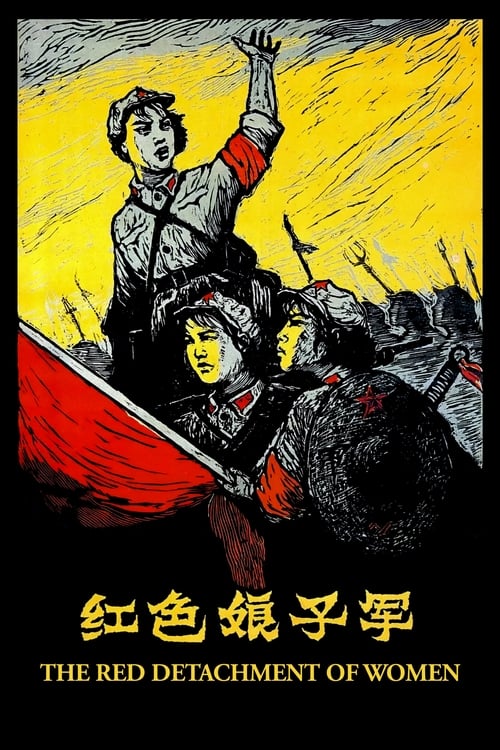
The Red Detachment of Women
6.6

Wu Qionghua, a house maid, is abused by a cruel warlord until she joins a troop of women soldiers.

The Red Detachment of Women

1961
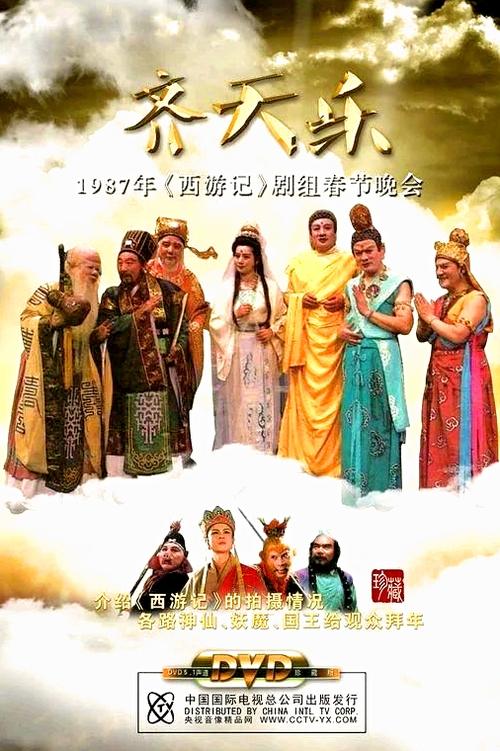
西游记齐天乐春节晚会
N/A

No description available.

西游记齐天乐春节晚会

1987
Jubilant Xiaoliang River
N/A

In a commune at the Xiaoliang river, two ideologies clash: how should the river be used?

Jubilant Xiaoliang River

1976
Long Live the Mistress!
7.5

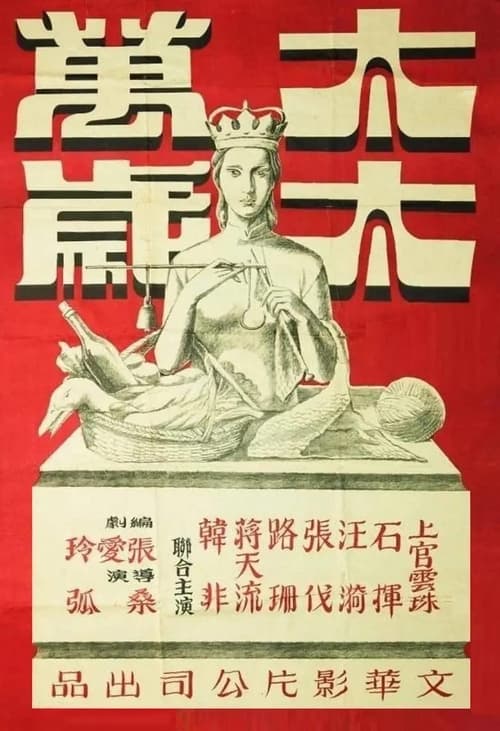
A man who becomes wealthy starts to have an affair and though his wife knows of it, she says nothing. Soon, the affair starts to have consequences and his business falls apart while the man’s sister starts to have a relationship with the brother of his wife.

Long Live the Mistress!

1947
Railroad Guerrilla
6.4

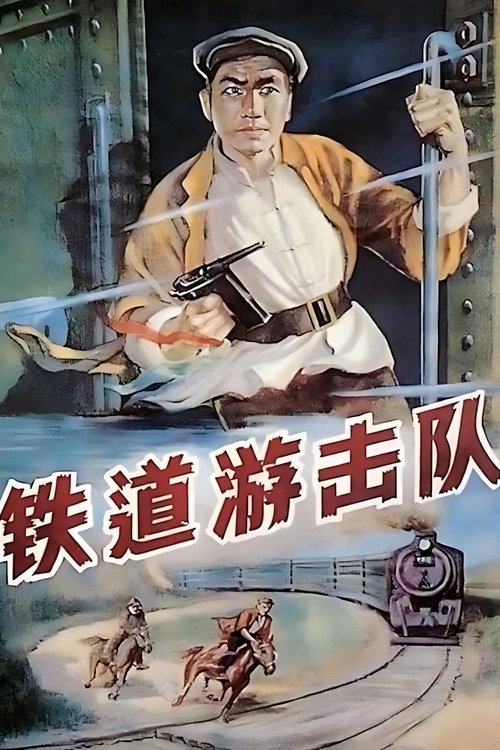
This movie is based on the true story, which happened in Shan-Dong Province of China during World War II. It is based on a collection of memoirs of the guerrilla members. Due to the fact that it happened during World War II and there was not much secrets, this movie is that it was more realistic than other movies in that many real names were used, and the actual site was not changed either like other war movies of the time. The drawback of the movie was that in the latter stage of World War II, the guerrilla force was developed into an impressive 400 plus members from its original beginning of 3, and it launched many major offensives against the enemy, but this part was not shown. The movie only concentrated on the time there were only several dozen members.

Railroad Guerrilla

1956
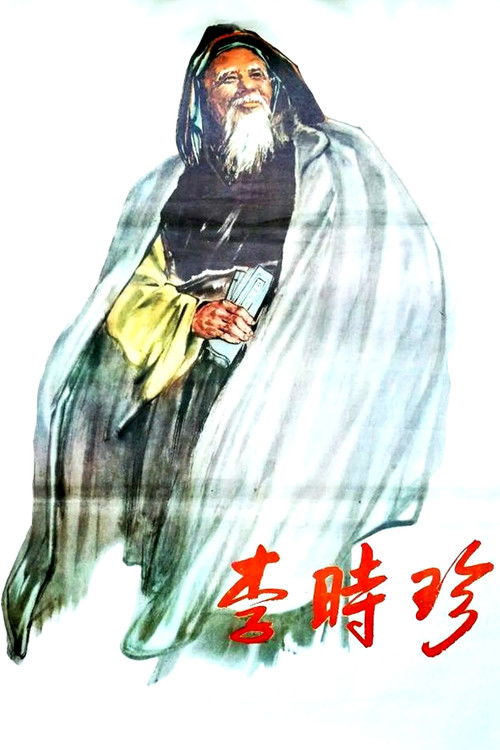
Li Shizhen
8.0

This biography film is based on the life of the real historical figure Li Shizhen.The story focuses on the social injustices suffered by Li as well as the difficulties he overcame in writing the famous Encyclopedia of Herbs.

Li Shizhen

1956
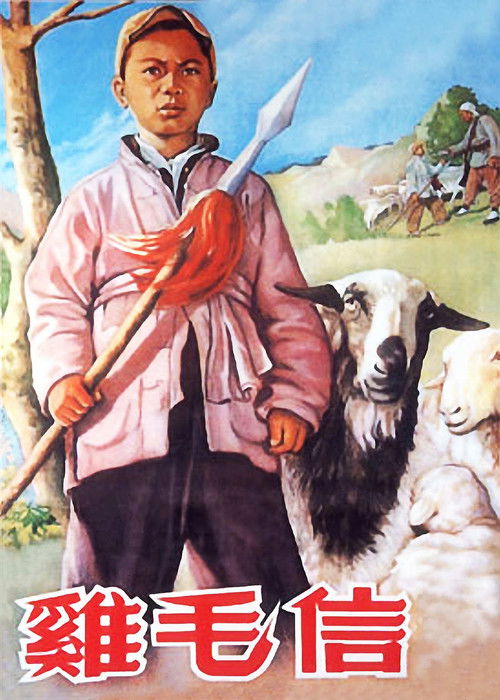
The Letter with Feathers
7.5

Twelve-year-old Hai Wa sends a secret letter containing Japanese military information to the Eight Route Army during the anti-Japanese war.

The Letter with Feathers

1954
What Is Love?
N/A

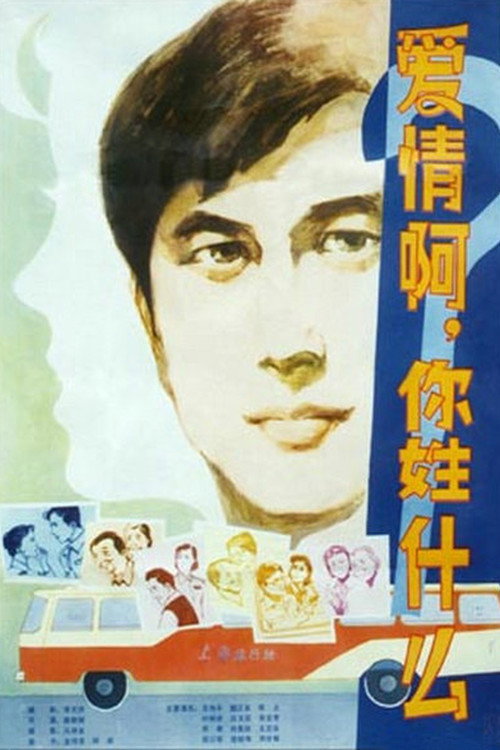
Set in the period just after ten years of chaos, several love stories associated with the tourists on a bus indicate more meanings of love.

What Is Love?

1980
Underground Route
N/A

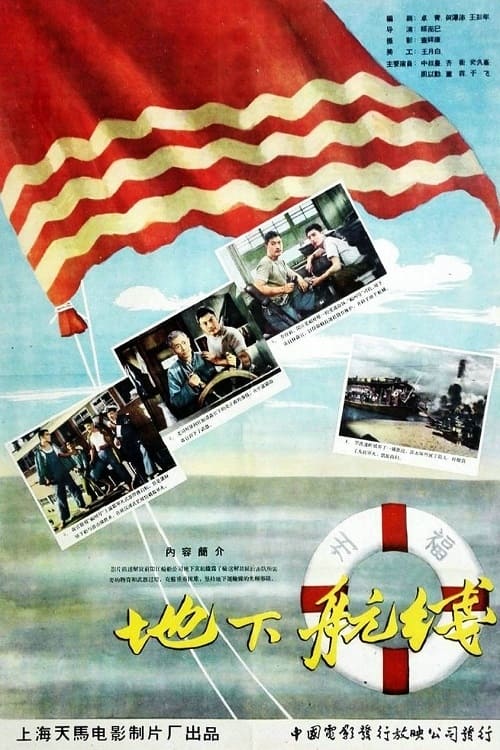
The Min River is crucial for Fujian Province’s economy. In 1947, Lin Sen Guan, a Communist Party member and driver of the “Fuzhou” steamship, smuggled weapons and radios to a guerrilla base with fellow party members. The enemy, led by transportation inspector Wang Xun, sent spy Li Boguang to monitor them. Lin Sen Guan tricked Li Boguang, but the spy later discovered the weapons. Lin Sen Guan pushed him into the water, witnessed by helmsman A Wang, who refused to reveal the truth despite enemy pressure. The underground party decided to transport remaining weapons to the guerrilla zone. The “Fuzhou” set sail, followed by enemy ships. Near Luohan Tan, a guerrilla team unloaded the weapons. The enemy opened fire, but A Wang steered the “Minh River” into an enemy vessel, causing mutual destruction. The weapons reached the guerrilla zone, and Lin Sen Guan continued their underground efforts.

Underground Route

1959
Romance of a Calligrapher
7.5

Love story of a young calligrapher and the daughter of a supreme government official in ancient China.

Romance of a Calligrapher

1982
Unforgettable Battle
N/A

In 1949, as the country celebrates liberation, KMT agents are ploting.

Unforgettable Battle

1975
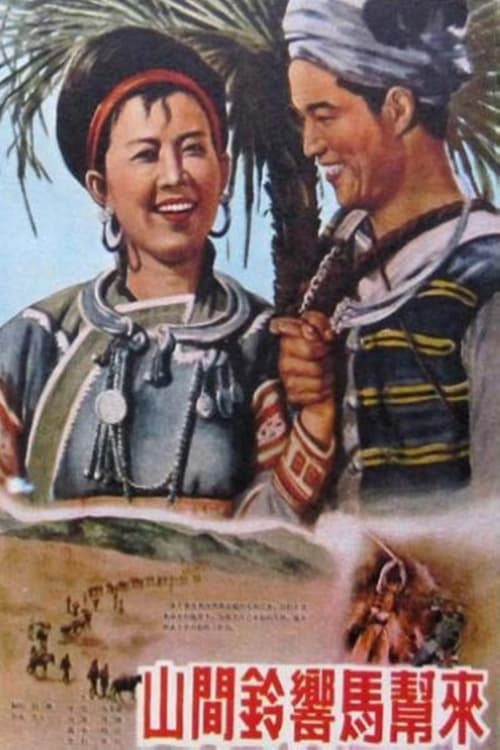
Caravans with Ring
6.0

The government sends caravans to Miao villages periodically to provide goods which facilitate the folks. A detachment protects the caravans from robbery.

Caravans with Ring

1954
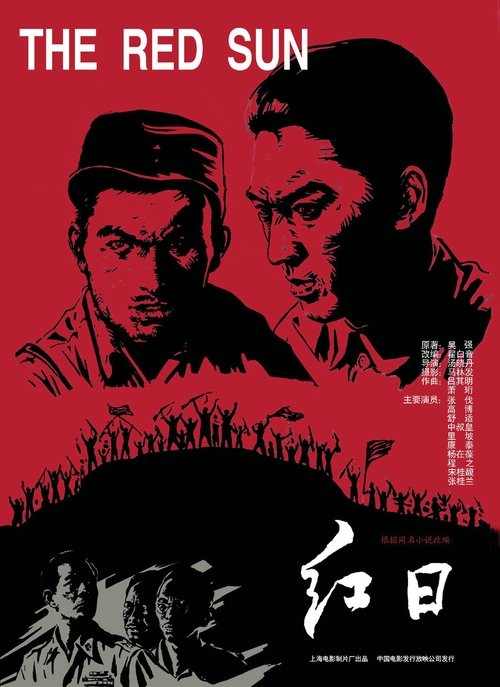
The Red Sun
N/A

No description available.

The Red Sun

1963
Night Inn
6.0

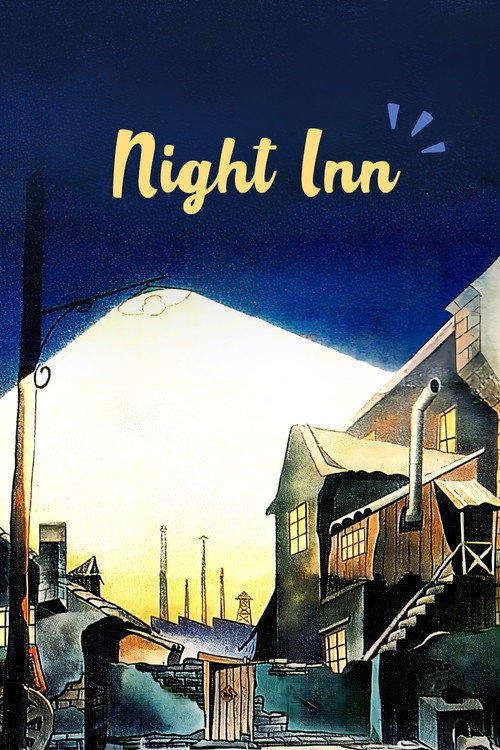
Night Inn (Chinese: 夜店; pinyin: Yè Diǎn) is a Chinese black-and-white film released in 1947, directed by Huang Zuolin and starring the popular Shanghai singer Zhou Xuan. The film is based on the Chinese theatrical adaptation of Maxim Gorky's The Lower Depths by playwright Ke Ling. The play and the film were both banned in China during the Cultural Revolution but were popular in the post-Mao period.

Night Inn

1947
Desert Chasing Bandits
N/A

A squad of PLA traces bandits in the desert.

Desert Chasing Bandits

1959
Troubled Laughter
6.9

During the Cultural Revolution a powerless newspaper writer struggles with his conscience at the pervasive dishonesty and immorality from the top on down. The ethical and professional conflicts eventually threaten both his work and family relationships,

Troubled Laughter

1979
Iron Bars and Blazing Fire
8.0

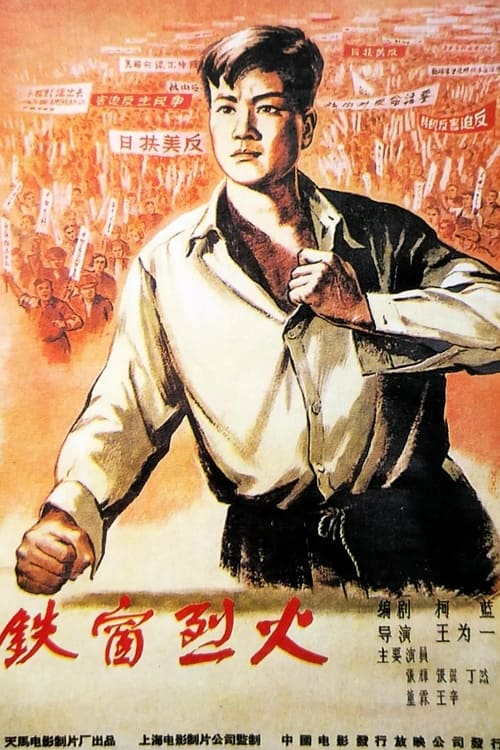
About the Chinese communists who fought boldly and selflessly against the Kuomintang.

Iron Bars and Blazing Fire

1958
Hasen and Jiamila
N/A

Hasan and Kamila, natives of Xinjiang, one of China's provinces, have loved each other for a long time. But many obstacles stand in the way of their happiness. The fact is that the son of a local wealthy man has decided to take Kamila as his wife against her will. It is difficult to fight such an all-powerful rival! And the heroes have to leave their native places and hide from their pursuers for a long time. Having joined the ranks of the People's Liberation Army, Hasan fights for lasting happiness not only for himself, but for his entire people.

Hasen and Jiamila

1955
Sorrows and Joys of a Middle-Aged Man
8.4

Chen Shaochang (Shi Hui), a primary school principal widowed at a young age, raises his children alone. His close friend's daughter, Liu Minhua (Zhu Jiachen), whom he hasn't seen for many years, begins working at the primary school through his introduction. Chen Shaochang's son, Jianzhong (Han Fei), and daughter-in-law, Feng Lijun (Li Huanqing), consider Chen's job undignified. After retiring, he is filled with melancholy, understood only by Minhua. Although their relationship deepens, they must contend with the ethical and social norms of Republican-era Shanghai.

Sorrows and Joys of a Middle-Aged Man

1949