Rolf Moebius
Acting
Biography
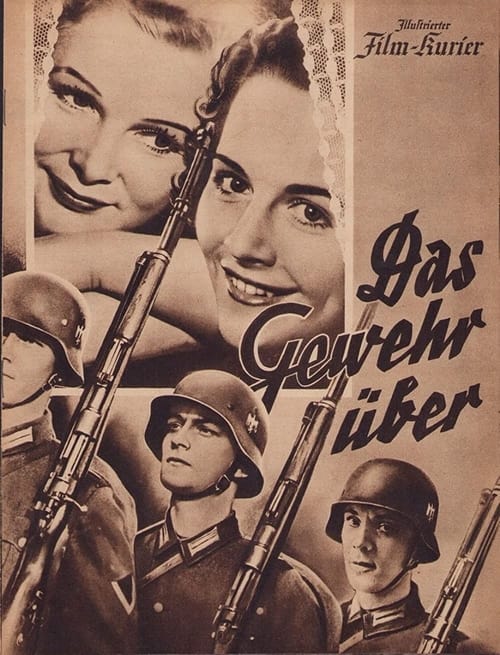
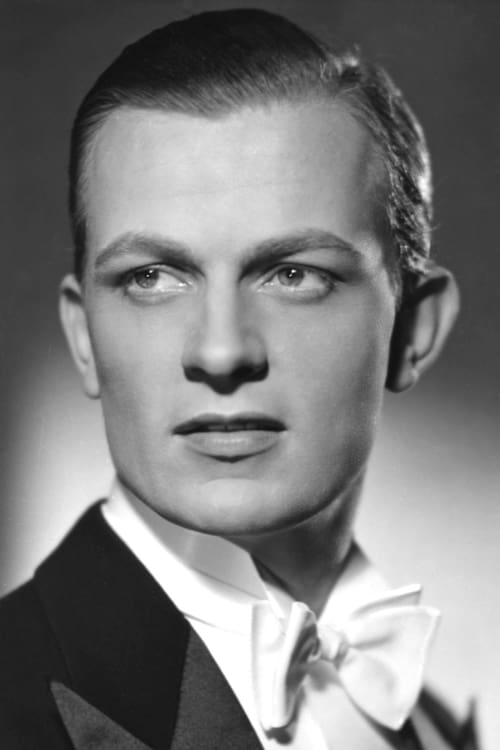
Rolf Moebius (27 July 1915 – 4 June 2004) was a German actor. He starred in the 1939 film Shoulder Arms. Source: Article "Rolf Moebius" from Wikipedia in English, licensed under CC-BY-SA.
Known For

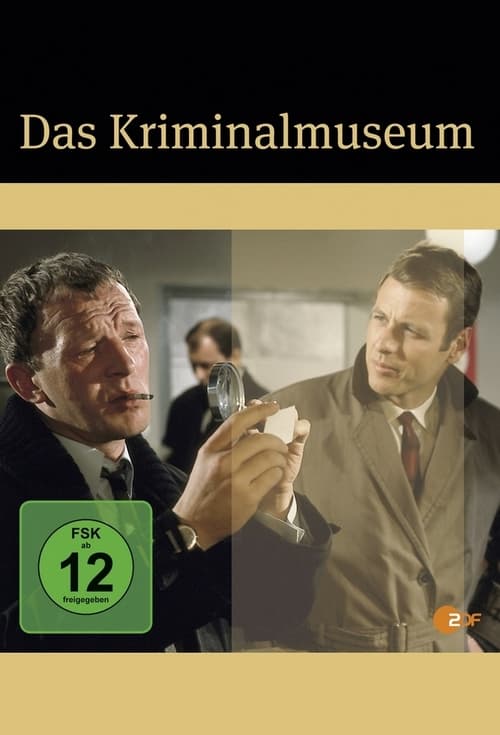
Das Kriminalmuseum was a German television series. It ran from 1963 to 1970 on ZDF and was one of its first programs. Each episode began with a tracking shot through an unspecified crime museum, stopping at one of the displays, whose story was then told. Each episode was between 60 and 75 minutes long and featured different actors as the criminal commissioner. The best known was Erik Ode, who in 1969 moved to Der Kommissar, appearing in 97 episodes. The theme music of the series was written by German composer Martin Böttcher, who also composed the complete scores for five episodes.
Das Kriminalmuseum

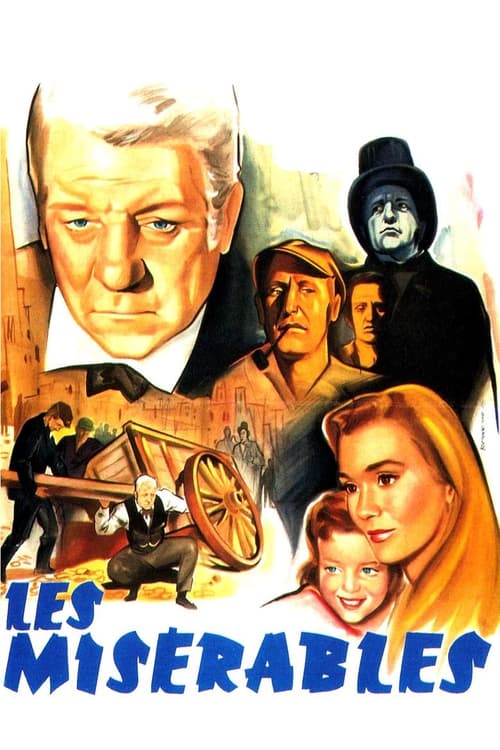
In 19th century France, Jean Valjean, a man imprisoned for stealing bread, must flee a relentless policeman named Javert. The pursuit consumes both men's lives, and soon Valjean finds himself in the midst of the student revolutions in France.
Les Misérables

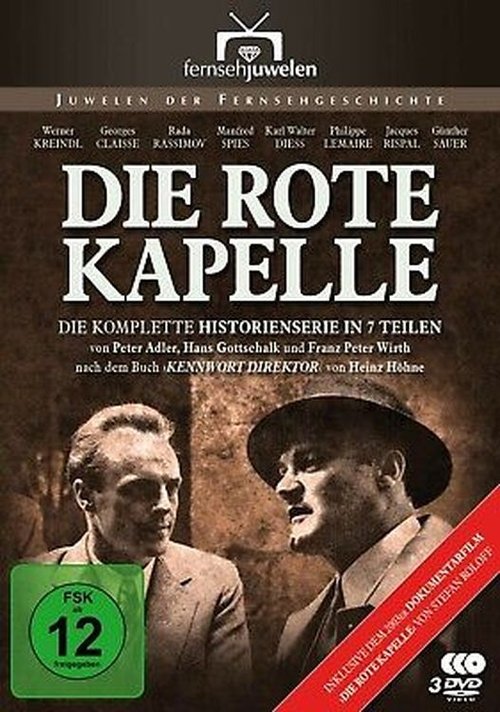
Shortly before the outbreak of World War II: Leopold Trepper, a colonel in the Red Army, travels to Belgium under a false name and sets up a spy ring there. Together with his employees Viktor Sukulow-Gurewitsch, Johann Wenzel, Hillel Katz and Michail Makarow, he succeeds in establishing a spy network throughout Belgium and France in a very short time. With the help of his cover companies - a chain of raincoat shops and later the import-export company Simexco ”- Trepper can collect information from the economy and the Wehrmacht, about Atlantic Wall construction sites and railway lines, and send it to Moscow. The agents also get help from patriots who want to free their countries from the occupation by the Germans.
The Red Chapel

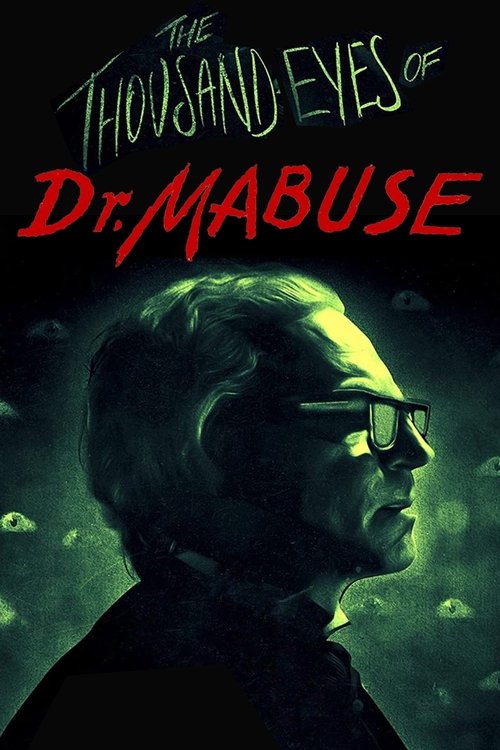
A reporter is murdered while driving to his job. The Police are contacted by a clairvoyant who saw the death in a vision, but some dark force is preventing him from seeing the man behind the crime...
The Thousand Eyes of Dr. Mabuse

Widower Paul always delayed talking to his daughter about sex. But when workers on a nearby construction site are falling down their scaffold because 16 years old "Herzblatt" is tanning naked, he feels he has to take action. In the hope she'll learn herself what consequences the difference between boys and girls has, he tries to get her a boyfriend.
Herzblatt oder wie sag' ich's meiner Tochter?

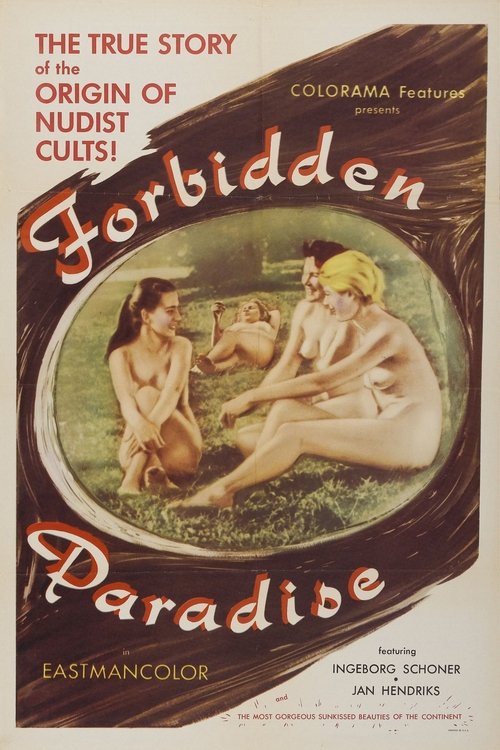
Combining documentary elements with a playful narrative, the film explores the evolution of bathing culture and social morals in Germany. Set in a summer resort where traditional values clash with more liberal attitudes, it humorously reflects on changing views of decency, freedom, and modern life.
Forbidden Paradise

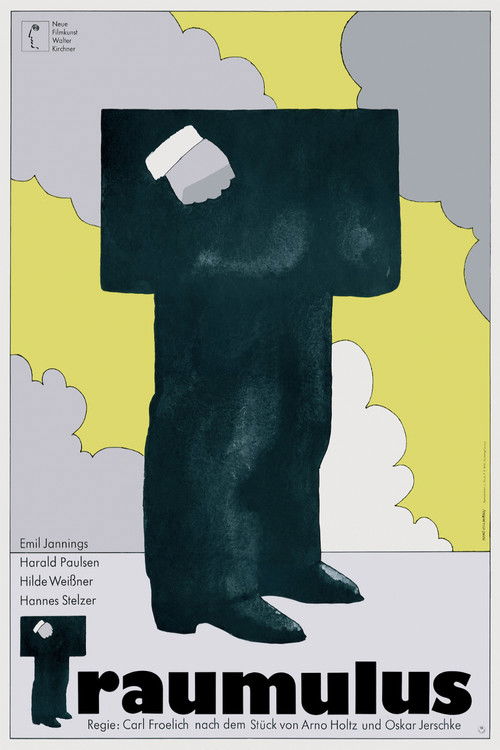
This film is a fascinating showcase for Emil Janning's theatrical play. He's a gentle school teacher who believes in his boys and is easily fooled about all things, while the other town officials want him dismissed. Curiously it's very hard to see what the film is exactly aiming for. Disaster strikes and the lax prof proves to be too far removed of the real problems of the world, on the other hand his enemies are shown in the most unsympathetic, satirical way denouncing the militaristic, bourgeois ideology of the Kaiserreich.
Traumulus

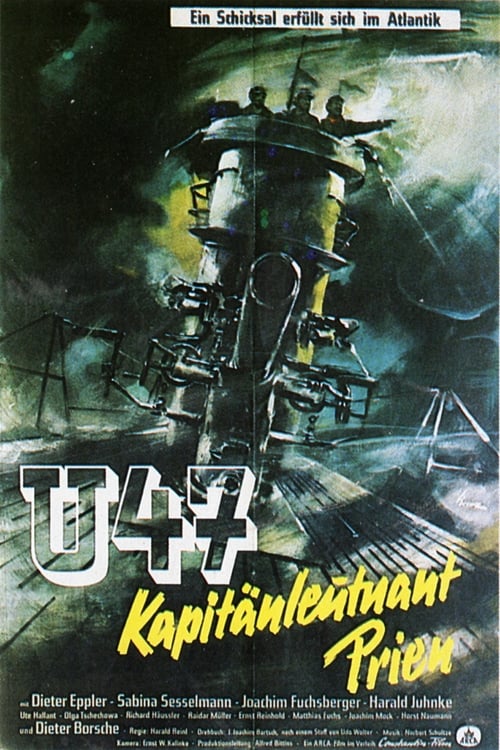
In 1939 German U-boat captain Günther Prien receives orders to infiltrate the British Royal Navy base at Scapa Flow and sink British warships.
U47 - Kapitänleutnant Prien

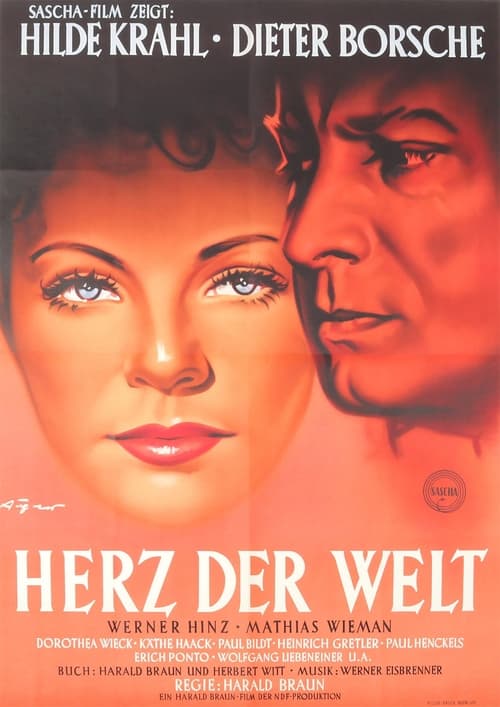
Directed by Harald Braun and told from the perspective of Bertha von Suttner, the first female to receive the Nobel Peace Prize, The Alfred Nobel Story - No Greater Love chronicles the life of scientist, inventor, and businessman Alfred Nobel. Nobel built a massive fortune throughout his life, and while much if it was amassed by his inventions--dynamite being perhaps the most notable--he was also revered for his discoveries within the fields of science and economics. Upon his death, Nobel decided that his fortune was simply too great to continue in the form of an inheritance or single charitable donation, opting instead to use the money as reward for the greatest contributors to physics, chemistry, medicine, literature, and, of course, peace.
No Greater Love

Berlin 1849: The democrat Adolf Glasbrenner, known as Brennglas, publishes the political satire magazine "Phosphor" on a shoestring budget. He plans to marry his lover, the actress Adele Peroni. But the plan comes to a standstill when Adele is to make a guest appearance at the reactionary Royal Prussian Playhouse. A democratic journalist marrying a court actress? Impossible! Together with his friend Pulecke, Brennglas tries to disrupt Adele's performance with a bachelor party...
Ein Polterabend

When the bank clerk Klaus Helwig is arrested on suspicion of embezzlement, his son Heintje, whose mother died at birth, comes to his grumpy grandfather's house. Heintje manages to win his heart and prove his father's innocence..
Heintje - Einmal wird die Sonne wieder scheinen

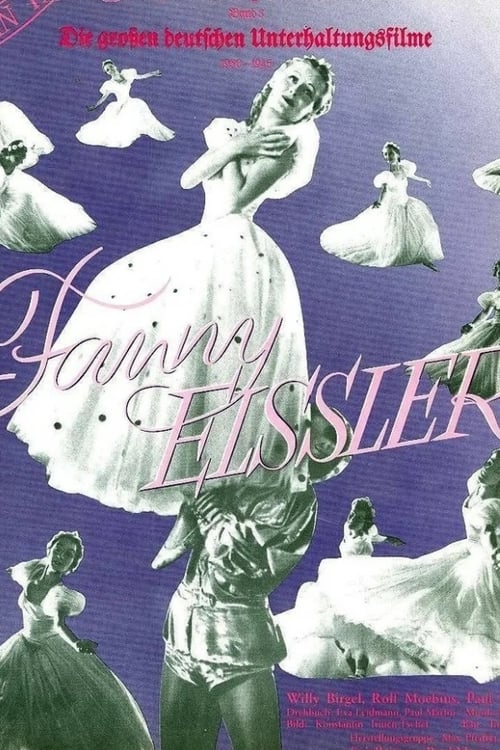
Prince Klemens von Metternich orders Friedrich Gentz, one of his aides, to keep the Duke of Reichstadt---Napoleon Francois Joseph Charles---son of Napoleon and heir to the French throne, from thinking about French politics. Gentz enlists the help of ballerina Fanny Elsser, all the rage in several European capitals, to keep the Duke distracted.
Fanny Elssler

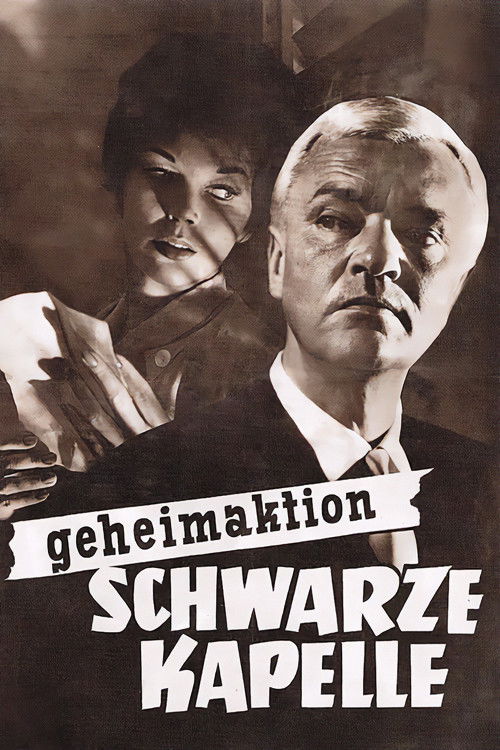
1933 in Germany. The rise of Nazism fears war and some officers, concerned the fate that hostilities would reserve to their country, organize an anti-Nazi group. They send a reporter, Golder, to communicate the plan of the German offensive allies.
The Black Chapel

In the 1920s, Swedish engineer and industrial magnate Ivar Kreuger was one of the richest and most powerful men in the world. At the height of his success, the match manufacturer owned 260 factories and was the boss of 75,000 employees. He juggled dizzying sums of money and could afford every luxury. Bankers from all over the world supported his businesses and entrusted him with their money. But then the global economic crisis hit.
Ivar Kreuger der Zündholzkönig

No description available.
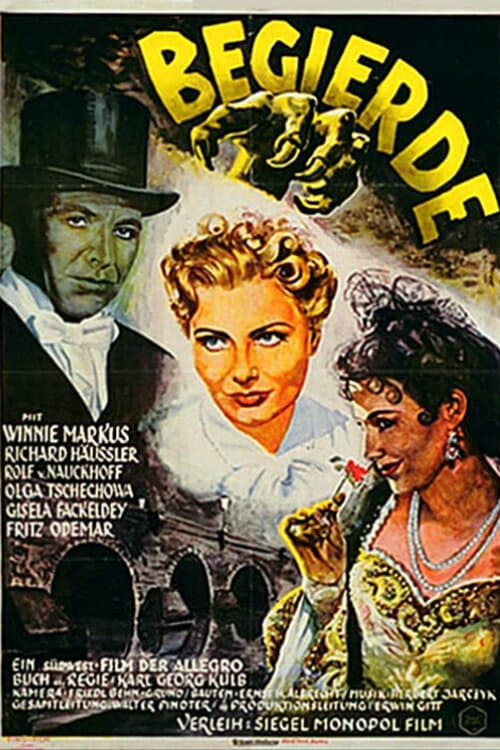
Desire

Germany, 1914: The bourgeois austerity of the small, northern German town in which Ulyssa lives conflicts sharply with her desire to flirt with and be ensnared by charming, young men. That she's married is irrelevant; it's a marriage which exists only on paper. Among all the men Ulyssa flirts with, there is one for which she has genuine affection: Stefen Marbach, an upright and sincere man, far superior to her other men. And, indeed, the two are honest with one another about their feelings, but the outbreak of the First World War separates them. Sometime later, Ulyssa finds out that not only her husband, but Stefan, too, has fallen in battle. The news of this disaster leads her to reconsider and eventually give in to the constant urgings of the Viennese merchant Reindl. Ulyssa joins Reindl in Vienna and lives a life of wealth and comfort, until one day, Stefan shows up.
Verspieltes Leben

No description available.
Das Gewehr über
No description available.
Der Kidnapper
No description available.
Die Abiturientin

No description available.