Hella Wuolijoki
Writing
Biography
Finnish writer.
Known For

After leaving her family's farm to study nursing in the city, a young woman finds herself on an unexpected path towards politics.
The Farmer's Daughter
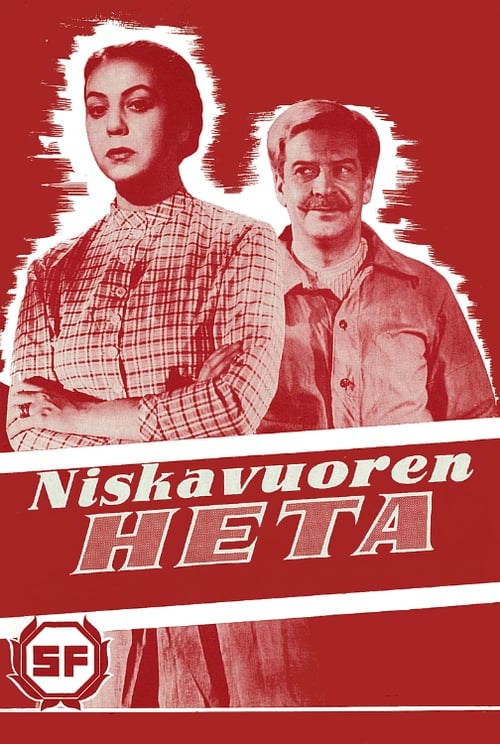
Heta, the strong-willed daughter of the Niskavuori family, who is pregnant, marries Akusti, a farmhand, and remains bitter toward Santeria, who broke her heart. Heta and Akusti begin their life together on the modest Muumäki farm, where they are assisted by their loyal maid Siipirikko.
Niskavuoren Heta
Young Swedish-American Katrin "Katie" Holstrom leaves her family farm in Minnesota, headed for nursing school. After her tuition money runs out, she is forced to take a job as a maid in the home of Congressman Glenn Morley. Holstrom endears herself to the genteel Morley, and begins to show a surprising aptitude for politics herself. She launches a campaign for Congress, and, as right-wing reactionaries plot against her, a romance develops.
The Farmer's Daughter
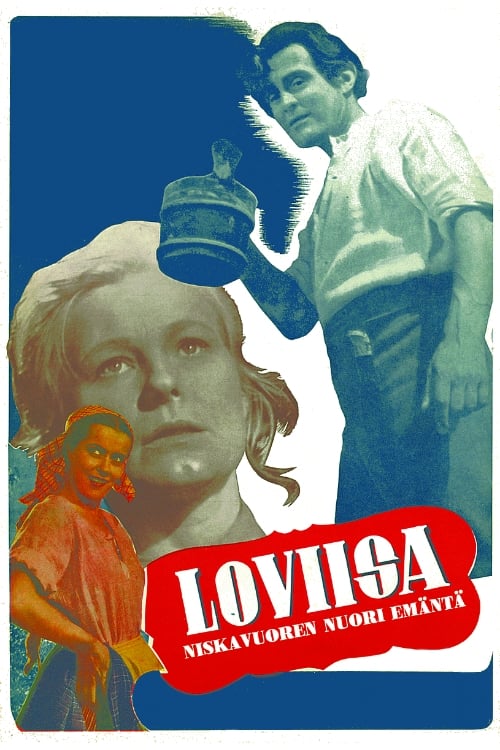
Strong women take care of the property while the men focus on chasing women.
Loviisa – Niskavuoren nuori emäntä
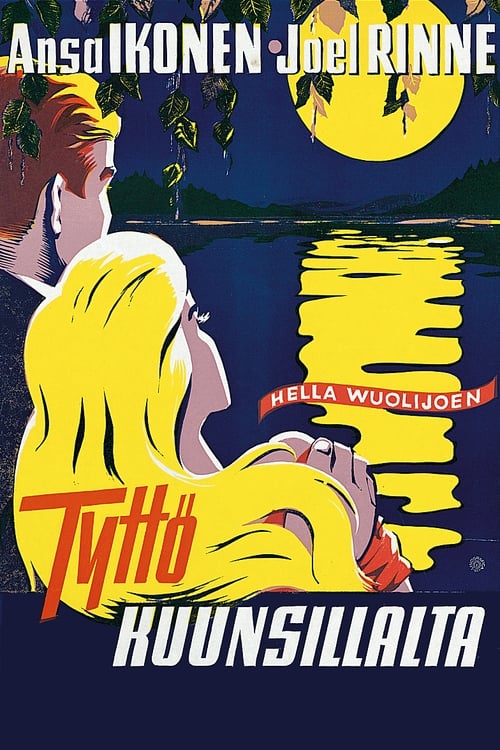
A widow and a husband tired of a loveless marriage rekindle the attraction they shared in their youth.
Tyttö kuunsillalta
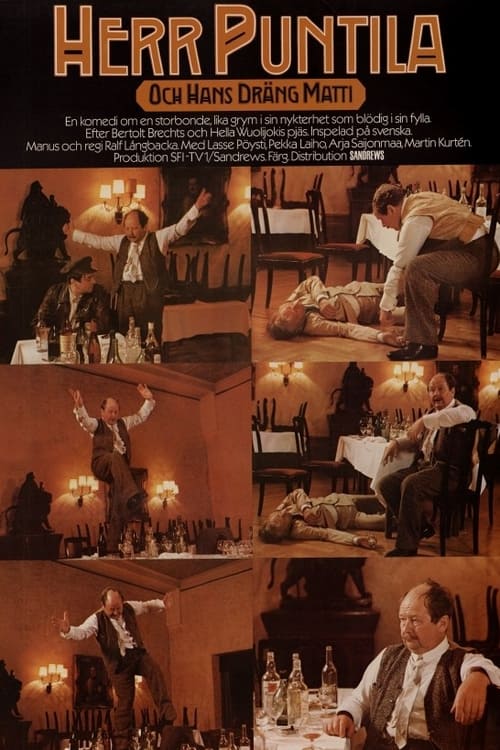
Based on the Bertolt Brecht play, the movie follows the farmer Puntila, who when he's sober is a real pig but whenever he gets drunk becomes very generous. Puntila is trying to get his daughter to get married, but the problem is that his drunk self wants her to marry another man than his sober personality wants.
Herr Puntila And His Servant Matti
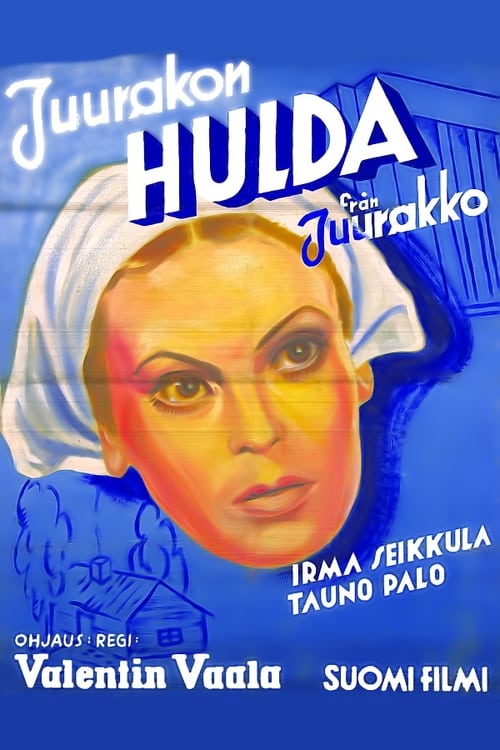
Poor but ambitious country girl Hulda arrives in the country's capital and gets a job as a maid for a bachelor Member of Parliament, Judge Soratie. She works hard, never loses her common sense, and starts taking evening classes. Keeping her studies secret from her employer for years, she eventually graduates from the university and becomes candidate in the parliamentary election, stressing women's and working people's rights. Romance with Judge Soratie finally ensues.
Juurakon Hulda
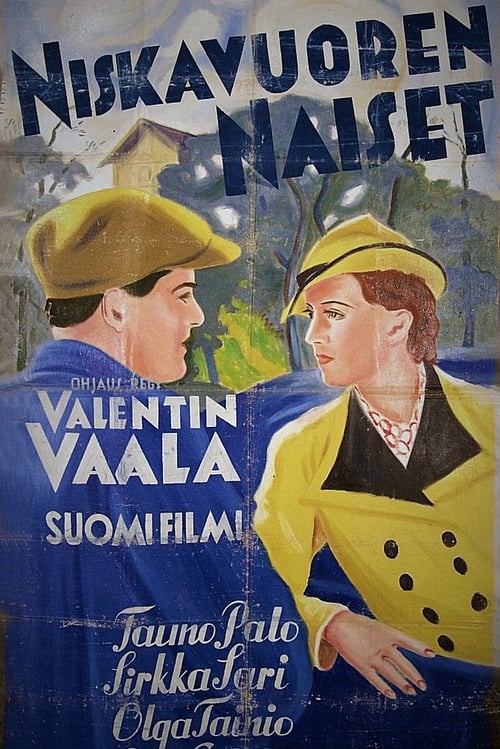
Aarne marries Martta because his mother tells him it is his duty as the eldest son to marry a wealthy girl. However, the attractive school teacher Ilona arrives in the village and causes complications when Aarne falls in love with her.
The Women of Niskavuori
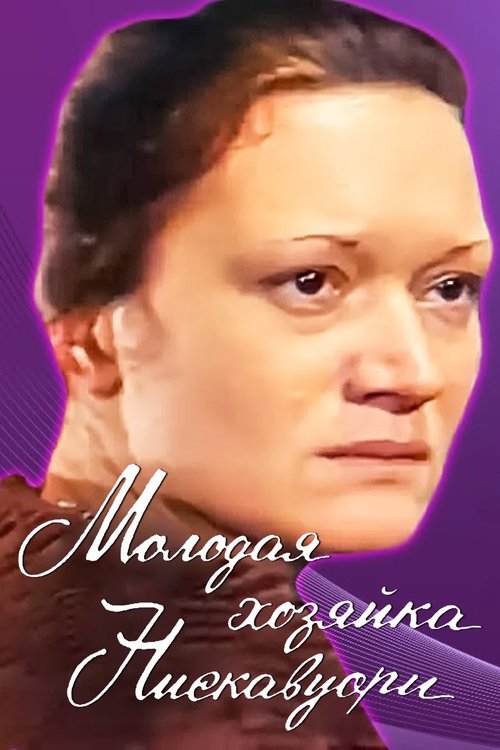
The most famous work of the remarkable classic of Finnish literature Hella Wuolijoki is the saga of the Niskavuori family, consisting of five plays. The first of them, *"The Young Mistress of Niskavuori"*, which reflects the Finnish national character, tells the story of love, changes in life, disappointments, and views on morality through the eyes of straightforward, stubborn people from the countryside who must adapt to new circumstances. The action takes place in 1880.
The Young Mistress of Niskavuori
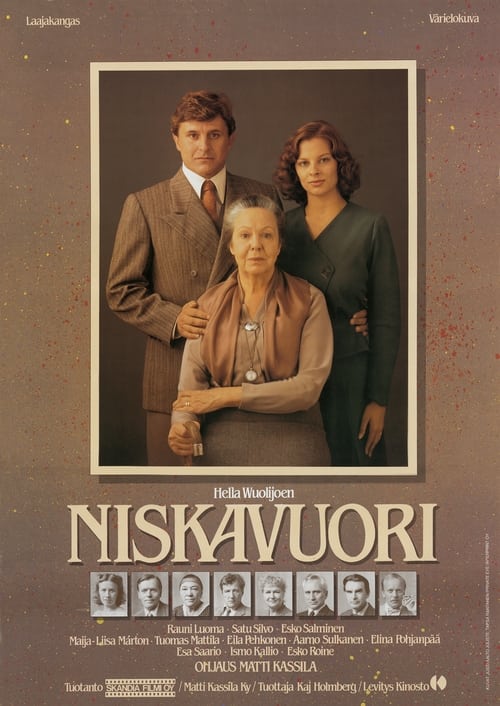
Ilona, a young teacher, arrives in a village in Tavastia. She and Aarne, the wealthy owner of the Niskavuori farm, who is frustrated with his marriage, fall in love. The relationship becomes a public secret. Aarne's wife Martta, who owns half of Niskavuori, wants to hold on to her husband until the last. For Loviisa, the matriarch of Niskavuori, the most important thing is the reputation and honor of the family.
Niskavuori
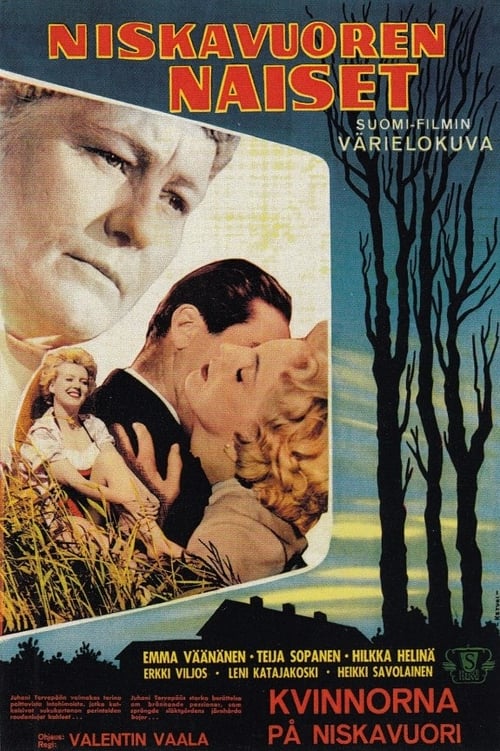
A story of the conflict between the old and new orders of living.
Niskavuoren naiset
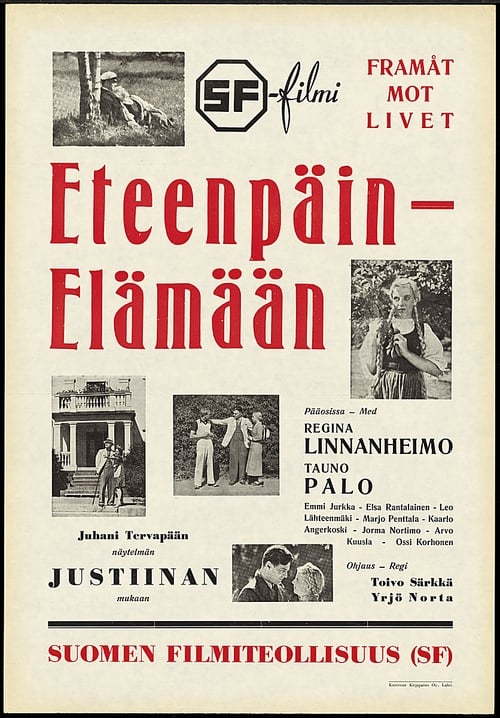
Senator Fredrik, who advocates a policy of appeasement, expels his nephew Robert, an activist and lover of Justiina, from his home. Decades later, the lovers meet again when Robert returns to claim his inheritance.
Eteenpäin – elämään
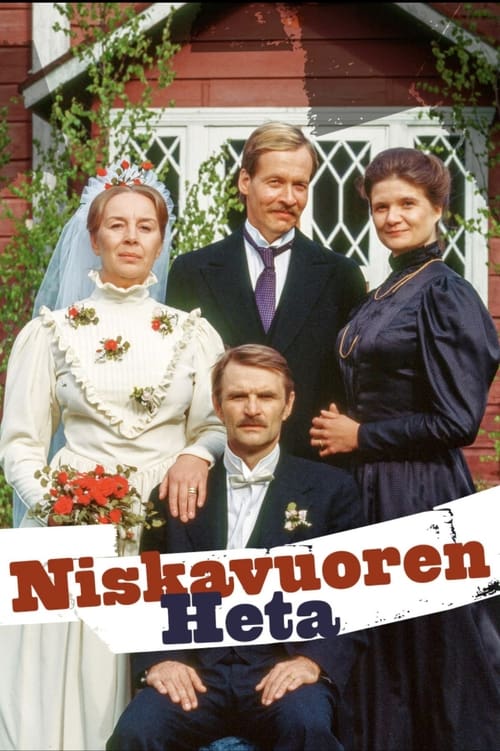
The second part of Hella Wuolijoki's family saga. Heta Niskavuori marries Akusti, a farmhand. Together, they build a magnificent house from a croft, and Akusti forges a distinguished career in society. To Heta, however, he will always be a farmhand.
Niskavuoren Heta
After many years away a woman returns to her hometown in Lapland with her husband. There she falls in love with a handsome forester.
Vihreä kulta
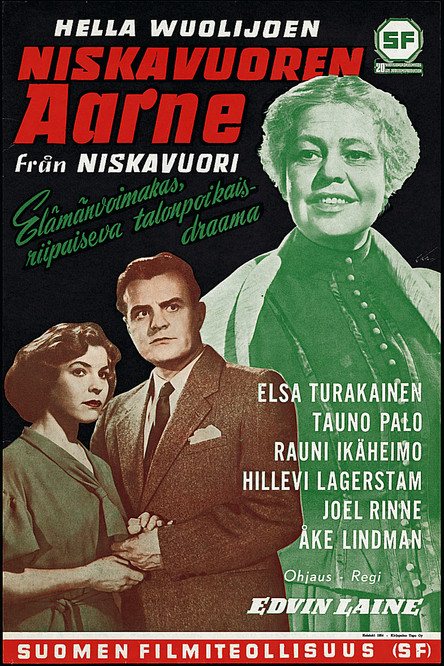
Niskavuori's Aarne (Arne från Niskavuori) is a Finnish drama film from 1954. It is based on Hella Wuolijoki's play Niskavuori's Bread. In chronological order of the Niskavuori series, the film is the fourth. Aarne has married Ilona and left the house in Niskavuori, which he hosts, where his former wife Martta still lives, while the old mistress is holding the reins. Aarne and Ilona live in Helsinki, but Aarne has not been able to completely break away from Niskavuori, but keeps secretly in touch with the headmaster and gives instructions on the farm management.
Niskavuoren Aarne
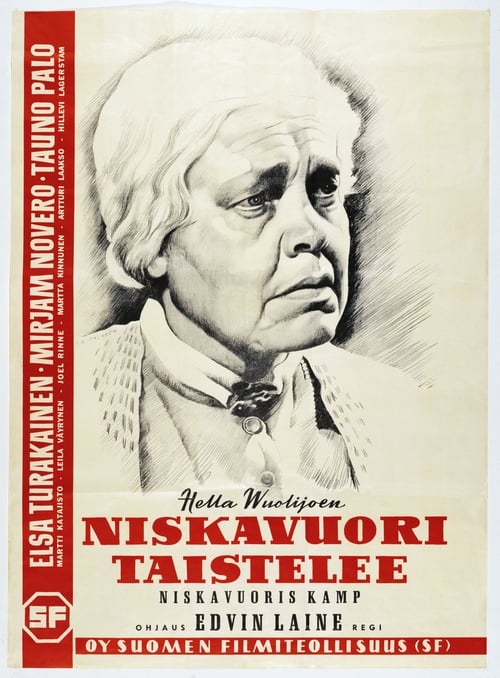
The last black-and-white film in the Niskavuori series of movies.
Niskavuori taistelee
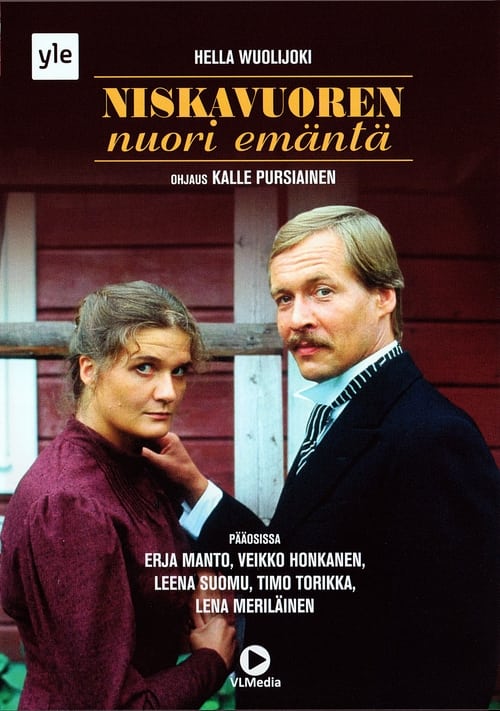
The first part of Hella Wuolijoki's family saga. Loviisa comes to Niskavuori as Juhani's young wife. She has to fight for her right to the house and her husband, but finds her own way of life and takes her place as the mistress of the house. Based on Hella Wuolijoki's play of the same name from 1940.
Niskavuoren nuori emäntä
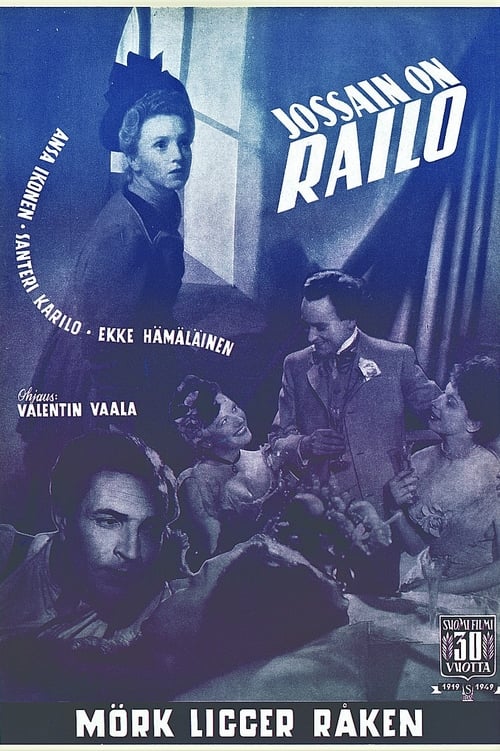
Helsinki judge Wilhelm Thorén arrives to investigate the financial mess at Niementaustan Manor. The estate of the declining Carenius noble family is on the verge of bankruptcy and should be put up for sale.
Jossain on railo
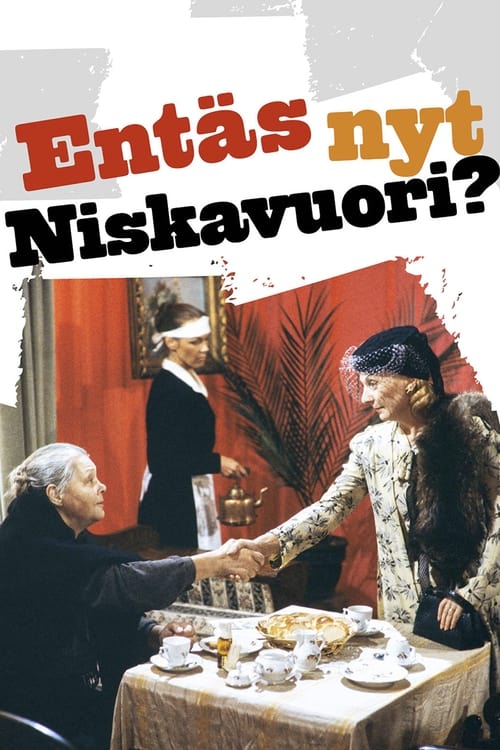
The final part of Hella Wuolijoki's family saga. After Aarne dies in the war, his sisters want to divide up the Niskavuori farm. The Karelians also want their share of the inheritance. However, Loviisa wants to leave behind an independent and viable farm. Based on a play by Hella Wuolijoki from 1953.
Entäs nyt, Niskavuori?
A successful doctor moves back to her home village and notices severe flaws in its health services.