Noor Mohammad Charlie
Acting
Known For
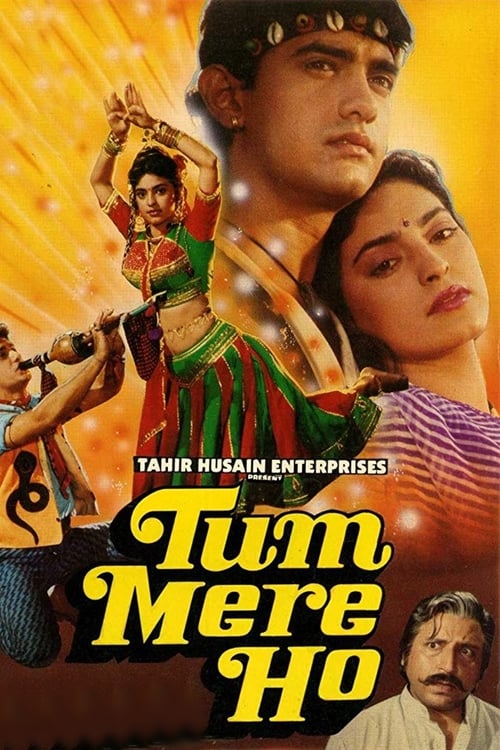
Shiva is blessed with magical powers of charming snakes. When he meets Paro from a nearby village, he falls head-over-heels in love with her. She is also attracted to him. But Paro's dad, Choudhry Charanjit Singh is not pleased with this match, and he hires men to subdue and kill Shiva, all in vain. Then Shiva attempts to rescue Paro from a shape-changing snake, and this earns him the wrath of his mate - another shape-changing snake, who will not rest until Shiva is dead. {this is not the actual story of the film}
Tum Mere Ho
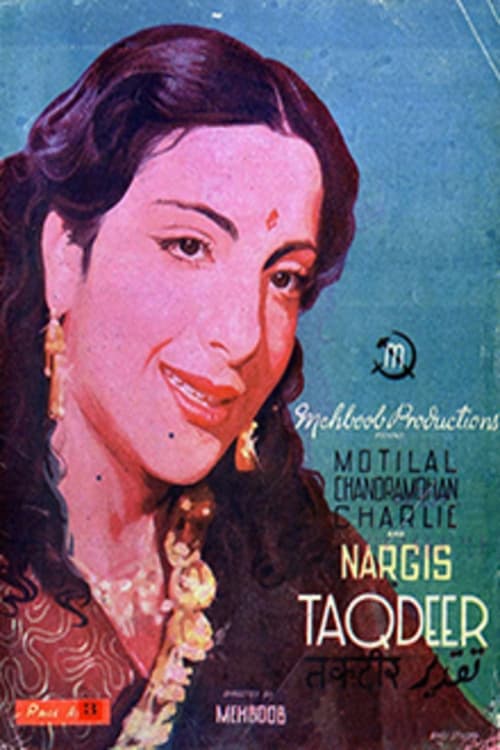
In between his more ambitious Najma (1943) and Humayun (1945), Mehboob made this lightweight comedy about Justice Gangaprasad (Chandramohan) and theatre-owner Seth Badriprasad (Charlie) who lose their daughter and son respectively in the Kumbh Mela.
Taqdeer

Film starring Om Prakash and Ragini
Dasi

An early Indian sound film, Zarina is a dramatic tale featuring Zubeida as a vibrant and passionate circus girl. The film explores a bold romance that reportedly pushed the boundaries of on-screen intimacy for its era, leading to early censorship debates.
Zarina

Raunaq (1944), directed by Dwarka Khosla, is a Hindi social drama set in 1940s Bombay. It stars Swaran Lata, Noor Mohammed Charlie, Chandra Mohan, Motilal, and Subarnalata .
Raunaq
No description available.
Mumtaz
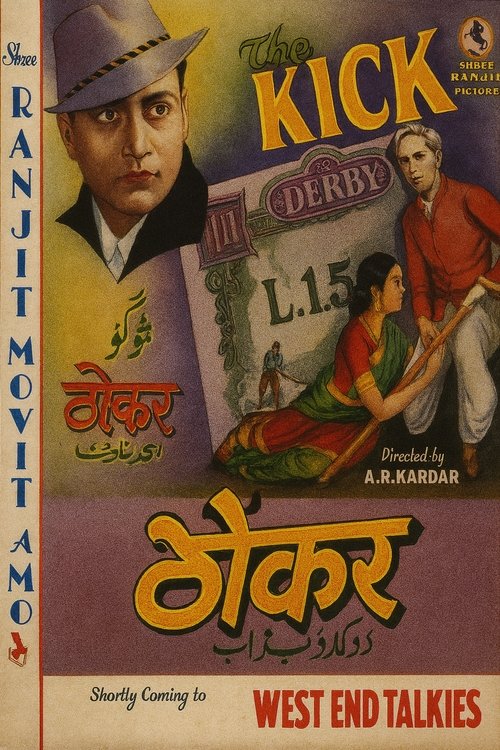
A cautionary tale about wealth not bringing happiness. The blind Mohan (Kumar) lives in a village with his ward Radha (Madhuri). He wins a fortune with a sweepstake ticket sold to him by the tramp Ramesh (Charlie), who claims his due and begins to take over Mohan’s life, making him move to the city and getting him married to Chinta, a prostitute. When Mohan’s eyesight is restored, he finds that his wife is having an affair with Ramesh. Mohan takes revenge and eventually lands up in his old village, a poor man, but with Radha still unchanged, waiting for him.
The Kick
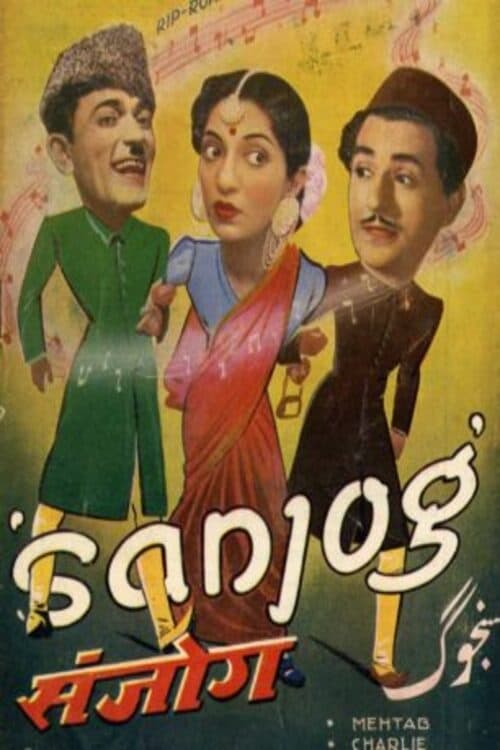
Deepak goes for an interview and mistaken as possible groom for Rajasaheb's daughter Bina. They fall in love but afraid of dire consequences Deepak runs away. They meet again and Rajasaheb get Bina married off to Deepak.
Sanjog

A psychiatrist spirals into madness after being tricked into marrying the wrong sister. When his obsession with her sibling grows, he uses his medical authority to turn her insane and imprison her within his own asylum.
Pagal
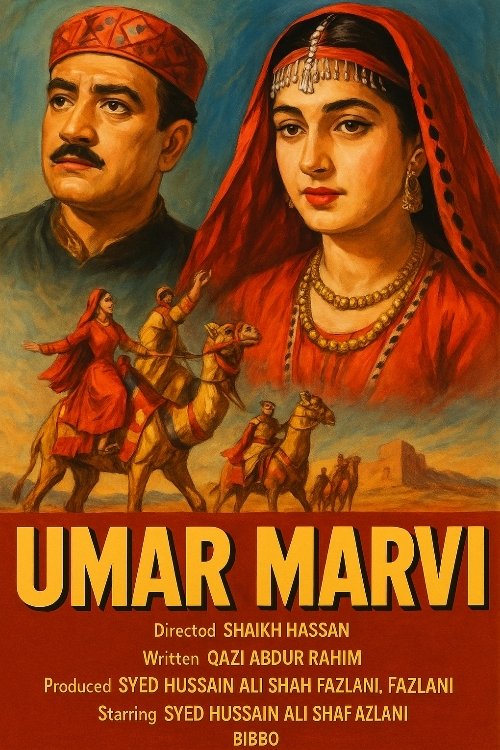
King of Umarkot, is looking for a bride but finds none to his liking. Phog mentions the unmatchable beauty of Marvi. Umar decides to check out Marvi for himself and immediately falls under her spell.
Umar Marvi
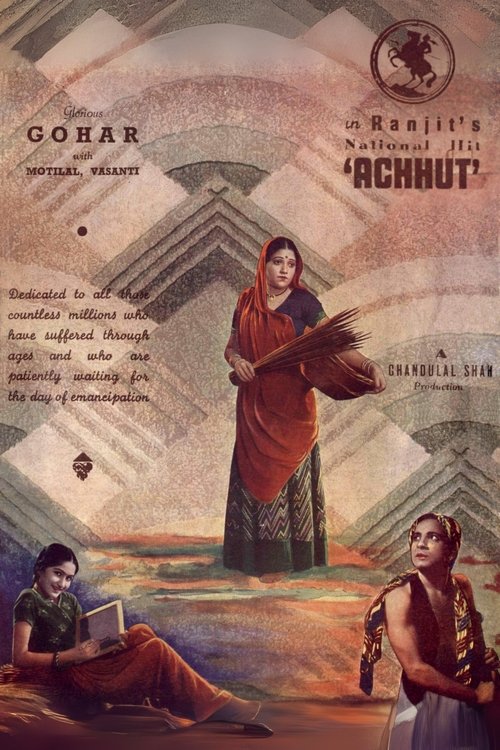
Laxmi, an "untouchable" woman fights for her community's rights against societal discrimination. She faces personal hardship and resistance from authorities, ultimately leading a movement for equality and temple access, while advocating for deeper societal change.
The Untouchable
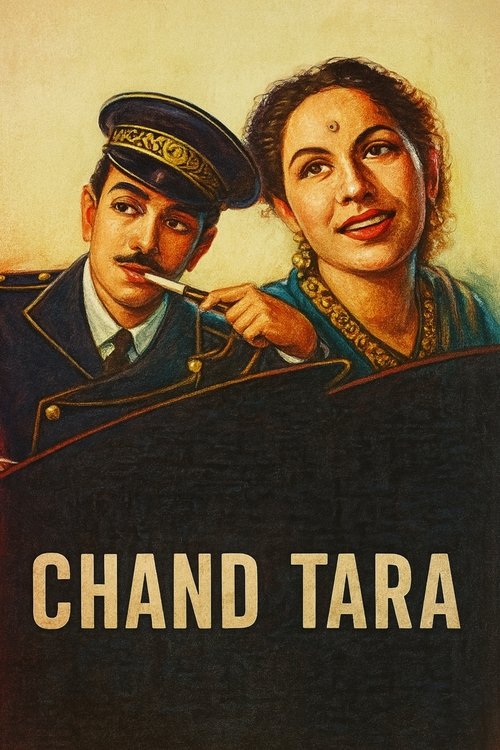
A farcical story about Raju, a village boy who comes to the city after failing college. He tries to make a new life for himself, encountering a generous chieftain and navigating a series of comical misadventures and schemes to impress people. The film satirizes common societal behaviors and urban life through its humorous plot.
Chand Tara
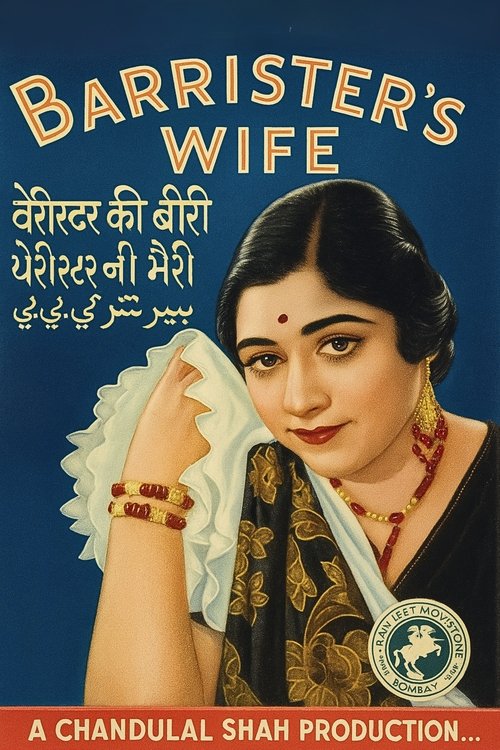
Lily and Vasant's suicide pact is thwarted, leading to Lily's forced marriage. She cares for an invalid Vasant, causing her husband to disown her and ban her from their daughter, Indu. Years later, their paths collide. Lily, now a servant, meets Vasant again, who is painting her lawyer daughter, Indu. Their renewed death pact leads to Vasant's death and Lily's arrest. In a dramatic trial, Indu defends Lily, facing her boyfriend (the prosecutor) and her father (the judge).
Barrister's Wife
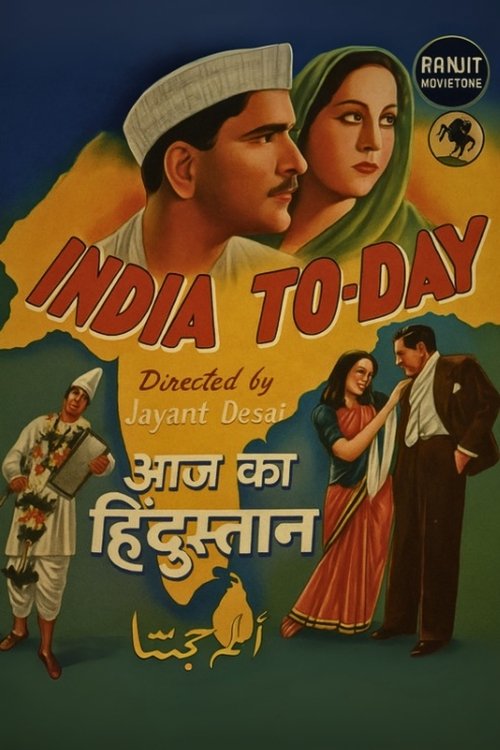
The story of two brothers, Dhiraj and Shashi, and their rivalry. The cunning Dhiraj mortgages their ancestral property, causing complications for his innocent brother Shashi and their family. The plot also explores the contrast between rural (Unmad village) and city life, as both brothers originate from Calcutta.
India Today

A prince, fresh from his foreign education, returns to find his kingdom plagued by intrigues and rigid traditions. Disillusioned, he decides to venture among the poor in search of genuine love and freedom. During his adventures, he meets a simple village maiden, and they fall in love, leading to a series of thrilling and comedic encounters. The film blends this underlying serious theme with a light-hearted, slapstick comedic approach.
Musafir

A jaded socialite, Vinakumari, and her lover, Dr. Rasik, discover purpose at a Gandhian ashram. Vinakumari dedicates herself to the poor as the ashram battles challenges from urban temptation to famine and greedy landlords. Dr. Rasik eventually joins the cause, bringing much-needed medical aid to the struggling community.
Desh Dasi
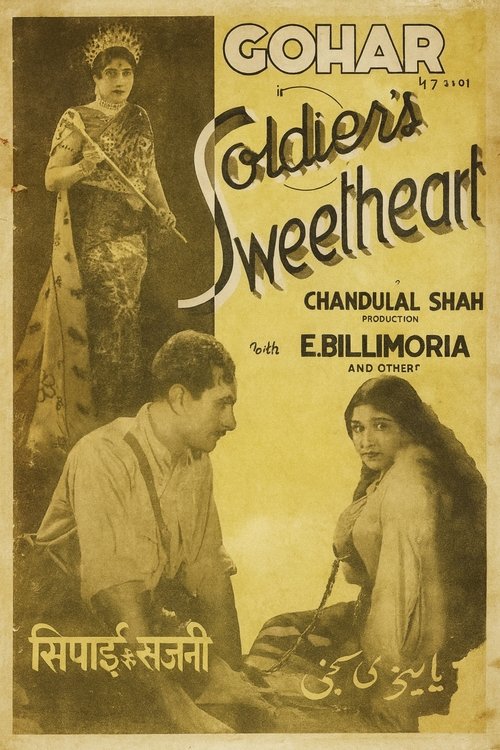
Gohar-centered adventure movie. She is the ruthless Princess Hansa determined to acquire a treasure map from rival King Sujansingh (Bawa). She daringly steals the map but the king's misogynist son, Dilipsingh (Bilimoria), manages to get it back. Together they are caught by the outlaw Vijay (Ishwarlal) who also wants the treasure. The film was replete with sword fights, tribal magic and a horse battle at the end when Sujansingh attacks his former friend Vijay to find his imprisoned son.
Sipahi Ki Sajni
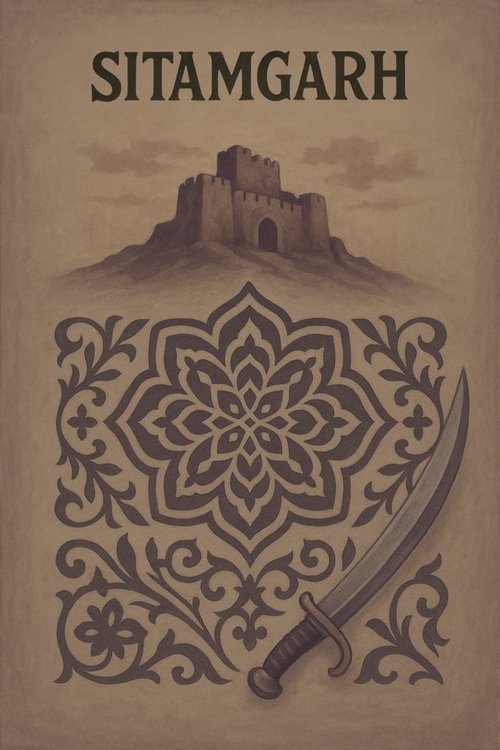
The tyrannical Jabbar attacks a village and kidnaps the son of the devout Sayyed, named Iqbal. Raised by his captor, Iqbal becomes a tyrannical commander in Jabbar's army, forcing people to accept Jabbar as their god. During a campaign, he meets a group of "true" religious believers led by Sadiq, his daughter Sadika, and Princess Hamida. Hamida falls in love with Iqbal, much to the dismay of her suitor, Shaddad. As the plot unfolds, Iqbal learns of his true ancestry and is faced with a profound choice.
Sitamgarh
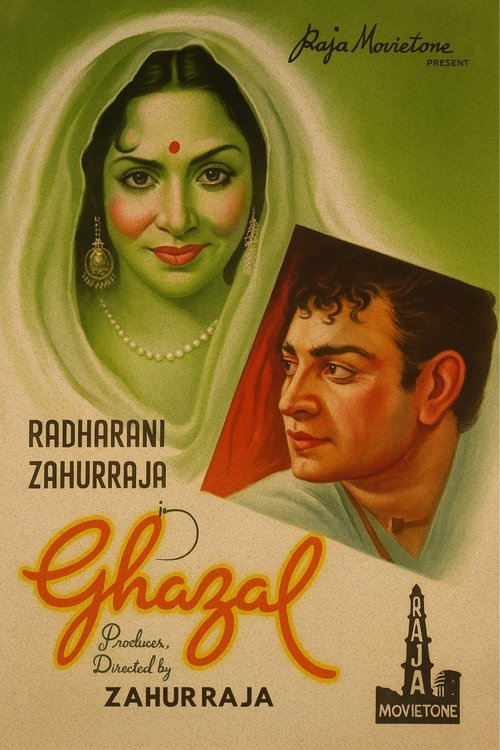
A poetic form associated with themes of love, longing, and separation
Ghazal
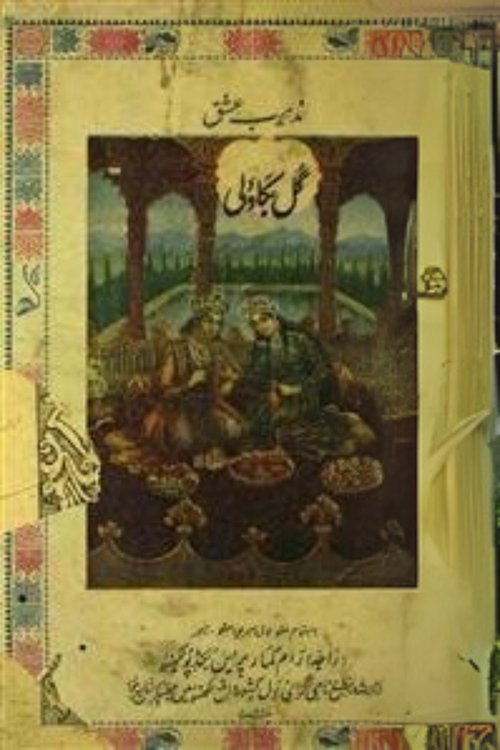
Based on a popular legend, this silent film tells the story of the fairy Bakavali and her divine flower, the Gul, which possesses healing powers. Taj-ul-Mulk, a prince from the East, seeks the flower to cure his blind father. The legend's origins are debated: one version traces it to a 19th-century translation of a Persian tale, while another points to a 16th-century narrative from Abely Sheikh. The story was a favorite on the Parsee stage, particularly the scenes where Taj-ul-Mulk battles his villainous brothers, who steal the flower. The tale also features Bakavali turning to stone and her eventual human rebirth.