Acting
No description available.
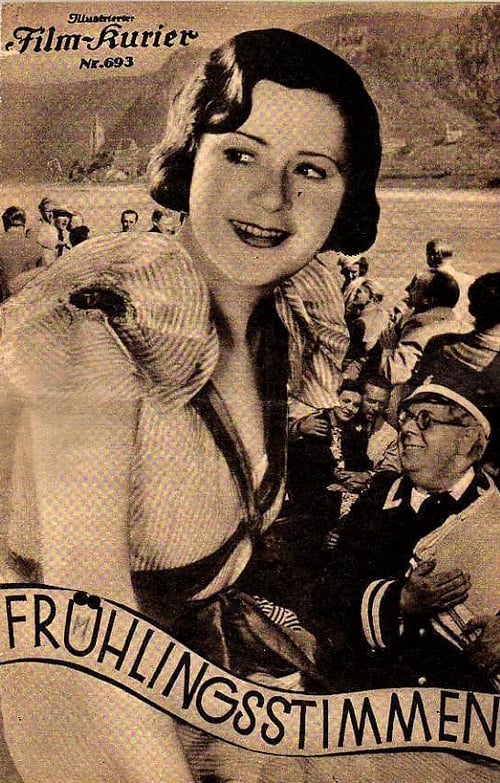
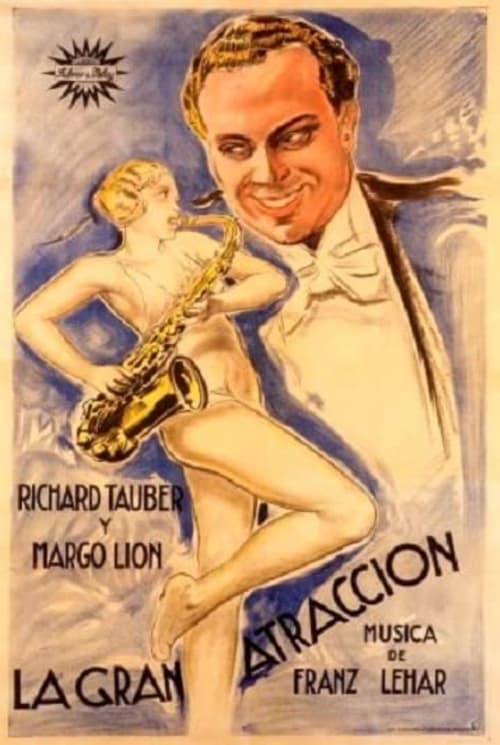
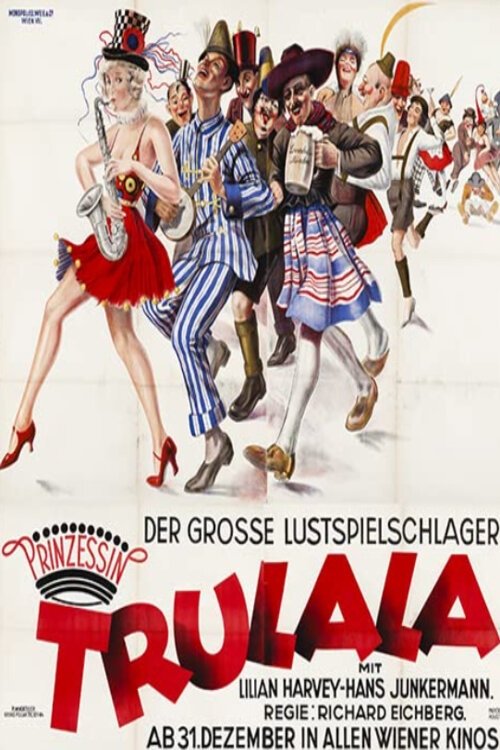
Riccardo and his troupe travel around the world performing musical and dance numbers in vaudevillian and circus theaters. Dancer Kitty is so impressed when she hears him sing that she asks to enter the company, but is turned down by Riccardo. Then in the middle of a number at the Winter Garten she pops in and the audience loves it. Now she will try to win Riccardo's heart, although he has a secret from his past that might be an obstacle.
Rural comedy about a farmer's fiancée who becomes distracted by a handsome young officer staying with them in 1910s Germany.
An exploration of the misery of youth. A student, his friends, and the girl he loves all suffer due to the harsh and unforgiving nature of the adults in their lives.
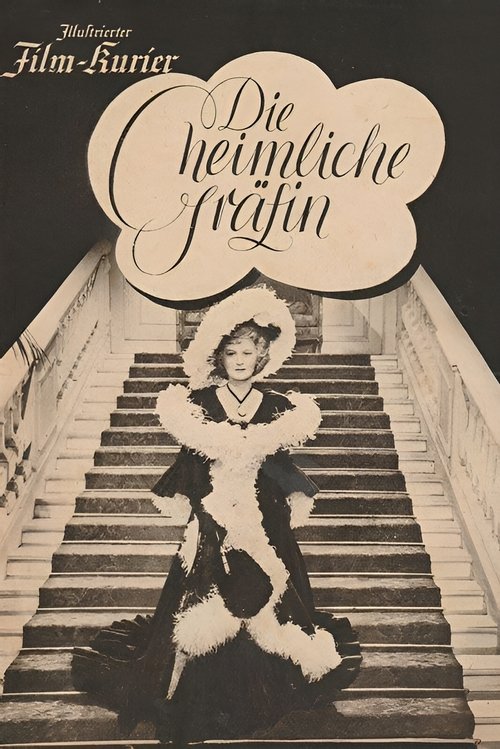
A comedy of confusion in aristocratic Vienna at the turn of the 19th into the 20th Century: The young Bohemian Countess Antschi Dorival trades places with her friend Martina, because she wants to become an actress and applies as such at the city theatre under a false name. And so, Martina attends the Vienna Opera Ball, posing as the countess. Because of their striking similarity to one another, Martina is confused with the impostor Sonja Lubomirska, who shortly before stole a necklace belonging to the wife of Archduke Johann Sylvester.
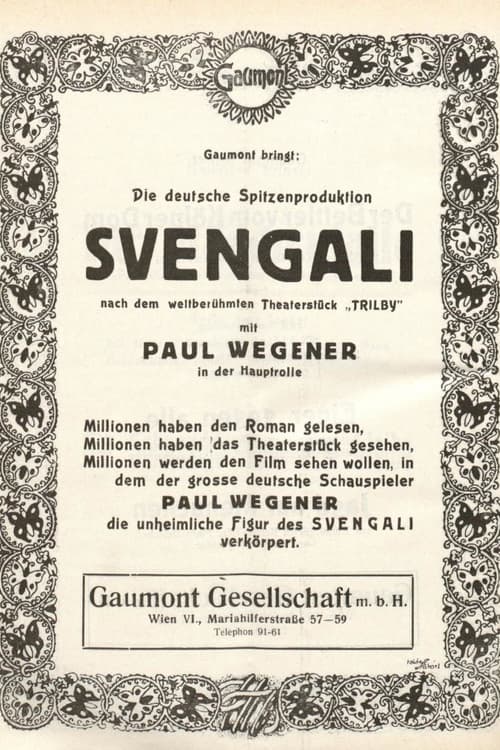
The hypnotist Svengali makes an artist's model sing, but cannot force her love.
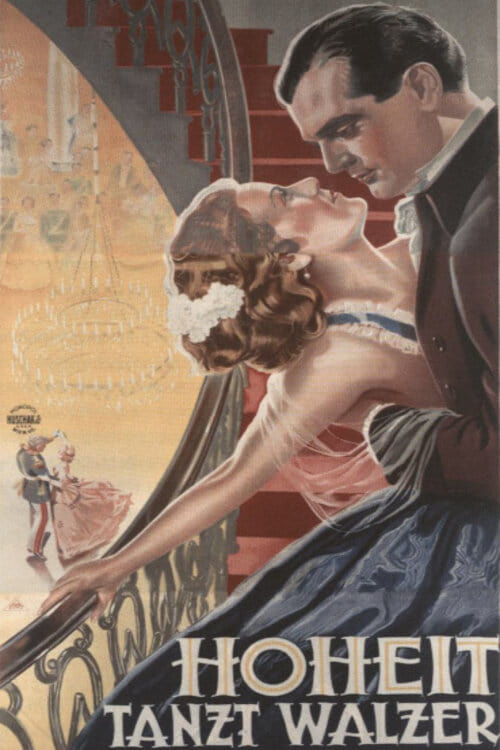
The young musician and composer Josef lives with Beethoven's music copyist in Grinzing. In the evenings, he plays for dances in the Prater, often his own melodies, although he doesn't make much effort to spread them, as they're almost all waltzes, a dance not well-regarded in high society because they're too sweaty. When one evening a lively princess—fresh from the convent—mingles incognito with the Prater crowd and falls in love with the dashing conductor Josef, an entire cultural system of values begins to crumble.
A man who thinks he killed a millionaire is cared for by a Cockney girl and becomes a composer.
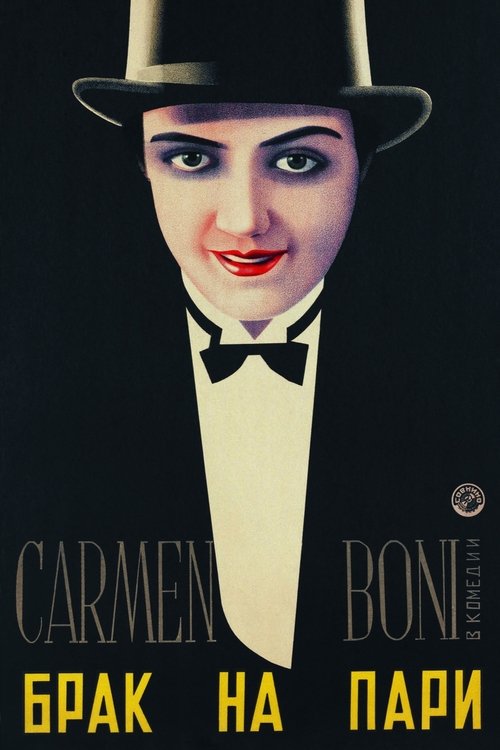
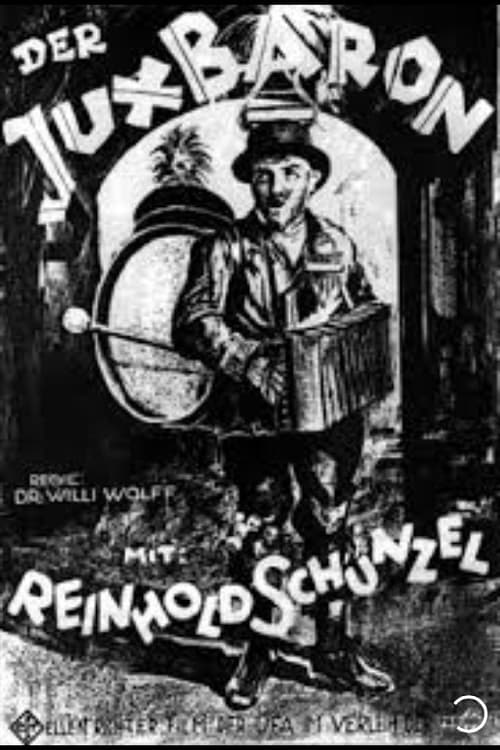
The film follows the comic (mis)adventures of a poor street musician, who is roped into posing as an eccentric nobleman. He and his antics are rapturously received by the members of a bourgeois family desperate to mingle with the aristocracy. The daughter of the family takes a fancy to the baron (in reality, merely a “joke baron”), assuming him to be immensely wealthy.
The already successful tenor Mattei is discovered after he already retired into private life. Der Wiener Staatsoper place a significant part in this musical comedy drama.
Es zogen drei Burschen (1928) is a German silent comedy film directed by Carl Wilhelm. Also known by its alternative German title Drei Seelen und ein Gedanke, the movie is a lighthearted farce famously featuring an early-career performance by the legendary actor Hans Albers.