Acting
Mujeres engañadas is a Mexican telenovela that was produced by Televisa and broadcast on El Canal de las Estrellas from October 25, 1999, to April 7, 2000. Produced by Emilio Larrosa, the novela stars Laura León and Andrés García as well as an ensemble cast and tells the story of four couples who live in the same apartment building.
The story of four girls: Elena Olivares, Isabel Flores, Leticia Hernández and Monica Sánchez Zuñiga. The villain is Federico Cantú, a psycho killer who will stop at nothing until he gets Guillermo's fortune.
The story revolves around four beautiful 21-year-old girls who come from different social strata. The first of them, Laura, is a middle-class girl, serious, sensitive and studious, who can study computer science at a private university because she won a scholarship. There he meets Jimena de la O, daughter of a millionaire businessman. At first, there will be a lot of friction between the two, but little by little a strong bond of friendship will form between them. Jimena is the typical rich, dissipated and irresponsible girl, for whom promiscuity, alcohol and drugs have marked her life since her mother died.
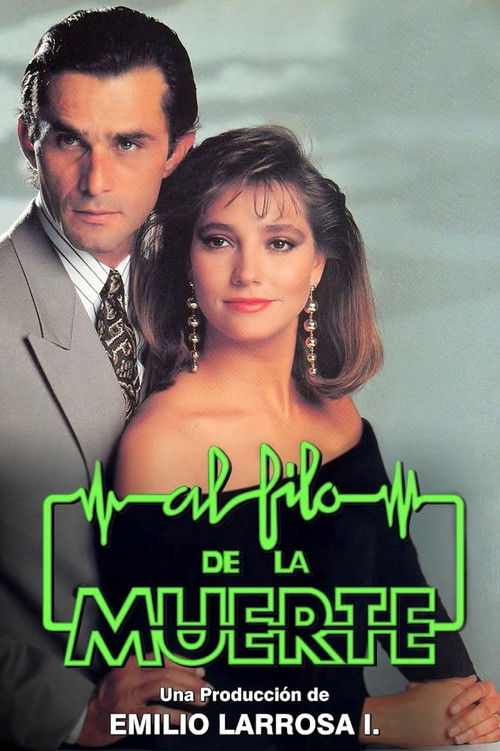
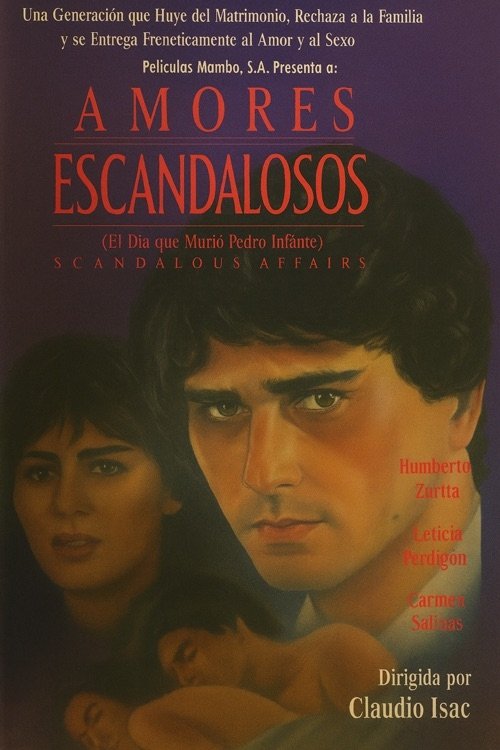
Al filo de la muerte is a Mexican telenovela produced by Emilio Larrosa for Televisa and originally broadcast on Canal de las Estrellas from June 17, 1991, to February 21, 1992. Created by Fernanda Villeli and Marcia Yance, the telenovela stars Humberto Zurita and Gabriela Rivero. The story follows Tracy López, a young nurse living in Los Angeles whose life is turned upside down after she witnesses her boyfriend commit a murder. Placed in the Witness Protection Program under the new identity of Mariela Foret, she flees to Mexico City, where she begins working at a prestigious hospital. There she meets cardiologist Francisco Riquer, and despite their difficult first encounters, they fall in love while facing danger, revenge, and the lingering threat of Tracy's criminal past.
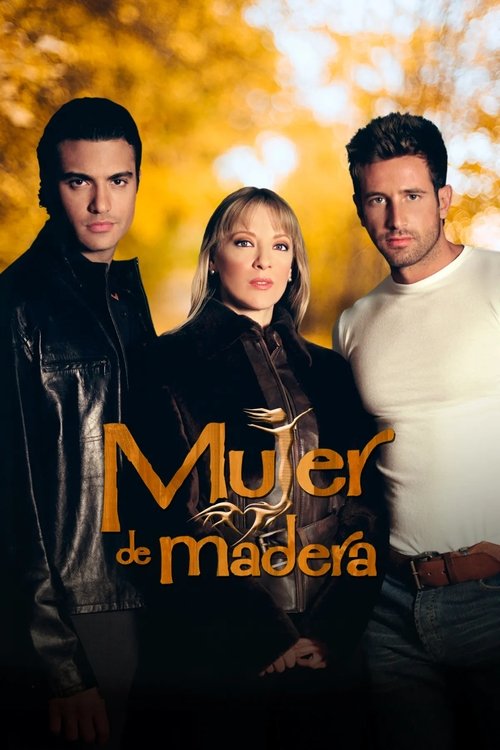
Mujer de Madera is a Mexican telenovela produced by Televisa in 2004. One unusual feature of this telenovela is that the main character is played by different actresses before and after her stay in hospital due to a forest fire.
Yo no creo en los hombres (I don't trust men anymore) is a Mexican telenovela produced by Giselle González for Televisa. It is based on Yo no creo en los hombres (1991), produced in México.
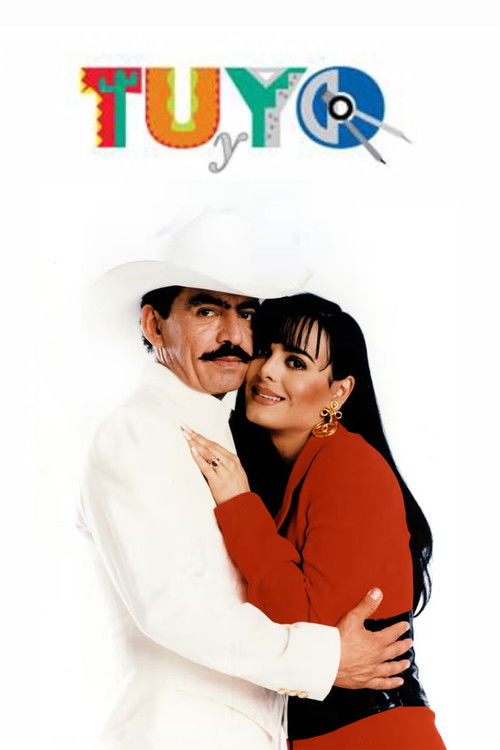
Tú y yo is a Mexican telenovela created and produced by Emilio Larrosa for Televisa and originally broadcast on Canal de las Estrellas from September 4, 1996, to March 20, 1997. Written by Alejandro Pohlenz, with story development by Verónica Suárez, the telenovela stars Maribel Guardia and Joan Sebastian. The story follows Estela Díaz-Infante and Tomás Santillana, whose romance blossoms despite the many conflicts surrounding the wealthy Santillana family. As they struggle to build a life together, they face jealousy, betrayal, family rivalries, and the schemes of those determined to keep them apart, testing the strength of their love and loyalty.
La Verdad Oculta is a Mexican telenovela, fusion and remake of two telenovelas, one of which is El Camino Secreto; the other is Al Final del Arco Iris, a novela produced by Ernesto Alonso in 1982, written by María Zarattini and José Rendón. Probably because the telenovela is a fusion, there are two sets of protagonists: The actors playing the protagonists of La Verdad Oculta are Galilea Montijo, Gabriel Soto, Alejandra Barros and Eduardo Yáñez, and one of the antagonists is played by Julio Alemán. The telenovela was under the production of Emilio Larrosa. Mexico's Canal de las Estrellas aired the telenovela from February 27, 2006 to August 11, 2006. Univision aired it from August 31, 2010 to March 7, 2011 at 12am central. The story is distinctive in that three artifacts are practically characters in their own right and have their own stories: 1 a piece of paper with writing on it, 2 diamonds, and 3 a pair of cuff links. The story of these artifacts gets quite complicated.
Mágica juventud is a Mexican youth telenovela produced by Emilio Larrosa for Televisa and originally broadcast on Canal de las Estrellas from November 30, 1992, to April 30, 1993. Created by Emilio Larrosa and written by Verónica Suárez and Alejandro Pohlenz, the telenovela stars Kate del Castillo and Héctor Soberón. The story follows Miguel, a young veterinarian who hides a troubled past after serving time in prison for his involvement with a criminal gang. Determined to change his life, he falls in love with the kind-hearted Fernanda. However, as she begins to uncover the truth about his past, their relationship is tested by mistrust, personal struggles, and the schemes of the ambitious Leonardo, who is determined to win Fernanda's heart.
Libre para amarte is a Mexican telenovela produced by Emilio Larrosa for Televisa. It is based on Colombian telenovela Los canarios. Gabriel Soto, Eduardo Santamarina star as the protagonists, with the stellar performance of the singer and actress Gloria Trevi for first occasion in a soup opera as Aurora Valencia, while Harry Geithner, Jacqueline Andere and Luz Elena González star as the antagonists.
The mountains of Oaxaca harbor the remains of a ravaged and burnt shelter, once home to a psychoanalyst priest who used it to look after savage children, trying to re-integrate them into society. Through videotape diaries and interviews, the truth of what happened is shockingly revealed.
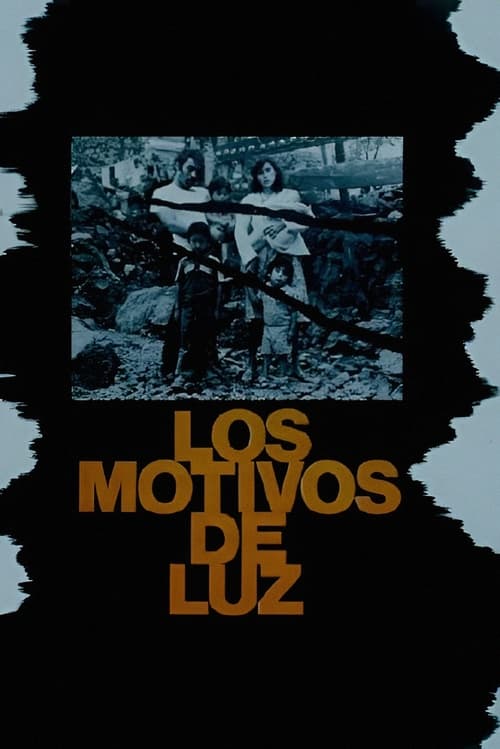
Luz is in jail, accused of murdering her own children. Her husband and her mother-in-law say she killed them in cold blood. Dr. Rebollar tries to help the woman, but she refuses to remember anything. Luz thinks of jail as the purgatory: it's only one step to reach the Heaven.
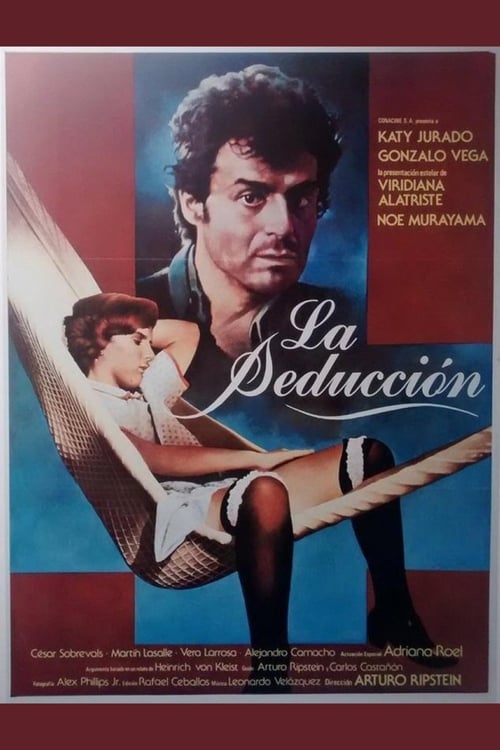
The story of two women, a mother and her daughter, who during the Cristero War set traps for government soldiers passing by their house, using seduction that was never consummated. The idea was to deceive the soldiers by making them feel safe, then hand them over, almost with their hands tied, to the Cristero guerrillas. But then one of the women, the daughter, truly falls in love with one of the soldiers, allows herself to be seduced by him, and then tries to save him, only to be killed, in the circumstances, by the soldier himself.
Pablo Rueda, a frustrated writer and artist, wanders through Mexico City in a labyrinth of dreams and memories that may or may not be those of his novels.