Bernard Eisenschitz
Acting
Known For
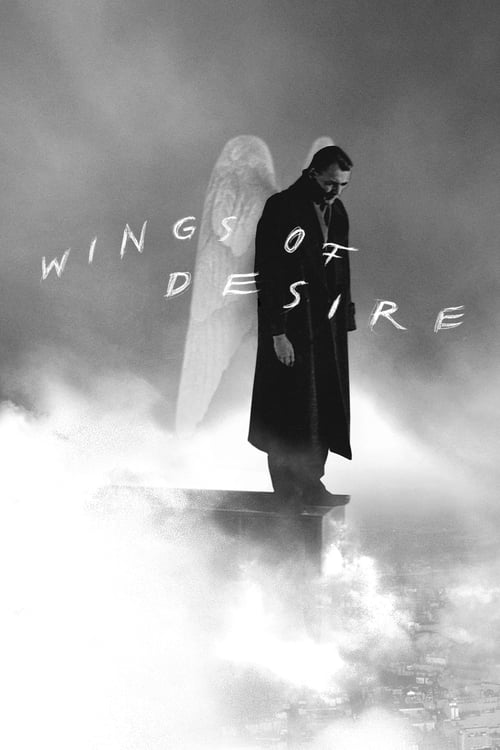
Two angels, Damiel and Cassiel, glide through the streets of Berlin, observing the bustling population, providing invisible rays of hope to the distressed but never interacting with them. When Damiel falls in love with lonely trapeze artist Marion, the angel longs to experience life in the physical world, and finds — with some words of wisdom from actor Peter Falk — that it might be possible for him to take human form.
Wings of Desire

Aimless young Alexandre juggles his relationships with his girlfriend, Marie, and a casual lover named Veronika. Marie becomes increasingly jealous of Alexandre's fling with Veronika and as the trio continues their unsustainable affair, the emotional stakes get higher, leading to conflict and unhappiness.
The Mother and the Whore
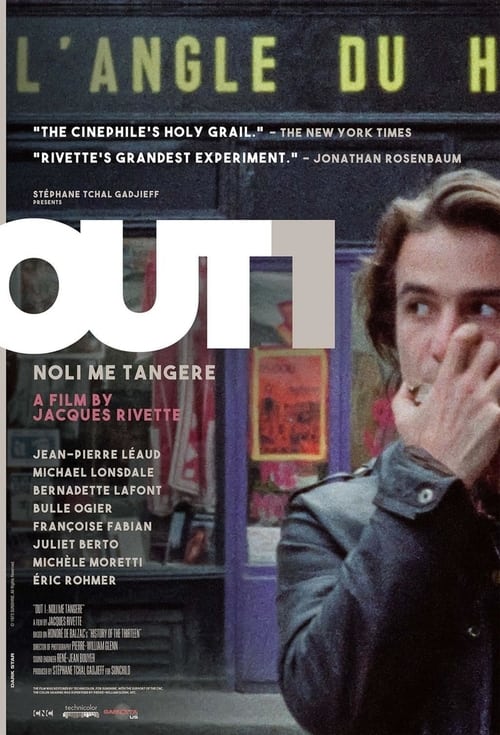
Following the May 1968 civil unrest in France, two theater groups rehearse plays by Aeschylus while two solitary individuals wander the Parisian streets hustling the populace for cash.
Out 1

While two theater groups rehearse plays by Aeschylus, two solitary individuals wander the Parisian streets hustling the populace for cash.
Out 1
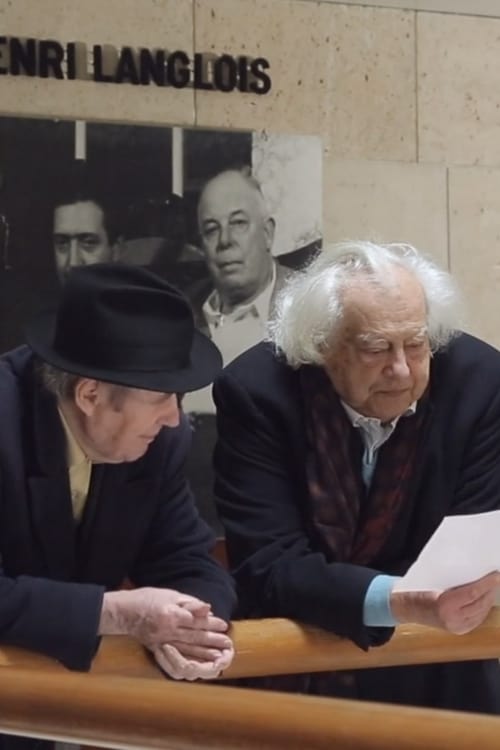
Five, even six, variations on a theme, commentary and interpretation of the same photograph. An exercise to tell and summarize the history of the Cinémathèque française.
La photo

Jilted on his wedding day, Laurent, a stage actor playing the role of the famous seducer Don Juan, cannot help but see his ex-fiancée in every women he meets. In an attempt to mend his broken heart and ego, he tries to seduce them all but none are receptive to his elaborate (and musical) advances. Meanwhile, at the theater, the leading lady quits and the production brings in Laurent’s ex-fiancée as the replacement.
Don Juan
A famous French filmmaker is hired by a major Hollywood producer to make a documentary on the state of post-Cold War Russia. The filmmaker, though, subverts the project by stubbornly remaining in France and casting himself as the title character of Dostoyevsky's "The Idiot," offering up a series of typically Godardian musings on art, politics, the nature of images and the future of cinema.
The Children Play Russian
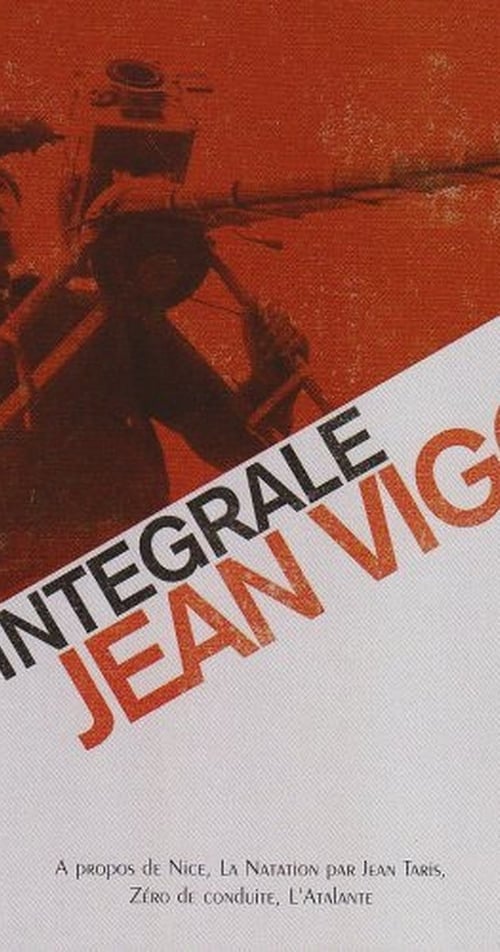
No description available.
Les voyages de L'Atalante
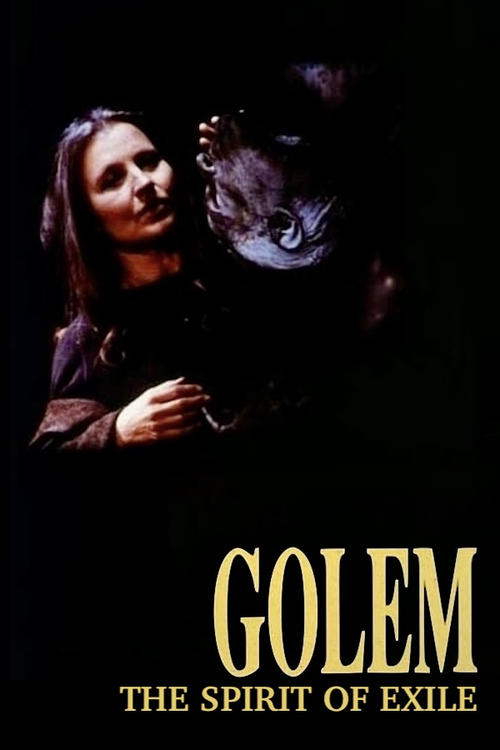
An allegory of the Golem, a Jewish mythical creature personifying displacement and exile, this film tells the story of a woman (similar to the biblical Ruth) and her sisters, who are forced into exile after the death of their husbands. It is set in 1990s Paris, where the director was living in self-imposed exile following the ban on his 1982 documentary in Israel. The recurring theme of the film is migrations and unrooting, like the legendary Golem.
Golem, the Spirit of Exile

Born in Berlin in 1896, Lotte Eisner became famous for her passionate involvement in the world of both German and French cinema. In 1936, together with Henri Langlois, she founded the Cinémathèque Française with the goal of saving from destruction films, costumes, sets, posters, and other treasures of the 7th Art. A Jew exiled in Paris, she became a pillar of the capital's cultural scene, where she promoted German cinema.
A Life for Movies: Lotte Eisner
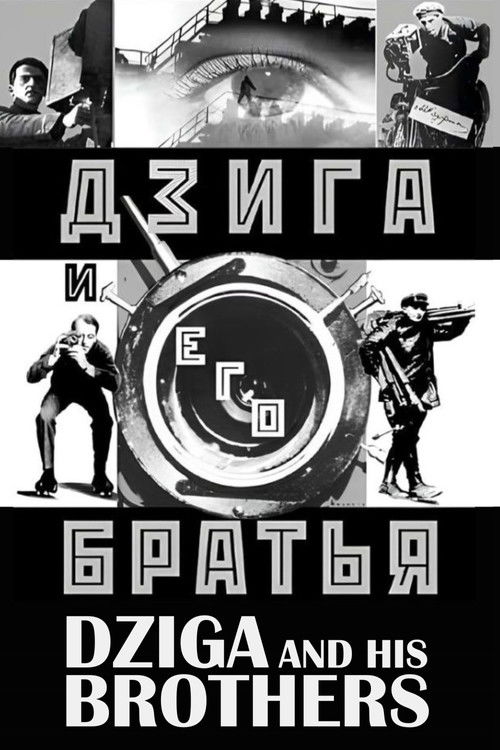
The fascinating and tumultuous lives of Mikhail, Boris and Denis Kaufman (better known as Dziga Vertov) are the focus of this powerful documentary. Using rare archival footage from Russian state film archives and private collections, the brothers' lives and art are traced from Bialystok to Moscow, Paris, and Hollywood.
Dziga and His Brothers
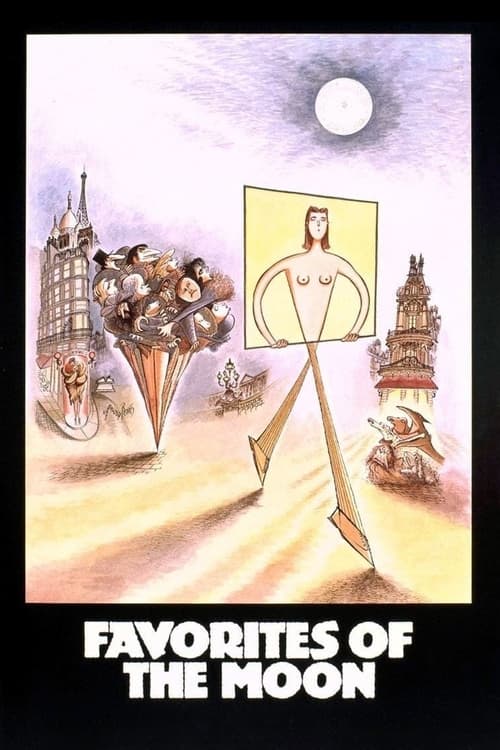
A porcelain table service and a painting from the 19th century pass from hand to hand and deteriorate over time, sealing the fate of different characters who cross paths in Paris.
Favourites of the Moon
A short documentary in the Chaplin Today series about Chaplin's "Monsieur Verdoux." Includes an interview with Claude Chabrol, whose 1963 film "Landru" concerns the same serial killer that inspired Chaplin's film.
Chaplin Today: Monsieur Verdoux
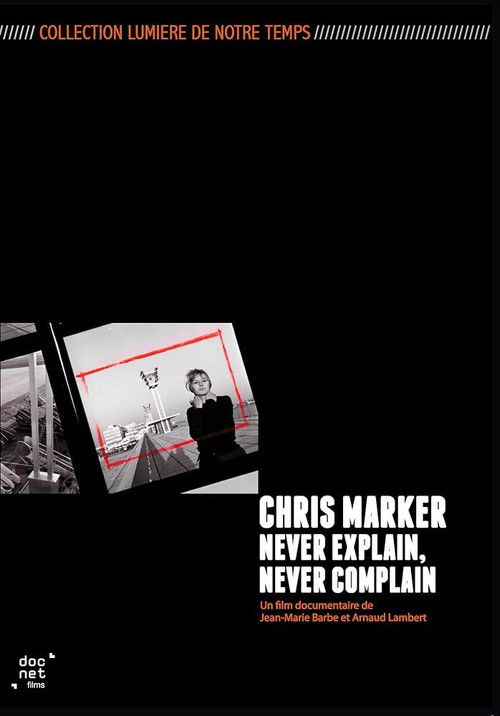
Posthumous portrait of Chris Marker, the elusive French filmmaker- essayist, traveller, photographer and cat-lover. Two filmmakers, Jean-Marie Barbe and Arnaud Lambert, propose a chronological journey through his thoughts and cinematographic work: from the cartography of new political utopia in the 1950s, from Siberia to La Habana, to its relentless defeat, starting with Chile; from his review of cinéma-verité to the great television experience in "L'Héritage de la chouette", which traces a journey through classical Greece, organized into twelve words.
Chris Marker: Never Explain, Never Complain
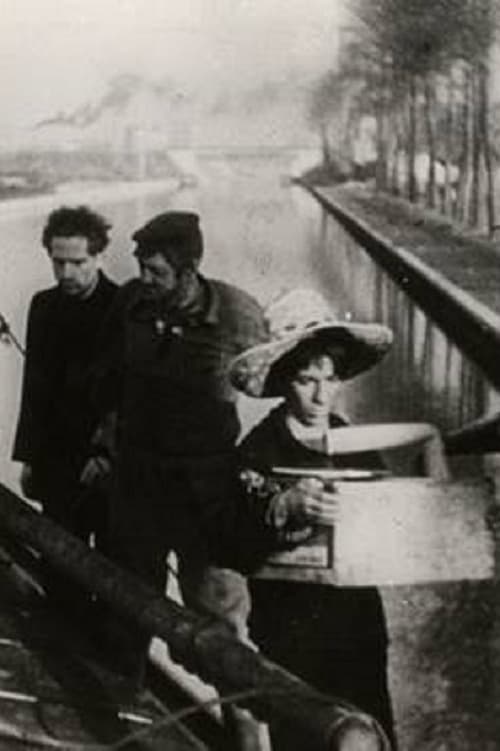
Perhaps it speaks to the sheer power and beauty of L’Atalante that 40 years after its initial butchered release, critics and fans still seek to piece together Vigo’s vision – and debate the choices involved in that process. Bernard Eisenschitz, who was involved with Luce Vigo (daughter of Jean Vigo) in the 1990 reconstruction of this masterwork, takes us into the raw materials by which this complex film was re-envisioned and continues to be analyzed and changed today. An important vision of film as a tradition of viewership, curation and exploration.
Winter Shooting: L'Atalante - Rushes and Outtakes

A video essay where the author presumes motivations and insights in a fictionalized biography regarding Debra Paget, a contract player for 20th-Century Fox whom they groomed and coached for stardom.
Debra Paget, For Example
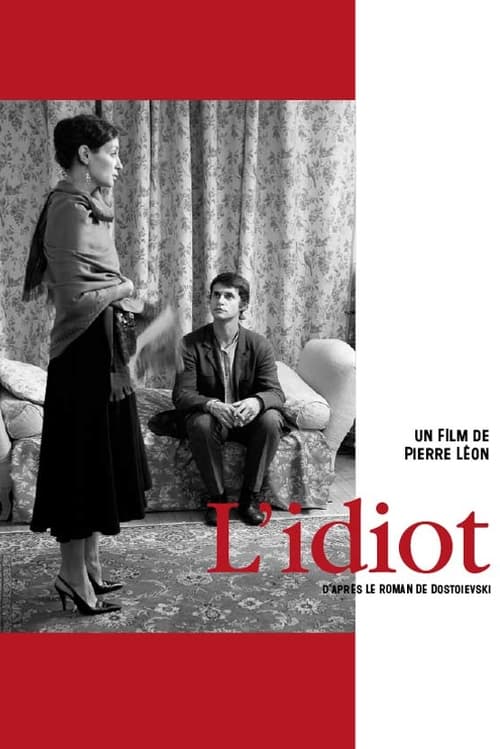
Nastassia Philippovna finds herself juggling the affections of four men over the course of a single evening. One is her benefactor, the bourgeois Totsky. Another is the opportunistic Ganya, whom Totsky has promised 75,000 rubles if he will marry Nastassia. Rogozhin offers Nastassia 100,000 rubles for her hand. And the “idiot,” Prince Myshkin, loves Nastassia madly and vows to “save” her.
The Idiot
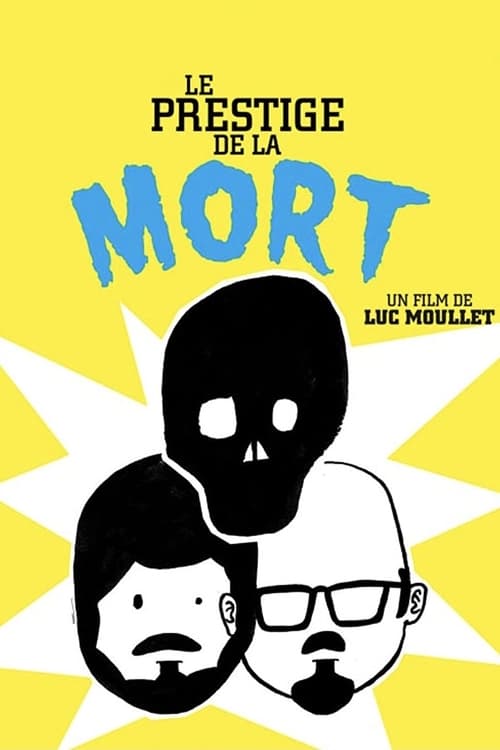
Whilst seeking out locations in the South of France for his next film, director Luc Moullet comes across a male corpse. He immediately decides to use this to his advantage. By swapping his passport with that of the dead man, Moullet hopes that the world will believe he is dead, thereby ensuring a renewed interest in his work. Unfortunately, the scheme backfires, since the dead man was someone rather important...
Death's Glamour
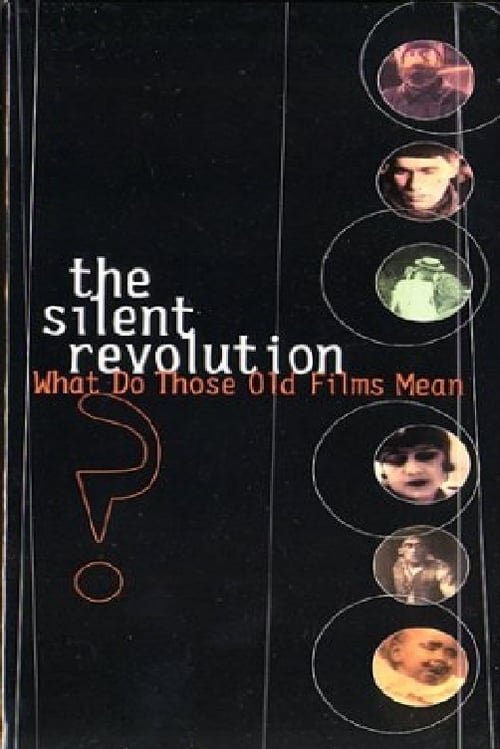
Noel Burch’s fascinating and well-made (if at times historically contestable) six-part BBC television series, about early silent cinema in Denmark, England, the Soviet Union, France, Germany, and the U.S., mixes beautiful clips of rare films with various social theories about their significance.
What Do Those Old Films Mean?
Two interconnected stories in the 1930s, one set in Berlin, the other in Palestine: Mania Vilbouchevich Shohat (1880-1961), called Tania, a Russian Jew and revolutionary, goes from Minsk to Palestine to live on a collective. She promotes feminism and laments a shift in the men from self-defense to aggression. Her friend, Else Lasker-Schuler (1869 - 1945), expressionist poet and German Jew, is in Berlin, writing, caring for her son, watching Hitler's movement take power. She goes to Jerusalem and imagines a park for Arab and Jew. Her poems, voiced from within, capture her experience. The film meditates on the violence at the root of Israel's birth: of the Nazis and of the Zionists.