Javier Cifrián
Acting
Known For

Recounts the experiences of a middle-class family, the Alcántaras, during the last years of the rule of Francisco Franco and the beginning of the Spanish Transition to democracy.
Cuéntame cómo pasó

La que se avecina is a Spanish television comedy created by Alberto Caballero, Laura Caballero and Daniel Deorador. The TV-series focusing around the inhabitants of Mirador de Montepinar, a fictional building located on the outskirts of a big city. Both its storylines and cast are heavily based on Aquí no hay quien viva, which ended when Telecinco bought Miramón Mendi, the series production company. The episodes debuted on the Telecinco network, and were later rerun by the same network as well as cable/satellite channels FactoríaDeFicción and Paramount Comedy. The series debuted in 22 April 2007 and became popular thanks to its funny characters, witty script, use of catchphrases and capacity to integrate and poke fun at contemporary issues; the program presents a caustic satire of many of the 'types' found in Spanish society. The name of the show involves wordplay, as "vecina" is the Spanish word for neighbour.
La que se avecina
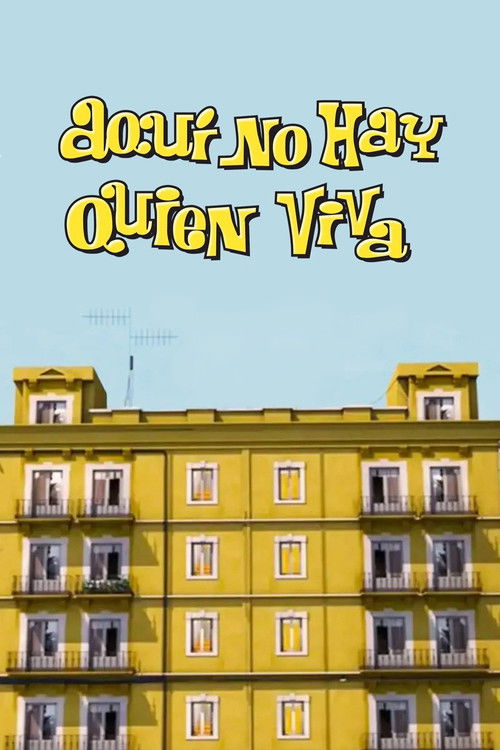
A caustic satire of many of the 'types' found in Spanish society.
No One Could Live Here

No description available.
Vive cantando
No description available.
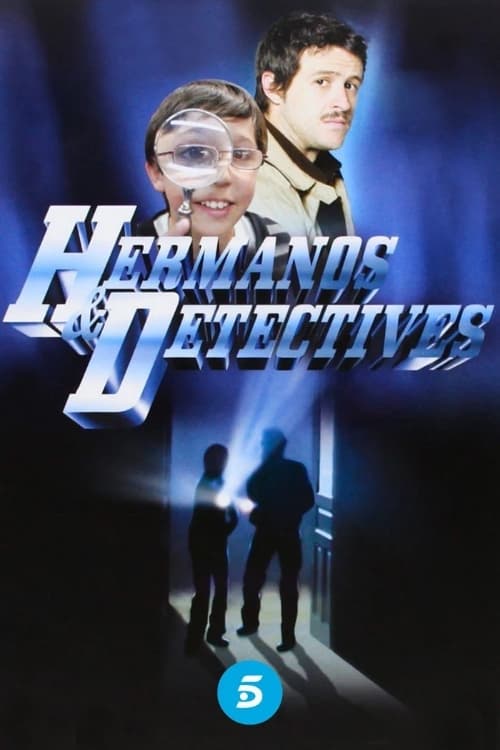
Hermanos y detectives

Mischevious twins Zip and Zap are placed in Esperanza, a school where games are prohibited. There, they found the Club of Marble, a resistance to challenge authority. Thanks to intelligence, courage, and unwavering faith in friendship, Zip, Zap and the club will discover a mysterious secret hidden deep in the school and live the most exciting adventure of their lives.
Zip & Zap and the Marble Gang

Plauto, the clown, tells us the story of the Circo de las Alegrías. Doña Alegría, owner of the Circus is determined that her son Palevhi, maintain the classic line of the show, which begs for a complete renovation. During the last years, the Circus has been dragging like a dying man until the threat of bankruptcy and unemployment has led his workers to anguish. One night in September, Palevhi decides to inform the big family of the circus the final closure. Tears of frustration give way to the search for solutions.
Plauto, Distorted Memory of an Eventual Fool

Cain is a self-conscious butcher who lives in the Madrid neighborhood of Lavapiés and who envies his brother Abel, his only family, for having achieved everything he does not have. When Cain discovers that Abel has left a neighbor neighbor pregnant, daughter of immigrants from Bangladesh and Muslim religion, decides to pass for the father of the child and take responsibility for what will be his new family.
El próximo Oriente

Mabel has gone viral. And in the least desirable way possible. During her flight to Polynesia, she unlocks her sleeping husband's cell phone with innocent intent, but what she finds is proof of infidelity.