Writing
Newlyweds Käthe and Max met while studying law. Trouble ensues when Max takes on his first case without telling his wife.
A British attorney working on a small island wants to return home to London, but first has to solve a mysterious crime.
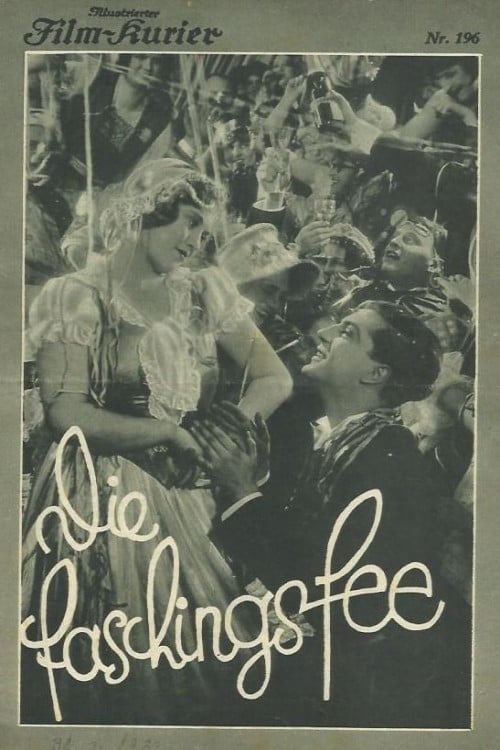
Film version of the operetta by Emmerich Kalman. Victor has won 10 000 Mark with his ceiling painting. In the local pub, he celebrates his triumph. Countess Alexandra happens to drop into the pub too, and is thought to be a model by the sponsor of the prize, Count Meredith. Victor soon has to save her from an embarassing misunderstanding. The two men insult each other and Victor loses his prize.
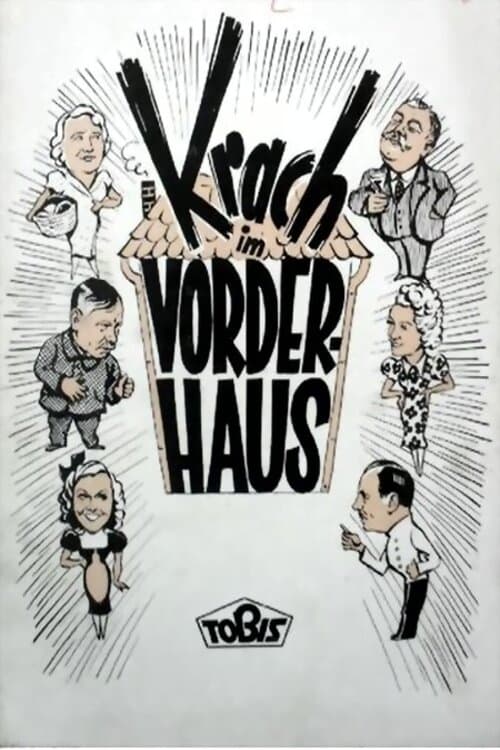
It can hardly be said that things are peaceful in the Berlin apartment building where the film's story takes place. There are constant clashes between the residents – and sometimes that's quite literal: for example, when the widow Bock hid some explosives among the bricks, which detonated when the building's thieving doorman lit them in his stove.
An exploration of the misery of youth. A student, his friends, and the girl he loves all suffer due to the harsh and unforgiving nature of the adults in their lives.
The first bridge on the Reichsautobahn motorway network was built in 1934 during the construction of the Frankfurt am Main to Darmstadt section near Griesheim am Main. The film shows the construction work after six months of building: driving the sheet piles, installing the caissons using the pressure flushing method, and laying the supports for the steel superstructure.
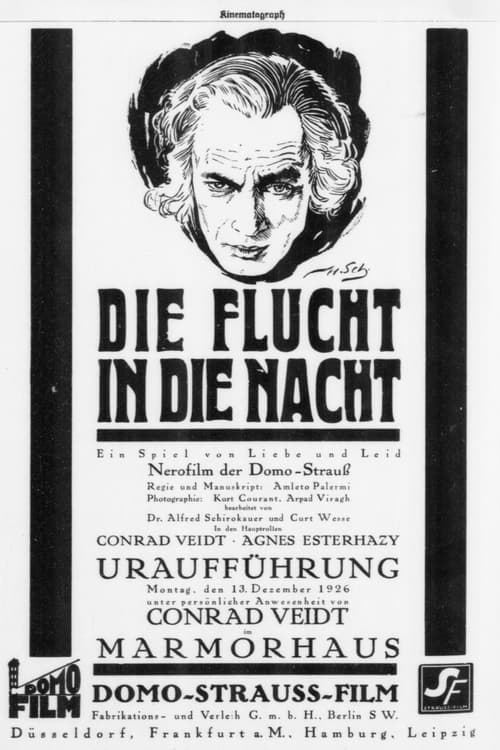
Based on the play Henry IV by Luigi Pirandello. Conrad Veidt plays Count di Nolli, a nobleman who, after a head injury, imagines he is the medieval emperor. His friends and relatives choose to play along, dressing up as medieval courtiers, but is di Nolli truly mad, or just pretending? The art direction was by Hermann Warm. It was shot on location in Italy. 6 acts, 1856 meters.
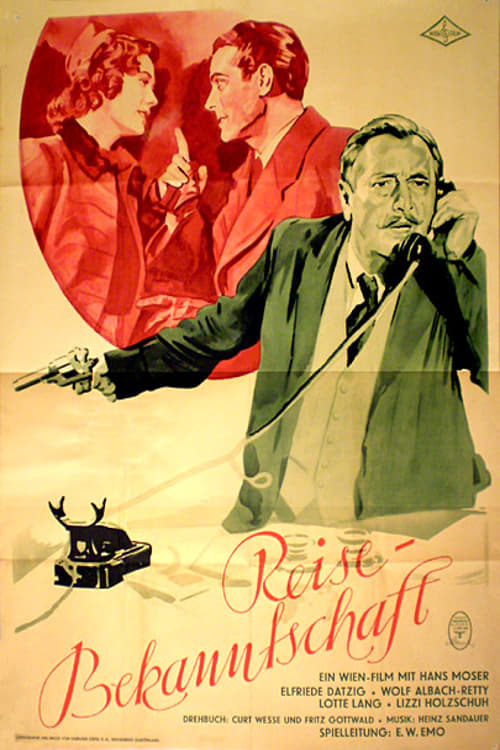
A nervous private investigator, his bumbling boss, a woman in love, 10,000 Reichsmark and two reversed cases. A crime comedy directed by E. W. Emo.
Documentary about highway construction in Germany.
A film with a short storyline showing how locomotives and carriages are handled at stations from the arrival of a D-train until its next departure. The son of a train driver, who has to write an essay at school entitled "What I saw at the station," learns about the technical facilities of the marshalling yard along with the viewers: coal loading, water extraction, slag removal, work in the locomotive shed, cleaning the boilers, and maintaining the passenger cars. From the arrival of a train at the platform to its departure, the focus is on operational safety, cleanliness, and passenger comfort.
Two packers discuss a damaged transport crate, and a young woman arrives to claim it for her father. The supervisor explains the defect and suggests the new container transport system. The father and daughter receive a brochure and watch a promotional film at the Reichsbahn office cinema. The film showcases the efficiency of container transport, featuring various goods like apple juice, strawberries, glassware, and furniture being packed and transported using Reichsbahn containers. The film highlights safety features and the ease of moving large items, concluding with the slogan “From house to house.”
The film highlights the connection between the Reichsbahn and forestry, showcasing lumberjacks, foresters, and wood transport using horse-drawn carts and forest railways. It features wood processing in sawmills, modern plywood production, and various wood uses like furniture, paper, and railroad ties. The Reichsbahn’s role in transporting wood is emphasized, along with its consumption in carriage factories and coal mines. Wood is also used in highway construction, house building, and a wooden radio tower, symbolizing German culture and spirit.
No description available.