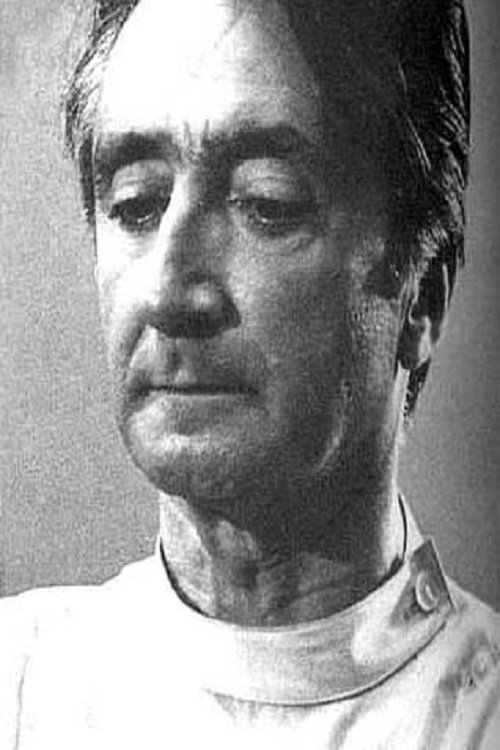
Farrokh Ghaffari
Directing
Biography
Farrokh Ghaffari (Persian: فرخ غفاری) (born 1921 – died 17 December 2006) was an Iranian film director, actor, critic and author. Along with Ebrahim Golestan and Fereydoun Rahnema he was one of the founders of Iran's New Wave film movement. By establishing the first National Iranian Film Society in 1949 at the Iran Bastan Museum and organizing the first Film Week during which English films were exhibited, Ghaffari laid the foundation for alternative and non-commercial films in Iran.
Known For

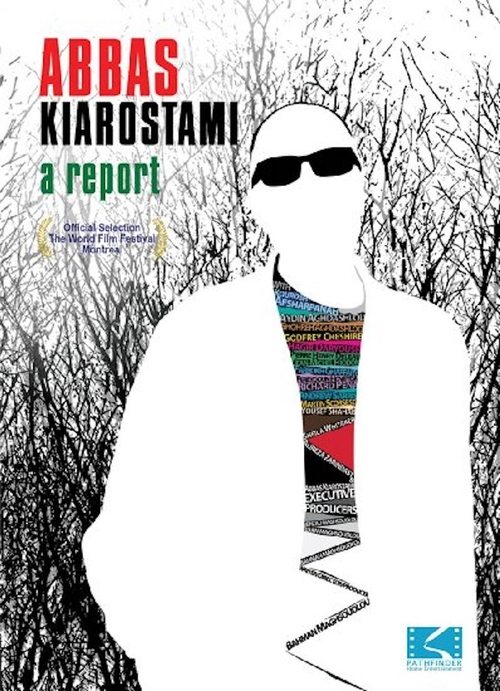
A look at the formation of the career of Iranian filmmaker Abbas Kiarostami.
Abbas Kiarostami: A Report

Adapted from a story in 1001 Nights, the story concerns the death of an actor and the comical incidents that occur as different people come into possession of, and attempt to dispose of, his body.
Night of the Hunchback

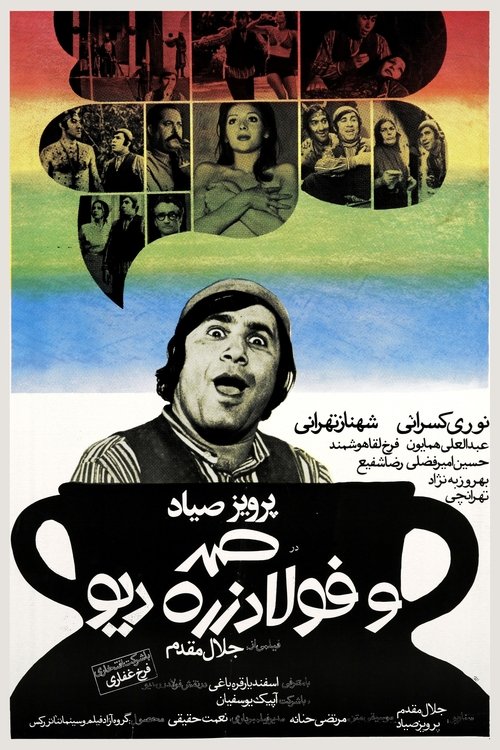
Samad burns an ogre's hair which causes an 8000 years old ogre to be released from his prison. The ogre eats a goat and also kidnapped Leila for Samad which causes her father to complain against Samad and sends him to jail but the ogre saves him and takes him to the city. There they have more adventures.
Samad and Foolad Zereh, the Ogre

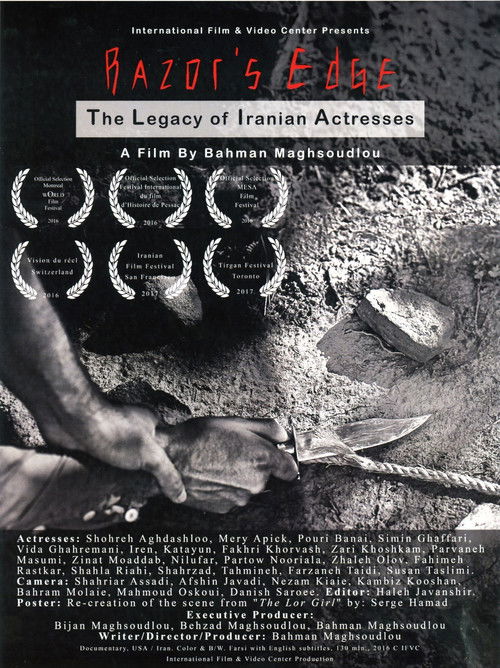
An examination of the work and lives of actresses in the Iranian film industry prior to the 1979 revolution, featuring myriad interviews and rare film clips.
Razor's Edge: The Legacy of Iranian Actresses

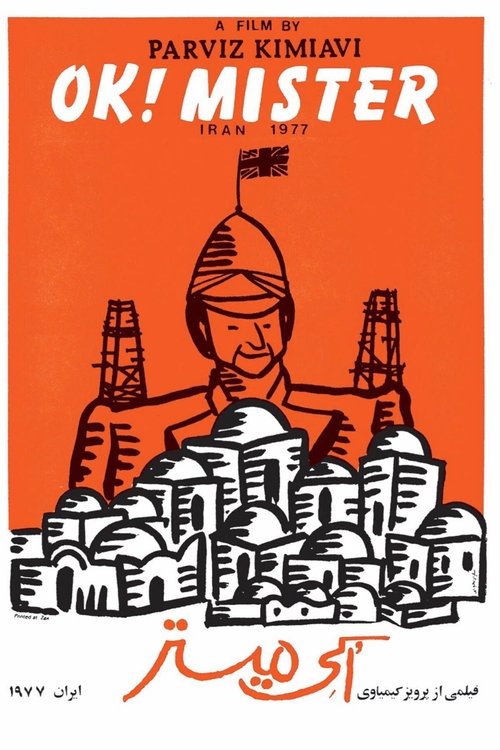
In a remote village in the "land of roses and nightingales" one day surfaces a stranger: William Knox D'Arcy. To enact his plan for exploiting the wealth and the natural resources of this land, he sends after his cronies who descend upon the village in a big balloon. Among them is Cindrella a lady of electrifying beauty who is enlisted to keep the illiterate and lecherous villagers under her charm and make them follow D'Arcy's plans...
O.K. Mister

"Fanoos Khiyal", with a brief introduction from illustration in Persian literature to mezzanine in Iranian miniatures and folk paintings, introduces the first camcorder in Iran and shows the first available films. After that, with the development of theaters in Iran, the production of movies begins. Iranian filmmakers in this field have a variety of experiences that result in technical advances and a variety of styles.
The Lantern of Imagination

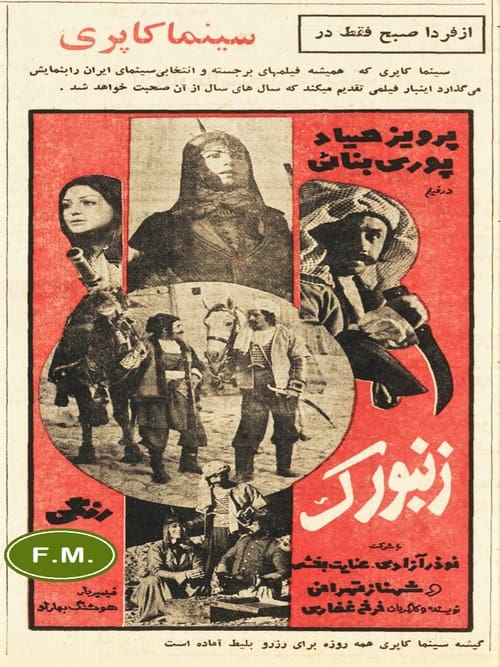
During an attack in a caravansary in which all the soldiers die, three people manage to flee. After that they accidentally encounter in different places and help each other out.
The Falconet

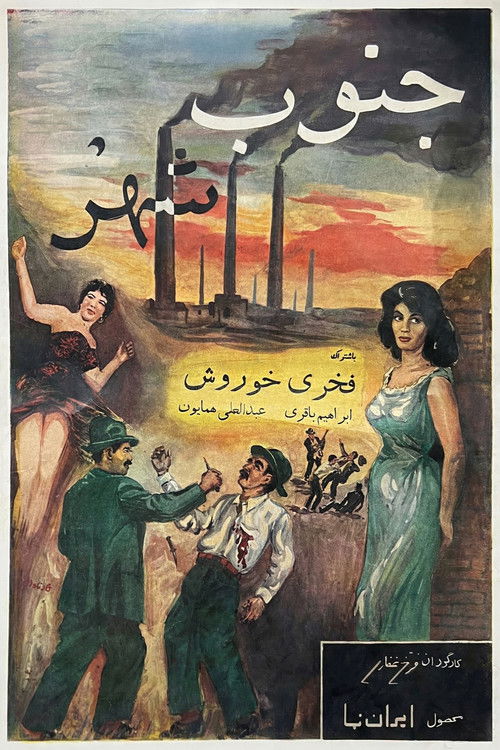
Effat tells Mahmoud her life story in order to convince him not to divorce his wife.
South of the City

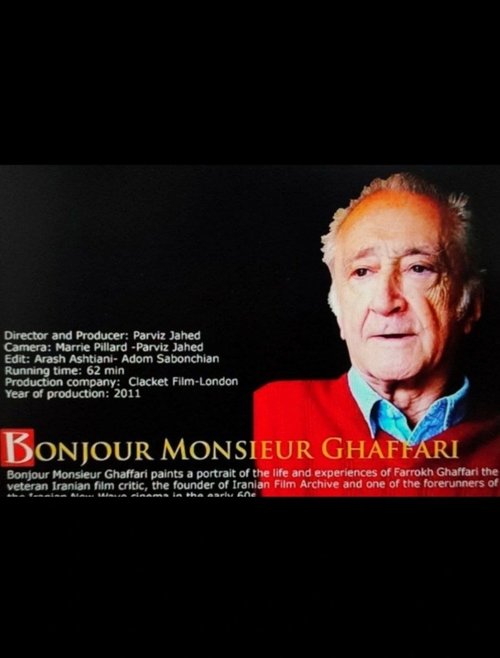
A documentary about Farrokh Ghaffari, Iranian filmmaker.
Bonjour Monsieur Ghaffari

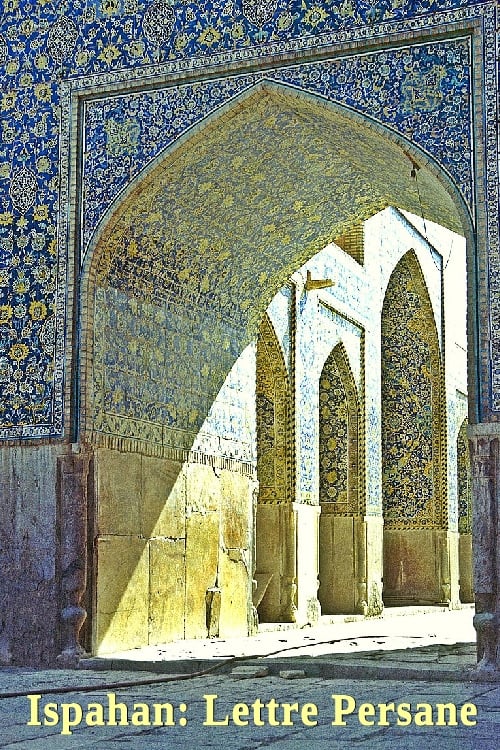
Jean Rouch’s camera follows his friend, filmmaker/actor/critic Farrokh Ghaffari, as he walks and talks us through the famous Shah Mosque in Esfehan. While guiding him and answering his questions, Ghaffari makes Rouch discover the beauties of the architecture of the mosque and its impact on the city. Throughout the tour, they discuss Islam’s complex relationship with death, sex and cinema.
Ispahan: A Persian Letter (The Chah Mosque at Ispahan)
Hamid Nokhodchi who claims having received a PhD in cinema comes back to Iran, but he fails to launch a successful film career. He meet a girl called Manijeh and they pledge to get married. While Hamid is on a trip to shoot a film, Manikeh notices some changes in her feeling. Visiting a doctor, she is advised to undergo a sex change surgery...
Which one is the bride?

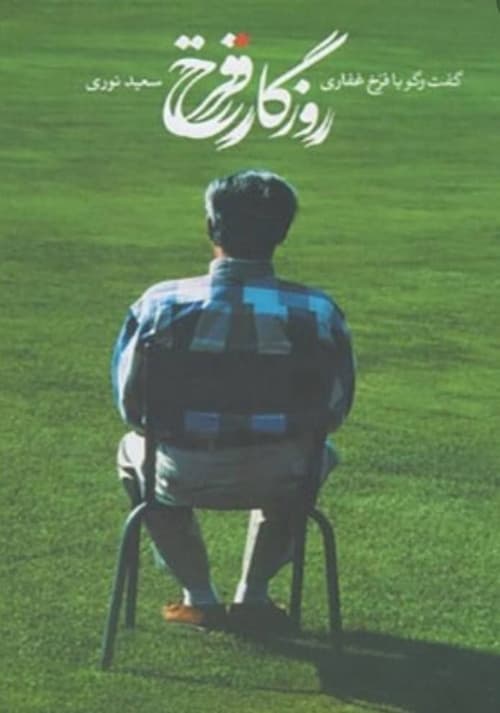
The story of personal and artistic life of the progressive Iranian director, Farrokh Ghaffari from himself in an interview in the last years of his life in Paris.
Days of Farrokh

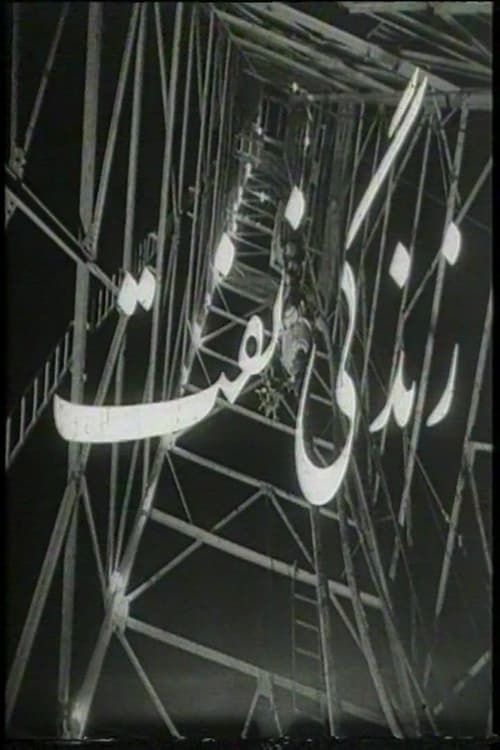
This film is a product of the National Iranian Oil Company, which can be considered one of the first documentaries in the field of Iranian economy.
Life of Oil

Re-edited version of Farokh Ghafari's Jonube shahr without director attribution.