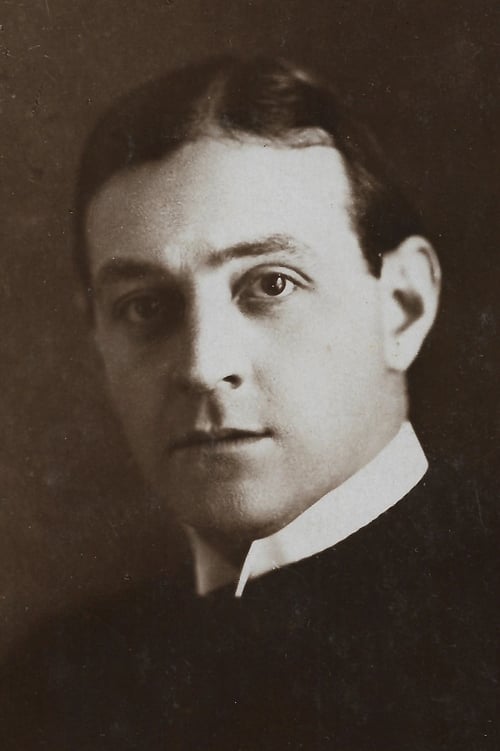
Luigi Serventi
Acting
Known For
No description available.
Vyznavači slunce

Andrea, the beautiful daughter of a railway gateman, is seduced by a rich passenger, who missed his train. Left pregnant, Andrea marries another man and moves to Prague, only to encounter her former lover and recover her former lust.
Erotikon
No description available.
Lebende Ware
No description available.
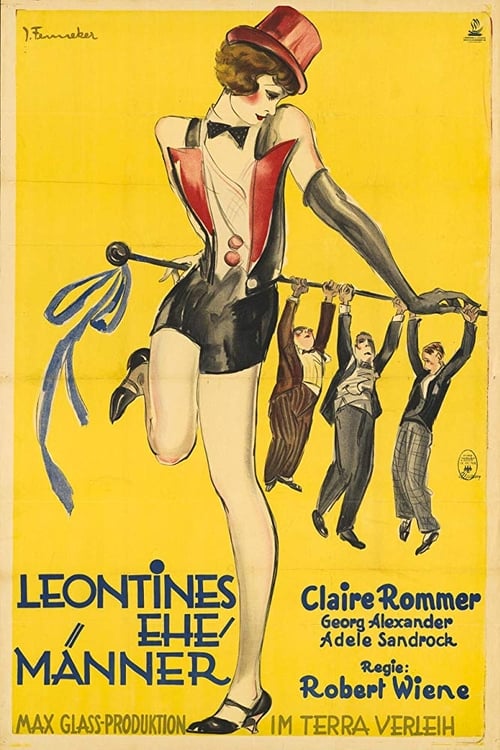
Leontines Ehemänner
Count De Cay is happily married to a beautiful woman loyal to him. During an innocent and fortuitous encounter with one of his ex-lovers, however, he is surprised by his elderly uncles, who warn the countess.
I Want to Betray My Husband

Two of Germany's best and busiest directors collaborated on Berge in Flammen (Mountain in Flames). The storyline should be of interest to pro-ecologists, inasmuch as the directors take to task the warmongers of the world for despoiling the natural beauties of the European mountain ranges with their shell-fire. The final outrage occurs during a battle between the Austrians and the Italians in the Dolomites, culminating with the destruction of an entire mountain (hence the film's title). The harrowing images on screen were complemented perfectly by the musical score of Giuseppe Beece. Also known as The Doomed Batallion, Berge in Flammen was filmed in three different languages -- German, English, French -- for a total cost of $150,000.
Mountains on Fire
No description available.
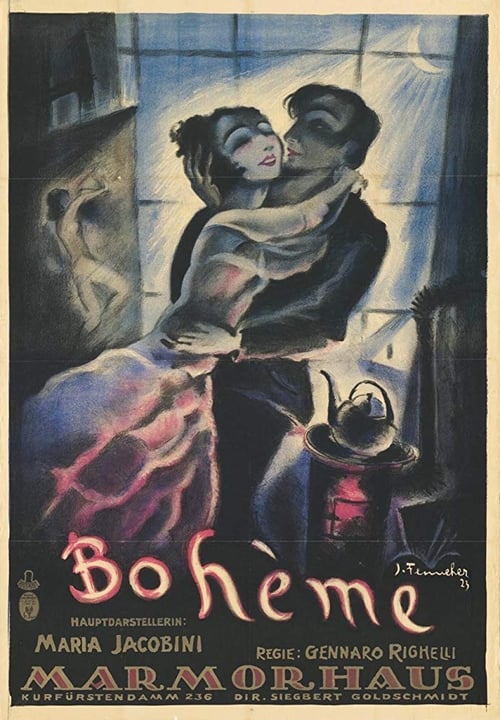
Bohème

No description available.
The President
No description available.
The Face of Medusa
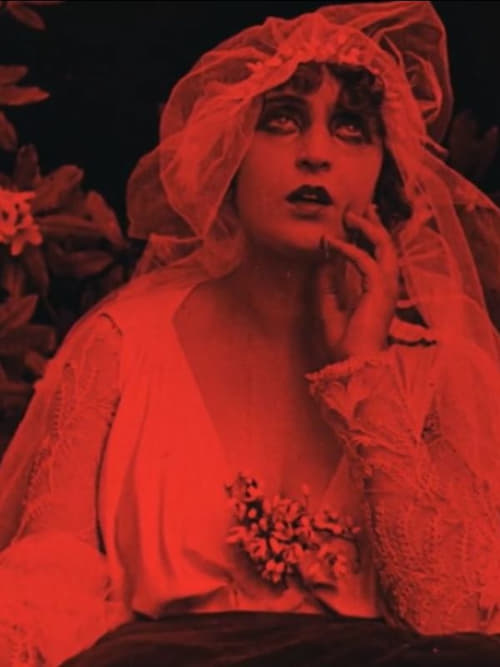
Filippo Derblay, a young man of humble birth, became, thanks to his job, the owner of the ironworks. He is secretly in love with Clara, the daughter of the Marquis of Beaulieu, who lost all his fortune. Clara is engaged to the Duke of Bligny, a vain cousin of her. After learning of Clara’s financial disgrace, the Duke prefers to engage to Atenaide Moulinet, a social climber and daughter of the industrialist Moulinet, the “King of Cacao”. To get revenge, Clara agrees to marry Filippo Derblay, despite she considers him an upstart and she despises him. But Filippo, who loves her deeply, can’t tolerate to be humiliated, will prove how much her prejudice was wrong and, at the end, he will win her love. Among the most captivating aspects of the film, the intense performance of the great diva Pina Menichelli and the high level of the photography, that captures spaces from life as the remarkable images of the factory and the workers at the machinery.
The Railway Owner
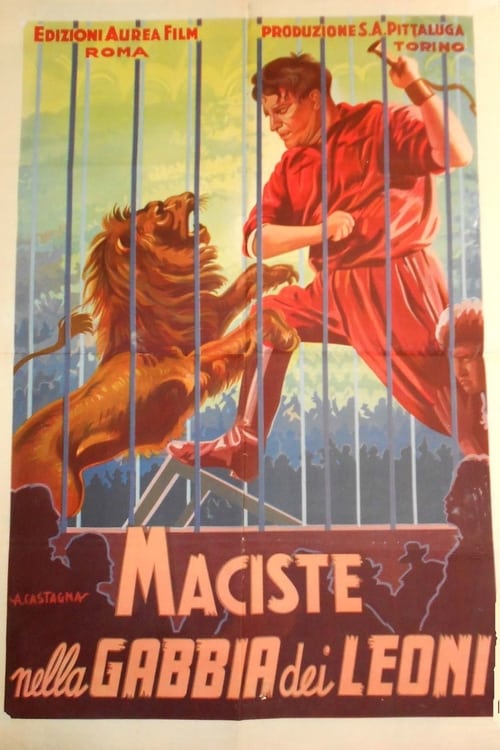
Bartolomeo Pagano as Maciste in Maciste in the Lions' Den. A Italian silent from 1926.
Maciste nella gabbia dei leoni

No description available.
Il Romanzo di un Giovane Povero

The story of the film «La storia di una donna», in which Pina Menichelli played the main role, is typical for «divas-films» – it’s about beauty and weakness of a woman, insidiousness and cowardice of men, inevitable destiny and mad passion…
A Woman's Story
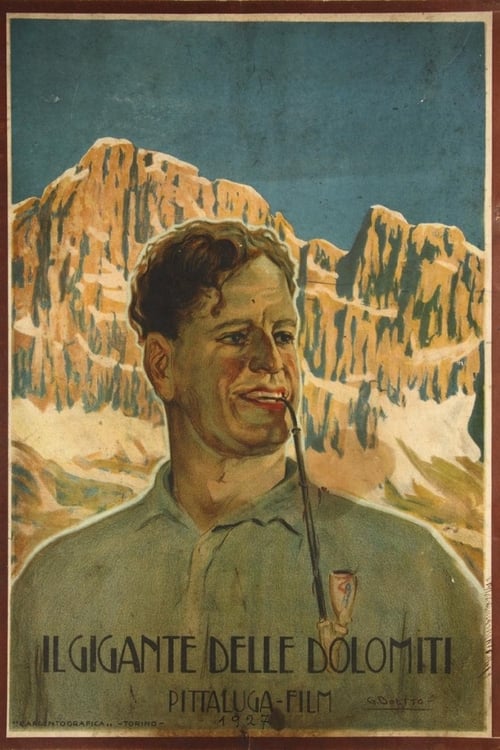
The Giant of the Dolomites (Italian: Il gigante delle Dolomiti) is a 1927 Italian silent adventure film directed by Guido Brignone and starring Bartolomeo Pagano, Aldo Marus and Elena Lunda.[1] It was the last in a series of silent films featuring the peplum hero Maciste, but the character was later revived in the 1960s.
Il gigante delle Dolomiti
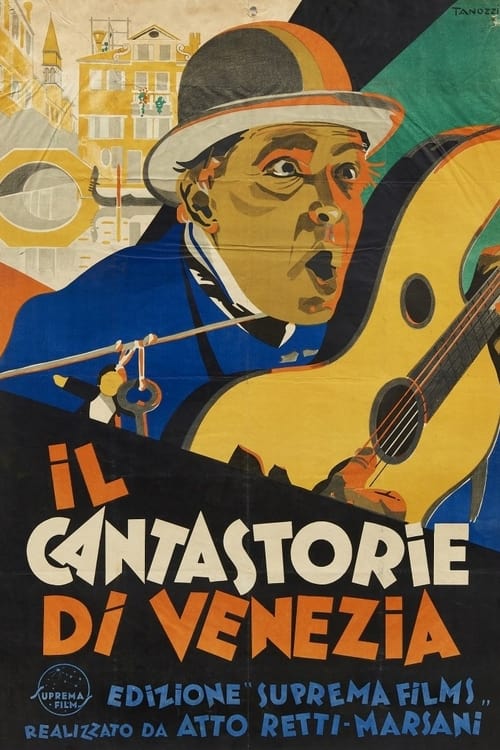
No description available.
Il cantastorie di Venezia
Le mogli e le arance is characterized by a wonderful sereneness. It is the kind of quietude which many of us connect immediately with the south. Everything seems to be in its perfect place, and time is just passing. In the setting of a sanatorium a nobleman is practicing idleness and slow-motion mind games. Does it sound boring? Yes, it does. But it is not, the uneventfulness is definitively enthralling. The film director tries to narrate time, time itself, as such, for its own sake: a rare experiment.
Le mogli e le arance
No description available.
Muž bez srdce
The Confessions of a Woman (Italian: Le confessioni di una donna) is a 1928 Italian silent drama film directed by Amleto Palermi.[1] The film relates a woman falling into high-class prostitution, and her eventual redemption. It is set in Palermo.
The Confessions of a Woman

The child of a woman who killed her husband is raised as the daughter of a count without any knowledge of her true origins.
Die weißen Rosen von Ravensberg
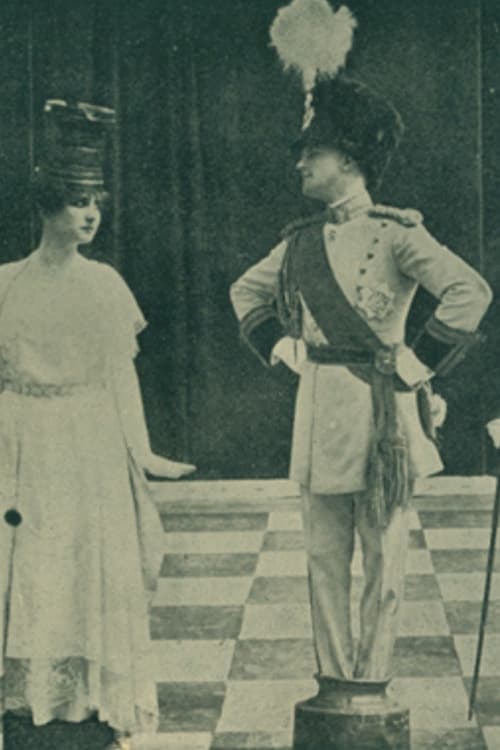
Dramatization of a chess game, where the characters were dressed like the various pieces and moved on a chessboard floor.