
Hu Jie
Directing
Biography
Hu Jie is a Chinese director, artist and former soldier.
Known For
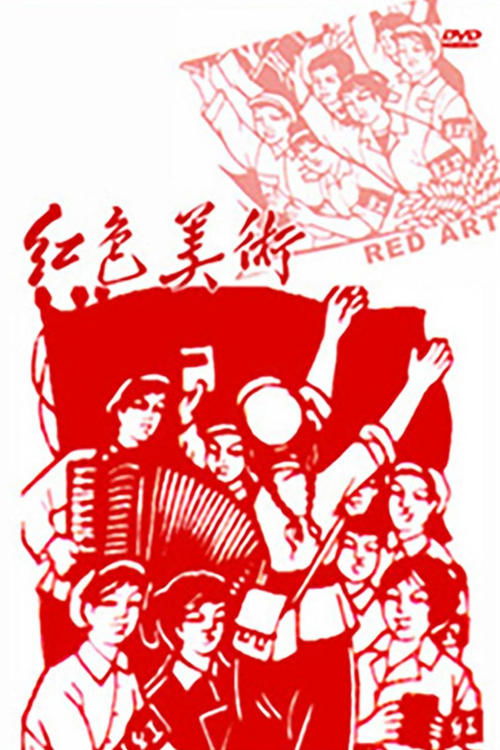
The launch and development of the Great Proletarian Cultural Revolution not only has a series of CCP Central Committee documents that have promoted wave after wave of movements, but also has various propaganda methods. A large number of different types of literary and artistic products have been produced in a collective form and with the input of the State. As a weapon of revolutionary struggle, works of art are important representatives of this period. Art was a tool for the Cultural Revolution; it fully embodies its aesthetic characteristics, actively cooperating with the development of various movements and the popularization of ideas. It has cultivated the values and visual experience of a generation of Chinese people — the paintings of the Cultural Revolution have been regarded as treasures by Chinese collectors. This film shows the characteristics of the Cultural Revolution paintings through a large number of paintings, as well as the bloody violence and despotism behind them.
Red Art
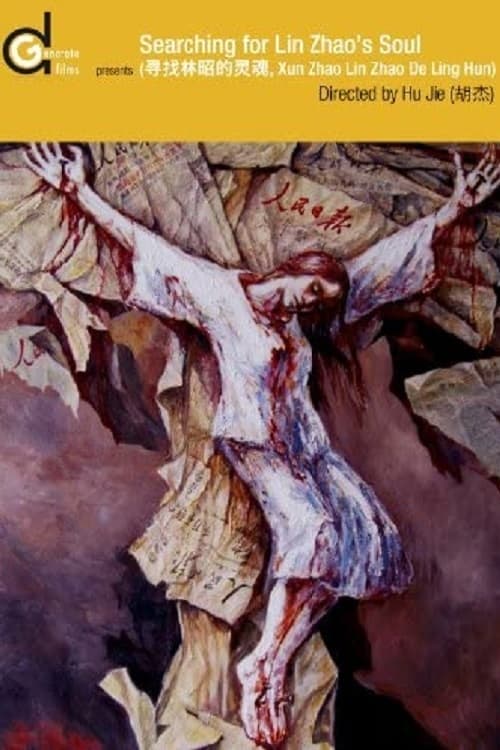
This landmark documentary reveals the tragic life of a gifted young woman who was executed for speaking out during the height of Chairman Mao’s rule.
Searching for Lin Zhao's Soul

No description available.
你拿摄影机干什么
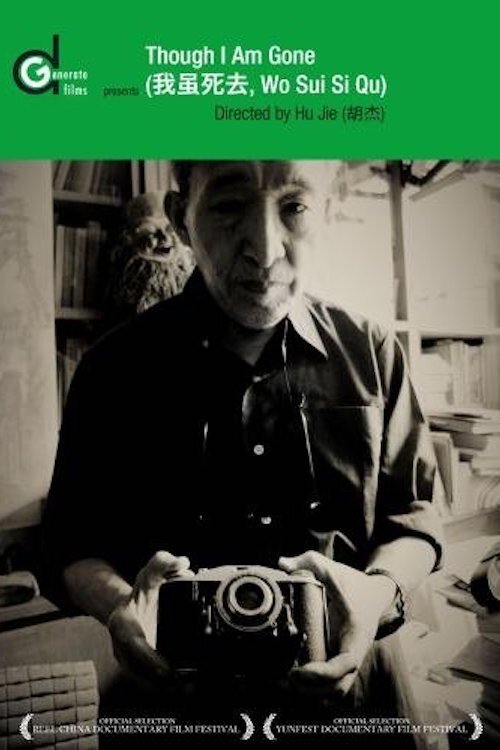
Filmmaker Hu Jie uncovers the tragic story of a teacher beaten to death by her students during the Cultural Revoution. In 1966, the Cultural Revolution exploded throughout China, as Mao's Red Guards persecuted suspected Rightists. Bian Zhongyun, the vice principal of a prestigious school in Beijing, was beaten to death by her own students, becoming one of the first victims of the revolutionary violence that would engulf the entire nation.
Though I Am Gone

Tayuan is the location of the first museum of the Cultural Revolution in China. However, this important Cultural Revolution museum was established with private funds. The reason for its construction here is that there is a tomb of the victims of the Cultural Revolution. This film documents the little-known massacre and the construction of the Cultural Revolution Museum in Shantou, Guangdong during the Cultural Revolution. However, a few years later, this museum was banned by the government.
Tayuan
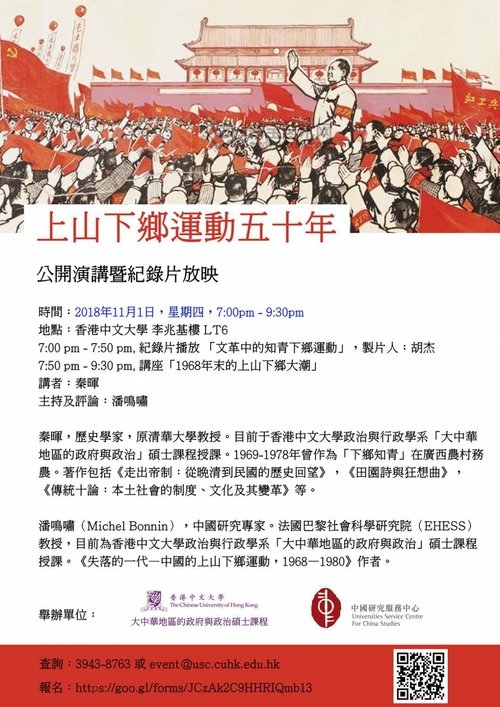
Despite the increasing number of people entering the field of documentary filmmaking, historical subjects are less popular due to limited materials and the difficulty in handling them. Hu Jie has chosen to stay in this field and work hard. "I know that shooting these historical subjects is very dangerous, so how can you ask others to do it? It can only be their choice after they have seen your work." Since 2014, due to health reasons, Hu Jie has not been actively making documentaries. This year, in response to an invitation from the Lung Ying-tai Cultural Foundation, he still provided the film "A Sidelight of the 1968 Up to the Mountains and Down to the Countryside Movement." Over the past three years, he has primarily engaged in printmaking, producing about 70 to 80 pieces, in addition to many small print bookplates.
1968 Movement of Educated Youths Going to the Countryside and Mountains
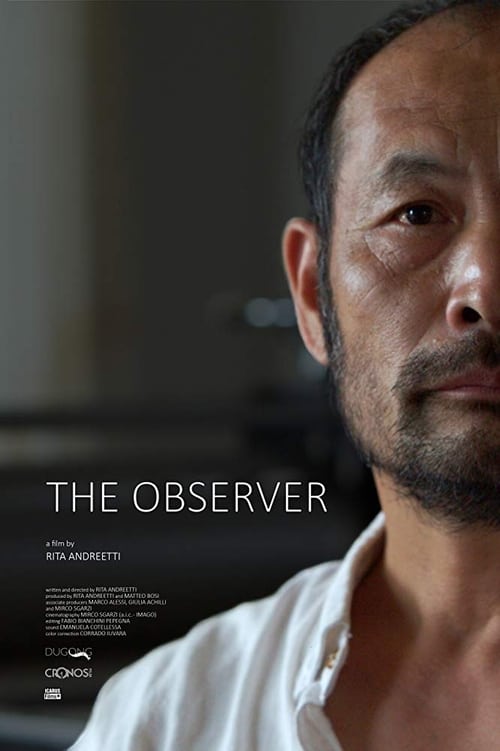
Dissident artist Hu Jie has managed to make more than 30 documentaries. Films like Though I Am Gone and Searching for Lin Zhao's Soul are vital to understanding Chinese history and society. Widely recognized as the first artist to dare talk about the Great Famine, the labor camps, and the Cultural Revolution, Hu Jie is considered China's first historical documentary filmmakers.
The Observer
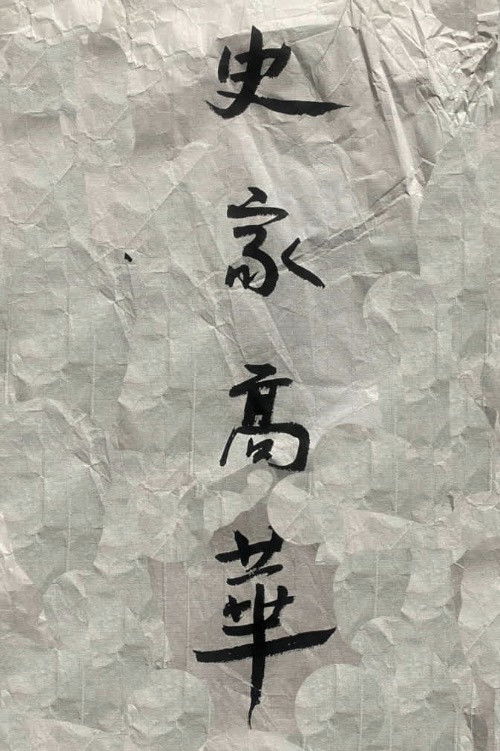
Unreleased Hu Jie film.
Historian Gao Hua
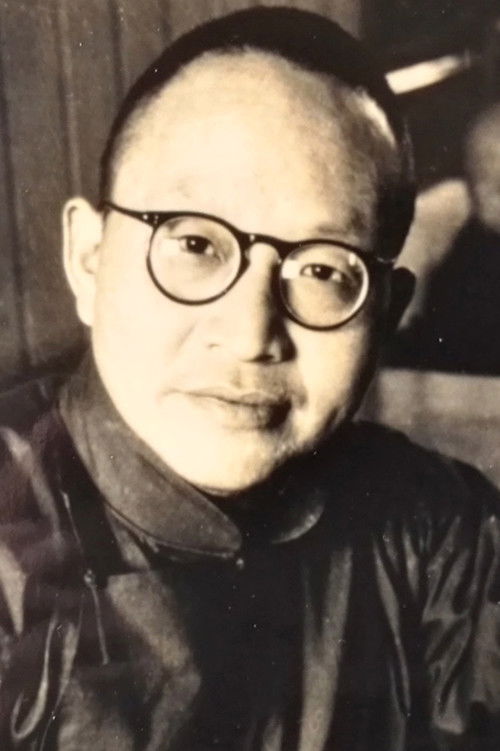
Unreleased Hu Jie film.
A Love Letter to the Motherland

In order to find such a fittingly inspiring matchmaker, the director visited nearly 10 matchmakers and finally selected the matchmaker in the film. The director then followed the matchmaker and witnessed the vicissitudes of life. In addition to the land, there is no form of art that can describe the heaviness of life and emotion. (Shot August 1995)
The Woman Matchmaker

Wang Peiying, a widow with seven children, was a worker at the Ministry of Railways. The famine precipitated by the Great Leap Forward, which killed perhaps 30 million people by the early 1960s, had horrified her, and as political turmoil began again only a few years later, she publicly called on China’s leader, Mao Zedong, to take responsibility for his mistakes and resign. Ms. Wang was sent to a psychiatric hospital and drugged. Released and paraded around the capital, she refused to recant. Instead, she repeated her accusations. Her jaw was broken to stop her from talking. After a mass trial at the Workers’ Stadium on Jan. 27, 1970, she was executed.
My Mother Wang Pei Ying
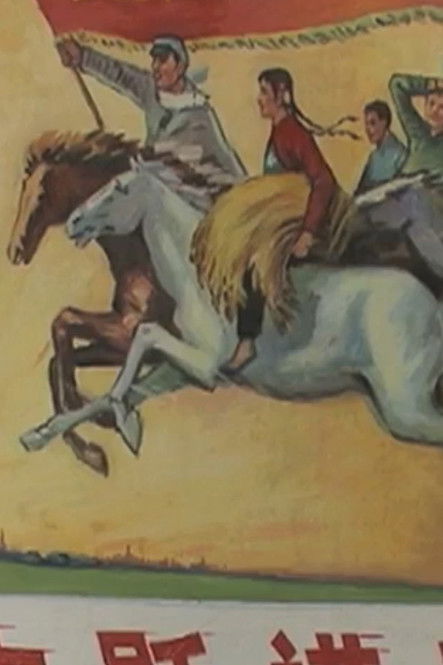
The Great Leap Forward of the People's Republic of China was an economic and social campaign led by the Chinese Communist Party (CCP) from 1958 to 1962. Chairman Mao Zedong launched the campaign to reconstruct the country from an agrarian economy into a communist society through the formation of people's communes.
辽阔之痛

In the mountains of China's Qinghai Province, there are countless small coal mines. The miners are all rural residents who live nearby, and their bodies are covered in coal dust from all the coal they must dig out each day to earn 500 yuan a month. The film records how they labour, the sounds of their heavy breathing, and what they see working far underground, while cherishing dreams of a better life, such as the kind we live.
The Silent Nu River
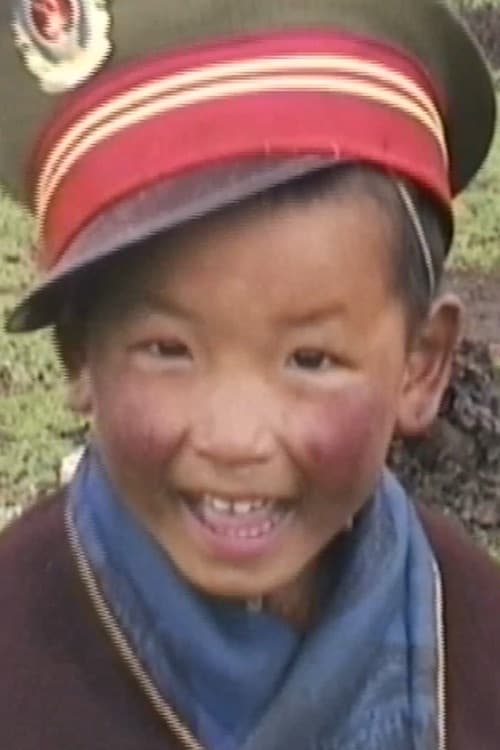
A group of ancient Tibetan nomads live in the Qilian Mountains in western China. Their home is a tent made of yak hair. They change their location with the seasons — to allow their cattle and sheep to eat the best grass, while protecting the vegetation of the pasture. They stick to their traditional beliefs. The women chant scriptures from time to time while turning prayer wheels. In the evening, devout rituals are performed in front of small portraits of the Panchen Lama and the Dalai Lama. During migration, the families help each other pack their belongings and load them onto yaks; they ride horses, sing pastoral songs, and drive cattle and sheep along the ancient nomadic route. This film documents their journey — from the spring to the autumn. It is a spiritual and a practical life: Sheep are exchanged for yaks, wool for tea, fried noodles for money. Every cloud over the mountain has a divine nature; the sun and the moon are the Panchen Lama and the Dalai Lama. (Shot June 1995.)
Migration
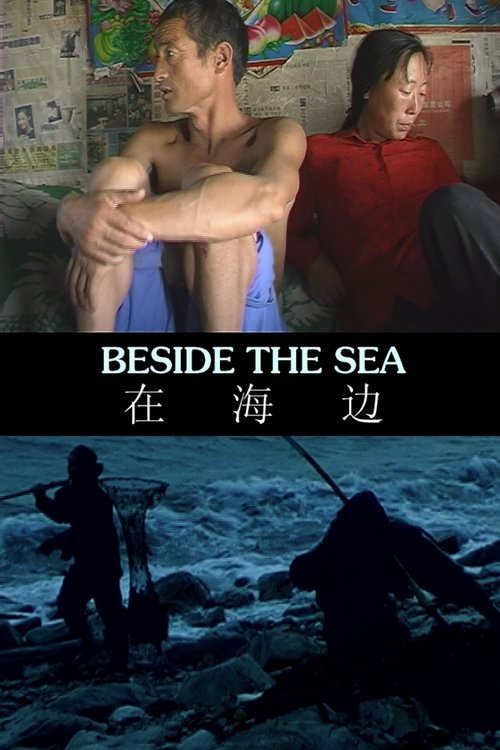
Because of difficulties where they live in the north east of China, a husband and wife go back to their hometown in Shandong Province and settle in their hometown by the sea with three children. With no land of their own, they have to face the sea, and start their life again.
Beside the Sea
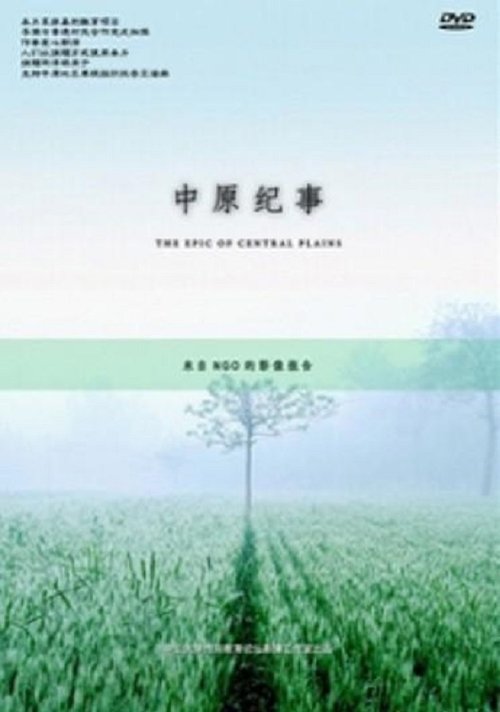
In the late 1980s and early 1990s, in an attempt to stop the spread of AIDS, the Chinese government sought a “purer” blood supply from its rural population. Burdened by agricultural taxes and rising costs of education and health care, many peasants sold blood to state and private blood-collectors. Due to lack of sanitary control, a large number of blood-sellers were infected with HIV. Starting from the mid-1990s, AIDS villages multiplied.
The Epic Of The Central Plains
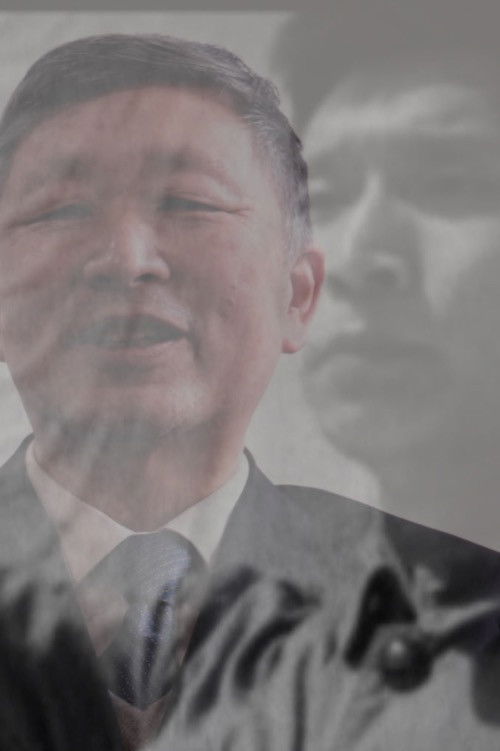
Unreleased film by Hu Jie, shot between 2009 and 2016, editing completed in November 2023. This film takes as its central thread the experiences of Mr. Yao Jianfu and his parents during “Red August,” in the early period of the Cultural Revolution, and uses interviews with former Red Guards as a secondary line. Together, these elements present the Red Guard movement in the initial stage of the Cultural Revolution.
Red August

Hu County, in suburban Xi’an, is famous for its peasant paintings, produced in 1958 during the Great Leap Forward. It became particularly famous during the Cultural Revolution, when these works were hailed as model paintings. In 2005, the directors visited the county and interviewed both the painters and their teachers. Comparing different political languages and artistic imaginings across the ages, the film draws on diverse sources: old documentary film clips, new propaganda paintings, Beijing Opera in the local “Qin” accent, and traces of the old amongst the new. All these elements are engaged to help us better understand the painters and the phenomenon of propaganda paintings
Painting For The Revolution: Peasants Paintings from HU County
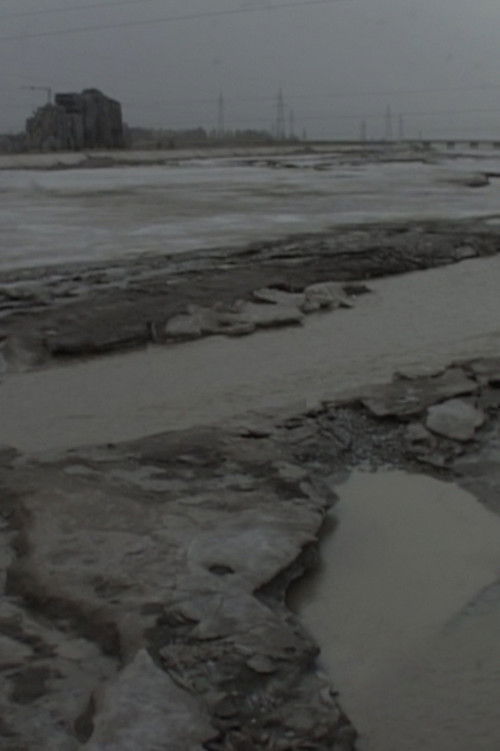
This film narrates the tragic events that unfolded at Jiabian Gou Farm from 1958 to December 1960, resulting in the deaths of over two thousand individuals due to exhaustion and starvation. Originally a labor reform farm housing prisoners in Jiuquan City, Gansu Province, Jiabian Gou Farm was transformed in 1958 into a facility for re-educating labor inmates. It also took in over three thousand individuals labeled as rightists from Gansu, including university professors, county-level officials, military officers, professionals from various industries, and teachers from different schools. Amid the political terror of the Great Leap Forward, extravagant claims flourished, and an atmosphere of self-preservation and selective reporting of positive news prevailed. This environment led to instances of cannibalism being overlooked, even as people continued to starve to death.
From Jiabian Gou to Mingshui River
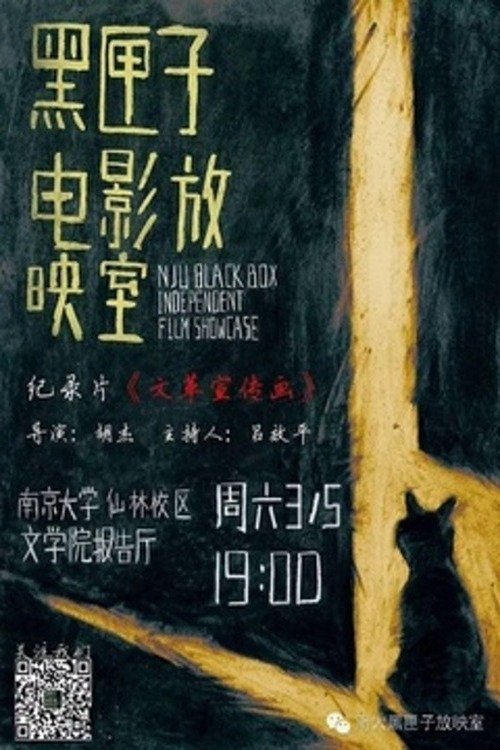
This film demonstrates the characteristics of Cultural Revolution art through a large number of paintings during the Cultural Revolution, and presents the unique experience of the individuals behind the posters.