Directing
Horizon tells amazing science stories, unravels mysteries and reveals worlds you've never seen before.
Billie JD Porter finds out what it’s really like to grow up in China, the country with the highest population on the planet.
No description available.
Imagine a world where your furry best friend could tell you exactly what they're thinking. A growing number of dog owners claim this is already happening, thanks to innovative word buttons that seem to unlock a new realm of canine communication. But are these dogs truly understanding what we’re saying — and talking back? Are they really thinking creatively, applying words in new contexts? Or is this just clever conditioning? To find out, scientists are conducting the largest animal communication study in history, analyzing millions of button presses from thousands of dogs worldwide. Witness astonishing moments that challenge our assumptions about animal intelligence, from dogs that seemingly engage in conversations to those who learn new words with incredible speed. Prepare to question everything you thought you knew about the minds of dogs and discover just how far their linguistic abilities might stretch.
Katya Adler examines the political situation in Europe.
The BBC's Europe editor, Katya Adler, travels across the Balkans.
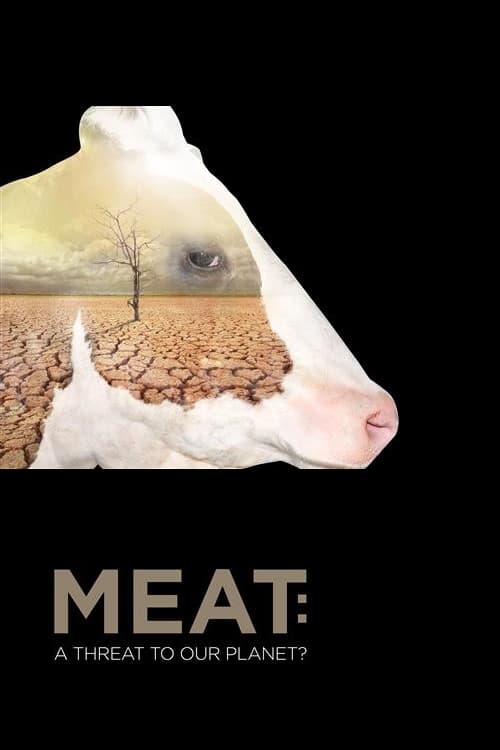
From colossal farms in America to the destruction of the Amazon, is our hunger for meat killing our planet?
Katya Adler explores how life is changing for people living on Russia’s border and the consequences of Putin’s war on the west.
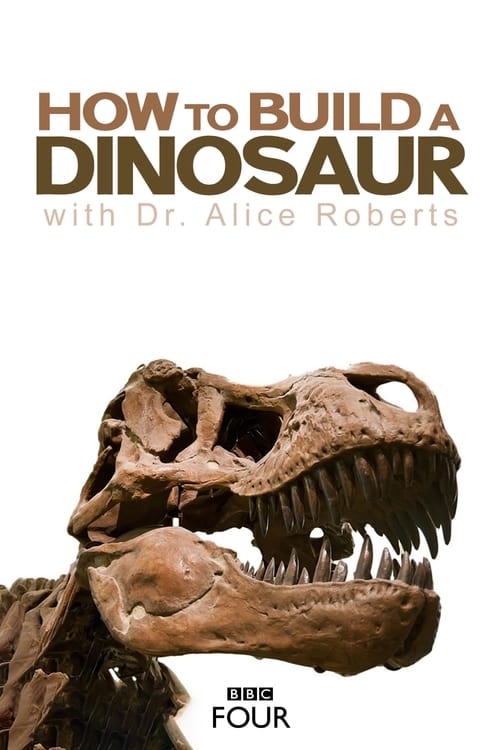
Dinosaurs died out 65 million years ago and we have hardly ever found a complete skeleton. So how do we turn a pile of broken bones into a dinosaur exhibit? Dr Alice Roberts finds out how the experts put skeletons back together, with muscles, accurate postures, and even - in some cases - the correct skin color. Here's a conundrum. Most dinosaur skeletons are incomplete, so how do you create museum exhibits that are realistic? As Dr Alice Roberts discovers, it's a practical question for those putting together an exhibition at LA County's Natural History Museum, who have to design dynamic, punter-pleasing displays that also reflect the latest thinking in paleontology circles.
From the BBC's space fanatic James Burke testing out the latest Nasa equipment to 1960s interviews about the bacon-flavoured crystals that astronauts can survive on in space, to the iconic images of man's first steps on the moon and the dramatic story of Apollo 13, Horizon and the BBC have covered it all.