Qais Al-Zubaidi
Directing
Biography
Qais Al-Zubaidi (قيس الزبيدي) is an Iraqi screenwriter, director, cinematographer and editor born in Baghdad in 1945. He studied editing and image at the Higher Institute of Cinema of Babelsberg in Germany. He first worked on German documentaries for the Higher Institute of Cinema and for Deutsche Film-Aktiengesellschaft (DEFA) studio. Many of his documentaries, including Far from the Homeland (1969) and Testimonies of Palestinian Children in Wartime (1972), were shot in Syria and focused on Palestinian people. He has also edited famous Arab films such as Crown of Thorns directed by Nabil Al-Maleh, The Knife directed by Khaled Hamadeh, Beirut, Oh Beirut director by Maroun Bagdadi, and The Night directed by Muhammad Malas.
Known For

In the destroyed city of Quneitra is the grave of a resistance fighter for Palestine. His son, the director, tries to restore the dead man's history by mixing echoes of his mother's memory and his desire to give his father a more honorable death. Through the daily lives, dreams, fears, and hopes of its citizens, Malas chronicles his hometown Quneitra in the Golan Heights between 1936, the year of the first revolts against the British and Zionists in Palestine until the year of the city's destruction. He seeks to exorcise a feeling of shame and humiliation that long accompanied the image of his father and also his town, occupied by Israelis in 1967.
The Night
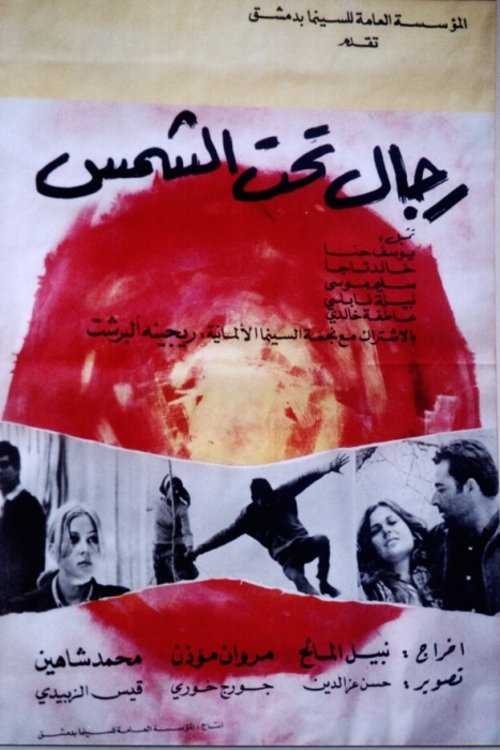
Three Palestinian men strive to escape the hardships of life in a refugee camp. Under the scorching sun, the men enlist the help of an old man, Abu Al-Khaizuran, to smuggle them in an empty water tank across the desert.
Men Under the Sun
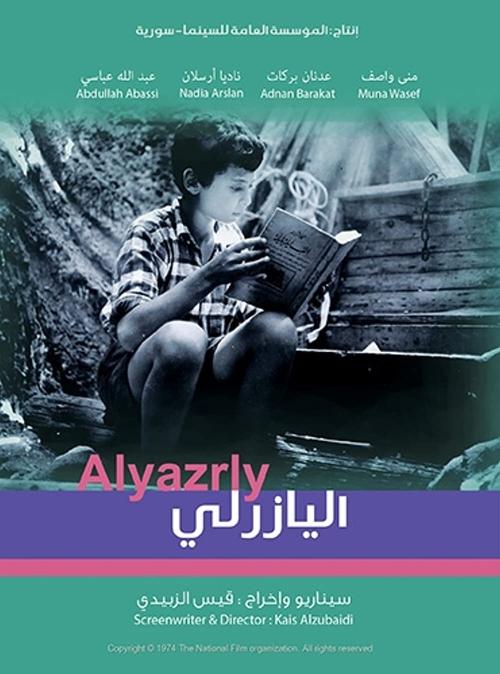
The Yazerli is the foreman who provides work to day laborers. The film’s poetic, non-narrative structure simulates the fractured thoughts of a young boy who is forced to leave school and find work on the docks. Using minimal dialogue but evocative music and sounds, separate vignettes introduce characters the boy encounters in a single workday. The filmmaker explores the child’s vivid imaginary world while tangibly conveying the physical harshness and repressed sexuality of a life spent in poverty and manual labor. Based on a novella by Hanna Mina.
Al-Yazerli
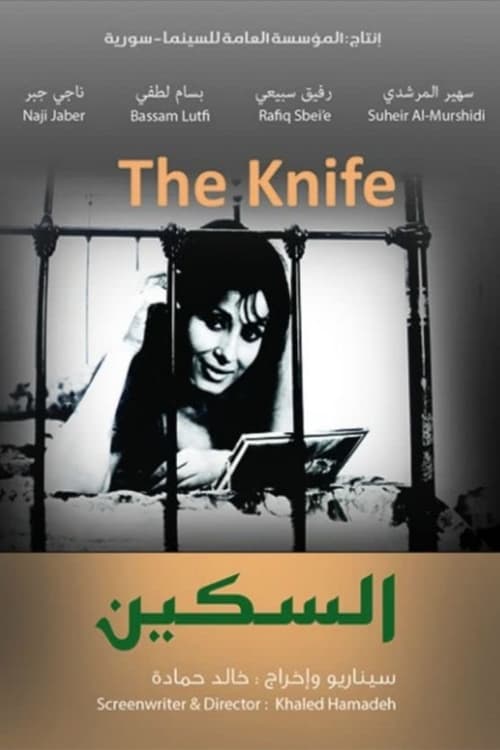
Syrian-Palestinian film The Knife (1971), based on Palestinian revolutionary Ghassan Kanafani‘s novella All That’s Left To You; an allegorical story of Palestinian attachment to land and family, and the sorrow over their loss.
The Knife
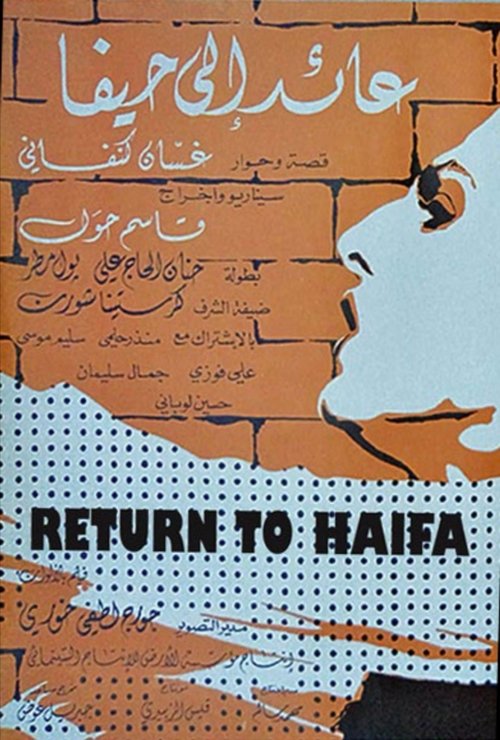
Return to Haifa is based on Kanafani’s novel the plot of which takes place in 1967, when Palestinian refugees living in the newly occupied territories had an opportunity to visit the places from which they had been expelled in 1948.
Return to Haifa
Directed by Qais Al-Zubaidi.
Voice of the Silent Time
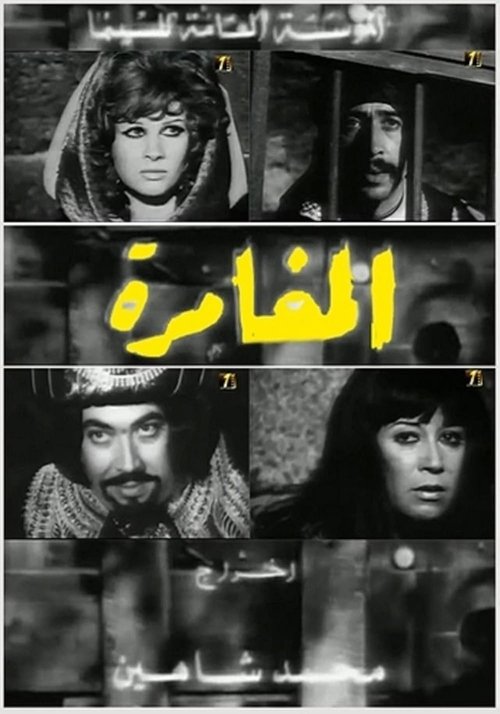
A mamluk called Gaber, in order to take advantage of the rift between the Caliph of Baghdad and the prince he works for, volunteers to be a messenger for the prince. He also takes it as a chance to see his beloved Zomorod. Gaber suggests the prince write the message on his bald head, but when his hair grows the message disappears.
The Adventure
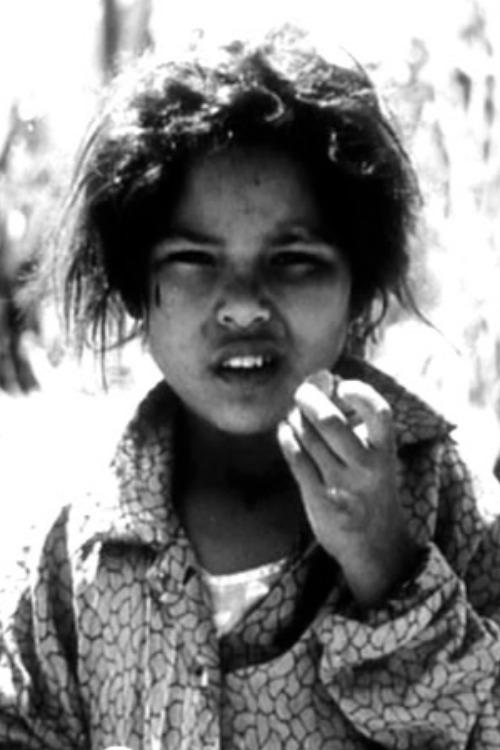
A film documenting Al-Sabineh camp for Palestinian refugees in Syria, with an unprecedented experience at the time, as he took the children after filming to show them the footage he filmed of them, the camp and its people, and recorded their reactions, laughter and speech, and added them to the film.
Far Away from Home
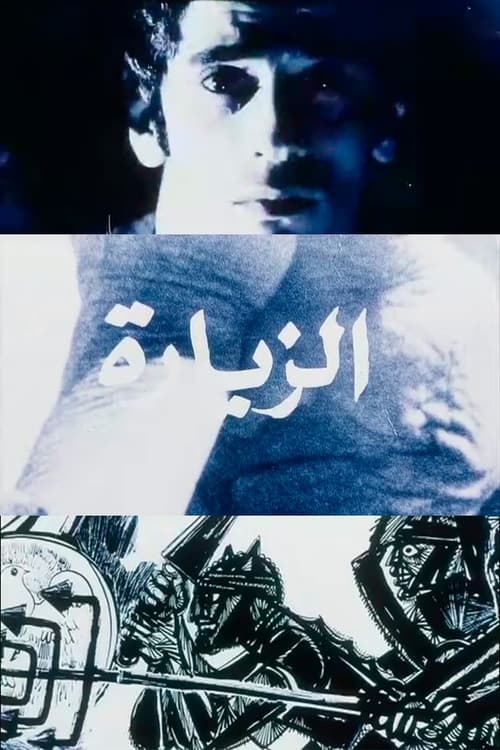
An oneiric film poem about a murder in occupied Palestine, in which Qais Al-Zubaidi used drawing, poetry, music, phonograph and pantomime with his technical virtuosity and formal expressionism. Featuring poetry from Mahmoud Darwish, Samih al-Qasim, and Tawfiq Ziad.
The Visit
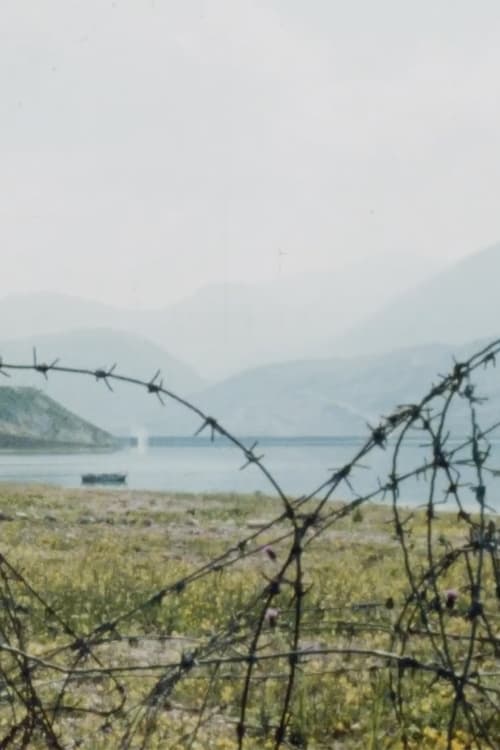
The film depicts the many Lebanese and Palestinian Resistance acts carried out by different factions against the Israeli occupation in Lebanon.
The Freedom Giver
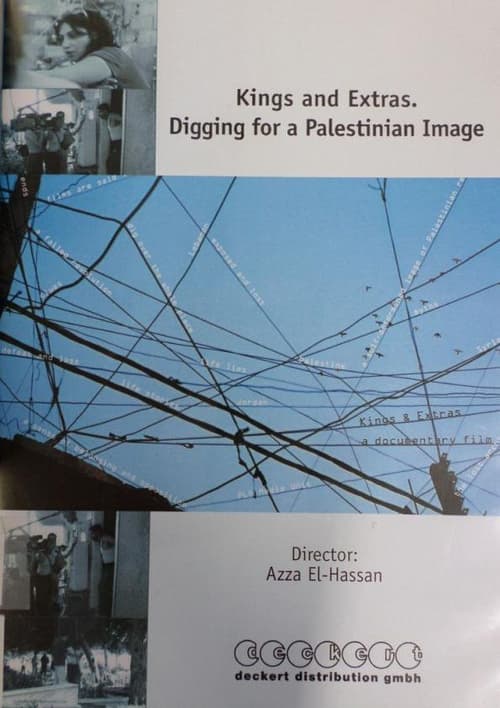
The films in the PLO Media Unit were supposed to show a self-determined image of Palestinian reality – and they went missing during the Israeli invasion of Beirut in 1982. In a « road movie » from Palestine to Jordan, Syria and Lebanon, director Azza El-Hassan follows the contradicting and confusing clues as to the whereabouts of the lost archive.
Kings and Extras: Digging for a Palestinian Image
al-Zubaidi uses GDR material to tell a rather linear story of Palestine, deploying the archive for illustration and evidence.
Palestine - A People's Record

Children express their experiences of war and diaspora through drawings and testimonials.
Testimonies of Palestinian Children in Times of War
Directed by Qais Al-Zubaidi.
A File on Issues
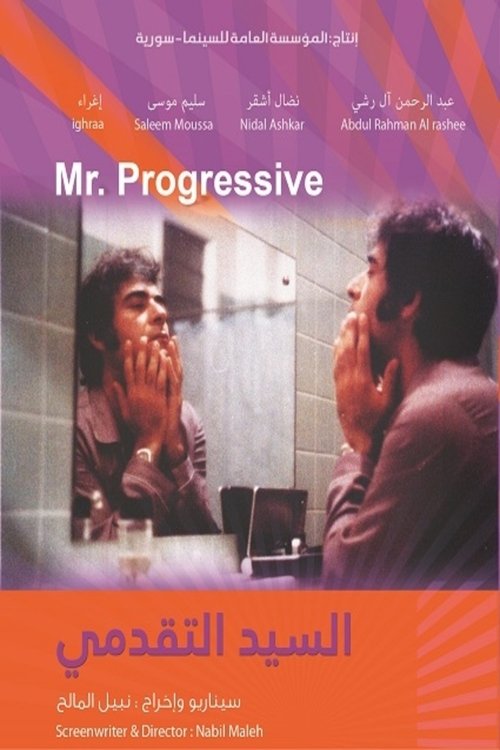
A revolutionary journalist tries to expose a corrupt, opportunistic politician who is making shady deals. The prominent politician tries to take revenge on him, using his intelligence and wide connections, by framing him in a murder that will silence him forever.
Mr. Progressive
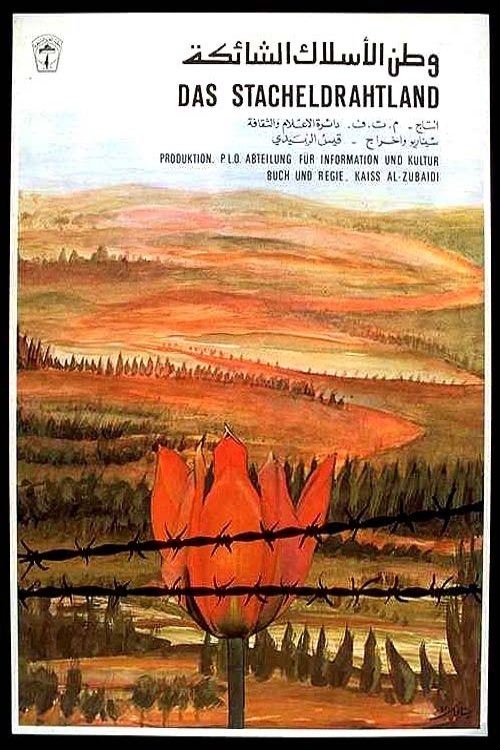
Directors belonging to the PLO film organisations were barred from entering territories under Israeli administration. Kais Al-Zubaidi sent a West-German film team into the territories occupied in 1967. They talked to Palestinian peasants and refugees and to Israeli settlers. The former have lost their fields and meadows and are to be driven further East from the camps in which they lived since 1948. The latter call their new settlement area “liberated land”.
Homeland of Barbed Wire

Using film footage from various sources, Kaiss al-Zubaidi creates a description of the everyday lives of Palestinians in the occupied West Bank. Through skilful montage, the constant latency of conflict and violence becomes a relationship between the images. Counter-Siege was awarded one of seven ‘Main Prizes’ by the international jury at the 1979 Oberhausen Short Film Festival.
Hisar Muddad
Directed by Qais Al-Zubaidi.
Gull's Flight of the Years
No description available.