Jean Dansereau
Production
Known For
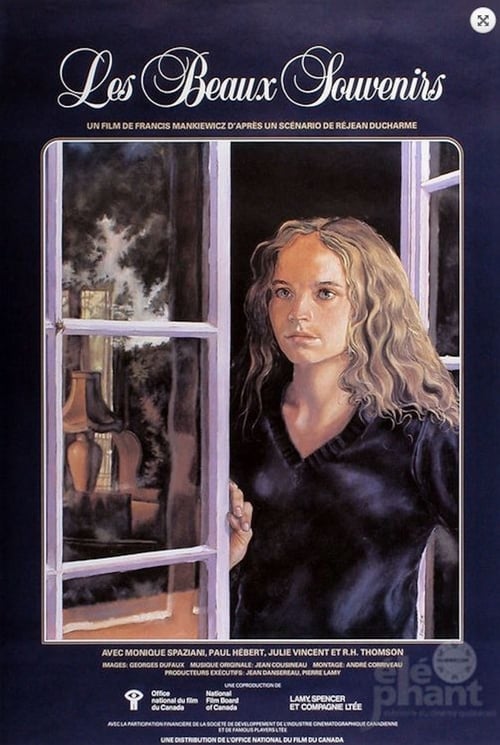
A woman attempts to resume her place in the family that she abandoned years earlier.
Happy Memories
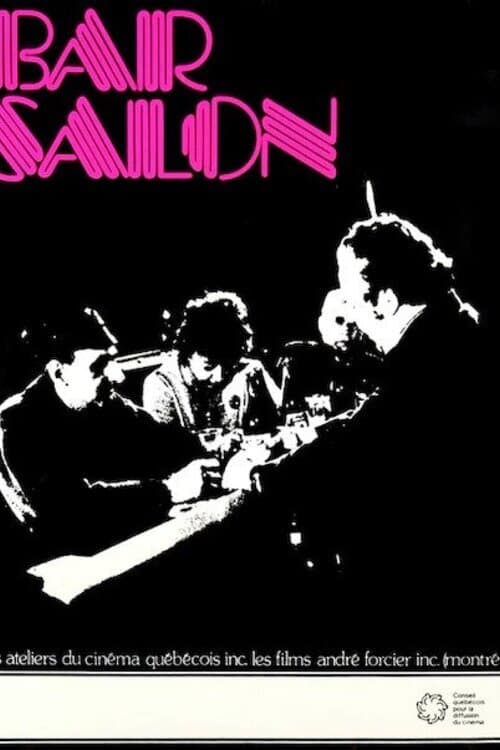
Tragicomic portrait of a bar's owners and patrons in a poor Montreal neighbourhood.
Bar Salon
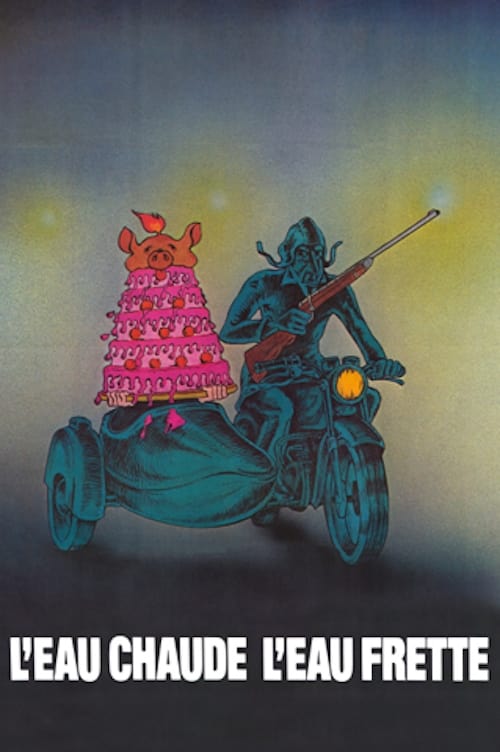
In a poor neighborhood, teenagers plot an assassination while a party is being organized for the local usurer.
A Pacemaker and a Sidecar
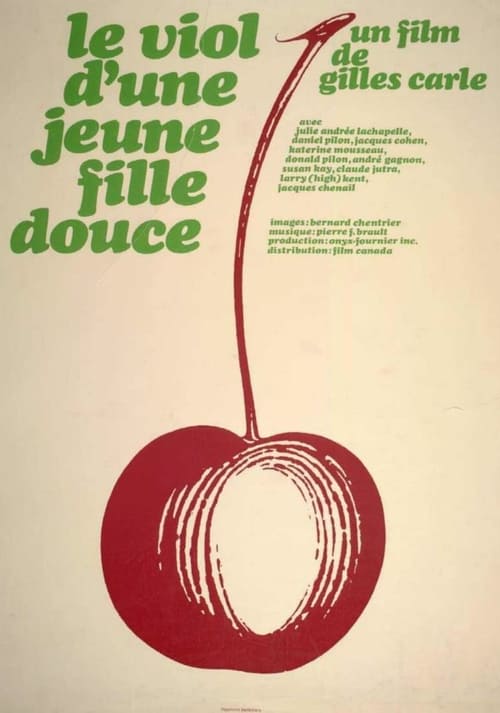
When a sexually promiscuous young woman finds herself pregnant and unmarried her three brothers vow to find the man responsible and punish him for what they consider the rape of their sister.
The Rape of a Sweet Young Girl
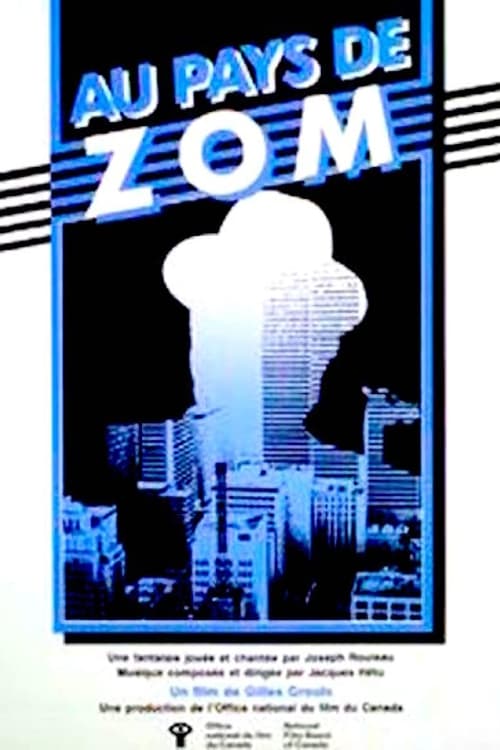
A film-opera divided into nine segments, Au pays de Zom tells a day in the life of Mister Zom, a capitalist infatuated with his own person, whose conformism is only matched by his artistic velleity. A thematic sequel to his movie filmed with Mexican peasants, here Groulx asks, by making a business man sing, a second question on happiness: this time about the ones for whom happiness is linked with the possession of overabundance. He delivers, by developing the theatrical dimension with great emphasis, a social pamphlet with a strong satirical charge that he himself qualified as a "neo-surrealist fantasy".
Au pays de Zom
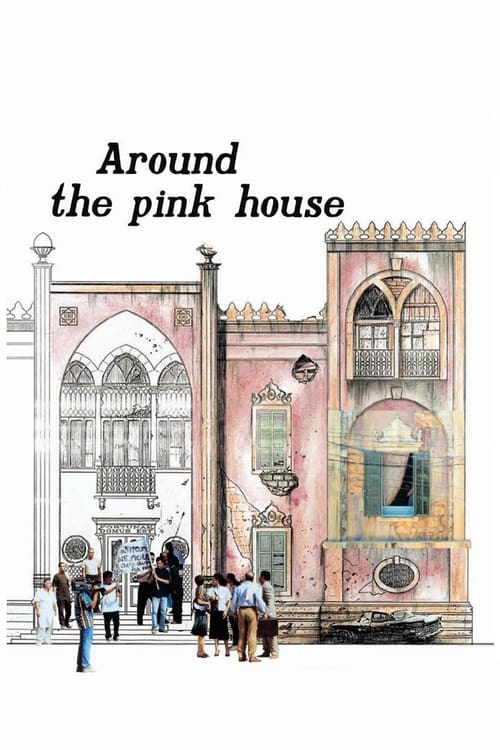
One of the most popular Lebanese films of the late 1990s, Around the Pink House is a story that explores the changing urban landscape of Beirut after the Civil War. La maison rose (the pink house) is an old mansion in Beirut where the Nawfal family found shelter during the Civil War. Unfortunately for them, their immediate environment is rapidly changing, as many of the old shell-ridden buildings are being torn down and replaced by new construction projects. When Mattar, the owner of the pink house, decides to sell it to make room for a large commercial centre, the residents of the neighbourhood become divided between the shopkeepers and businessmen in favour of a different kind of modernity.
Around the Pink House

In Quebec 40s, orphans or abandoned children are placed in a gigantic psychiatric hospital where children were locked. Were they sick? No, they simply had no family. To escape this oppressive universe, they created a parallel world: the institution's basement where, in a maze of tunnels, they founded an independent company, with its rituals, spells. A young girl, Agnes, reigns over this underground world that adults seem to tolerate.
The Lady of Colours
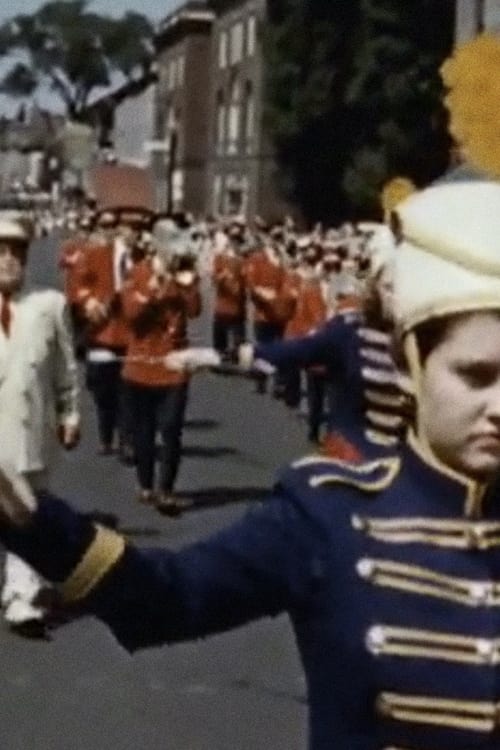
This short documentary profiles Saint-Jean-Baptiste Day parade in Montreal in 1959. The annual parade takes place every June 24th in memory of Saint-Jean-Baptiste, the patron saint of Québec. Candid shots of youngsters preparing their costumes for the festivities are partnered with a lively jazz soundtrack. All the Montrealers and out-of-town tourists featured in this film avidly participate in a public festivity that is dear to their hearts.
A Day in June
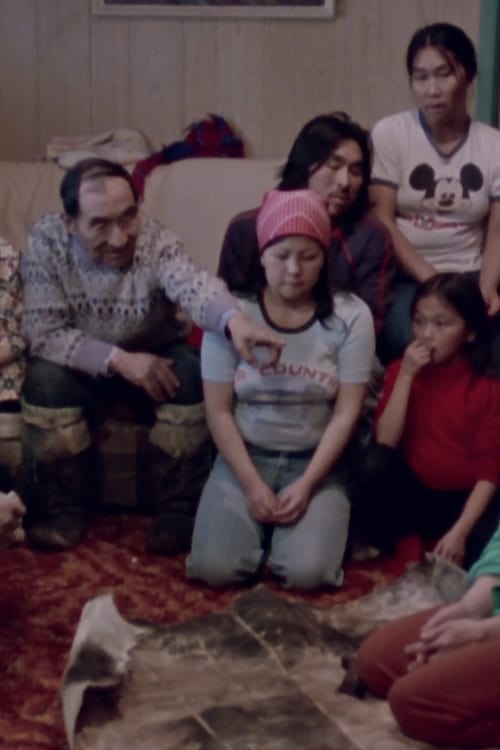
Made in collaboration with the Inuit Tungavingat Nunamini, this film focuses on those dissident members of the Inuit community who rejected the agreement signed on November 11, 1975, between the Northern Quebec Inuit Association, the Québec and federal governments, the James Bay Energy Corporation, the James Bay Development Corporation, Hydro-Québec and the Grand Council of the Crees, which took away Native rights to a territory of almost one million square kilometres. By their words and actions, the dissident Inuit of Povungnituk, Ivujivik and Sugluk express their strong desire to retain their land and their traditions. The filmmakers go into their homes, on the ice and the sea to record first-hand the lives of these northern people.
Our Land, Our Truth
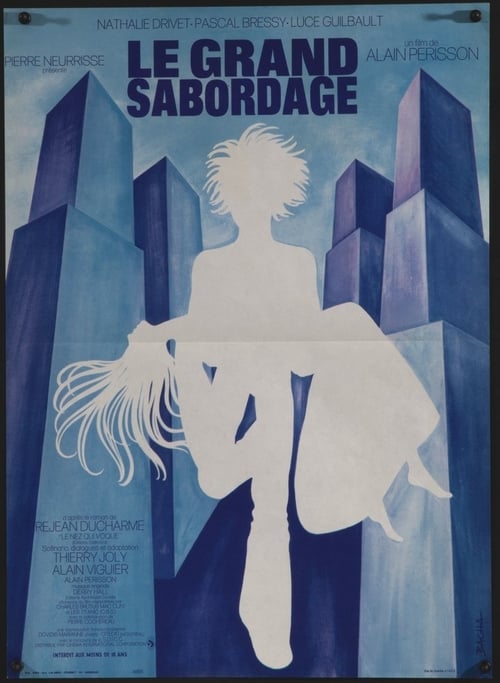
Two youngsters, a boy and girl barely into their teens, set up housekeeping together after dropping out of school. They have very little money and end up living in a rooming house. They spend their time playing, coming up with slogans, and writing them on available walls. Their relationship is mostly fraternal, so the boy doesn't understand the girl's jealousy when he begins receiving attention from an older woman. When the girl undertakes drastic measures, he begins to understand. This Canadian film is in French, with a French director.
Le grand sabordage
No description available.
Jour de juin
No description available.
Riopelle
No description available.
Supports and Suspensions
No description available.
Springboard to the Sun
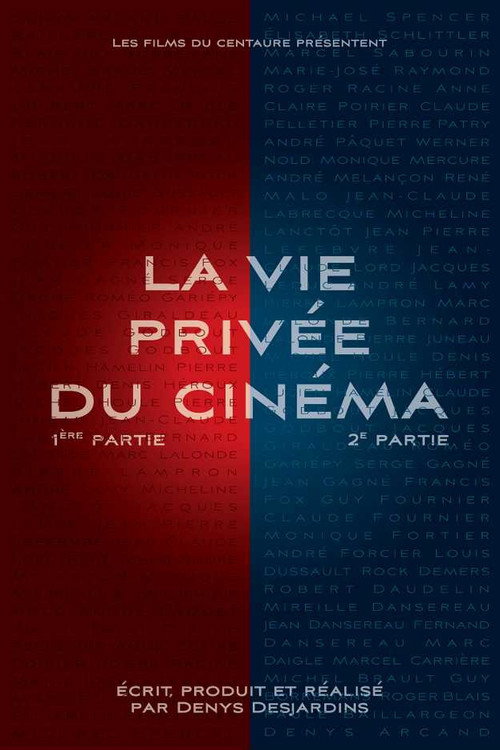
A two-part in-depth exploration of the evolution of the private film industry, seen through the eyes of more than 50 industry professionals. Part One (1939-1979) : Artists and professionals from the social and commercial film sectors recount the struggle to build a film industry that is privately operated yet publicly funded. Part Two (1980-2010) : Executives, policymakers, and industry professionals trace the origins of the major funding institutions and discuss the unintended consequences of building a cultural industry around performance metrics, revenue generation, and private profit.
The Private Life of Cinema
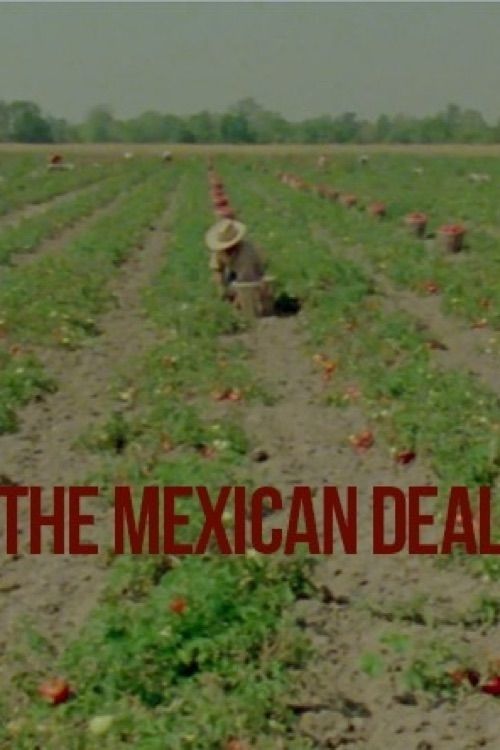
Documentary
Le Deal mexicain
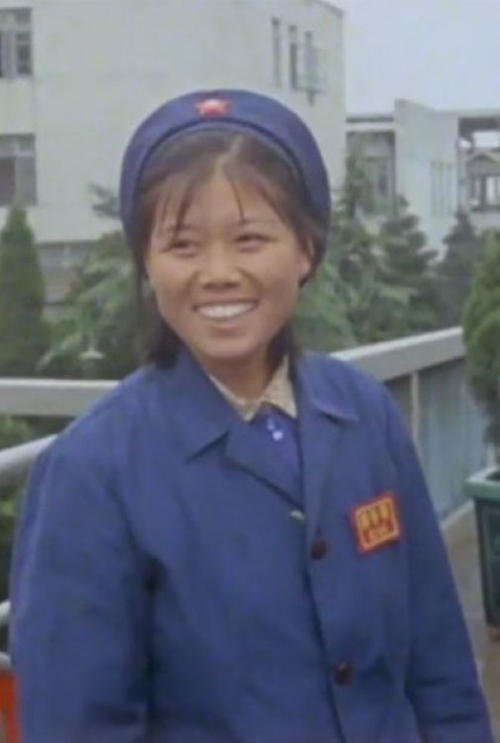
This documentary takes us on a journey of discovery through the words of young girls, members of the work team at Wuchang station, who spontaneously answer the filmmaker's questions. In these words and confidences, a concern emerges: to be first and foremost at the service of the Chinese people. Collective life takes priority over individual or family life. And when you get married, you agree to see your spouse only when their respective workplaces and schedules coincide...
Gui Daò - Sur la voie - Quelques Chinoises nous ont dit
How Canadians adjust to their long, snowbound season. Filmed with humour, 'The Joy of Winter' shows people making the best of what they cannot change. From tiny tots to human polar bears the film leaves no doubt that, in the eyes of many Canadians, winter may offer more attractions than summer.
The Joy of Winter
No description available.