Acting
Play for Today is a British television anthology drama series, produced by the BBC and transmitted on BBC1 from 1970 to 1984. During the run, more than three hundred programmes, featuring original television plays, and adaptations of stage plays and novels, were transmitted. The individual episodes were between fifty and a hundred minutes in duration.
A BBC television anthology series featuring productions of classic and contemporary stage plays usually broadcast on BBC1. Each production featured a different work, often using prominent British stage actors in the leading roles. The series was transmitted from October 1965 to September 1983.
An anthology of short plays shown on BBC Television between 1965 and 1973, used in part at least as a training ground for new writers, on account of its short length, and which therefore attracted many writers who later became well known.
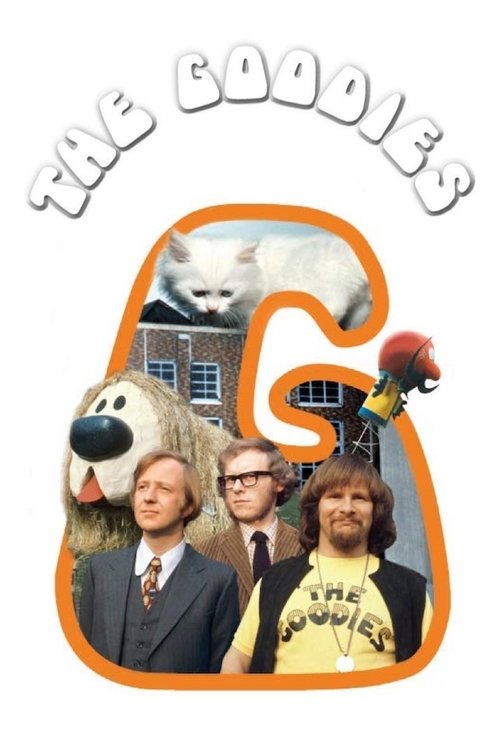
A British television comedy series of the 1970s and early 1980s, combining surreal sketches and situation comedy.
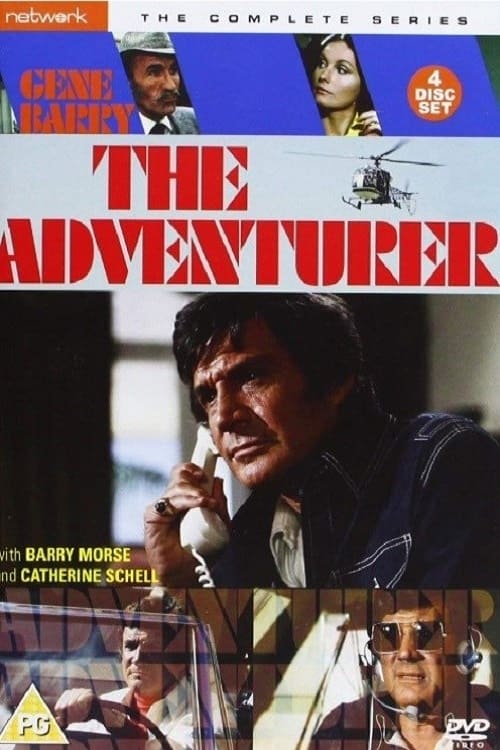
The Adventurer is an ITC Entertainment TV adventure series created by Dennis Spooner that ran for one season from 1972 to 1973. It premiered in the UK on 29 September 1972. The show starred Gene Barry as Gene Bradley, a government agent of independent means who poses as a glamorous American movie star.
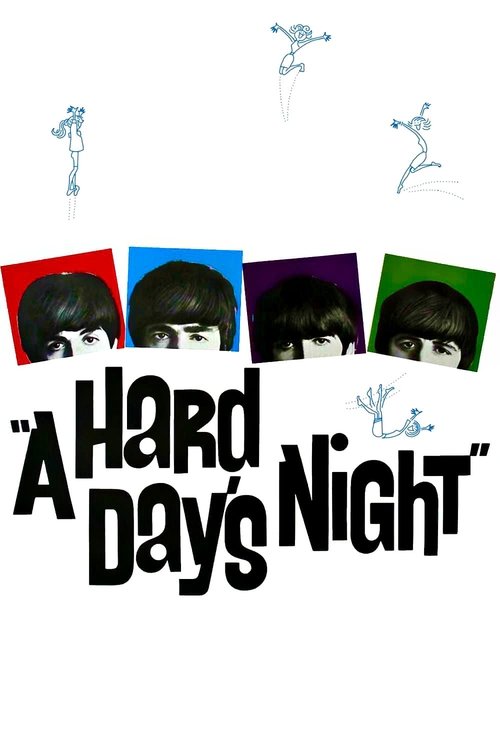
Capturing John Lennon, Paul McCartney, George Harrison and Ringo Starr in their electrifying element, 'A Hard Day's Night' is a wildly irreverent journey through this pastiche of a day in the life of The Beatles during 1964. The band have to use all their guile and wit to avoid the pursuing fans and press to reach their scheduled television performance, in spite of Paul's troublemaking grandfather and Ringo's arrest.
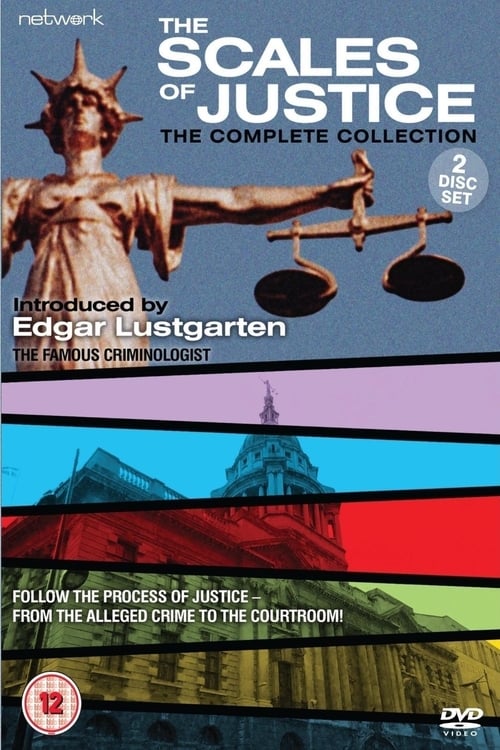
The Scales of Justice is a series of thirteen British cinema featurettes produced from 1962 to 1967 for Anglo-Amalgamated at Merton Park Studios in London. The first nine were made in black and white, and the last four in colour. The finale, Payment in Kind, was Merton Park's final production. Episodes were based on criminal cases, and each film was introduced by criminologist Edgar Lustgarten. The series derives its title from the symbolic scales held by the statue of Justice, situated above the dome of London's Central Criminal Court, The Old Bailey. The opening narration describes her as having "in her right hand, the Sword of Power and Retribution, and in her left – The Scales of Justice".
An anthology series based on the varied stories by W. Somerset Maugham divided into three categories: "Rule Britannia" about colonial life, "Women of the World" which focus on female characters, and "Victims of Fate".
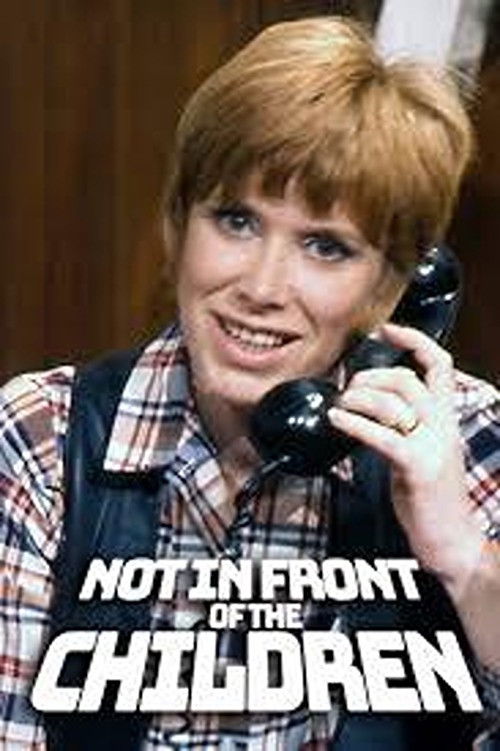
Jennifer Corner is a rather scatterbrained middle-class housewife. Her husband Henry is a school art teacher, and they have three children, Henry, Robin and Trudi.
An anthology of six standalone plays presented relationships either beginning or ending in love – but the outcome was not always marriage (or happiness). A second series of five episodes aired in 1986.
In the beginning was the apple ... Adam and Eve, the Apple, the Worm, Seven Deadly Sins and Cupid. Get ready for creation!
A series of plays, each reflecting an individual dilemma - sometimes serious, occasionally humorous - and each with a happy ending.
"All I said was the gramophone's too loud." Tony and Zoe Lyle 's silly row starts like any other, but Tony finds that Zoe means it this time. She's walking out and he's got a week to save a marriage that he hasn't looked at in 18 years, and with it all the trappings of a good life in Maida Vale.
Benji gets lost after a flight overseas and becomes a stray in Athens, Greece. He then tries everyday to reunite with his family while mysterious people pursue him, in a race to get a code which was secretly tattooed on his paw at the airport. But who are the bad guys and who are the agents that can be trusted? Will Benji and his kids and their nanny ever get to enjoy their vacation?
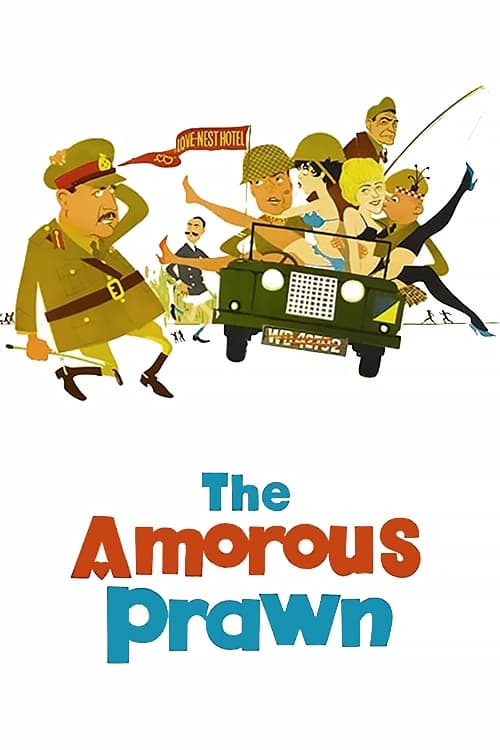
While her husband, the General is abroad, Lady Fitzadam decides to convert their army residence into a fishing resort for rich American tourists in order to raise money for their dream retirement cottage.
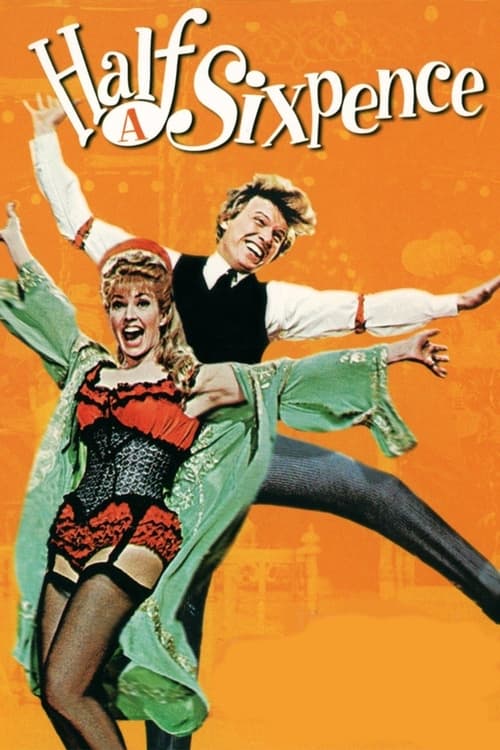
"If I had the money, I'd buy me a banjo!" says struggling sales clerk Arthur Kipps. Soon he'll inherit enough to buy a whole bloomin' orchestra. But can his newfound wealth buy happiness?
The adventures of a husband and wife sleuthing team.
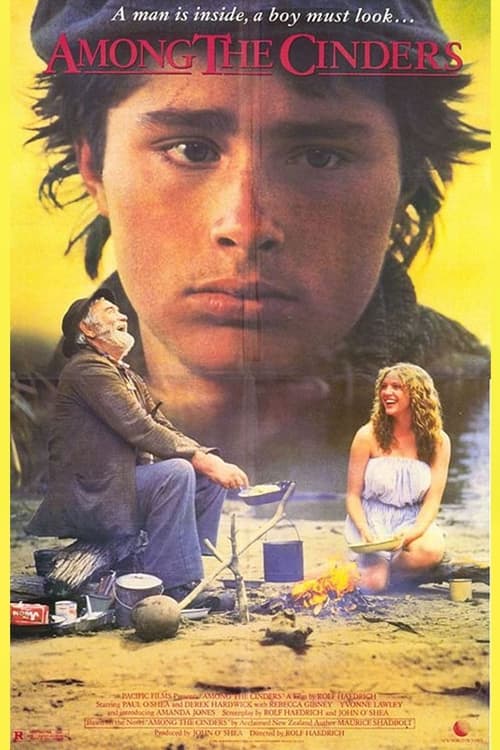
A teenage boy, Nick, has difficulty coping with the death of a friend. When Nick's grandmother also dies, his grandfather, thinking that the boy will not be able to handle another loss, conceals her death and takes Nick on a journey into the countryside.
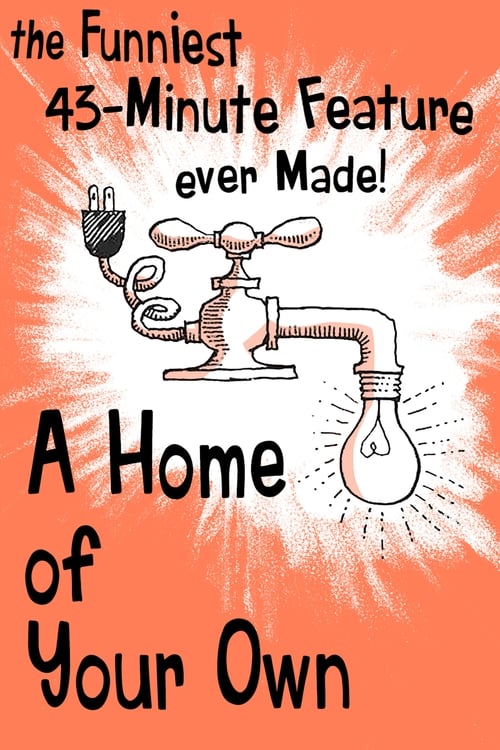
A Home of Your Own is a 1964 British comedy film which is a brick-by-brick account of the building a young couple’s dream house. From the day when the site is first selected, to the day – several years and children later – when the couple finally move in, the story is a noisy but wordless comedy of errors as the incompetent labourers struggle to complete the house. It may well have been inspired by the success of Bernard Cribbins' classic song of the same vein from two years earlier, "Right Said Fred". In this satirical look at British builders, many cups of tea are made, windows are broken and the same section of road is dug up over and over again by the water board, the electricity board and the gas board. Ronnie Barker’s put-upon cement mixer, Peter Butterworth’s short-sighted carpenter and Bernard Cribbins’ hapless stonemason all contribute to the ensuing chaos.
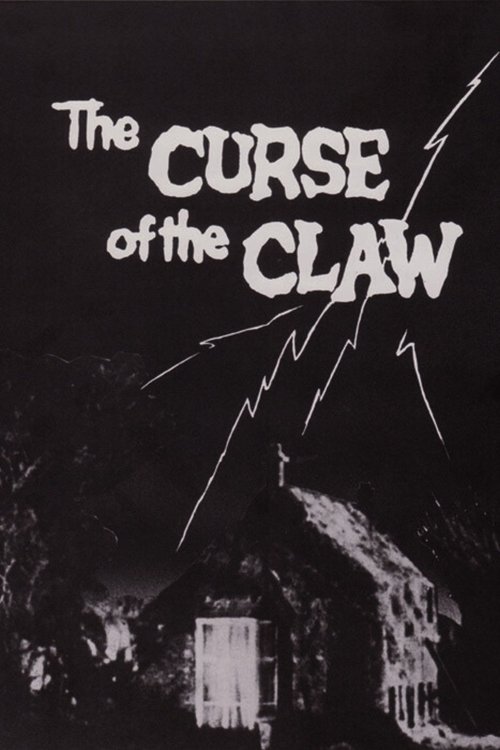
Sir Kevin Orr is anxious to return the Sacred Claw of the Naga hills given him as a child by his uncle Jack but warned that unless it is returned before his sixtieth birthday the curse of the claw will kill him. He sets sail to return it but falls for the ship's female officer, who throws the claw overboard, killing everybody but Kevin. Years later the claw has returned and on his sixtieth birthday Kevin finds his wife Agatha dead, the claw beside her. He finally sends the claw back to the Naga hills, breaking the curse but sending him back in time to his childhood, his relatives still alive.