Directing
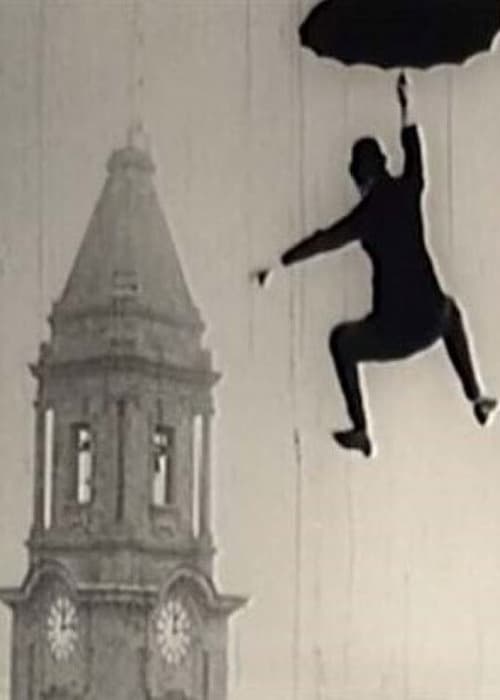
Billed as New Zealand's first "talking picture comedy", 'Hamilton talks' was made in the early 1930s. Shot in Hamilton, it is a typical comedy of the time involving many local scenes and local people in its making.
The movie is set eight years after the events of On Our Selection. The Rudd family are now more prosperous, but Dad is as autocratic as ever. His children are grown up and the baby twins are up to mischief Dave is married and tries to do as little work as possible, but is forced to do so by his wife and domineering mother.
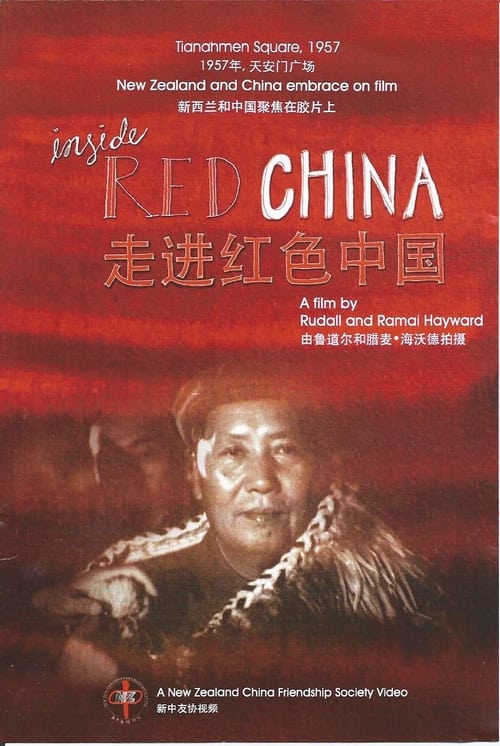
October 1st, 1957. Dusk descends on Tiananmen Square, Peking. Fireworks crackle light across the night sky, above a city alive with National Day festivities and celebrations. Two intrepid New Zealand film-makers - Rudall and Ramai Te Miha Hayward - are there, documenting the life and times of communist China. The distinction of being the first English speaking foreigners to film unfettered in communist China was significant. The invitation to visit China was facilitated through the New Zealand China Friendship Society. They filmed in Canton, Shanghai, Peking (Beijing) and Wuhan. It was a small window of opportunity for Westerners to gaze on a country that was largely a mystery to the outside world since 1949. The unfortunate irony was that two of the documentaries; “Wonders of China”, and “Inside Red China”, were considered to be communist propaganda, and were not distributed outside of New Zealand.
Set in the Bay of Plenty in 1864, the story dramatises an event which occurred at a small settlement called Mill Farm. Seven people in the settlement are attacked by 100 of Te Kooti's warriors.
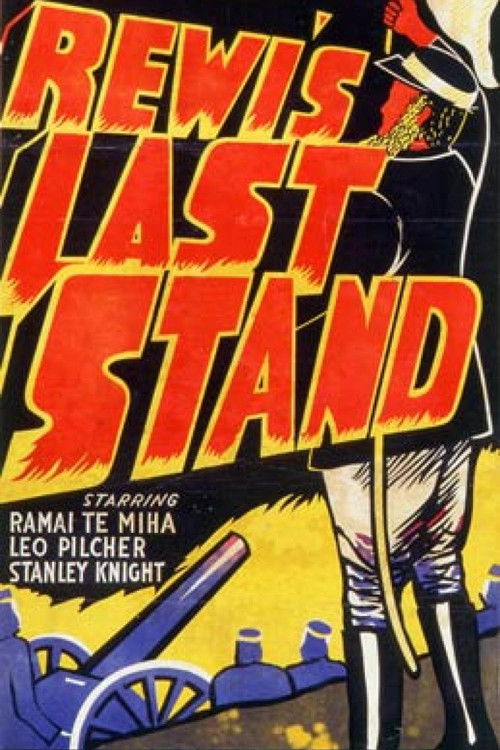
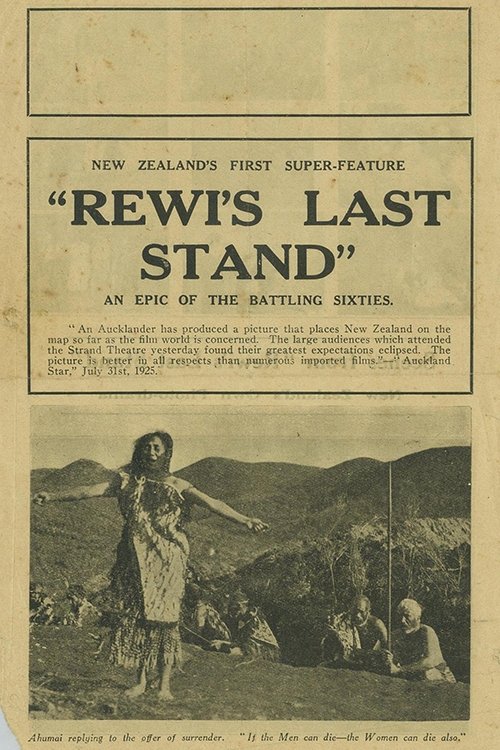
Star-crossed lovers, Robert and Ariana, are caught up in the New Zealand wars of the 1860s. Ariana is claimed by the Maniapoto people as one of their own and, despite Robert's chivalrous defence, is taken by them and must help them prepare for war. Robert likewise must do his patriotic duty and enlists to fight on the other side. He volunteers to ride despatch, thinking it may give him an opportunity to see Ariana again, which it does, but their joy is short-lived; Maniapoto women fight beside their men, and furthermore she is a Rangitira (noble) and will not let her people down. The climax is the siege of Oraku Pa where 300 Maori hold off 2000 troops for three days. The Maniapoto are defeated, but Ariana, although wounded, survives to be reunited with Robert.
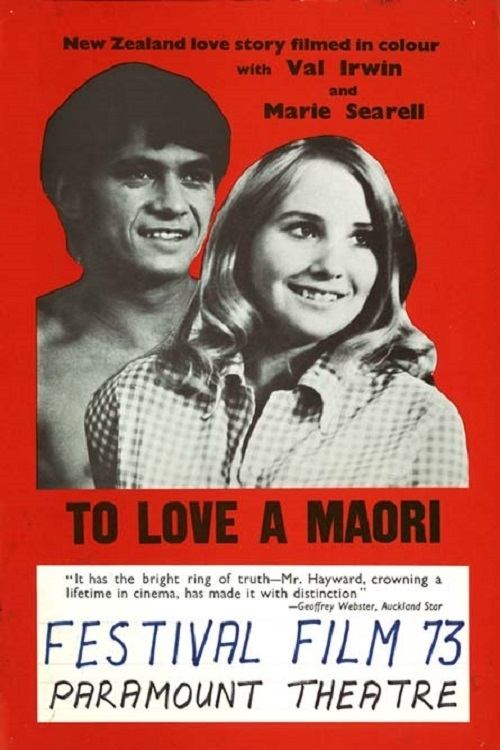
TO LOVE A MAORI tells the story of Tama and Riki, two young men who leave their country marae for Auckland and the racial discrimination they face once they arrive in the city.
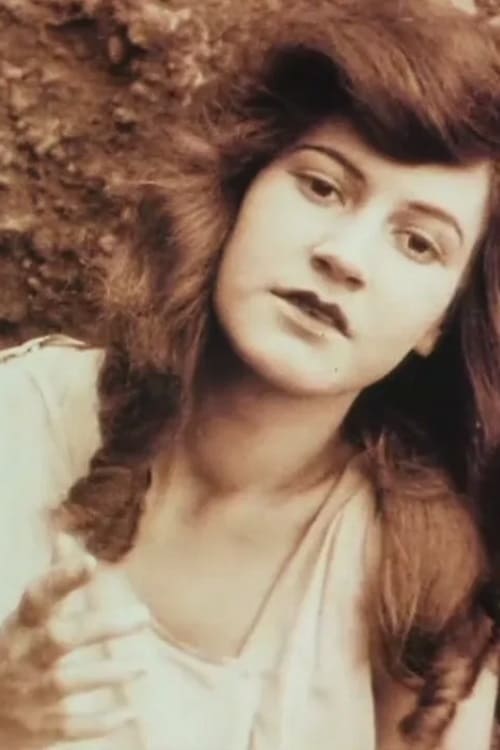
My Lady of the Cave is the first feature film by pioneer filmmaker Rudall Hayward.
A young woman grows up in the country and inherits an estate from her wealthy grandfather. Her grandfather's servant attempts to defraud her but his attempts are frustrated by the grandfather's lawyer and the girl's friend, a naval lieutenant.
The plot involves Mac McDermott who is wrongly accused of theft and imprisoned, but is finally vindicated and cleared.
A short silent comedy set in Takapuna, Auckland. Features Hector St. Clair, the London Pantomime Comedian. One of 23 community comedies made by director Rudall Hayward in different New Zealand towns between 1928 and 1929.
The winter of 1863 finds the settlement of Auckland living in fear of Maori Rebels. Sir George Grey England's pro-consul has been sent out to handle these difficulties. Dr Wake, an Auckland Surgeon, and his daughter Cecily meet a young Englishman named Kenneth Gordon and the two young people become friends. When the Waikato war gets worse Gordon joints Von Tempsky's Corps of Forest Rangers.