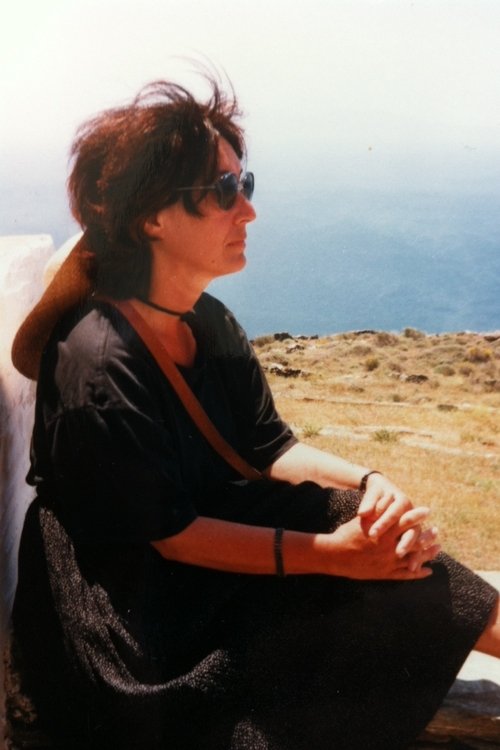
Barbara Meter
Directing
Biography
Barbara Meter finished the Dutch Film Academy in 1963 and got an MA Film and video at the London School of Printing in 1995. Meter was co-founder of Electric Cinema, in the early 70's a bastion of Dutch experimental cinema. Meter has made many experimental short films, and also some feature films and documentaries. She also worked as a curator of film programs, teacher and free-lance lecturer on film.
Known For
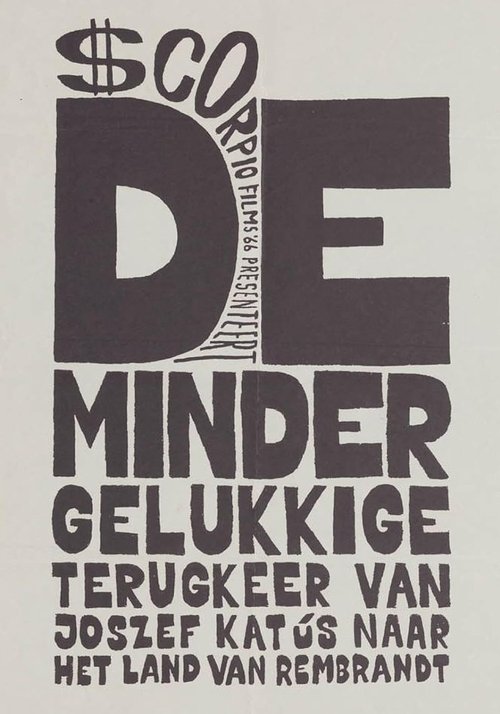
The dutchified Hungarian Joszef Katús returns, after a months-long absence, to Amsterdam on 29 April 1966. The arrival of the Provos changed a great deal in the Dutch capital. The film follows Katús, mostly roaming the streets, in a loose documentary style. The events are set against the backdrop of four national occasions - The Queen's Birthday, Labour Day, Liberation Day and Remembrance Day.
Joszef Katús's Not Too Fortunate Return to the Land of Rembrandt
No description available.
Nachtlicht
No description available.
Jongens, jongens, wat een meid
Faces pass by in quickly edited, split-screen recordings. A 'structuralist' film in which the film material itself plays an important role. Grain, scratches and flickering give the film texture. The music is by Steve Reich.
Portraits

The constant movement of the wheels, threads, sprockets, feet and hands suggests restlessness, and this is paralleled by the soundtrack. The unknown woman could be Gretchen from Faust, hopelessly in love or Ariadne who gave Theseus the thread to find his way out of labyrinth or perhaps she is one of the fates, weaving destiny… Enlarged from Super-8 to 35mm, the film is very grainy, in itself an homage to the medium of film which is also emphasized by the depiction of all kinds of turning machines, both in image and sound.
Ariadne
A Young man is interested in the girl next door, but also discovers that he is not insensitive to a boy, with whom he has dress-up parties in the attic and plays in an old bunker in the dunes.
Schermerhoorn
Home movies shot on Super 8mm by W+B Hein over 10 years.
Home Movies 1971-81
An image of early twentieth century Germany rises from a collage of family photographs and landscapes. Meter used the photo albums of her parents, who had to flee Hitler's Germany. The shots alternately exude warmth and detachment.
Appearances
A short film with shots of sculptures by Anneke Walvoort. The materiality of film plays an important role: visible grain, flashes of colour, unexpected camera movements.
Sculptures for a Windless Space
a man with a moped and groups of boys (one in particular) are in conflict, which sometimes turns into erotic play.
IJdijk
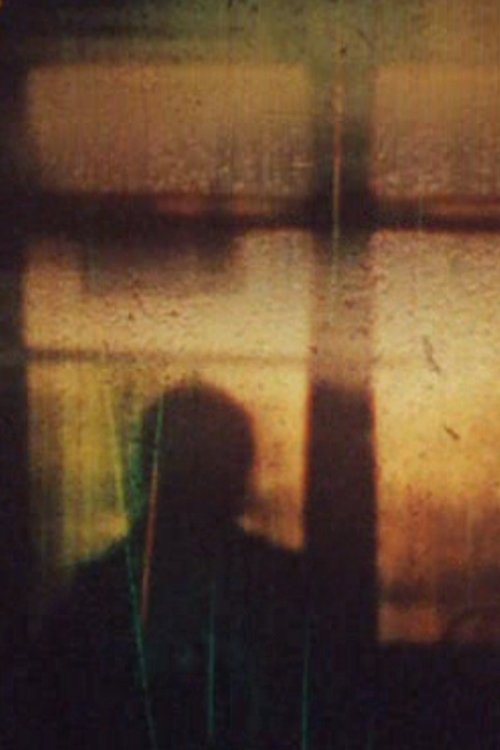
A wordless experimental collage of impressions and moods. Grainy fragments of landscapes, flakes whirl in the wind. Fog and mist, shadows of people in the city and by the water… Silhouettes that fade and turn into pure light and shadow until we discern the specks and scratches on the film strip itself. Sometimes, for a fraction of a second, a face, a person. A film as a memory that eludes us.
A Touch
People embarking on a small boat - the bustle and confusion of it. A walk and a song. A villiage square, men with coffee, women with children, and old man by himself. A painterly use of film grain.
No boats ever sail in the mountains
No description available.
Honderd beledigingen per dag
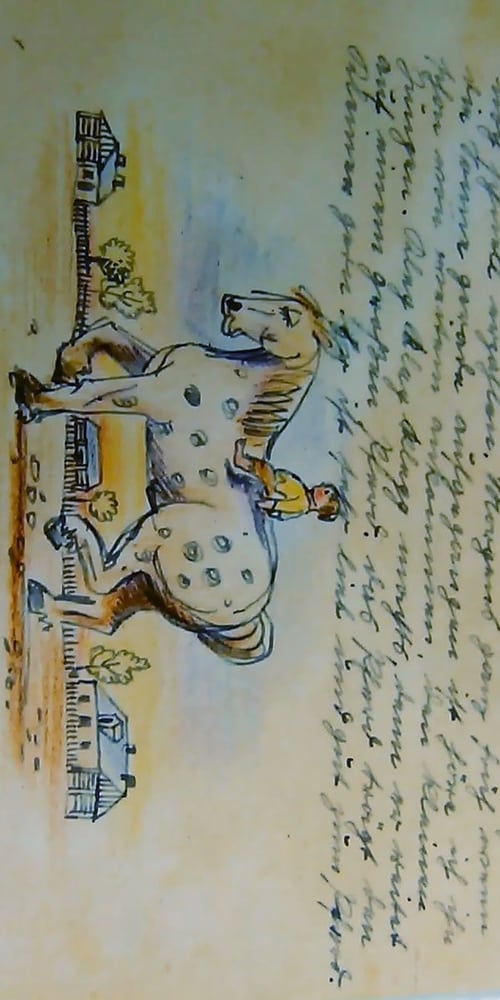
In her recent film Up to the Sky and Much Much More, Meter uses letters sent to her by her father during World War II to provide the film's narration, while interviews with her mother expand on his opposition to fascism — as well as to constraints of any kind, including the bonds of family — and his eventual conscription to the Eastern front. Remarkably, her father's epistolary accounts of his daily life as a soldier also include fantastical watercolour illustrations of his travels, which Meter incorporates to movingly amplify the emotional resonance of a father-daughter bond made fraught by distance and war.
Up to the Sky and Much Much More
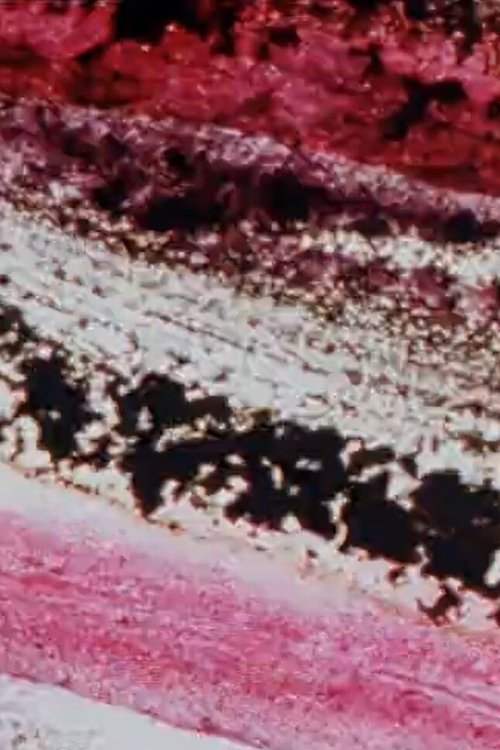
Photos and film footage are edited, damaged, scratched, and painted. The original images are only vaguely recognizable, as if they are already part of our ‘tainted’ memory. The film was made in response to the death of Janis Joplin.
Retour d'enfance
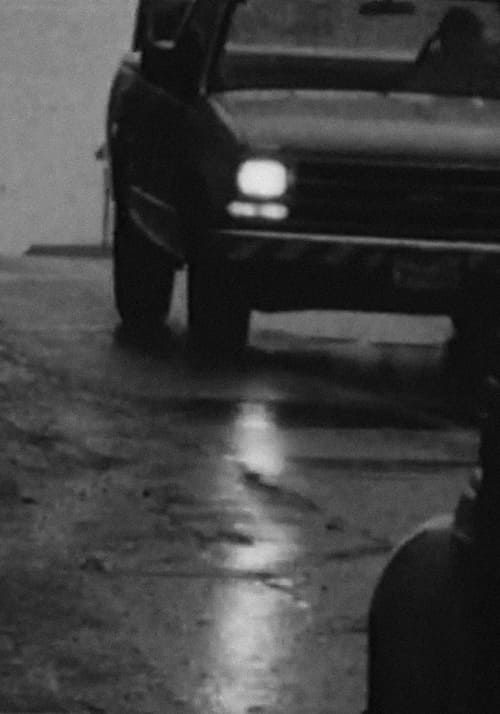
An attempt to communicate the feeling of evaporation, of disappearing and slipping away of the fragile material which is called time.
Departure on Arrival
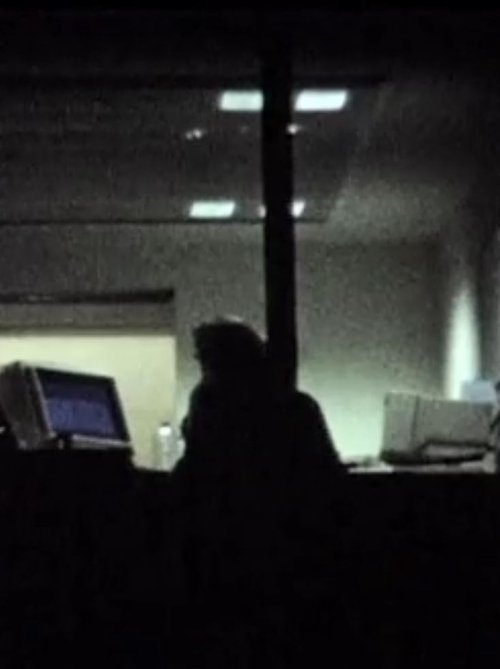
Short film by Barbara Meter.
Offices
A film by Barbara Meter
Familie Nasdalko aan zee
A film by Barbara Meter
Little Stabs
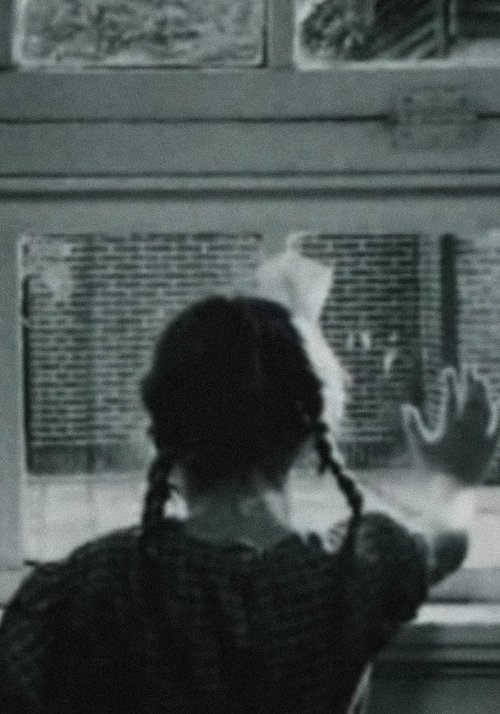
A very impressive film is Barbara Meter's 'Distance to Nearby.' The film is a dramatic reconstruction of memory. The memory of the alienation and solitude of a (half) Jewish child -the filmmaker- while in hiding, dramatized in restrained but touching imagery. For instance the looking through corridors and rooms, which should have given the feeling of protection. D. Ouwendijk, Trouw, 1982