Acting
Polizeiruf 110 is a long-running German language detective television series. The first episode was broadcast 27 June 1971 in the German Democratic Republic, and after the dissolution of Fernsehen der DDR the series was picked up by ARD. It was originally created as a counterpart to the West German series Tatort, and quickly became a public favorite.
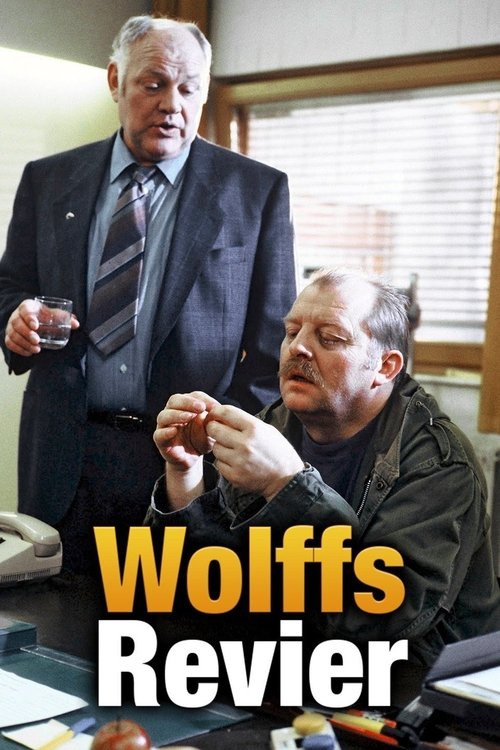
Wolffs Revier is a German television series.
Der Staatsanwalt hat das Wort was an East German television series.
Four-part miniseries about the theologian Thomas Müntzer, who became a revolutionary and opponent of Luther during the Peasant War in 1525.
She is called Dona Juanita: the attractive young architect Anita Nachtigall, who manages a department on a large construction site with great success. She is said to have had many affairs and, so it is said, the death of a certain Sawallish. The evil afterspeech puts Anita so that she announces her place. But a young safety inspector on the job site doesn't want her to leave. He cares what really happened...
Using the example of three generations of a Hamburg working class family, the rise of the working class from the founding of the Wilhelmin Empire to the First World War, over the time of the Weimar Republic and National Socialism to the destruction of the Third Reich.
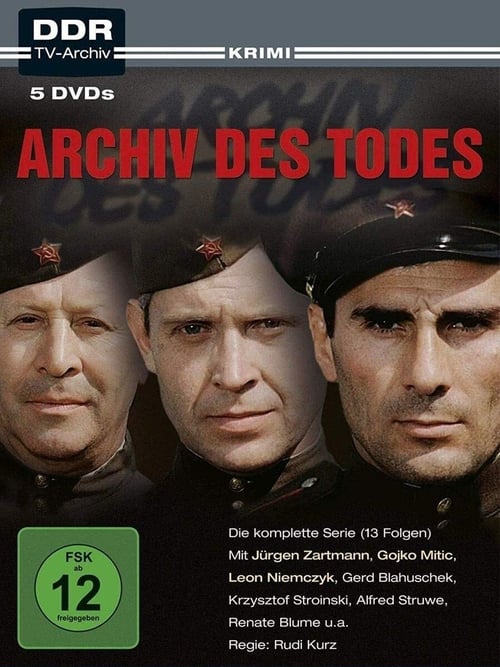
Archiv des Todes is a 1980 13-part television series German war television film series set during World War II.
Major Bert Harkus takes over the artillery regiment in Jesnack after graduating from the military academy. The troop proudly presents itself during an exercise. But apart from some good results in shooting, Harkus soon realizes that there are a few problems. As he does not believe that constant combat readiness is guaranteed, he orders far-reaching changes and does not only make friends. Only gradually do the troops pull themselves together.
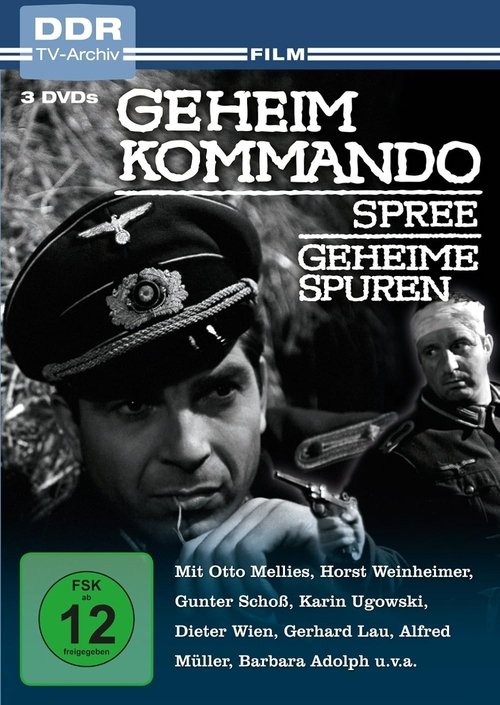
Three members of the National Committee Free Germany form a secret commando that comes to Berlin from Minsk to take up the fight against the SS in the last days before the end of the war.
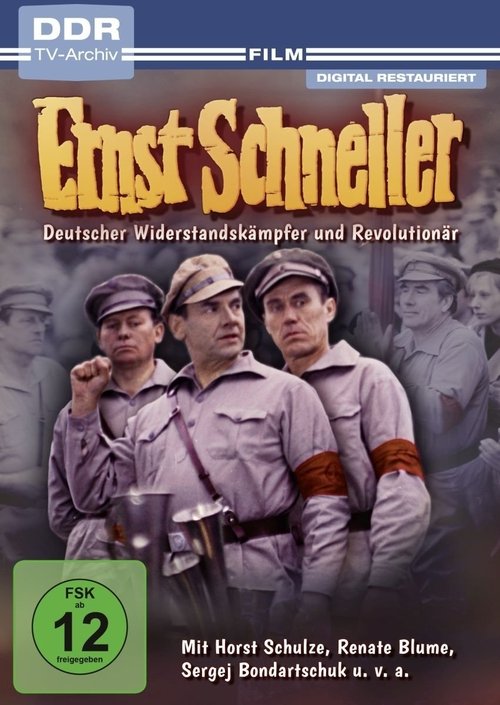
The movie begins by showing how Schneller takes up the profession of a teacher out of love for the children. When the First World War begins, he becomes a 'volunteer officer' and slowly the political situation begins to shape him. He develops into a revolutionary fighter.
The film concentrates on the last days of the German navy during World War II.
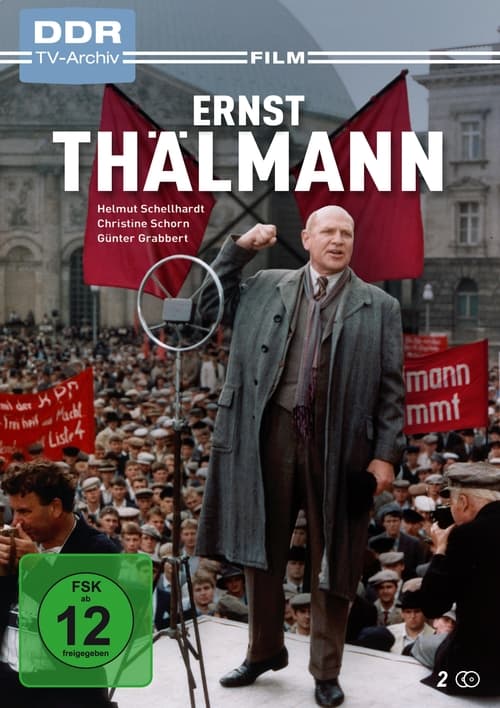
This elaborate two-part television film features a section from the life of communist worker leader Ernst Thälmann. It begins with the bloody riots on May 1, 1929 in Berlin, in which police officers shot at demonstrating workers, and ends with February 7, 1933, when Thälmann appeared as a speaker at the illegal meeting of the Central Committee of the Communist Party of Germany in goat neck. This period was marked by the struggle of the Communists against the ever stronger National Socialists and the rise of Adolf Hitler.
No description available.
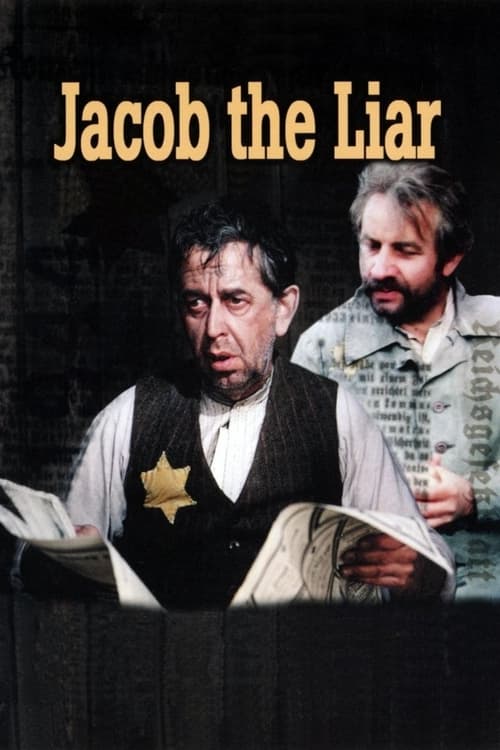
A Jewish ghetto in the east of Europe, 1944. By coincidence, Jakob Heym eavesdrops on a German radio broadcast announcing the Soviet Army is making slow by steady progress towards central Europe. In order to keep his companion in misfortune, Mischa, from risking his life for a few potatoes, he tells him what he heard and announces that he is in possession of a radio - in the ghetto a crime punishable by death. It doesn't take long for word of Jakob's secret to spread - suddenly, there is new hope and something to live for - and so Jakob finds himself in the uncomforting position of having to come up with more and more stories.
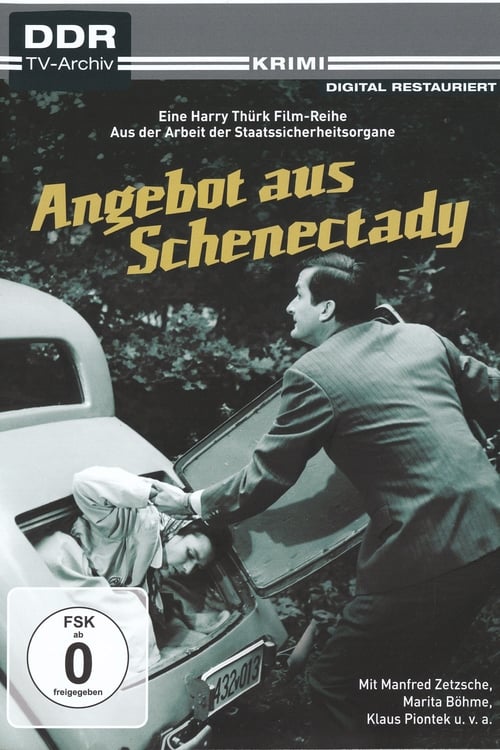
Dr. Grunert, electronics specialist from the GDR, gets a visit from an old acquaintance from war times. Both worked back then on navy torpedoes. His former colleague wants to poach Grunert – to Schenectady, the headquarters of the largest American electronics company. With alleged war crimes, he tries to blackmail Grunert, but quickly it becomes clear where the true criminals are sitting: In influential positions of the American industry. Grunert underestimates the scrupulousness of his opponent and invites him to a remotely located country home to clarify things. The Ministry for State Security is already on the trail of the matter and saves the engineer from a dangerous solo action.
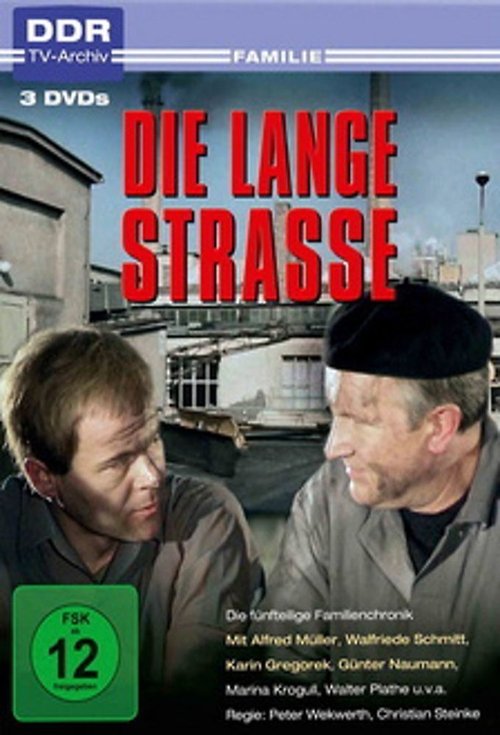
1949. Grafenberg in Brandenburg shortly before the foundation of the GDR. Here lives Michel Hollmann and works in roadmaking. His purpose in life are his wife Lotte and the two children Gerda and Heinz, for whom he is reconstructing a summerhouse into a “nest”. In Grafenberg, his siblings are living as well: His brother Karl, the mayor, and sister-in-law Edith, who works in a textile factory, with their son Jürgen. Edeltraut, his sister, has married the lamp fabricant Berthold Bennert and leads a well-off life. They as well have a son: Harald. Part of the family are further sister Hanna and brother-in-law Hermann, who is a fisherman on one of the local lakes and conducts a tenacious private war against old Stegewald and his presumptive prince-electoral rights. They are living their lives with their large and small conflicts, with different intentions, and yet remain connected always.
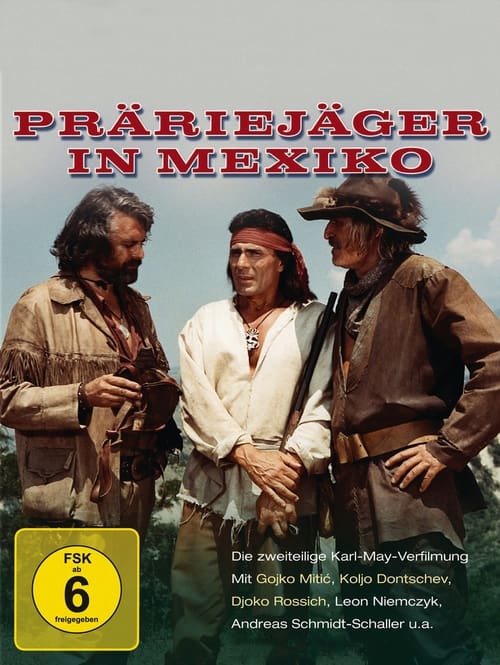
Mexico in the 1870s. The French expeditionary force lands in Mexico. Emperor Napoleon III of France and local conservatives establish a monarchy in the country and decide to place their protégé, Archduke Maximilian of Habsburg, on the Mexican throne. In the ensuing war of national liberation, the freedom-loving Indians, the Maztecs, led by their chief Bear's Eye, side with the legitimate deposed president of Mexico, Benito Juárez.
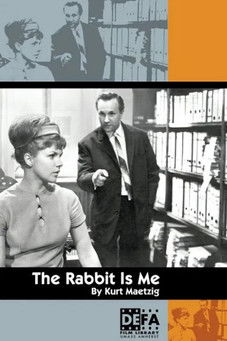
Maria, a young student sees her brother Dieter going to prison for sedition against the state. She starts an affair with Paul, a judge who turns out to be the one who sentenced her brother, which eventually leads to a confrontation.
They are just 17 years old when Gaby and Eva receive the offer to play in a feature film that ambitious Hamburg filmmakers want to make. Despite their youth, the girls are suspicious because they have already experienced a lot. On the other hand, that would be the opportunity to escape the difficulties they have been in for a long time. The filmmakers persuade them to cross the border illegally. The girls do not suspect that they should be used by the Springer company to provoke a scandal. But the Ministry of State Security has the action already in sight.
In an act of friendship and solidarity between two mining towns in 1929, the locals of Kryvyi Rih, Ukraine, give their flag as a gift to the locals of Bergstedt, Germany in this GDR propaganda film. This quickly takes on a symbolic meaning for the miners in Bergstedt as the Nazi party demands that this Soviet gesture be erased and the flag be replaced with their own. The miner and communist party functionary Otto Brosowski publicly declares it his duty to defend this flag against every danger, and he keeps his promise despite his family being threatened by torment and torture.