Writing
PBS' premier science series helps viewers of all ages explore the science behind the headlines. Along the way, NOVA demystifies science and technology, and highlights the people involved in scientific pursuits.
Since it began in 1983, Frontline has been airing public-affairs documentaries that explore a wide scope of the complex human experience. Frontline's goal is to extend the impact of the documentary beyond its initial broadcast by serving as a catalyst for change.
A five-part series about the origins, history and impact of the computer, a machine that changed the world.
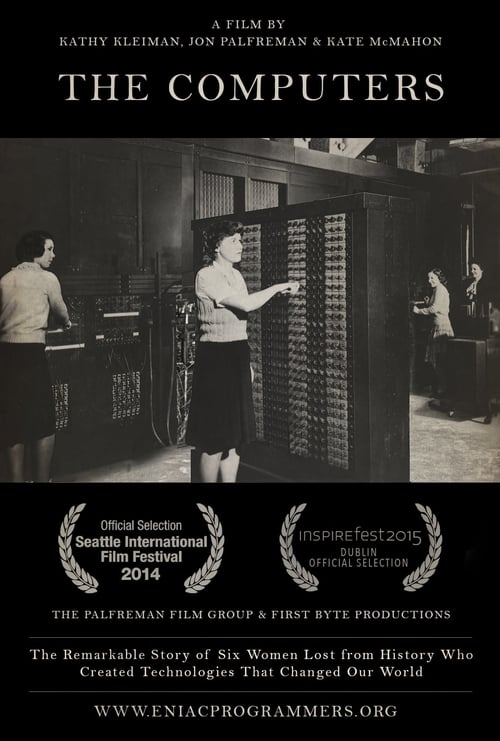
Six young women programmed the world's first all-electronic programmable computer, ENIAC, as part of a secret US WWII project. They changed the world, but were never introduced and never received credit. These pioneers deserve to be known and celebrated: Betty Snyder Holberton, Jean Jennings Barik, Kay McNulty Mauchly Antonelli, Marlyn Wescoff Meltzer, Ruth Lichterman Teitelbaum, and Frances Bilas Spence.
Public health scientists and clinicians tout vaccines as one of the greatest achievements of modern medicine. But for many ordinary Americans vaccines have become controversial. Young parents are concerned at the sheer number of shots — some 26 inoculations for 14 different diseases by age 6 — and follow alternative vaccination schedules. Other parents go further. In communities like Ashland, Oregon, up to one-third of parents are choosing not to vaccinate their kids at all. This is the vaccine war: On one side sits scientific medicine and the public health establishment; on the other a populist coalition of parents, celebrities, politicians and activists.
Describes the discovery of the link between Parkinson's disease and the destruction of brain cells by MPTP, a contaminant found in designer drugs.
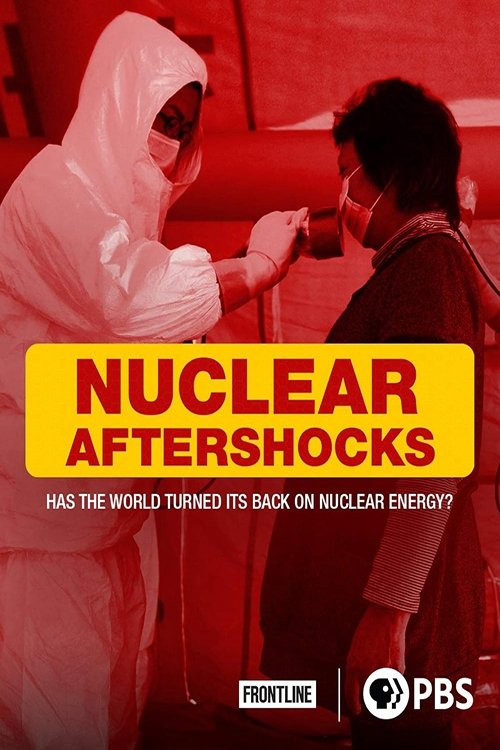
It’s been almost a year since a devastating earthquake and tsunami crippled Japan’s Fukushima Daiichi nuclear complex, leaving the country’s once popular energy program in shambles. In response, Germany decided to abandon nuclear energy entirely. Should the U.S. follow suit? FRONTLINE correspondent Miles O’Brien examines the implications of the Fukushima accident for U.S. nuclear safety, and asks how this disaster will affect the future of nuclear energy around the world. In particular, he visits one emerging battleground: The controversial relicensing of the Indian Point nuclear plant, located only 38 miles from Manhattan. What lessons can be learned from the disaster in Japan?