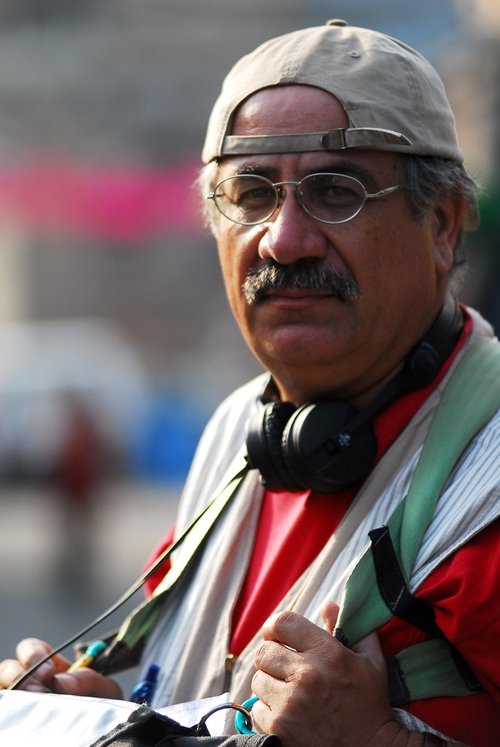
Francisco Adrianzén
Directing
Biography
FRANCISCO ADRIANZEN MERINO, studied Electronic Engineering at the National University of Engineering – UNI (1967-1972, Peru). He has been working professionally as a filmmaker since 1974, working on more than twenty feature films and a hundred short films as a sound engineer and/or sound post-producer. As a filmmaker, he has directed 11 short documentaries, 2 medium-length films and 2 feature films: FROM THE SIDE OF THE HEART Winner of the Ibero-American Film Production Aid Fund – IBERMEDIA and the 2010 National Documentary Contest of the Peruvian Ministry of Culture. FROM THE BIMBAMBUM TO THE TROPICANA, dedicated to his dear friend Jorge Vignati. Award for Best Documentary Feature Film at the Fourth Trujillo Film Festival – Peru – 2017. He is currently working on his third documentary feature film entitled EL COLOR DEL CIELO, a winning project of the Incentives for Culture of the Peruvian Ministry of Culture.
Known For
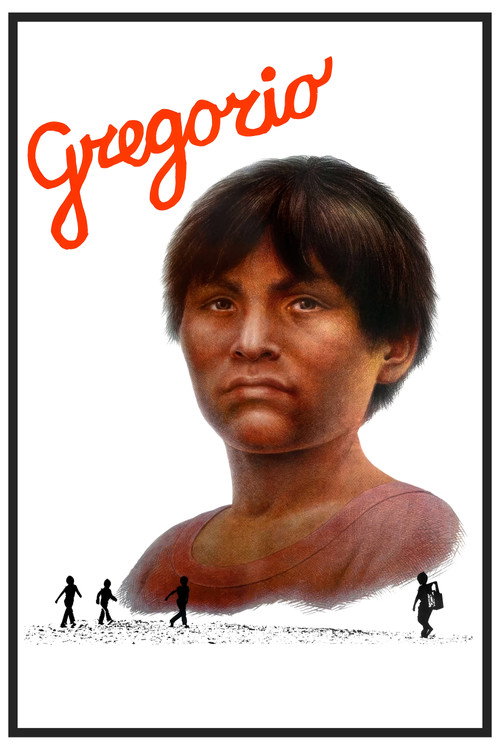
Gregorio, a boy from the impoverished countryside of Peru emigrates to Lima, the capital city. Experiencing a cultural shock due to the chaotic nature of the city, he must challenge himself to learn Spanish, since his native tongue is Quechua, and survive in this whole prejudiced new world. A hostile world for poor immigrants.
Gregorio
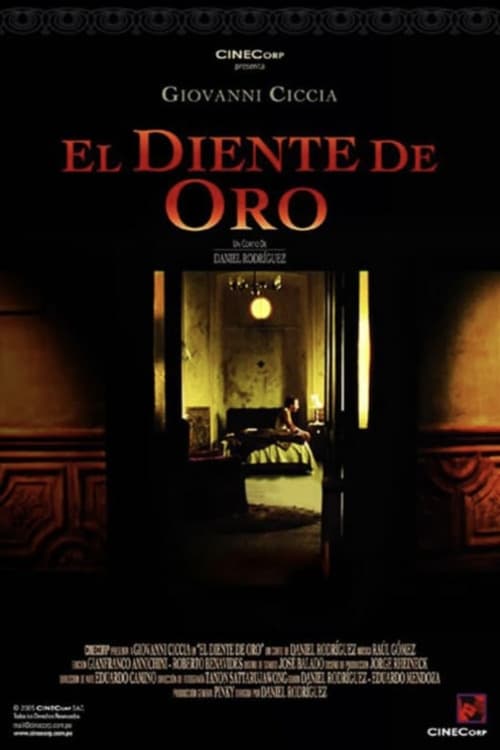
Life is a gift, life grants you gifts, but everyone has, within him, the seed of his own downfall: his gold tooth. In the end comes tragedy: an everlasting toothache.
El diente de oro
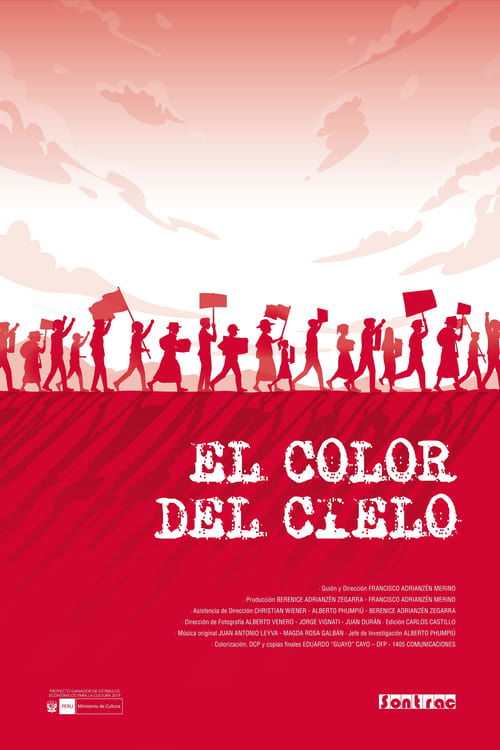
“The Color of the Sky” is a testimony from those who, from their position as left-wing militants, full of dedication and faith, struggled to change Peruvian society, to conquer its sky. Set during the political events of the late 1970s and early 1980s, Unity, Political Violence, and Democracy are the main themes addressed by our protagonists.
The Color of the Sky
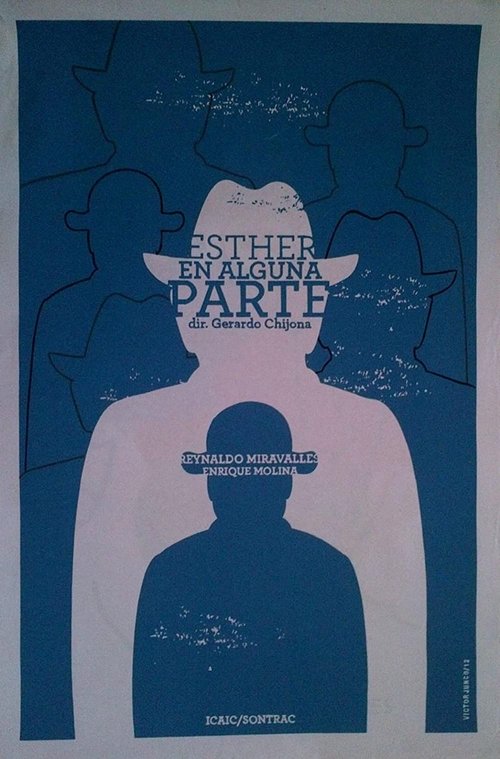
A widower is surprised to learn that his late wife lead a double life.
Esther en alguna parte
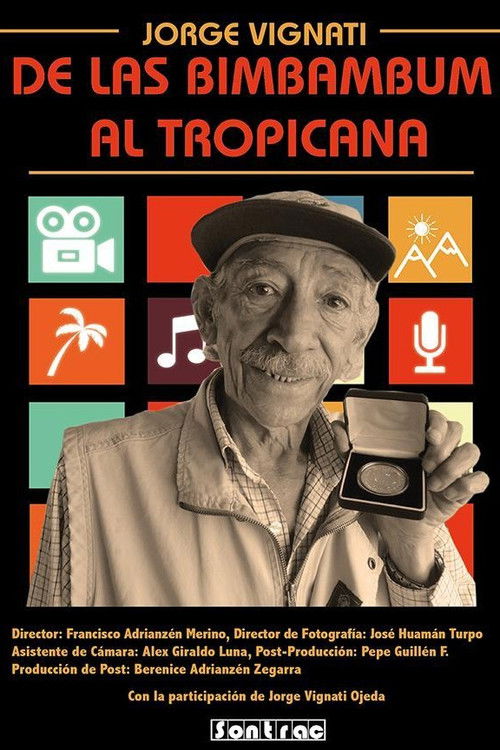
A fundamental person for Peruvian cinema, Jorge Vignati Ojeda, tells us about his beginnings in the cinematographic world, in a meaningful interview conducted in his own style: hand-held camera and sequence shot. With him we tour the Plaza de Armas of his native Cusco, while we listen to his beginnings as an outstanding student of the university of life
De las BimBamBum al Tropicana
Fiction that narrates the life of a publicist, his performance in an advertising agency and his attempt to write a story about a painter character and he, in turn, imagines him capturing it on a canvas.
Sintonía
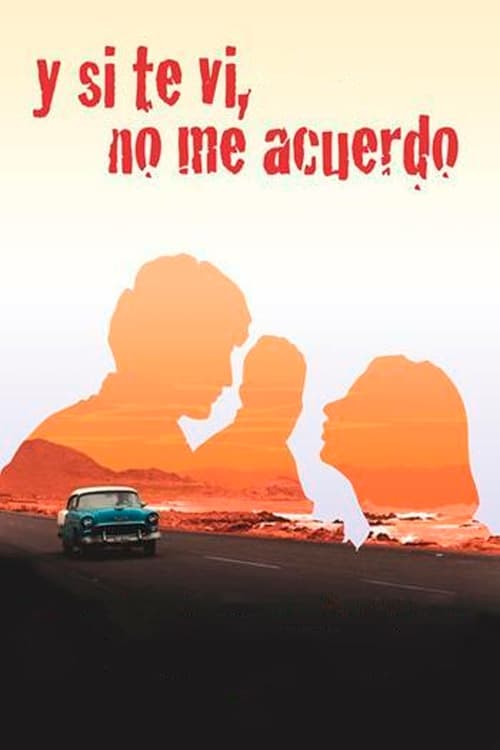
No description available.
Y si te vi, no me acuerdo

Ernesto Guevara La Serna, known worldwide as “El Che”. The documentary rescues and recognizes the importance that Peru had in his training as a doctor and as a politician. Discovering it for many will mean recognizing ourselves as a country rich in realities and difficulties, as well as in dreams and utopias that nourish and have nourished the history of our continent.
Su paso por la vida
It is a documentary that shows the work of film workers in the different areas of distribution and exhibition that allow films to reach viewers. In addition, it testifies to the preferences of the cinematographic public in the years of 1983.
El cine de cada día
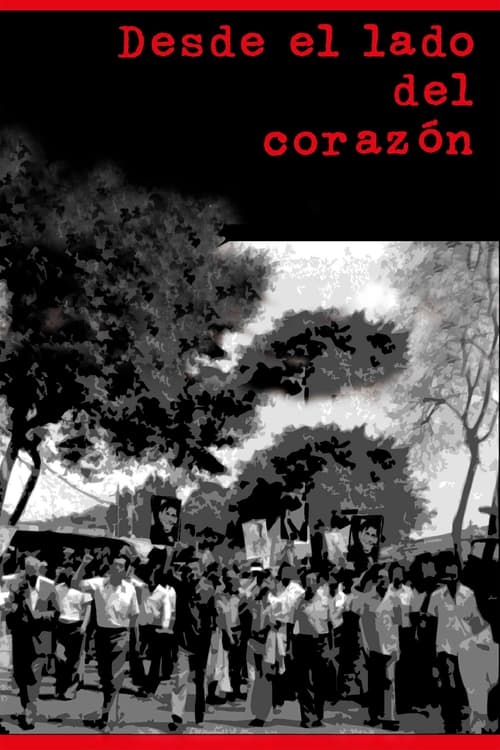
From the side of the heart, is a documentary that tries to discover the reasons, motivations and individual situations that led numerous people to participate in the Peruvian left in the 1970s, years of the military governments of Juan Velasco Alvarado and Francisco Morales Bermúdez. It is a documentary of testimony and reflection that navigates memory to try to recognize concerns and rediscover experiences ideologically decanted in the light of the years. It does not intend to collect political theses or justify past or current positions, but to testify enthusiasms, frustrations, ideals and loyalties, if the use of this last word is possible.
Desde el lado del corazón

Narrates the workers' struggles at the beginning of the 20th century, the lengthy process of achieving the 8-hour workday, finally conquered on January 19, 1919, in which anarchist ideas played a fundamental role. Subsequently, during "el Oncenio de Leguía" (1919-1930), ideological and political currents of aprismo and socialism emerged, led by Víctor Raúl Haya de la Torre and José Carlos Mariátegui, which left a mark on the country's life.
Once años decisivos
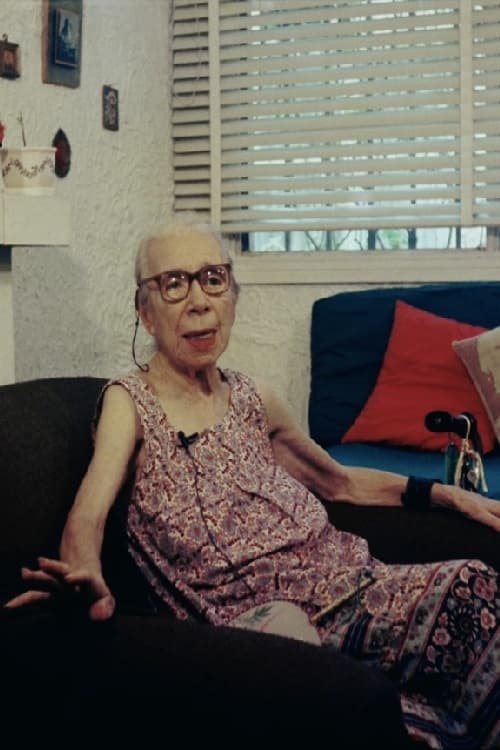
Angela Ramos, the first woman journalist, irreverent and passionate figure in Peruvian intellectual and political life. She is a key figure in understanding the role of women in the Peruvian scene, an issue that currently deserves the greatest consideration in academic, intellectual, and political debates and forums.
Angelucha

Documentary that refers us to one of the most important characters in Peruvian culture: José Carlos Mariátegui. The figure of the Peruvian intellectual and politician is remembered and reconstructed by those who were part of his most intimate circle of friends and collaborators.
La imagen de su huella
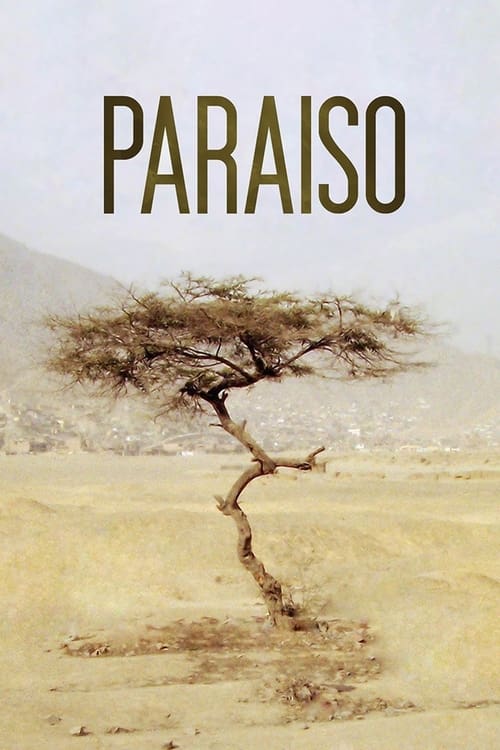
A group of friends walk across the sandy outskirts of Lima in order to pay their respects to a fallen gang member.
Paraiso
No description available.
Semblanza
This portrait of the late 1920s and the first half of the 1930s in Peru offers the perspective of historically silenced sectors. With testimonies from former union leaders, archival photographs, film material, workers’ songs and filming of key places, a transcendental era is reconstructed, where José Carlos Mariátegui and Haya de la Torre played a decisive role in the popular movement.
Una Honda Huella

Experimental film that, through two narrative lines—dance and photography—reimagines The House of Bernarda Alba by Federico García Lorca.
Stigma

Documentary short film. It is a portrait of a day in the life of the center of a big city. What Lima was like more than 30 years ago, we are sure will allow us to get to know it, respect it, love it and take care of it much more.
Ciudad para todos
Short film.
Correo Central
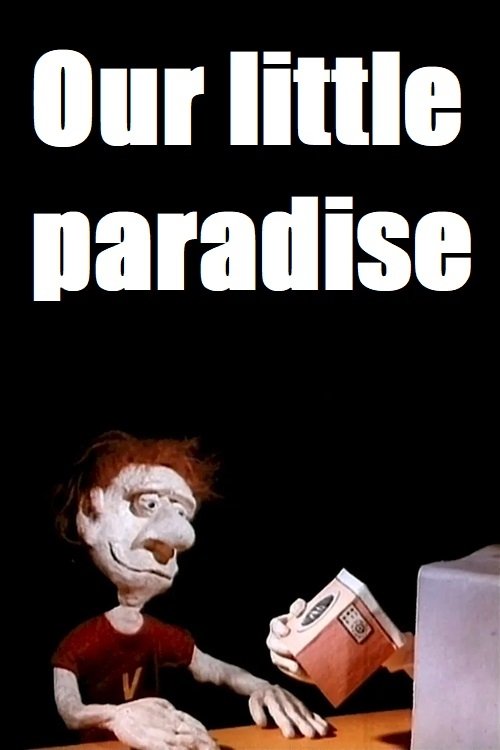
A man lives life intensely through his television set, turning his back on reality.