
Rafael Hernández
Acting
Biography
Rafael Hernández Marín (October 24, 1892 – December 11, 1965) was a Puerto Rican songwriter, author of hundreds of popular songs in the Latin American repertoire. He specialized in Puerto Rican styles such as the canción, bolero and guaracha. Among his most famous compositions are "Lamento Borincano", "Capullito de alhelí", "Campanitas de cristal", "Cachita", "Silencio", "El cumbanchero", "Ausencia" and "Perfume de gardenias". Rafael Hernández Marín was born in the town of Aguadilla, Puerto Rico, into a poor family, on October 24, 1892. His parents were María Hernández Marín and Miguel Angel Rosa, though he was given only his mother's surname. As a child, he learned the craft of cigar making, from which he made a modest living. He also grew to love music and asked his parents to permit him to become a full-time music student. When he was 12 years old, Hernández studied music in San Juan, under the guidance of music professors Jose Ruellan Lequenica and Jesús Figueroa. He learned to play many musical instruments, among them the clarinet, tuba, violin, piano, and guitar. At the age of 14, he played for the Cocolia Orquestra. Hernández moved to San Juan where he played for the municipal orchestra under the director Manuel Tizol. In 1913, Hernández begot his first child, Antonio Hernández (out of wedlock), to Ana Bone. In 1917, Hernández was working as a musician in North Carolina, when the United States entered World War I. The jazz bandleader James Reese Europe recruited brothers Rafael and Jesús Hernández, and 16 more Puerto Ricans to join the United States Army's Harlem Hell fighters musical band, the Orchestra Europe. He enlisted and was assigned to the U.S. 369th Infantry Regiment (formerly known as the 15th Infantry Regiment, New York National Guard, created in New York City June 2, 1913). The regiment, nicknamed "The Harlem Hell Fighters" by the Germans, served in France. Hernández toured Europe with the Orchestra Europe. The 369th was awarded the French Croix de Guerre for battlefield gallantry by the President of France. After the war, Hernández moved to New York City. In the 1920s, he started writing songs and organized a trio called "Trio Borincano". In 1926, fellow Puerto Rican, Pedro Flores who was a composer, joined the Trio. Even though Hernández and Flores became and always remained good friends, they soon went their separate ways and artistically competed against each other. After the trio broke up, he formed a quartet called "Cuarteto Victoria" which included singer Myrta Silva, also known as La Guarachera and La Gorda de Oro. With both groups, Hernández traveled and played his music all over the United States and Latin America. On September 2, 1927, Hernández' sister Victoria opened Casa Hernandez, a music store which also acted as a booking agency and base of operations for her brother. In 1929, Trío Borinquen recorded Linda Quisqueya (originally titled Linda Borinquen) and that same year he founded the "Cuarteto Victoria" (also known as "El Cuarteto Rico") named after his sister. ... Source: Article "Rafael Hernández Marín" from Wikipedia in English, licensed under CC-BY-SA 3.0.
Known For
The film, which is an ode to Rafael Hernández's song "Lamento borincano", is a social commentary of the political and social policies of the 40's and 50's which led to the abandonment of what was seen by many as the "pure", "virtuous" life of the finca (farm) for the "corrupting" influence of urban centers like San Juan and New York City.
Los expatriados
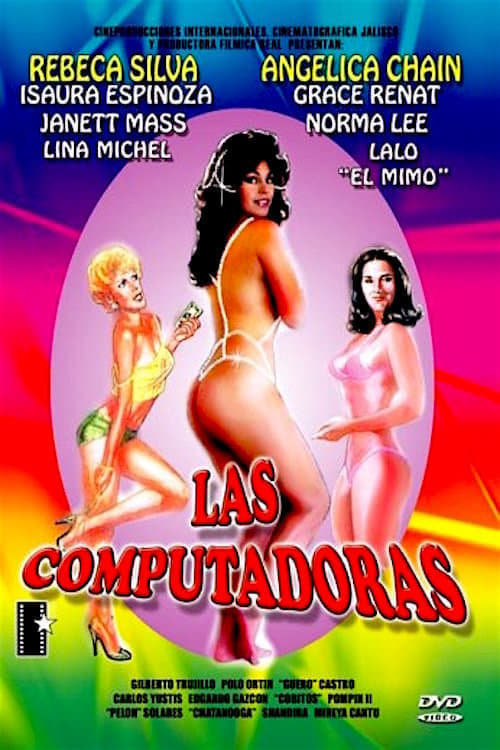
Diana secretly owns a nightclub and has a son named Arturo. When Arturo gets his college degree, he decides to celebrate and goes to the nightclub he does not know his mother owns. There, he meets and falls in love with a lady of the night. When he takes her home to meet his mother, both women are embarrassed. Diana offers the girl money to leave Arturo alone, and the young girl takes it and gives it to Arturo with a letter saying she’s leaving. Arturo is upset with his mother and drifts away from her. Diana, tired of the nightclub business and of the double life she has led, decides to retire and gives the nightclub to the women who have worked for her. She intends to patch things up with her son and to welcome the woman that Arturo has chosen to marry.
Las computadoras

A gang of thieves has jeopardized the city and even the police, whose chief urges their forces to captured the band within 48 hours. Meanwhile, band members meet in a cafe run by a widow and her daughter and her suitor, Cantinflas, who maintains a scuffle with the robbers running all at the station. Since then, Cantinflas become a member of the police force for special missions.
The Unknown Policeman
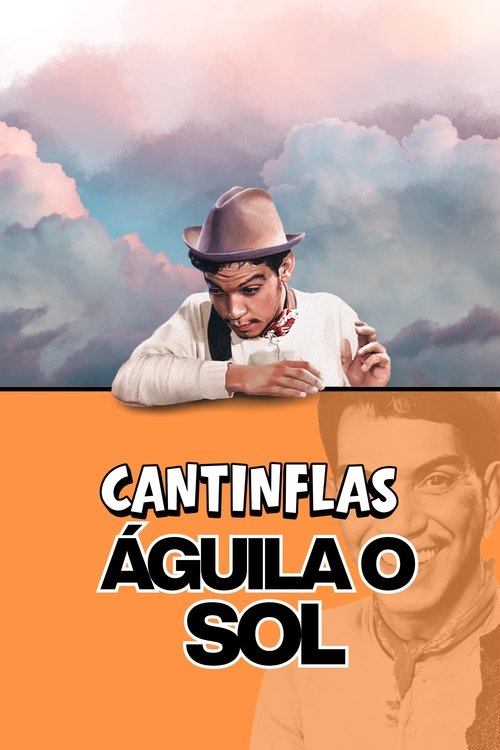
When three orphans that were raised together and love like brothers knows about plans to be separated and work outside, they escape and live in the street. They sell lottery and newspapers. When older, they became artists.
Águila o sol
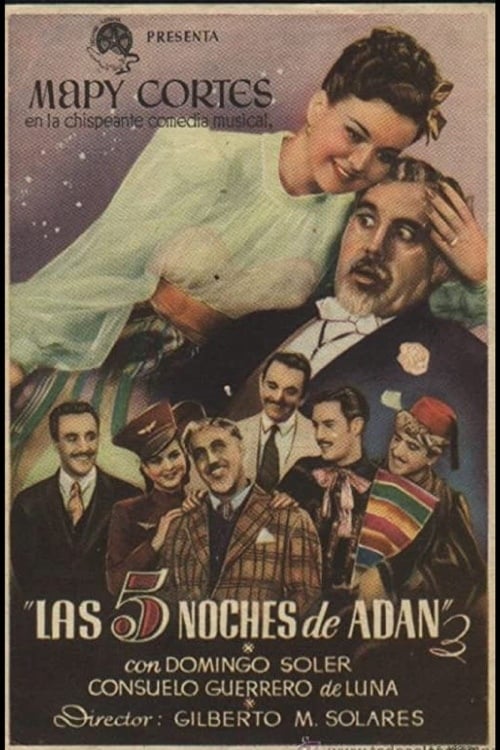
Globe-hopping playboy bachelor is getting on in years, so he invites his five international children to come live with him.
Las cinco noches de Adán
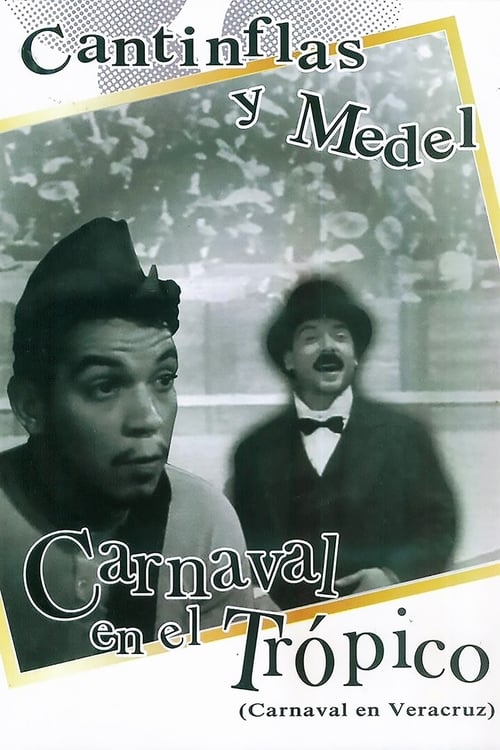
Three Mexican friends decide to go to Vercacruz Carnaval to celebrate. There they watch Cantinflas' show of torero and boxer.
Carnaval en el trópico
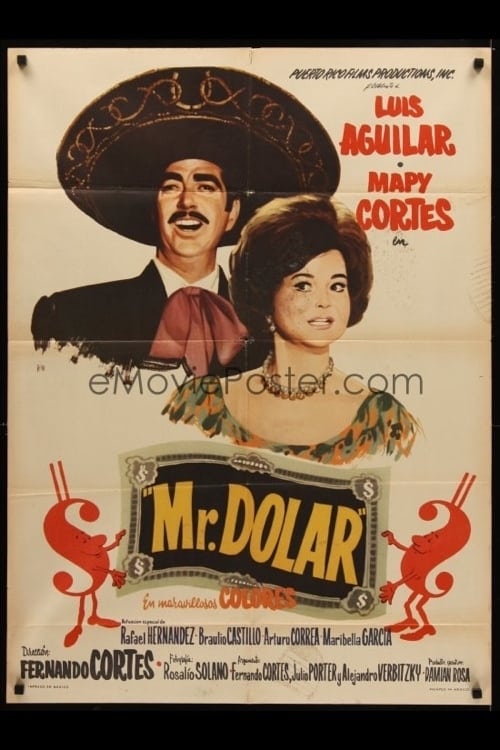
A Puerto Rican goes to New York to seek his fortune.
Mr. Dólar
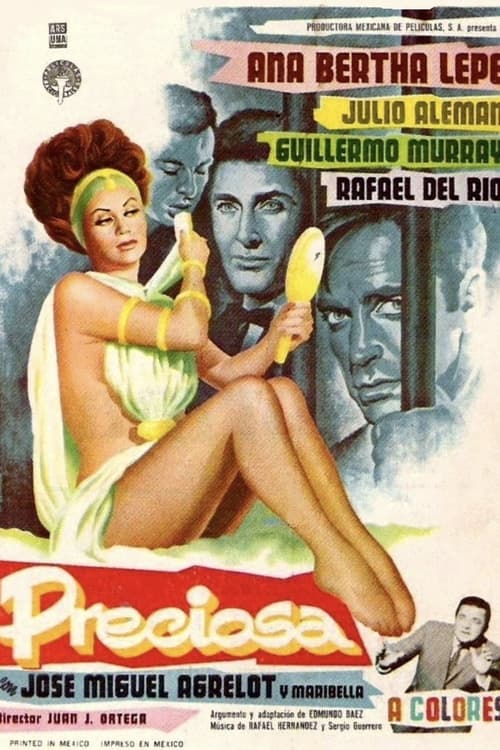
Successful nightclub singer has difficulties with her love life.
Preciosa
No description available.
Juego de pasiones
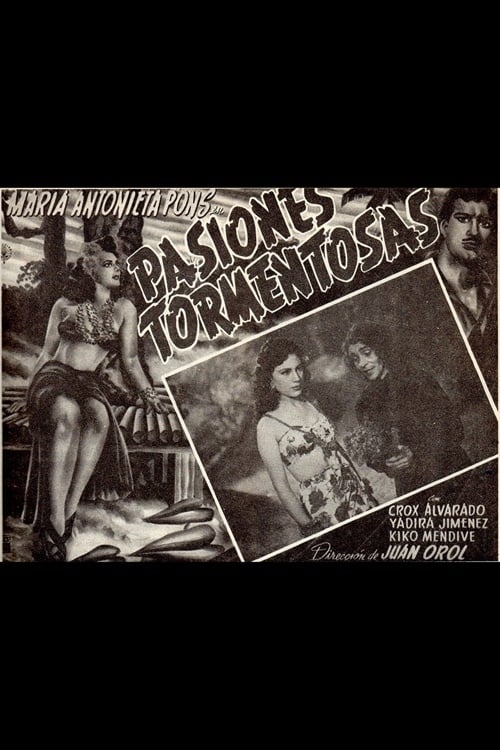
In a small tropical town, two sisters fight over the love of a young man named José. Fabiola is a noble woman but Sandra will do anything to get him, including witchcraft.
Pasiones tormentosas
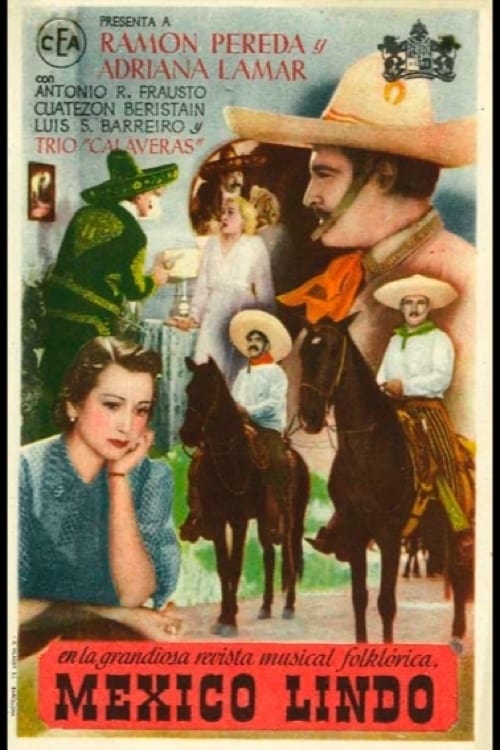
The film of the thousand dancers, of the enchanting songs, of the sets that are splurge of luxury and beauty.
México lindo
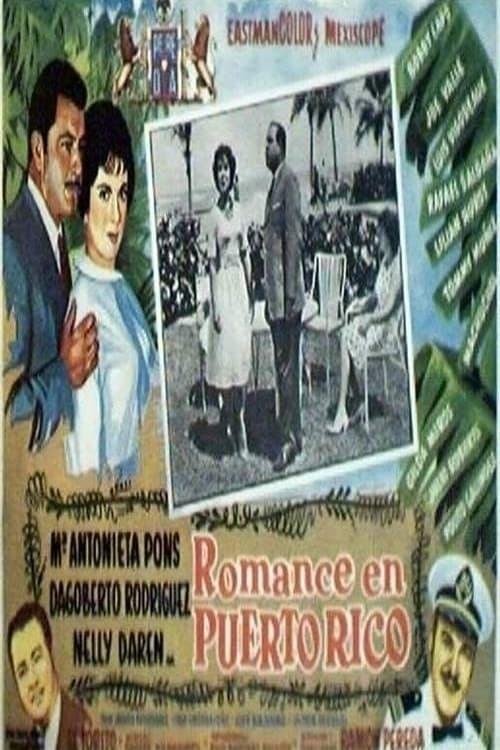
Rosina is frustrated by her engagement to millionaire John Johnson III, a fussy, domineering, control freak. The night before her wedding, she goes out dancing with her maid María, María's husband Tomás, and their friend Gordillo. When Rosina learns Gordillo is a sailor on the yacht owned by Mexican film star José María Beltrán, she decides to stow away and sail to Mexico to be with her grandmother.
Romance in Puerto Rico
Homage to the Puerto Rican composer Rafael Hernández.