Directing
Leaving his family behind after a conflict with his colleagues, a leading editor at Hungary's state television network travels alone to his country house in the Badacsony region, and reflects on his past, his guilt and the old compromises.
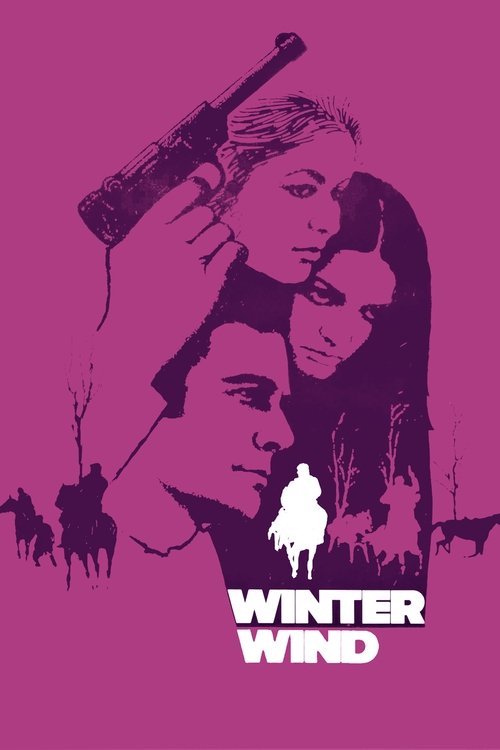
Kalán Imre, the district doctor lives in a small village surrounded by mountains. One day he is visited by two young relatives of his and their friend, a doctor at the beginning of his career. The name of the doctor is Király András, and he happens to be the great love of Kalán's young wife from her unmarried years. The orthodox Stalinist Kalán's entire life is filled with his great passion, hunting. The suffocating, narrow lives of the prominent people in the area are slowly revealed to András.
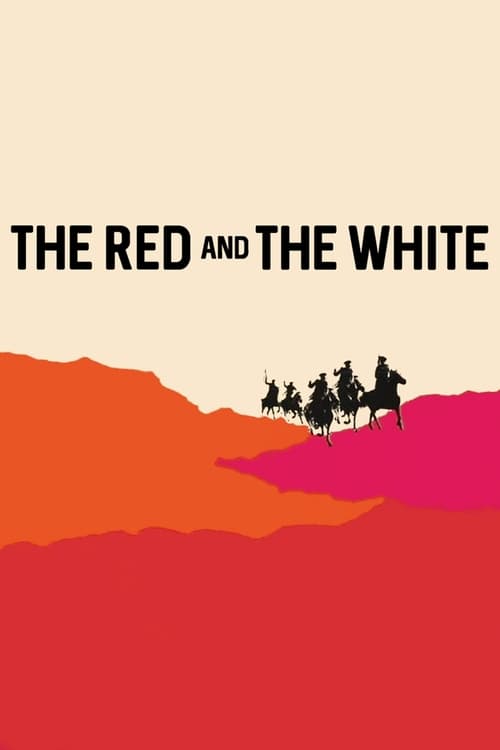
In 1919, Hungarian Communists aid the Bolsheviks' defeat of Czarists, the Whites. Near the Volga, a monastery and a field hospital are held by one side and then the other.
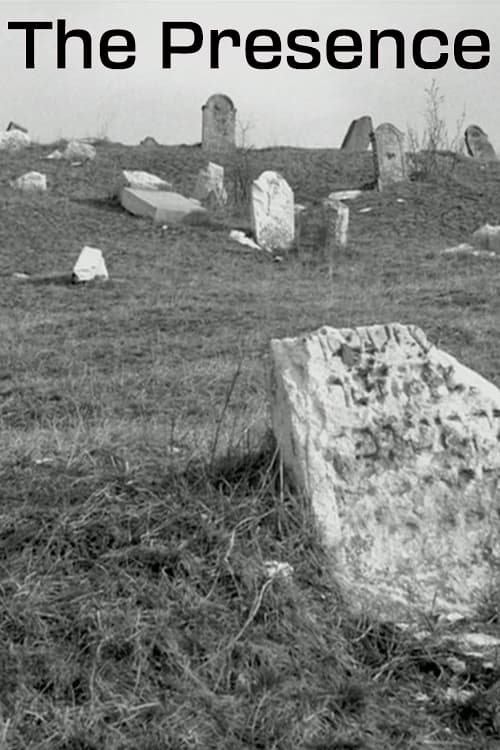
Two old men enter an abandoned synagogue, look at the decay around them, and pray.
No description available.
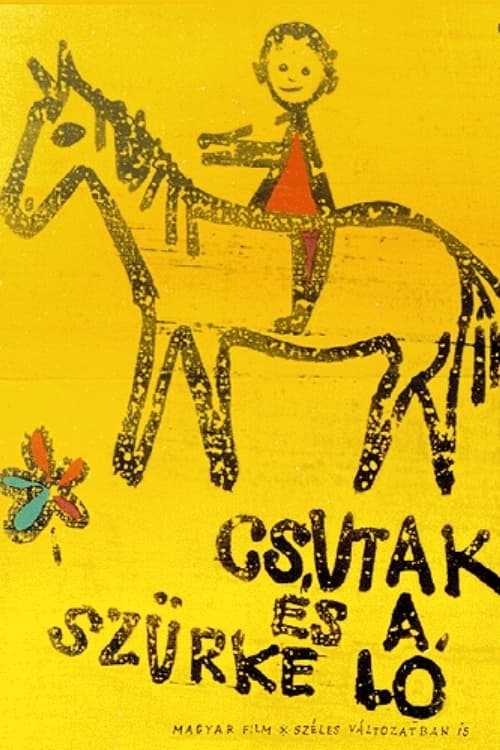
Csutak is just a pain in the neck, the little boy is even excluded from play by his mates. Vacation is spent lonely until one day he sneaks the woman haulier's old, shabby horse, a creature that would be better off in a slaughterhouse, out with himself. Possessing the animal is the key to the children's gang. They all try to find a place for the horse.
A collective film made by ten prominent Hungarian filmmakers to express what each of them wishes to bring with them of their own culture and personal experience with Hungary's accession to the European Union.
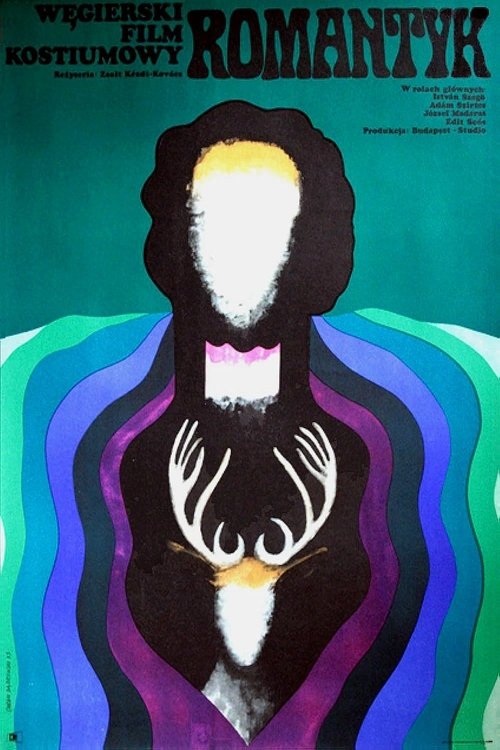
This film, set at the end of the 18th century, in a provincial and noble environment raises the question of humans forced to lead a meaningless life. The rich Transylvanian noble youth, Kálmán, absorbed the spirit of freedom and enlightened culture in Paris. Returning to his father's estate, he encounters a superstitious backwardness and an orgiastic storming of violence and instincts.
A new glamour girl, Král Bori, comes to the 6/B class, clever and impertinently charming. Oma, the gang-leader, likes the girl very much. He lives under dreary circumstances, but dreams of becoming a conductor or making a circus carrier. He definitely wants to attract attention. Bori, however, ignores him, but is very nice to his best friend, Totyi.
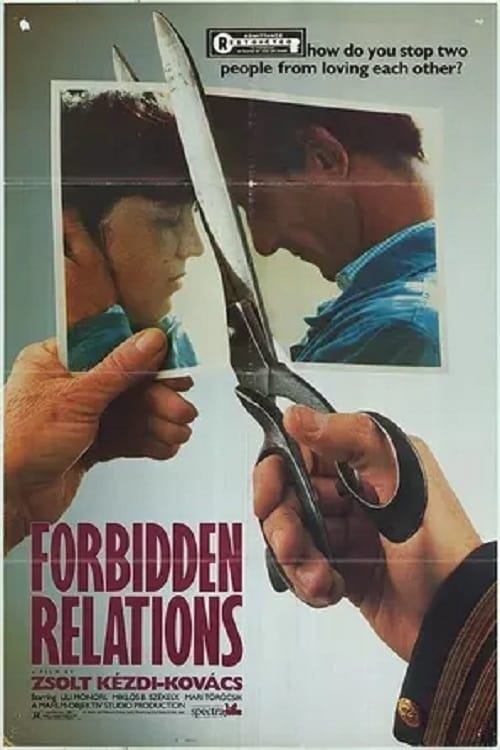
Based on a true story, a love affair develops between a half brother and half-sister. When pregnancy results and word gets out the public is outraged.
1958, Budapest. Gerencsér is a skilled worker at the abattoir, his wife left in 1956. They falls in love with the beautiful Mrs. Hász at the personnel management department, but they only date secretly because of a former relationship of Mária. They go on holiday and travel to the Mátra, just the two of them.
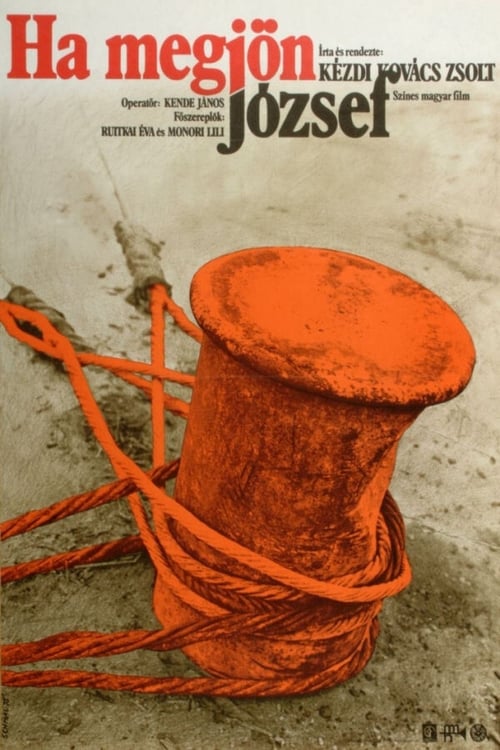
An unsentimental Hungarian film about the edgy relationship between a middle-aged woman and her young, restless daughter-in-law when the son-husband goes to sea for six months.
Croatian anarchists collaborate with Hungarians to make a bid for the life of King Alexander of Yugoslavia.
The most problematic aspect of Zsolt Kézdi-Kovács's films is the political motif of The Right to Hope, which is incomprehensible from a child's point of view and therefore disrupts the unified soul. The film works just as well without it, and it really works without the element of logical incoherence it introduces into the story. All of this highlights a directorial virtue that was rare in this period. Zsolt Kézdi-Kovács is able to dramatise personal conflicts that arise purely from within.
Hungarian-born Laszlo Szabo returned to his native country to play the part of Dibusz in this comedy. When the residents of a large old house learn that it is to be torn down and that they will be relocated elsewhere, an intense game gets underway. As is usual in such instances, the residents will be given new apartments commensurate in size with their old ones. Dibusz sees this as an opportunity to temporarily enlarge his "assigned" space in the condemned building. He wants to be reassigned to an apartment which is larger than his current bathless one-room space. He and a neighbor cooperate to break down the walls that separate their spaces from that of an old woman who just died after a brief tussle. Still not satisfied, he tries to marry one of two spinster women who live together but is rejected. In the course of the film, he has intense encounters of one sort or another with anyone who might be of help to him in his quest.