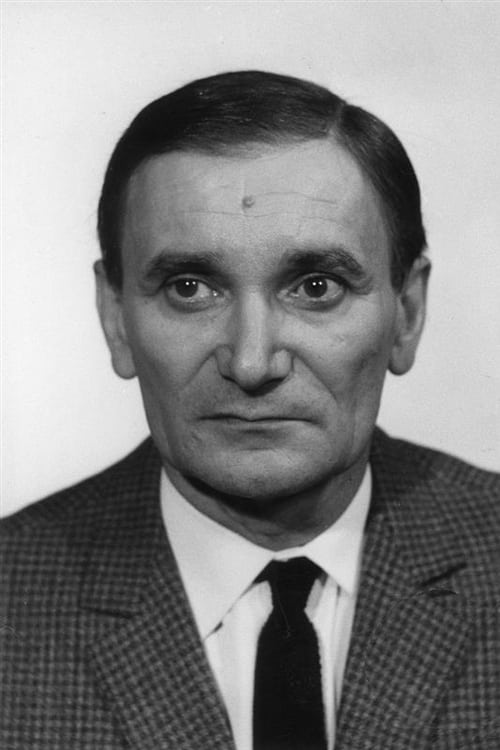
Václav Lohniský
Acting
Known For
No description available.
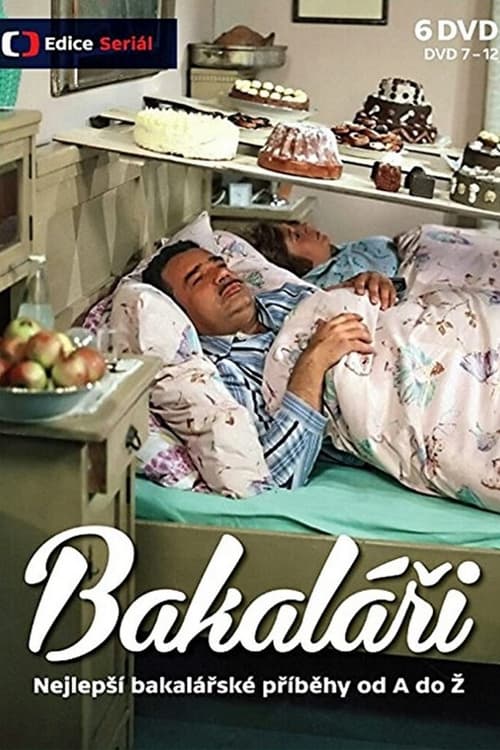
Bakaláři
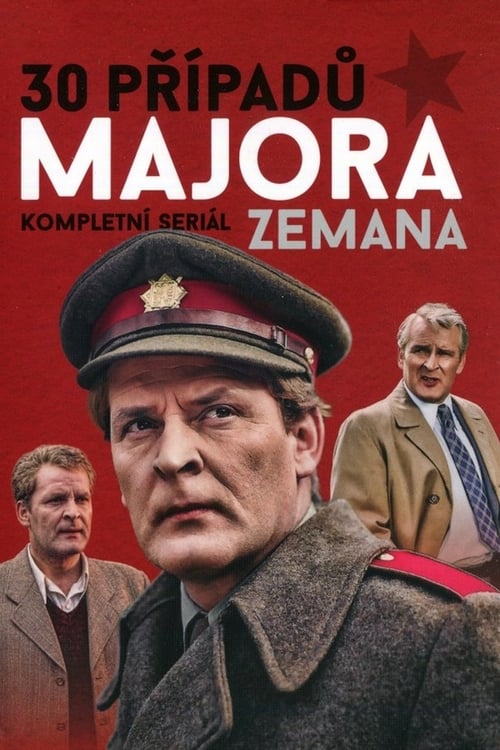
Thirty Cases of Major Zeman is a Czechoslovak action-drama television show intended as a political propaganda to support the official attitude of the communist party. The series were filmed in the 1970s. Each episode encompasses one year, and investigations are stylized to that year. Most are inspired by real cases. The series follows the life of police investigator Jan Zeman during his career from 1945 to 1975.
Thirty Cases of Major Zema
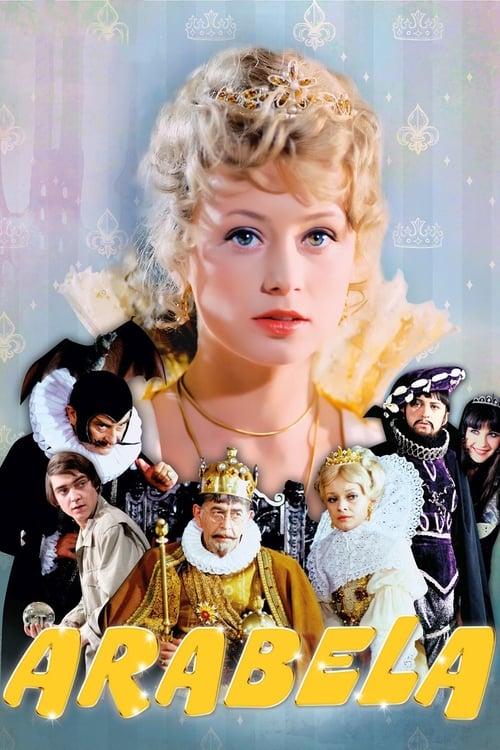
Arabela was a children's television series produced in Czechoslovakia which aired from 1979 to 1981. The series has 13 episodes and is in the Czech language.
Arabela
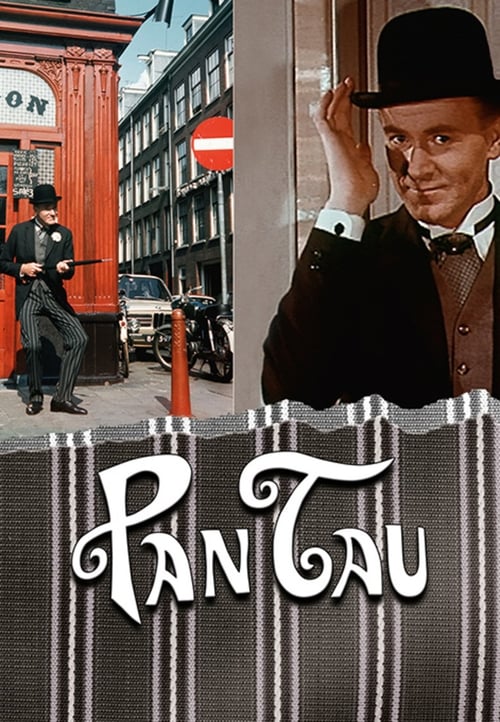
Pan Tau always had a gentle expression and a friendly smile, he was elegantly dressed in a stroller, with an umbrella and a white carnation in the lapel. Foremost, he was famous for his magic bowler hat. By tapping on his hat, Pan Tau was able to change his appearance into a puppet, to conjure up miscellaneous objects or to do other magic. His most characteristically behavior is that he would help children who were experiencing some sort of difficulties in-between their dreams and reality, like finding a place for skiing, settling family problems on Christmas, and even give a boy a good time at a fair when he is supposed to have piano lessons. To adults, he usually remained invisible.
Pan Tau
No description available.
Nejmladší z rodu Hamrů
No description available.
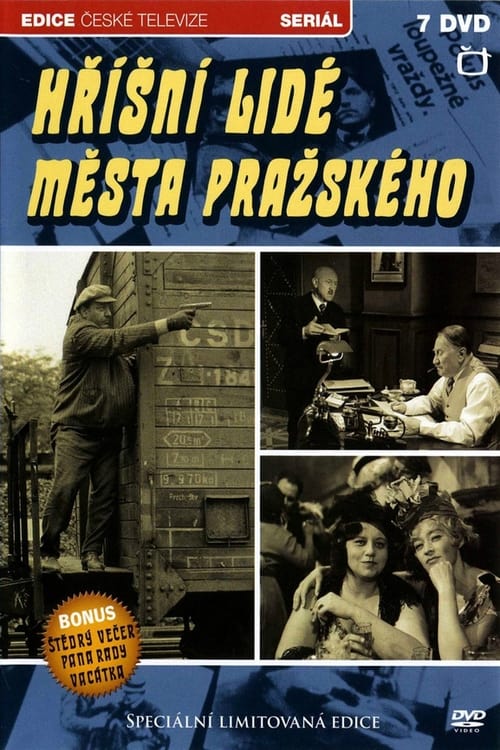
Hříšní lidé města pražského
No description available.
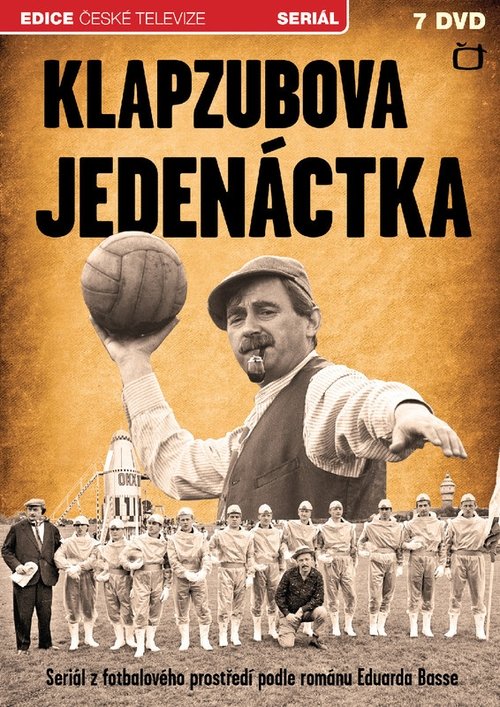
Klapzubova jedenáctka
No description available.
Bližní na tapetě
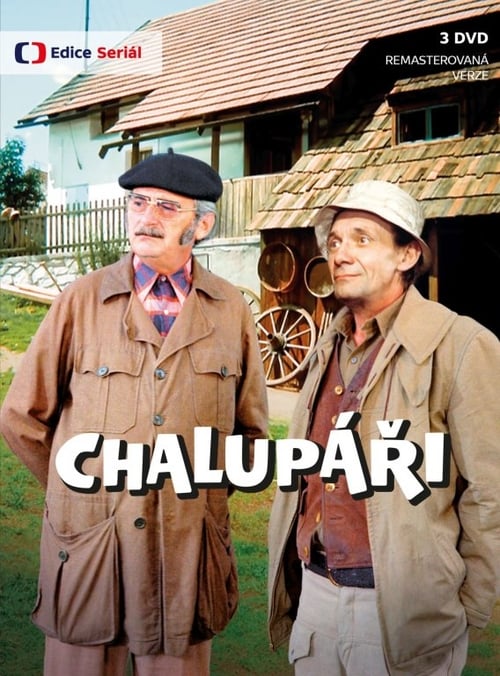
Chalupáři is a Czechoslovak comedy TV series filmed in 1974 and 1975 by František Filip.
Chalupáři
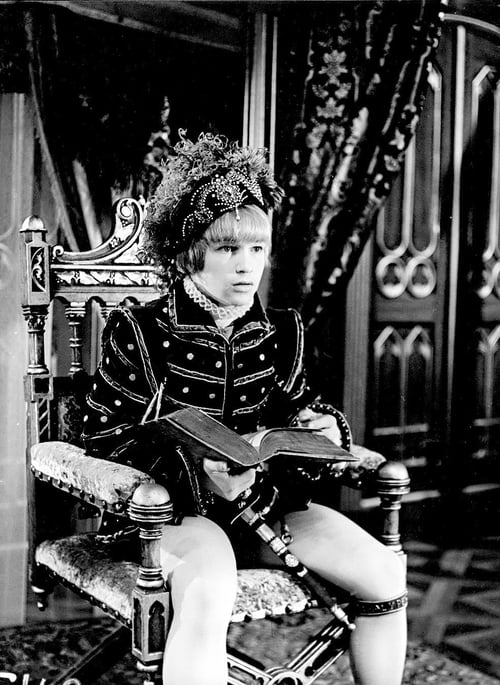
A prince meets a young man to whom he bears a striking resemblance. The two exchange places and learn to be better people in the process.
Princ a chuďas
No description available.
Rodina Bláhova

1980 German/Czech Children TV series
Luzie, der Schrecken der Straße
The journey of the Třeboň paddlers to the gold medal at the Olympic Games in Helsinki (1952).
Neklidnou hladinou
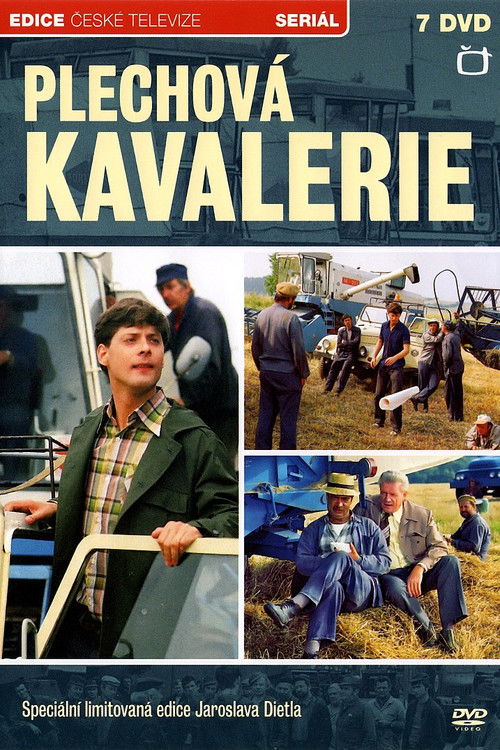
Plechová kavalérie is a Czechoslovak/Czech TV series about combine operators filmed by Jaroslav Dudek.
Plechová kavalerie
No description available.
Ministerstvo strachu
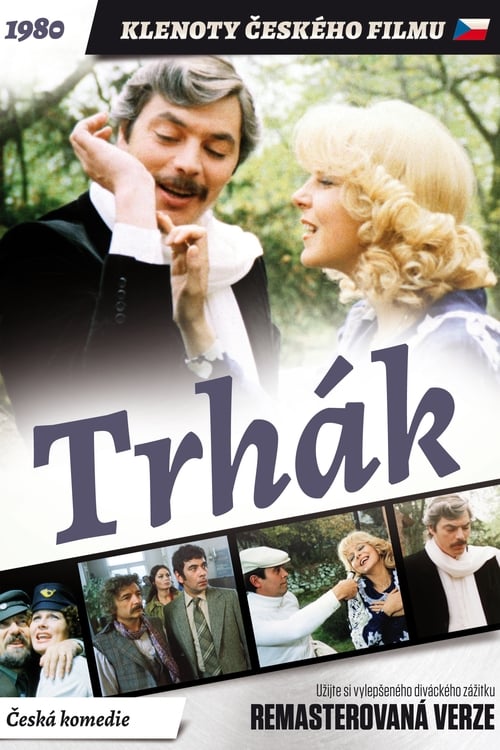
Mr Jiš managed to give his first script at Barrandov. Already in the preparatory phase, he discovers with horror that the filmmakers have completely bypassed his intention - instead of a probe into the life of a contemporary village, they are preparing a spectacular musical show, which they are convinced will be a hit with the audience. The very first shots speak volumes. An elegiac arrives in the village of Lipovec and is greeted with singing and dancing by all the local officials and ordinary citizens, as this coveted expert is to help them increase their hectare yields with his progressive methods. The filming continues in a similar vein, and the newly minted screenwriter can't help but wonder...
The Hit
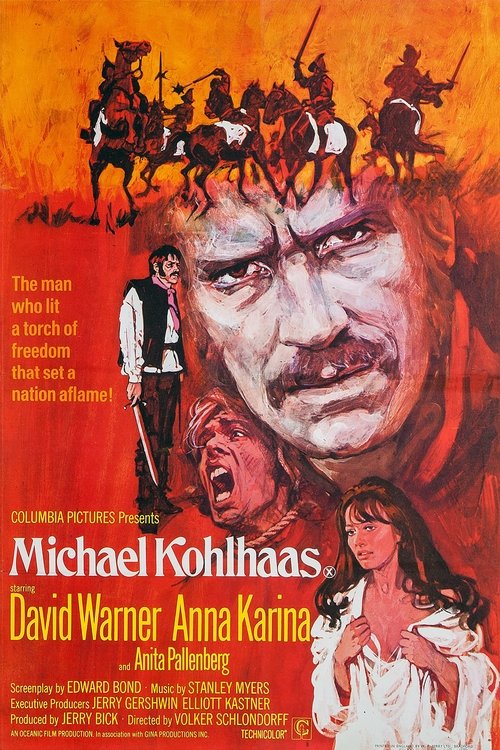
In medieval times, a horse merchant is forced by a noble to leave part of his stock as payment for crossing his land. Upon returning, he finds his horses near death, and when the noble refuses to compensate him, the merchant fights unsuccessfully against the injustice.
Michael Kohlhaas - The Rebel
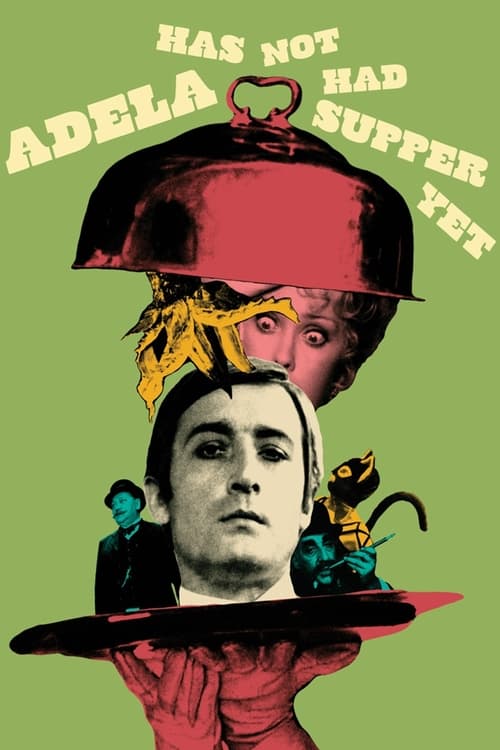
When famous detective Nick Carter visits Prague, he becomes involved in strange case of a missing dog and even stranger carnivorous plant. He becomes convinced that he is standing against his greatest enemy, the Gardener, who supposedly died years ago in a swamp...
Adela Has Not Had Supper Yet

No description available.
Eliška a její rod
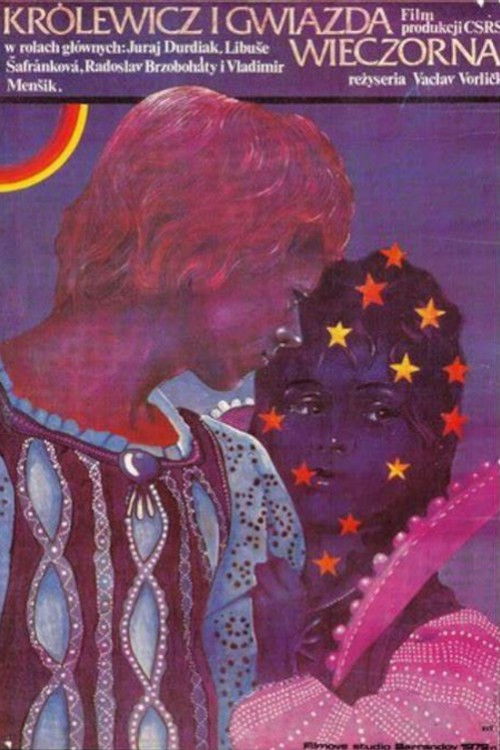
A wonderful fairytale about looking for love, defeating evil and learning some valuable moral lessons on the way. The story begins with the young Prince Velen, who is left in charge of the castle and his three sisters. During the night he has a visitation and before he knows it, all his sisters are married off and gone away, and himself falls in love with beautiful Večernice. Now he is faced with the King's wraths and charged with a quest. The journey, however, hides obstacles and danger; not only treacherous merchants and robbers, but also a evil wizard Mrakomor...