Production
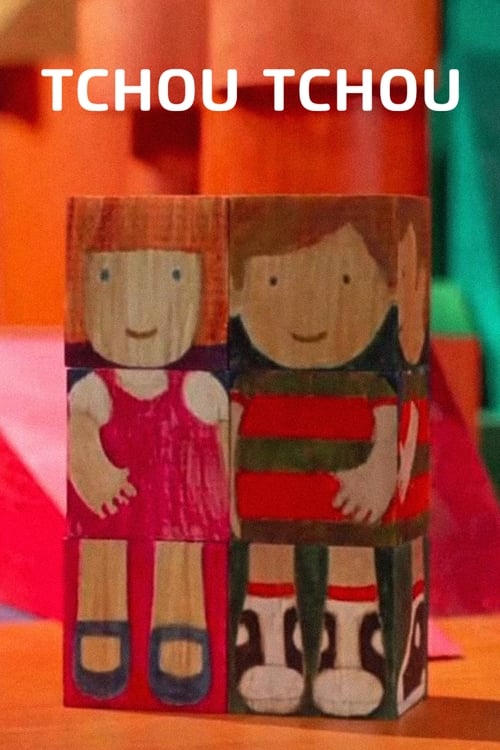
This short children's film by Co Hoedeman tells the story of 2 children and their encounter with an angry dragon, all represented by colourful building blocks.
Musician and composer 'Claude Dubois' presents his view of the effects of the growth of urban areas, specifically industrialization and overuse of non-human elements resulting in a need to overly control how we as people live within this environment. Human images are interspersed with more controlled mechanized ones. Those human images are first free flowing, then floundering under that mechanization, then ultimately trapped into chaos or into death.
The symbolic value of the egg throughout history is represented in this film in colourful animation without commentary. The importance attached to the egg as one of the realities of nature appears in the art and architecture of all ancient civilizations. In modern times it still holds a place in traditional observance. The animation artist develops this theme in colourful, surprising sequences. Film without words.
Although only a couple of minutes long, this animated short makes the point that oxygen is the stuff of life whether on land, in the air or water, but that it is becoming scarcer as man-made pollutants crowd it out. This is a film without words in which plants, birds, fish and, finally, man come to the same "breathless" end
This short animated film presents an allegorical portrait of a society where men have lost their autonomy in the struggle to be recognized by the very society that restricts their freedom.
Follows the work of sculptor Charles Daudelin. Without dialogue or narration, director Pierre Moretti traces the adventure of creation. We see a gigantic sculpture as it begins to take shape, and finally when it is placed in the National Arts Center in Ottawa.
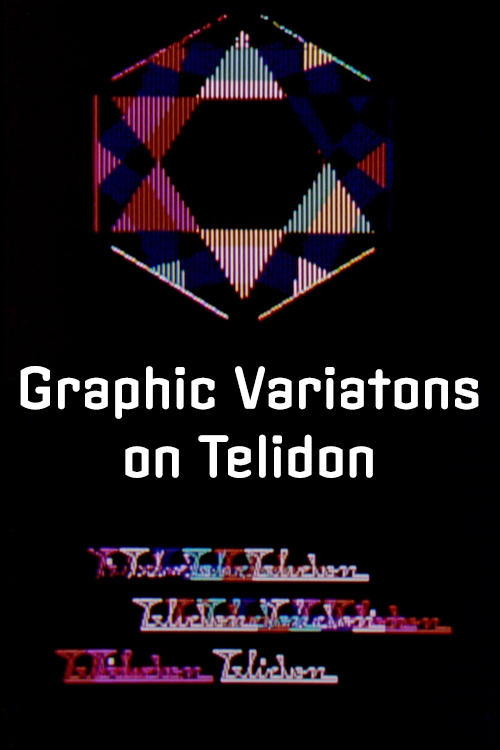
"In an effort to explore the flexibility of Telidon, Canada's videotex system, Pierre Moretti, animation artist from the National Film Board, used, in the graphic mode, the geometric figures which form the basis for Telidon's picture description instructions. Thus he created this short animated film."
A childhood fantasy where dreams carry a boy far to adventure. He arrives in Canada on an ocean liner and is, in turn, a hunter of polar bear, a cowboy, a hockey star, and a swimmer.
Animated film on the human condition which symbolically illustrates the different states of mind experienced by an individual, from birth to death.
An animated cartoon envisaging the kind of world that children of the future may well inherit when the last vestige of blue is blotted from the sky by the spreading mantle of smog. In this story a little boy sets out, equipped with celestial wings, to discover whether what an old man has told him is actually true, that there is blue above the grey. When he finds it he concludes that blue is where paradise is; the grimy earth is the netherworld.
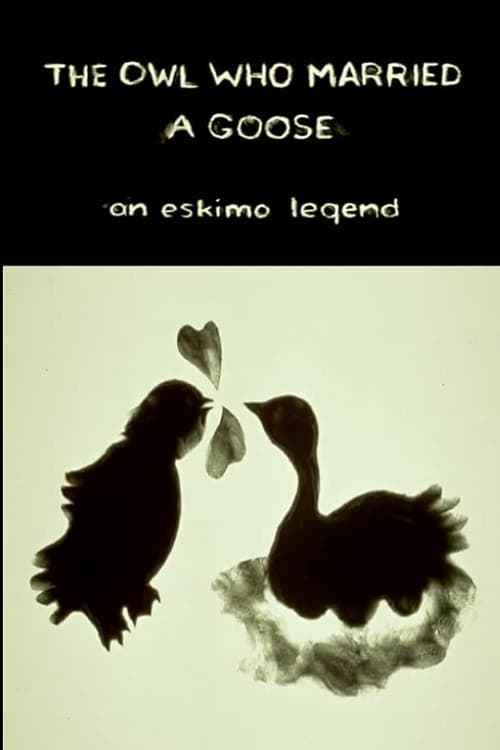
In this short animation based on an Inuit legend, a goose captures the fancy of an owl, a weakness for which he will pay dearly. The sound effects and voices are Inuktitut, but the animation leaves no doubt as to the unfolding action. A story with the wry humor characteristic of many Inuit tales.
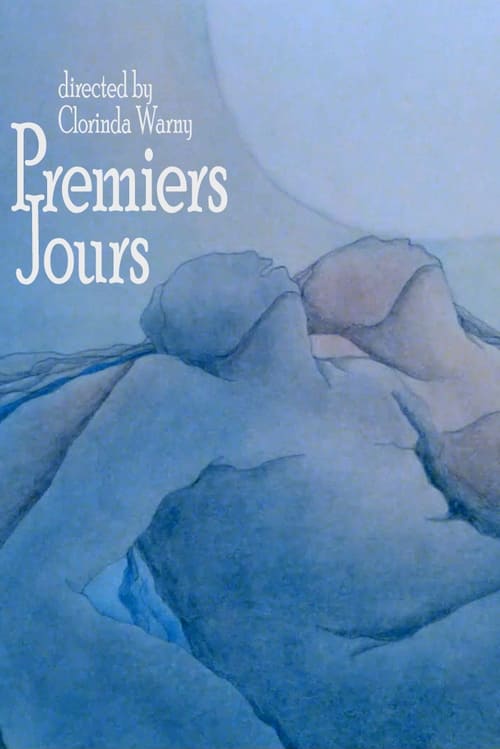
An animated film created from pastel drawings by Clorinda Warny, Premiers Jours traces the complete cycle of life, from birth to adulthood, in four seasons, and through the evolution of earthly landscapes that become human bodies. Completed Postumously by Suzanne Gervais, Lina Gagnon
This short film, in which a hunter is pursued, bound up and carried to a cave, tells the legend of a river, and of how fog came to the land. The story is enacted by Inuit using katadjak or throatsinging. The audience is locked in an alien world of sights and sounds where human activity seems propulsed by primeval forces.
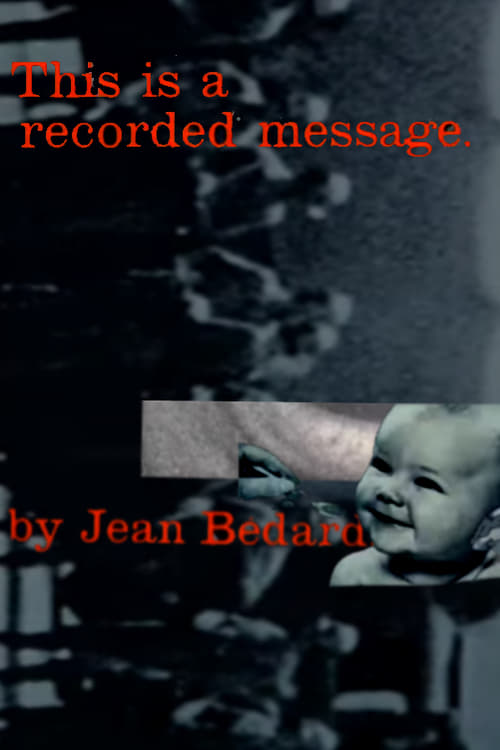
This experimental animated short takes a critical look at consumerism in a material world. Thousands of cut-out ads are presented in increasingly fragmented, rapid succession. The film's disorienting and hectic pace seeks to interrogate the extent to which seductive advertising is a shockingly strong force in shaping our desires, needs, and lives in contemporary capitalism.
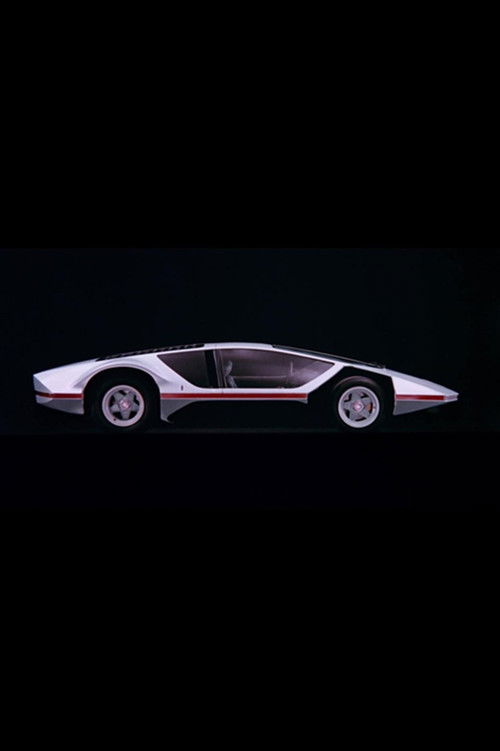
The camera animation of designs for an automobile, shifting between the drawings and the prototype, suggest something of the speed and vitality of the machine. What emerges is the portrait of a leashed thing, a made object that seems to tremble with life. Through the camera and the non-instrumental music, the film creates a feeling of exhilaration, of being inside...
Lumaaq tells the story of a legend widely believed by the Povungnituk Inuit. The artist's drawings are transferred to paper, cut out, and animated under the camera. The result is Inuit prints in action. Dialogue, music and artwork make this film a total cultural transplant.
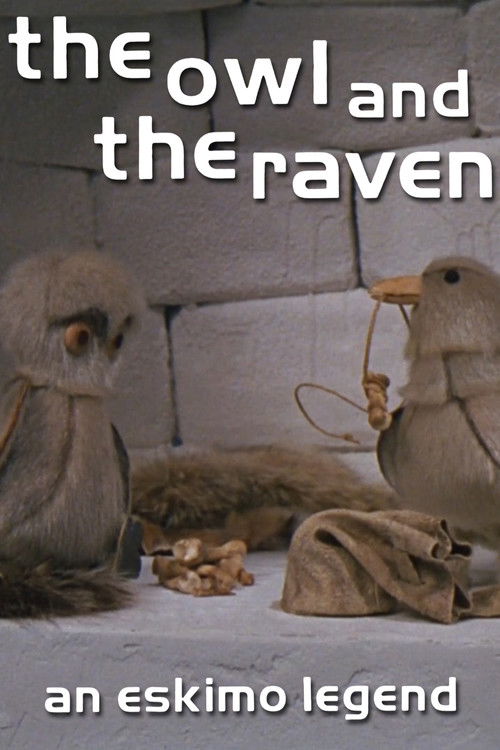
Using life-like seal fur puppets, this animated short by Co Hoedeman tells the traditional Inuit tale of the owl and the raven. Why did the raven’s feathers turn jet-black? And what did the owl have to do with it?
Using life-like seal fur puppets, this animated short by Co Hoedeman tells the traditional Inuit tale of the owl and the lemming.