Sepideh Farsi
Directing
Biography
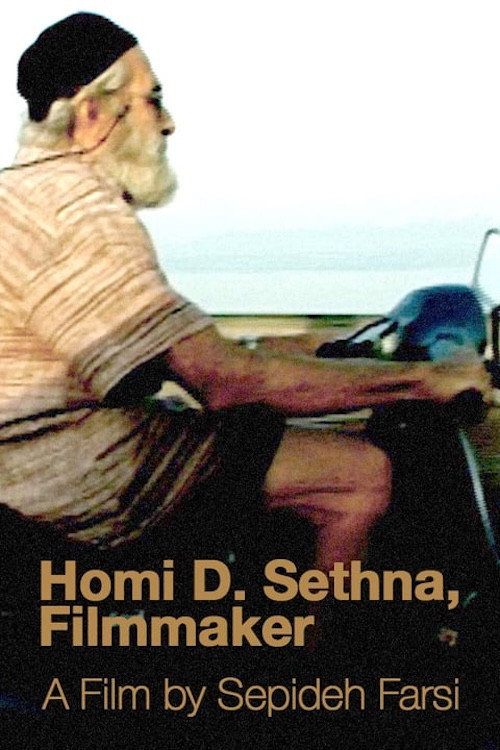
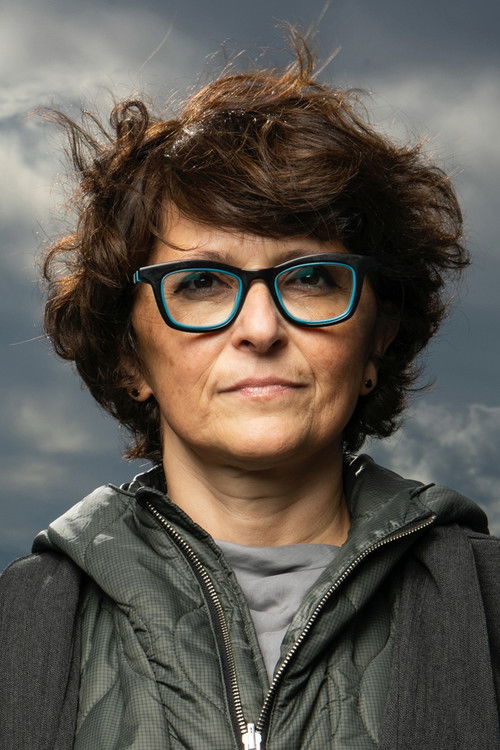
Sepideh Farsi (Persian: سپیده فارسی) is an Iranian filmmaker, born in 1965 in Tehran. Born in 1965 in Tehran, to a father working in civil engineering and an unemployed mother, Sepideh Farsi participated in numerous demonstrations and photographed them. She was arrested at the age of 16 for hiding a political dissident and imprisoned for eight months in Machad. Upon her release, she was banned from university and went into exile in France. She arrived in Paris in 1984 and studied mathematics. At 19, she was ultimately more drawn to the visual arts. She began creating photographs before making her first short films. One of her first films was a documentary about the Iranian diaspora, The World Is My Home. She continued her work in 2000 with a portrait of an Indian filmmaker, simply titled Homi D. Sethna, Film-maker, which received the FIPRESCI Prize at the Bombay Film Festival. In 2001, she directed Men of Fire, a work of fiction devoted to the Tehran firefighters. In 2003, she directed a work of fiction on the theme of identity, Maryam's Journey, a film somewhere between fiction and reportage that follows the journey of a young Iranian woman living in Paris who returns to search for her father in the streets of Tehran. With a yellowed photo in hand, she interviews passersby and shopkeepers. In 2007, she shot a new documentary, Harat. In the spring of 2008, once again wandering around Tehran, she made a film with a cell phone (due to government restrictions on filming). This film depicts various aspects of life in the Iranian capital: taxi drivers, women in a hair salon, young men talking about drugs, an Iranian rapper, and more. In 2009, she was a member of the jury for Best First Film at the Locarno International Film Festival. In 2014, she shot a new fiction film in Greece with Iranian actors; Red Rose broke the taboos of Iranian cinema by including sex scenes and evoking the relationships between the young, protesting generation and the generation that had challenged the Shah's regime. In 2025, Sepideh Farsi released the documentary "Put Your Soul on Your Hand and Walk," which recounts her year of correspondence with Palestinian photojournalist Fatima Hassouna, who was assassinated during an Israeli army raid on April 16, 2025, while she was scheduled to attend the Cannes Film Festival in May 2025.
Known For

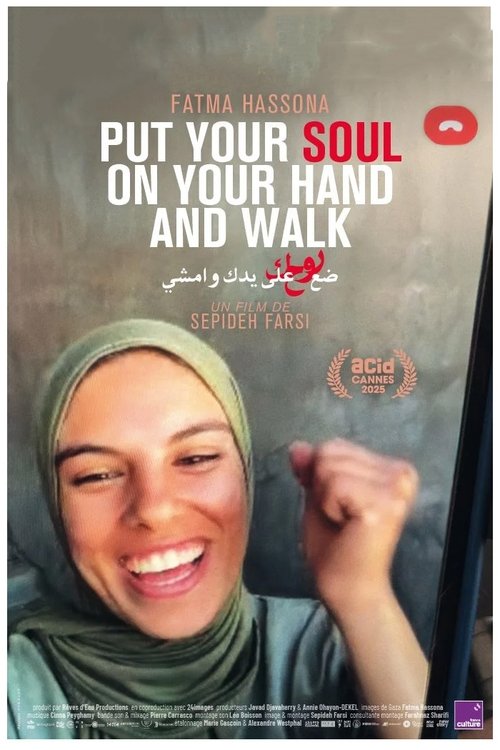
An Iranian filmmaker participates in a series of video calls with a young Palestinian photojournalist who describes her life confined in Gaza during the current regional conflict.
Put Your Soul on Your Hand and Walk

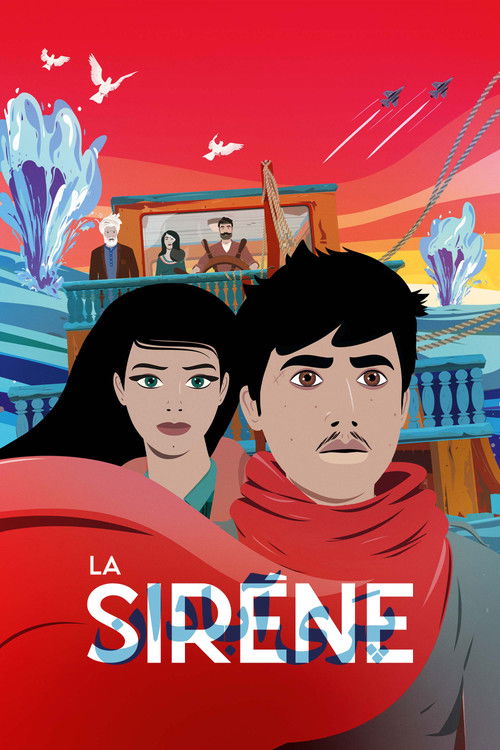
November 1980. Southern Iran. We are at the beginning of the Iran-Iraq war. Abadan, the capital of the Iranian petrol industry resists the repeated assaults of the Iraqi army, but is soon under full siege. Omid, a 14-year-old boy, has stayed back in the city, with his grandfather, waiting for his elder brother to come back from the frontline. Along with Omid, we discover several other uncommon characters, each one having stayed for a personal reason. Each one resisting in his own way. But as the Iraqi siege of the city hardens, Omid has to quickly find a way to save those he loves.
The Siren

For the 30th anniversaire of FIDMarseille about thirty directors have done us the honor of offering us some very beautiful short films.
30th anniversaire of FIDMarseille

"Morteza, in his fifties and just out of jail, is trying to rebuild his life. However, when he is implicated in the drowning death of a child, he is instantly assumed to be guilty. Taher, the police officer assigned to the case, first believes in his guilt, but later becomes obsessed with proving Morteza's innocence. Directed by Sepideh Farsi, and stars Masoud Rayegany and Bijan Emkanian.
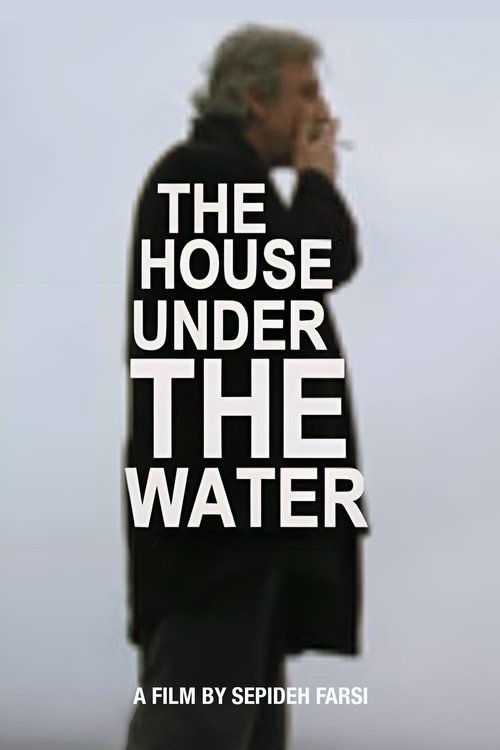
The House under the Water

A politically complacent middle-aged man and a young pro-democracy activist debate about the future of their country while hiding from the police, in this fascinating drama that blends scripted scenes with on-the-ground footage from Iran’s 2009 Green Revolution.
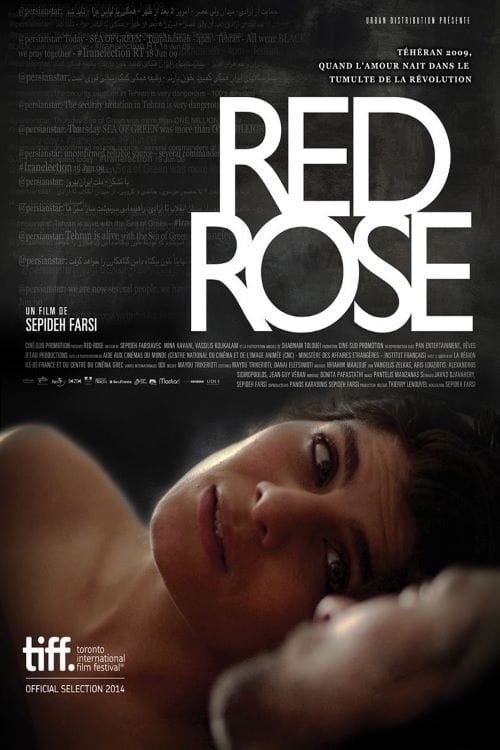
Red Rose

The brief but intense encounter of a Greek police officer and a Syrian refugee changes the way the two see this world.
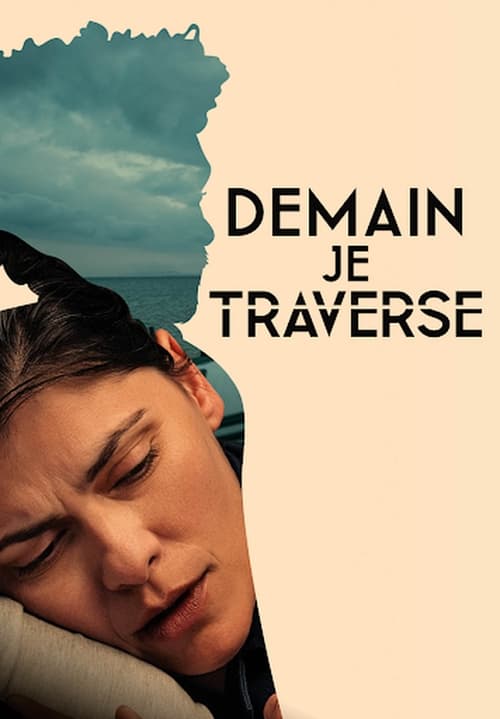
I Will Cross Tomorrow

No description available.
Negah

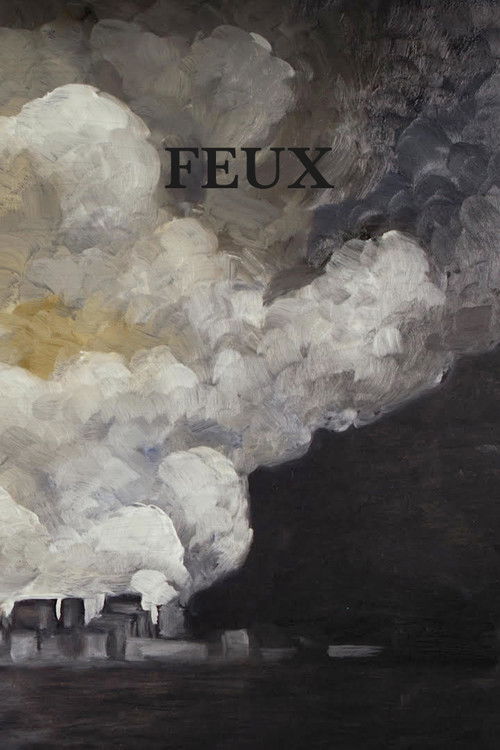
Karun, a stray dog, fights to survive in a chaotic environment ravaged by drought.
Feux

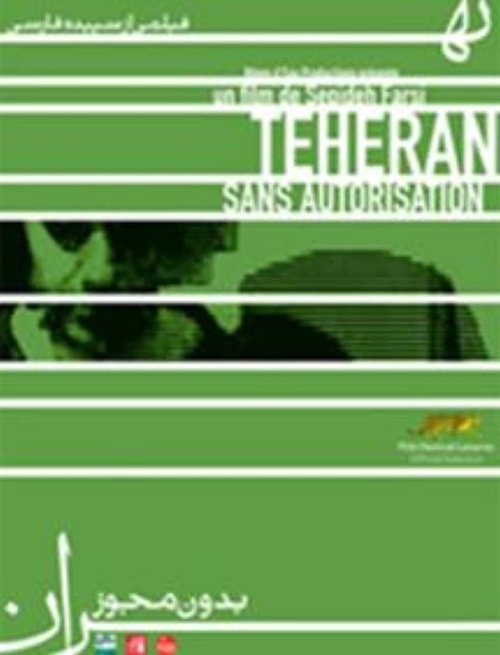
Sepideh Farsi left Tehran in her teens, yet has always remained under the spell of Iran's lively capital. In 'Tehran Without Permission', Farsi creates a collage-style portrait of a city in flux. Via a mixture of characters and cityscapes, Farsi's covert filming reveals a city beset with social and political tensions, yet held aloft by the indomitable spirit and character of its population.
Tehran Without Permission
The film is a well dug into the past. Made with bits of an unfinished film, "Red Shoes,” which was to be the director's very first auto-produced short film, but that remained “unborn” due to lack of money. What links the 16 mm footage that is the body of the present film, the poem that represents the heart of it, and the finished opus Letter to an Unborn Child represents close to thirty years of the Sepideh Farsi's life.
Letter to an Unborn Child

No description available.
Le Voyage de Maryam

From Afghanistan, little is known but a few cliches, the word Taliban, and a war that seems to have never ceased since the Soviet era and its new turn taken since 2001. A country devastated in a state of permanent conflict, a population deeply marked: how to do it justice? Equipped with her only camera, reconnecting with her beginnings on documentaries, the director embraces the beautiful ambition to reach the intimate heart of the country.
7 Veils

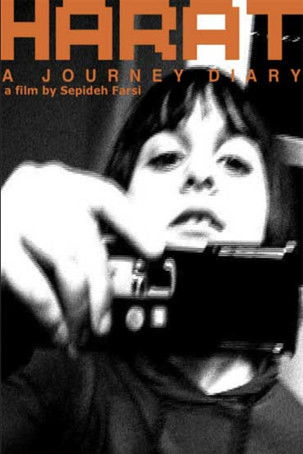
Sepideh and Darya. Mother and daughter. A successful young filmmaker and a child with clear ideas about how to make a film. Together they make a long journey to meet members of their large family: From Paris to Tehran and further beyond the Afghanistan border. By air, train, car, they never leave the tools of their trade: two video cameras, one of which is so small that it goes by unseen. On the way, they encounter landscapes, villages, voices and faces, too long separated by distance or disparate destinies. Travel time, story time: at night, Sepideh transforms their story into a bedtime lullaby for her daughter. The complex ramifications of a genealogical tree are gathered in a subtle family album.
Harat

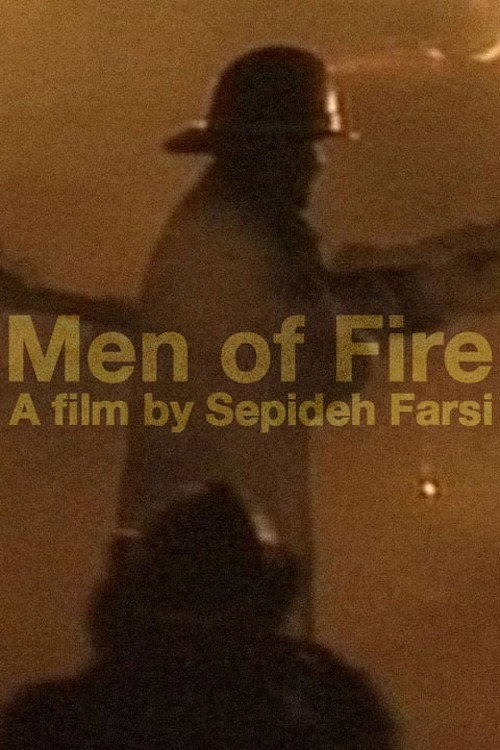
An insight into today's Iran, through a simple device: following a group of firemen in Tehran. We shall see the country in its critical moments, when tongues untie, when gestures are more spontaneous, and doors open more easily.
Men of Fire

“He said Mr. Sethna, what are you? I said I’m a human being. Then… I’m an Indian. Then I suppose, I am a Zoroastrian, or if you like, a Parsi. Then my profession. I’m a filmmaker.” A journey through a very unusual old man’s life in Bombay.