Directing
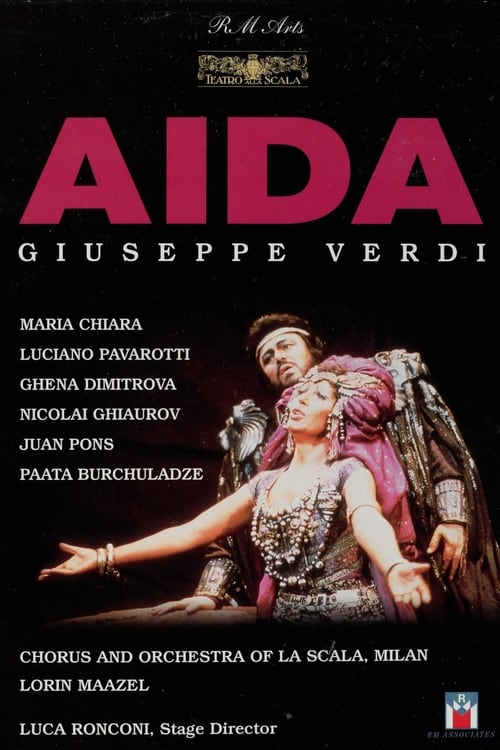
La Scala went all out for its 1986 production of this grandest of grand operas, with a strong cast and, most important for a video recording, a larger-than-life staging. The Triumph Scene in Act II is by no means Aida's only attraction, but it is the part that makes the strongest and most lasting impression and it is the visual and musical climax of this production. Stage director Luca Ronconi brings on a procession to dwarf all processions: looted treasures, heroic statuary, miserable captives struggling under the lash of whip-bearing slave drivers. On par with these visuals is Lorin Maazel's first-class performance of the popular Grand March with the outstanding La Scala chorus and orchestra. In Act III, the contrasting tranquility of the Nile Scene also gets a visual treatment to match the music's qualities.
Live from La Scala Wednesday 14 December 1988.
No description available.
Six episodes (adapted from as many short stories: Gozzano, D'Annunzio, Guido Rocca, Marino Moretti, Alba de Céspedes and Oreste Biancoli), six love stories set in different moments in italian recent history.
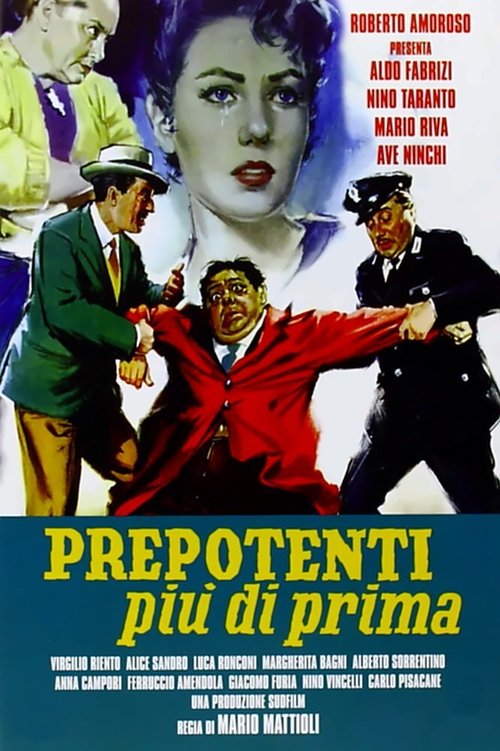
Cesare, from Rome, and Mimì, from Naples, don't agree with their children marriage, so the young couple runs away from their home.
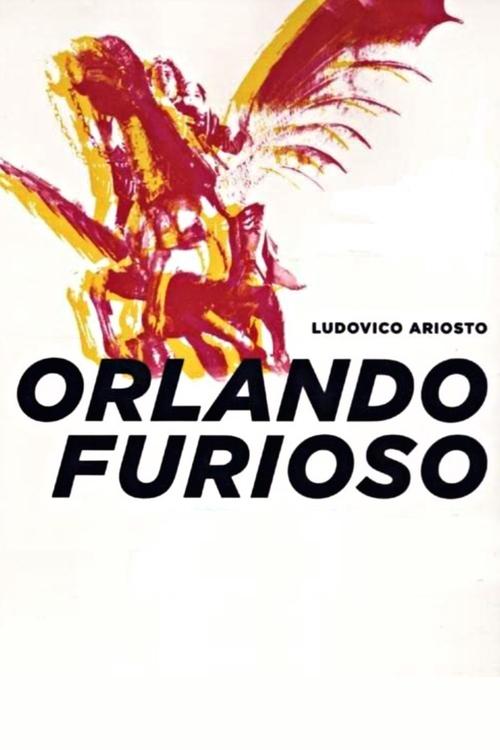
Tales of knights and princesses, wizards and sorceresses. Featuring an invisibility ring, a hippogriff, and a trip to the moon. Based on a sixteenth-century Italian chivalric poem by Ludovico Ariosto.
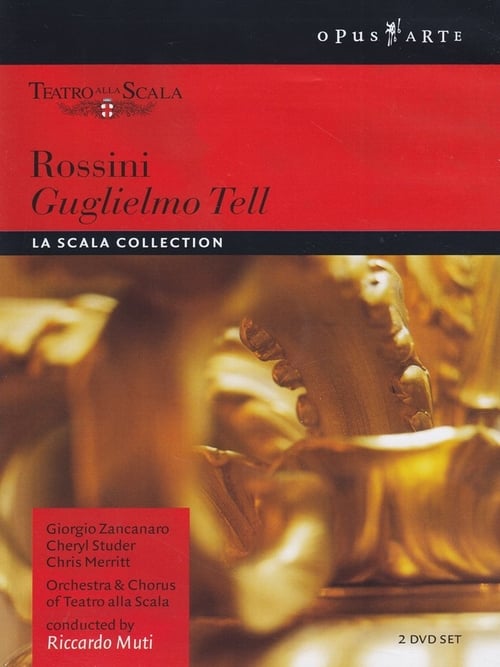
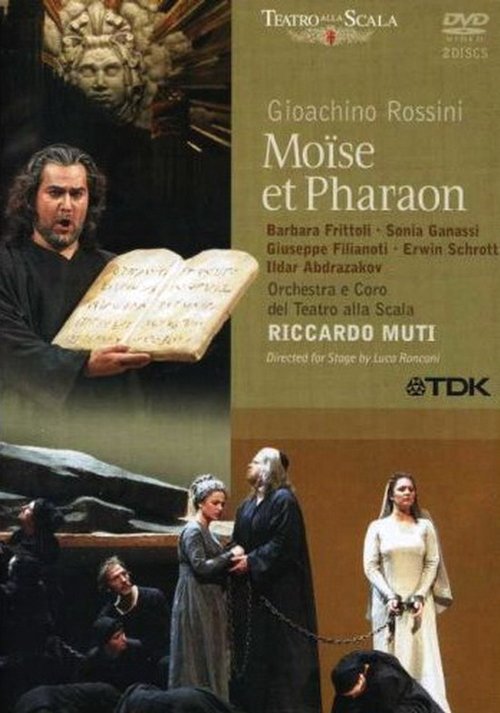
Live from La Scala Wednesday 10 December 2003
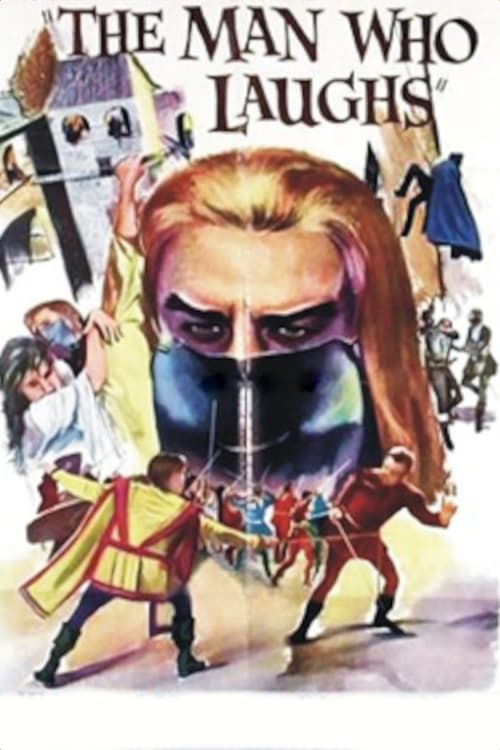
This loose adaptation of the Victor Hugo classic shifts the story to Italy and back in time, with the deformed protagonist meeting Lucrezia Borgia instead of Queen Anne. Also, Gwynplaine is renamed Angelo (Jean Sorel) with his disfigurement represented by a single broad slash across his mouth, crude yet convincing. The story (not credited to Hugo) is a swashbuckler pitting the disfigured acrobat against the henchmen of the Borgias.
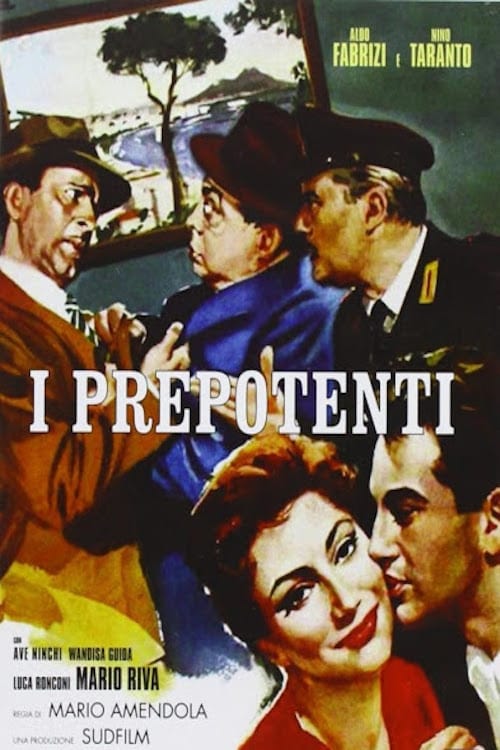
Returning from his honeymoon, Marcella finds out she is pregnant. The to-be grandparents fight on where the baby will be born and on his name. The parents of the baby, tired of those fights, run away to Milan.
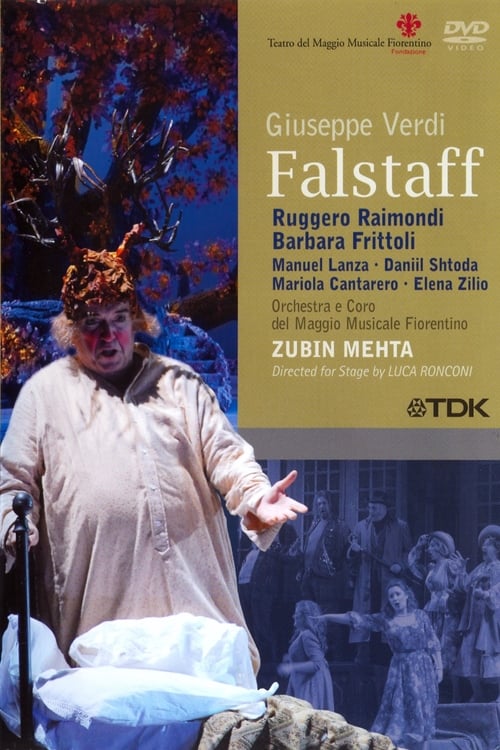
Ruggero Raimondi and Barbara Frittoli star in this 2006 production of the Verdi opera with Zubin Mehta conducting the Maggio Musicale Fiorentino. Giuseppe Verdi's last opera is given new life in this production by Luca Ronconi. Utilizing the sights and social conditions of modern Britain, this version of Shakespeare's THE MERRY WIVES OF WINDSOR keeps the comedy accessible while still featuring all the elements that have made this opera a perennial favorite.
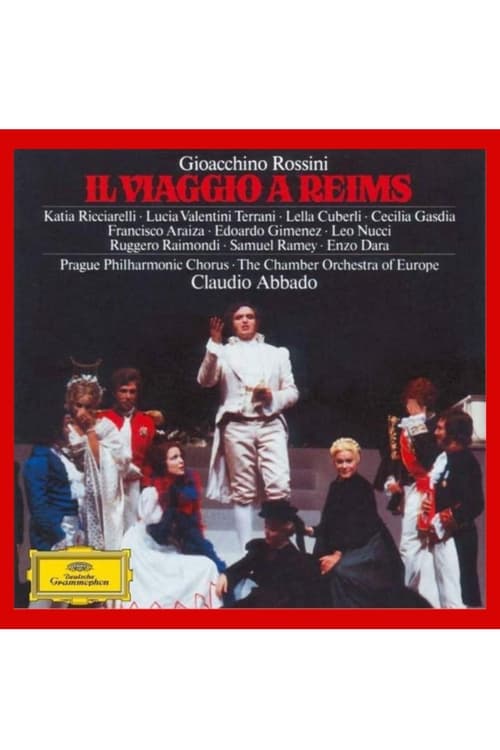
The historic 1984 revival performance of Il viaggio a Reims was the first time in over 150 years the opera was performed. Set in a luxurious hotel in Plombières-les-Bains, the opera follows a diverse group of aristocratic characters as they gather to celebrate the coronation of King Charles X of France. Amidst the festivities, wacky antics ensue, romantic entanglements unfold, and the characters face various comedic and dramatic challenges, showcasing Rossini's masterful blend of music, comedy, and drama.
Documentary follows the experimental drama course given by the old Italian theatre and opera legend Lucio Ronconi every summer in a remote corner of Umbria, where young, dedicated acting talent rehearse several plays.
The story of the “Oresteia” begins with King Agamemnon's return to Argos after the fall of Troy. The chorus, composed of old Argives, recalls the sacrifice offered to the gods by Agamemnon, in Aulis, of his daughter Iphigenia to gain their favor.
Juan Pons, Barbara Frittoli, Mariana Lipovsek, and Leo Nucci star in this 2008 La Scala production of the Puccini trilogy (Il Tabarro, Suor Angelica, and Gianni Schicchi) conducted by Riccardo Chailly.
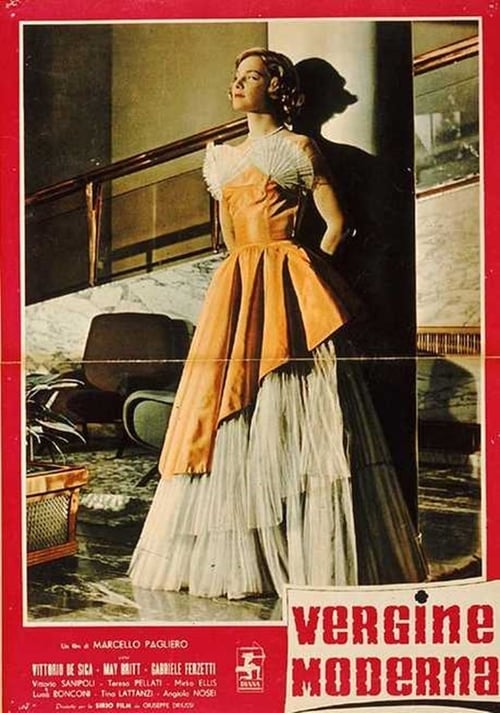
The young Claudia wants to escape from the gray life of the province and aims rich men but each time with unhappy results. Only the brother will eventually succeed in shaking her from this purpose.
It truly is an historic performance. Domingo looking and singing like a god pouring out golden tones; Renato Bruson sounds, like the sublime Verdian Baritone that he was at that time; Nicolai Ghiaurov proves again that he was one of the greatest "Verdi Basses"; Mirella Freni shows that there was more to her than just being Mimi and Susannah-in fact I can remember reading that at the time of the premiere of this production that there were fist fights (not unusual in La Scala's gallery) between Mirella's many fans--between those fans that just wanting her to continue singing the light lyric repertoire that they were use to her singing and those that felt she should and could sing the lyric-spinto repertoire which, of course, she proved that,indeed, she could (She's still singing more than twenty years later). This performance captures some of the best Verdi singers of the time doing dear ole wonderful Giuseppi proud.
Macbeth" was Giuseppe Verdi's first attempt at music drama and also the first manifestation of his profound love for Shakespeare's work. Verdi took great pains with this opera, displaying special enthusiasm for it as he concentrated on the main characters of Lady Macbeth, Macbeth and the witches. This recording of Luca Ronconi's production is conducted by Giuseppe Sinopoli, who brings fresh color to Verdi's score. The cast, headed by Renato Bruson and Mara Zampieri, are strongly supported by a fine-toned and adaptable chorus who ably meet the demands of Verdi's great "chorus opera.
Luca Ronconi directs Corrado Pani, Ilaria Occhini and Franco Graziosi in this ambitious stage adaptation of Gadda’s masterpiece.
A documentary about director Luca Ronconi. He is asked about his life and his choice to devote himself to theater and in particular, at that precise moment in his career, to undertake the production of Pier Paolo Pasolini's Calderon as part of the Prato theater workshop.