Miklós Vásárhelyi
Writing
Known For

Juli, who works in a brick factory, begins a romantic relationship with her boss, to whom she hides the fact that she has a son.
Nine Months
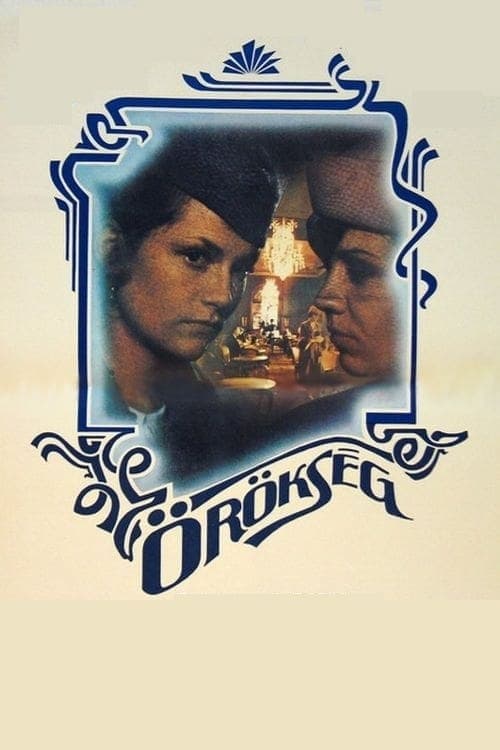
During the rising of nazism, Sylvia, a rich but sterile woman, needs an heir to inherit her father's money. So she bribes Irene, a Jewish girl, to have a child by her husband.
The Inheritance
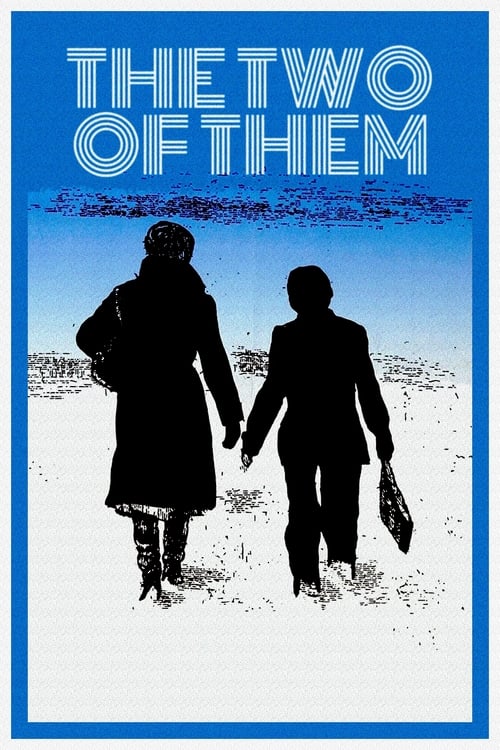
Looking for a safe place to live after being harassed by her husband, a depressive and violent man, Juli stays at a women's shelter run by Mária.
The Two of Them
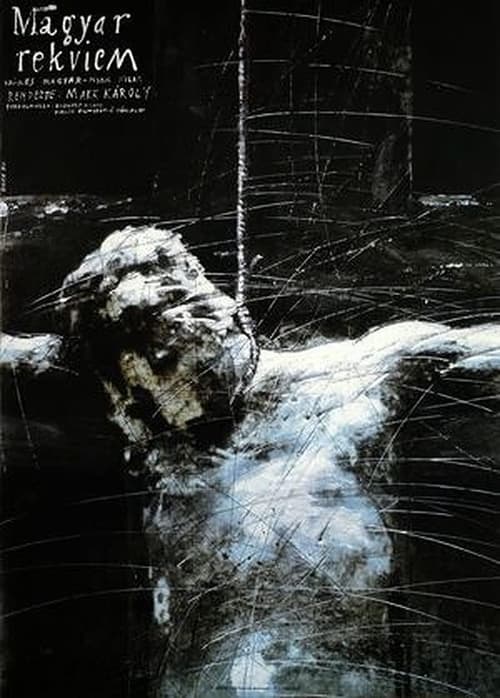
1958. In the cell of the condemned, seven men await the signs of an approaching execution. All of them recall their pasts and envision their wish-dreams.
Hungarian Requiem
The royal summary court sentences Sallai Imre and Fürst Sándor to death on charges of attempting to uproot the state and the social order. The film, the story of which takes place in 1932, enlarges the moment of delivering the death-sentence. Sallai, preparing for his death, envisions the people and the events that have been decisive for his life.