Sándor Kőmíves
Acting
Known For
No description available.
Die Tausenderreportage

No description available.
Televíziós Mesék Felnőtteknek

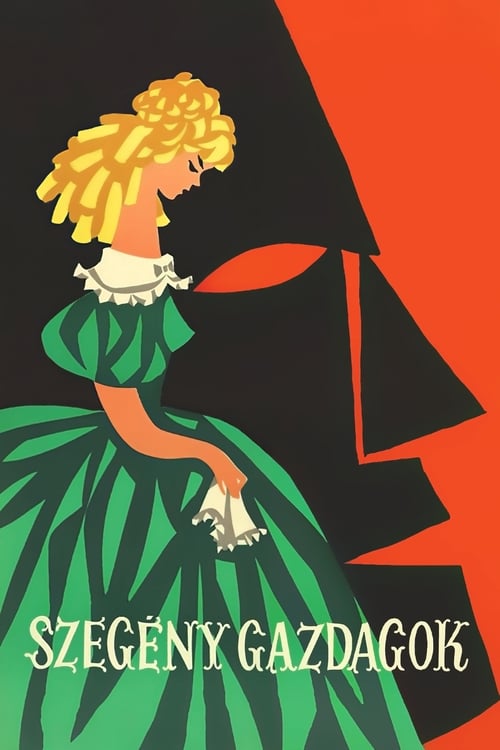
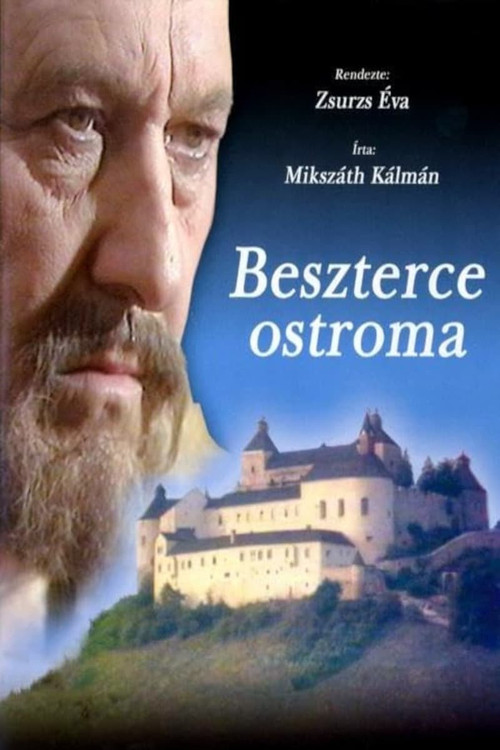
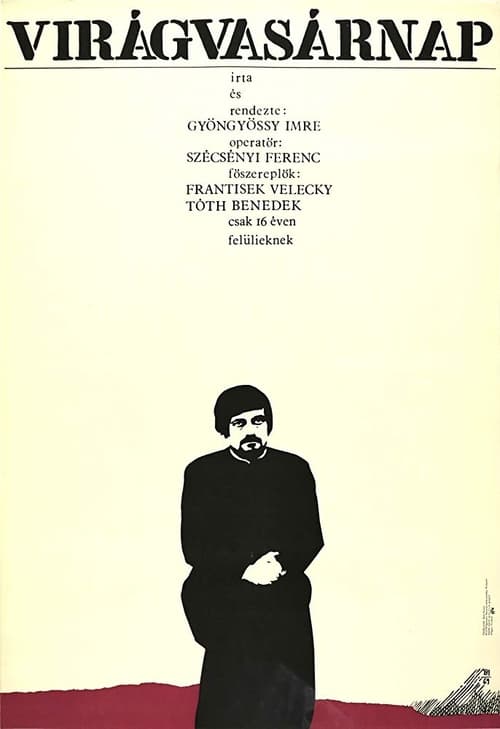
István Pongrácz, lord of the castle of Nedec, is a strange man. He does not like his own time, so he imagines himself as a medieval lord of the castle. His surroundings also accept his whimsy, and in this way they give him a horse to ride. Like centuries before, he launches a campaign against the disobedient city of Banská Štiavnica. In their great embarrassment, the serious city fathers offer the haughty warlord a ‘hostage’: Apolka, the city’s orphan. Her presence changes Count Pongrácz, who grows fond of the beautiful and innocent creature. But Apolka’s heart belongs to another.
Beszterce ostroma

March 15, 1848; the revolution breaks out in the town of Pest. Yet at café Pilvax, in among he revolutionary youth, there is the informer of the imperial court as well. Hearing the news of the attack led by Jellasics, the inhabitants of the villages pour into the national army, and Hajdú Gyurka also escapes from his landlord. Petőfi is there at the camp of the revolutionaries, raising them to enthusiasm with his poetry.
The Sea has Risen

The spring of 1919. Karikás Frigyes reorganises brigade 39 at the Tisza. His most devoted soldiers are Korbély János and his followers, who remain faithful to the political commissioner under all circumstances.
The Brigade No. 39

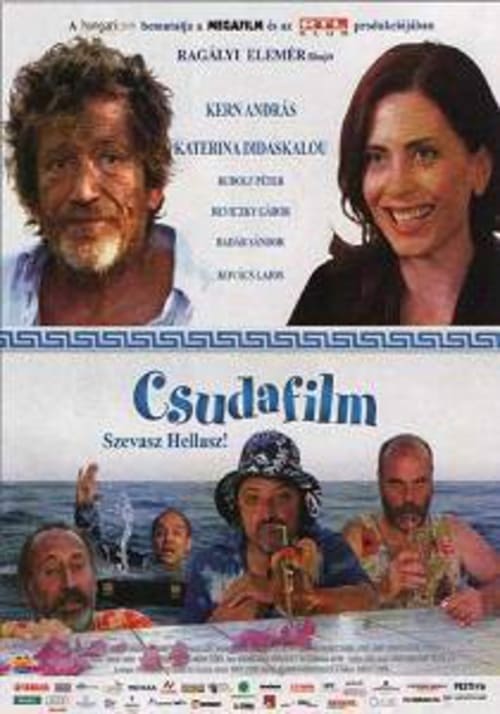
A disowned son of a Greek aristocrat arrives in Hungary in 1949 over his family’s communist beliefs and starts work in the Lágymányos tobacco factory, where he falls for Gizi Weiss and fathers their first child in 1953. Fifty years later, the now-destitute “Ratkó baby” is whisked from the Baross Square underpass to Crete by a legion of lawyers to claim his share of a legendary inheritance.
Csudafilm

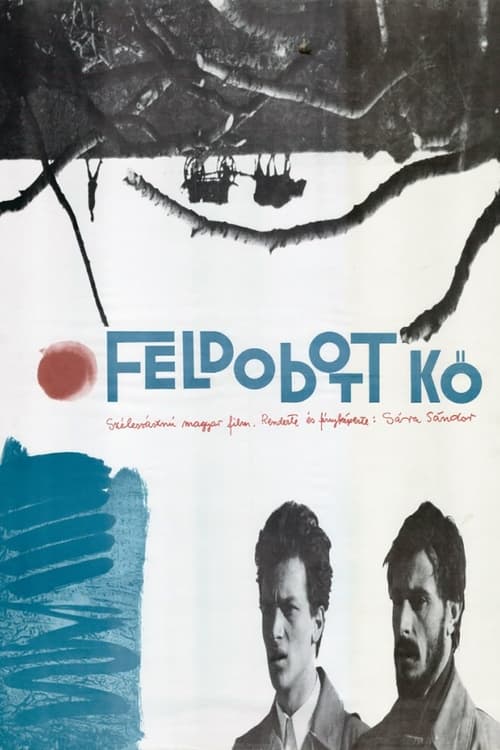
An aspiring film student is denied a scholarship to the state-funded university when his father is thrown in jail. The man had stopped a train in order to facilitate the union between two old friends. The son then takes a job as a land surveyor and meets a Greek man who works towards the collective benefits of the peasants. The man is killed in a peasant uprising prompted by a bureaucratic boondoggle. The surveyor looks after the man's widow as his emerging political and social awareness leads him take a stand against government injustice. Another incident, in which gypsies are rounded up by state hygiene workers, further galvanizes the man's beliefs. He photographs the incident, and his work allows him to be accepted into the school from which he was previously denied admission.
The Upthrown Stone

Feature film version of the 1971 series. On the eve of the 18th century, County Vicecomes Görgey Pál broods alone in his manor while the town of Leutschau celebrates New Year’s with lead‐casting omens and a disastrous hunt that sparks a bitter feud. As Görgey fights for his honor and life, and the townspeople defend their Saxon privileges, their mutual blind ambition prevents them from seeing the rising light of Rákóczi’s coming rebellion.
The Black City

In modern Hungary, con artist Bender Oszkár and his motley crew - Barangó and a band of small-time schemers - embark on a series of outrageous scams to track down an “illegal” millionaire and seize ten million for themselves. As they exploit every trick in the book - fake charities, crooked roulette tables, forged documents - their madcap pursuit of easy riches exposes the absurdities and corruptions of contemporary life, with Bender’s fate hanging on whether his “great maneuver” will pay off or blow up in his face.
Aranyborjú

In the thirties, the poor living by the Romanian-Hungarian border were forced to smuggle if they wanted to survive. Mihály, a Hungarian peasant, kills a border guard while fleeing. He is fed up with smuggling and wants to put an end to it, yet he needs money to get a job, so he embarks on another turn.
The Smugglers

Private inspector Hável happens to travel on the train which is attacked at Biatorbágy. His attention is drawn to a suspicious man, and in the next few days he confirms that it was indeed him who committed the crime. Yet the police accuses not the lunatic Marschalkó but the communists. Summary justice is declared.
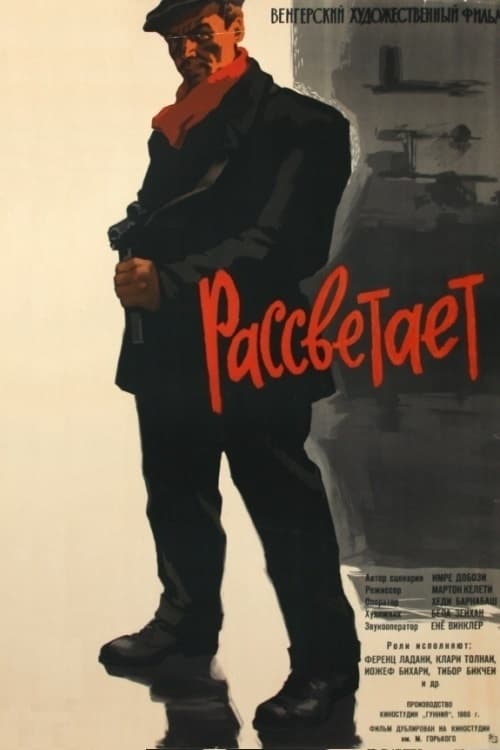
Crime at Dawn

The grey hero of grey workdays, the divorced cashier of a cinema who is always willing to sacrifice herself for others, Etelka, is awarded a two-week-holiday at Lake Balaton. Following the advice of her female friend, she tries to live life at full speed.
Just a Joke

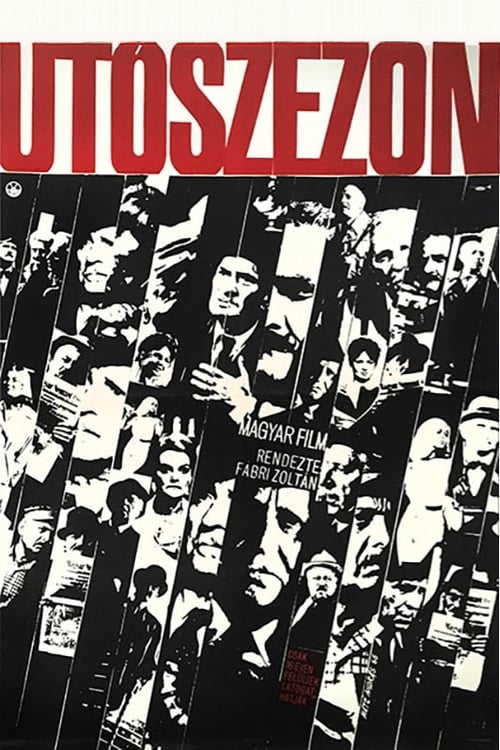
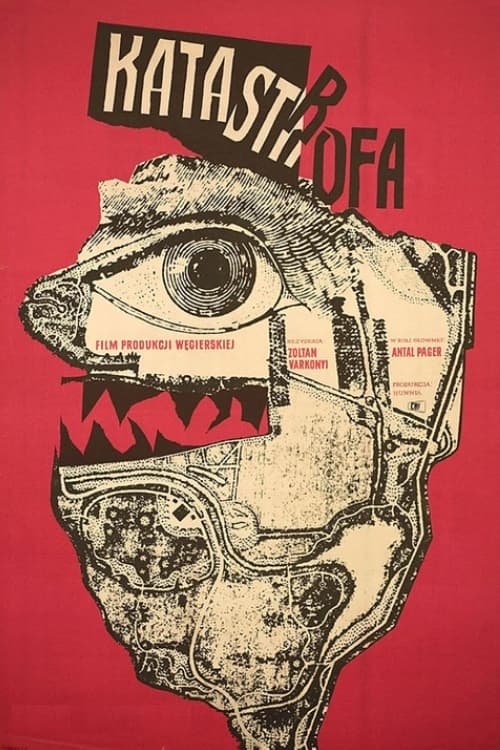
Kerekes believes he is wanted by the police when his friends play a practical joke in this unusual comedy drama. He returns to his hometown where he was accused of turning a Jewish druggist and the druggist's wife over to the Nazis. With his friends following him, Kerekes tries to find out what became of the couple after they were deported. After being subjected to a mock trial by his friends - and found guilty - Kerekes becomes despondent and attempts to kill himself. Flashbacks and hallucinations are employed to tell this story that occurs during the Eichmann trial. Both the film and Antal Pager gained some unwanted publicity when a Variety article from April 23rd, 1967 accused Pager of being a Nazi collaborator for his role in an anti-Semitic film during World War II.
Late Season

The old, sickly Demeter Lapussa is a tyrant in the family. He forces his granddaughter, the beautiful Henriette, to marry baron Hátszegi, although the girl loves the penniless Vámhidy Szilárd. The two lovers attempt to commit suicide, then are torn away from each other.
Fatia Negra

After a 15-year absence, the famous actress' expatriate husband returns to Hungary to settle their divorce. The actress is rehearsing the role of a young boy back home when her husband walks in. Seeing the little boy, the husband thinks that Janika is his child, but the actress fails to inform him of the mistake.
Janika

September 1952 in a mine in Northern-Hungary after an explosion water breaks in from the neighbouring shaft and fourteen miners become trapped. The whole country unites to save them.
Fourteen Lives

Lugosi works in the locomotive factory, earning little. He does not feel at ease in the world. One reason for his discontent is that his wife - a tractor factory worker - earns more than he does, and another is that she has even had her innovation accepted, while his has not. And because trouble doesn't come alone, poor Lugosi gets involved in a sabotage case.
Honour and Glory

No description available.
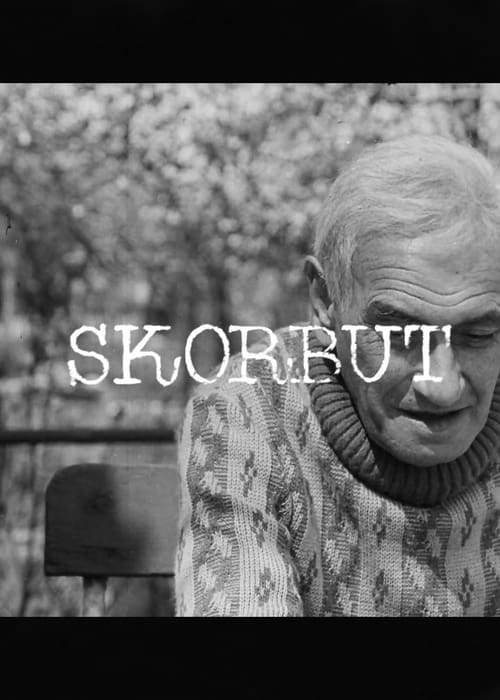
Scurvy

Daddy Kárász, the stakhanovist worker, complains in a television interview about the fact that his family, consisting of many members, cannot get a home on their own. Kéri, the chairman of the local authority, promises to help him on the condition that if he does not, they may move in to his villa at elegant Pasarét. Nothing happens, therefore the Kárász family takes Kéri by his word. From this time on, tumultuous scenes and frequent quarrels take place in the villa between the two families.
Don't Keep Off the Grass

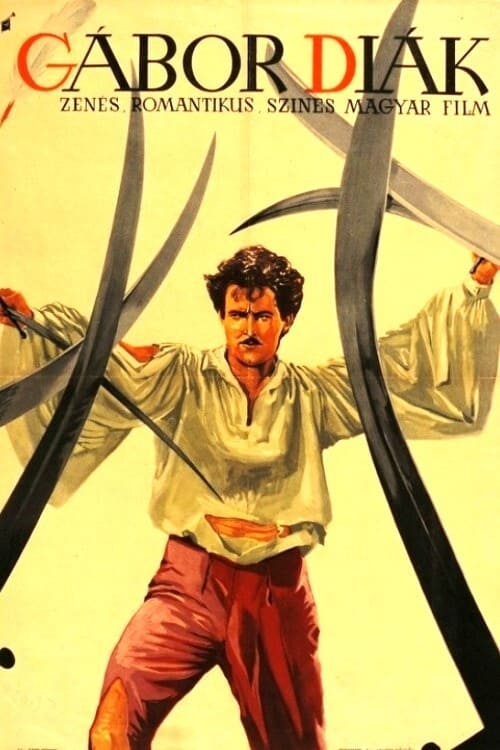
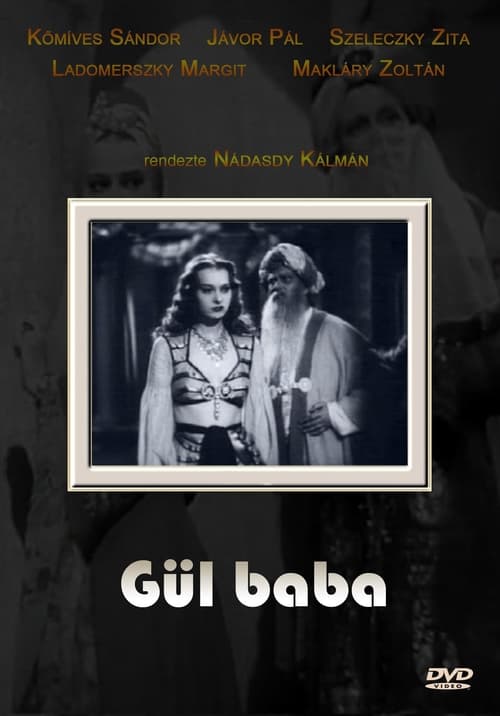
Buda is mastered by the Turks. Student Gábor and his companion flee a troop into the castle, just in the garden of Gül Baba. Gábor and Leila, the daughter of Gül Baba fall in love with each other. Ali pasha, who wants to marry the girl, has the two Hungarians caught in order to let them be executed.