
Peter von Ziegesar
Directing
Biography
Franz Peter von Ziegesar (born October 1, 1952) is an American writer and filmmaker. In 2013 he authored the memoir The Looking Glass Brother.
Known For

Short documentary by Peter von Ziegesar.
The Peter Diaries: Life is Slow in the Fast Lane
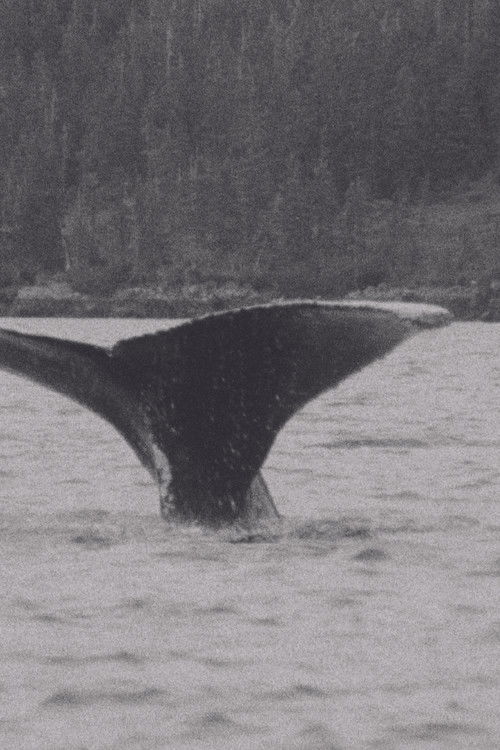
This is a diary film shot at the same time as my edited sound film, Alaska. The film reflects my awe as I accompanied my sister, Olga, a marine biologist, and her research partner Beth as they conducted whale research in Prince William Sound, among ice floes and cetaceous beasts larger than our small inflated boat.
Whales
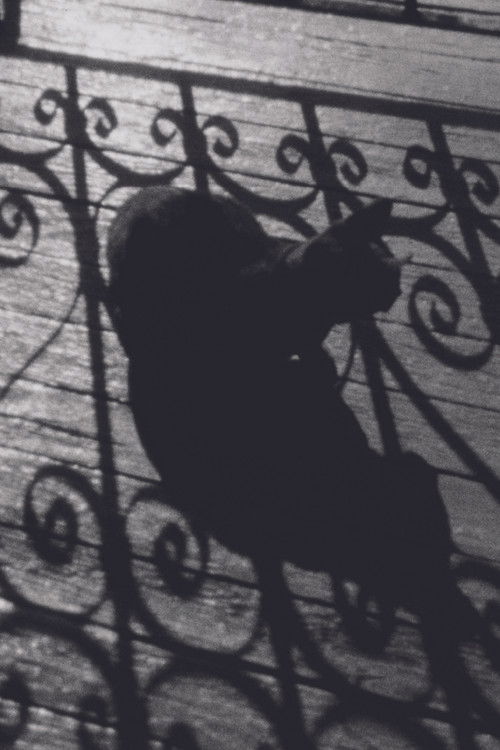
A cat climbs a screen, men squat on the pavement to gamble behind a 7-11, solarized film warbles in and out. A personal, quiet diary film, portraying an early apartment, an early cat, an early relationship in Kansas City. Uses self-conscious Eisenstein cutting to convey the indolent, charged air-before-a-storm atmosphere that pervaded that era.
Emma

Daily life in an alien city. This is an early diary film trying to formalize my sojourn in cold, naked Chicago in four chapters, presented as four 78 rpm records dropping one by one.
Four 78's Played at Normal Speed
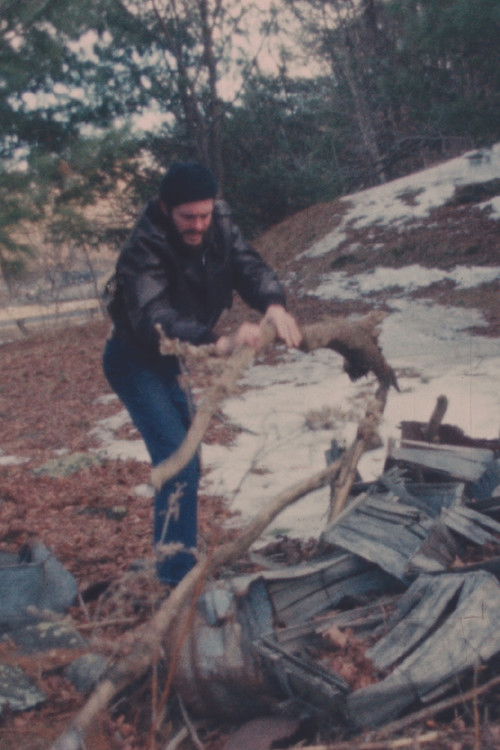
Arriflesh is a diary film recording a period I spent, very much at loose ends, dividing my time between Vermont and New York City. During those months I was also filming Horseflesh, so they are companion films. Various friends filled my universe in that confused, interim period: Cindy Revel, Margery Cohen, Tony Heath, and a bearded neighbor who was perpetually collecting scrap wood and who eventually made me a very complete astrological chart. In imitation of Jack Kerouac's Ray Smith in The Dharma Bums, I would walk up into the snowy hills every afternoon to meditate alone among the trees, with the same results as Kerouac…nada and a sense of the stony muteness of nature. This whole period was colored by memories of a teenage cousin who’d shot himself in a house just a few miles away, two years before. Like my bearded neighbor I was collecting scraps in the hope that they would someday come together into a cohesive whole.
Arriflesh
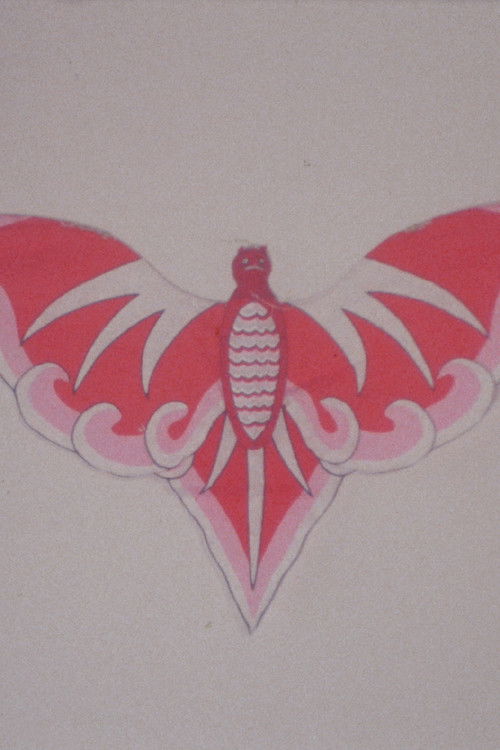
This is a record of a summer I spent in Columbia Maryland using film magic to make a bat kite come alive and filming Lucy and Robin at a fairly typical moment, dancing to Bob Dylan’s “Apple Suckling Tree.”
Bat Kite Lucy Robin
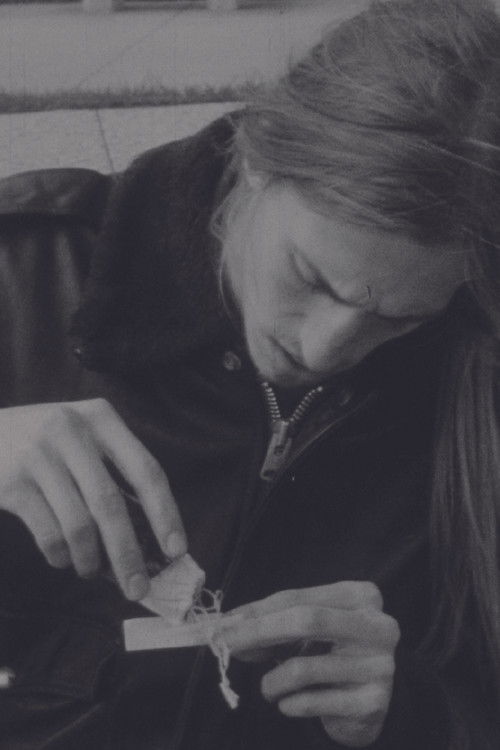
A film school assignment supposed to demonstrate a circular and repeatable action.
Peter Rolls Some Sigarettes
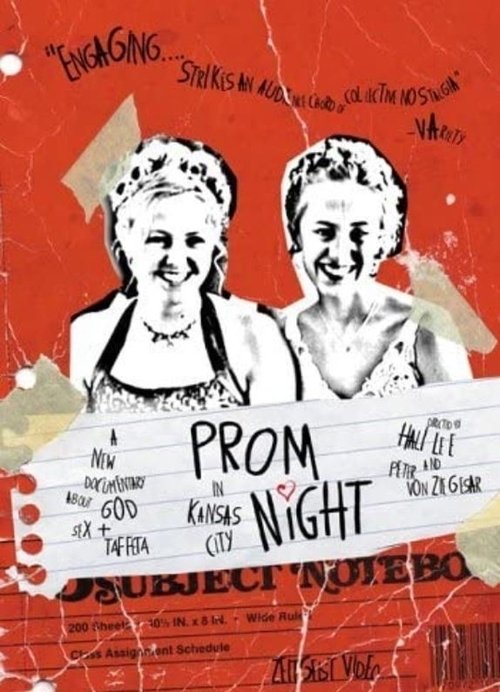
An exploration of the consummate American coming-of-age ritual as it is observed in middle America.
Prom Night in Kansas City

Alaska is the visual artifact of a two-week trip, in 1976, to Homer, Alaska, where my sister was marrying the son of a homesteader. Many of the issues that drove Concern for the City are present in this film, which preceded and inspired it. As compared to New York City, the setting for Concern, Alaska is a place where nature still overwhelms and has to be respected, where man and his works remain just a tiny dot on the rugged landscape. This is changing, of course, and the Alaska mindset is to try to control, vanquish and feed from the natural environment. Yet it is a far more even contest in the north.
Alaska
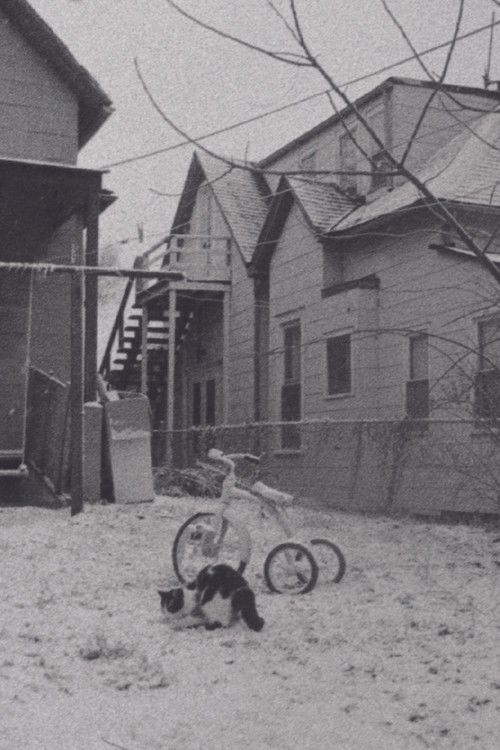
A diary film, the record of an interim period, winter with two cats at the bungalow at 4111 Oak Street in Kansas City, Missouri. Practicing slight-of-hand magic, a congruence of film magic, the back yard where I used to study the ethnography of cats and park the car on Sunday, listening to gospel music on the AM radio.
Cats-Snow-Magic

A History of Dancing visually follows the transmigration of the soul after death, going through several states before reaching a final destination similar to Nirvana. (A similar transmigration occurs in my films, None Saved, and Alaska.) For the film, I created my own “wipes” to use as transitions, following a tradition developed in the silent era. Ultimately, A History of Dancing explores trauma I’d gathered from an insecure childhood growing up in suburban Connecticut—during which two of my siblings had died violently as teenagers. The lesson for me was that one must come to terms with death, for it is always nearby, even among the well-to-do and supposedly sheltered.
A History of Dancing

A short documentary by Hali Lee and Peter von Ziegesar.
Brenda and William: An American Love Story

A silent film shot mostly on high contrast 16mm film, attempting to tell a story mostly with titles. Put together during a particularly bad time when I had just moved to the East Village and was living in a storefront on Sixth Street just off the Bowery. In the film I was reaching out for verbal and moral support from William Blake’s Marriage of Heaven and Hell and visual support from Harry Smith’s Heaven and Earth Magic. I’ve hardly ever projected this or shown it.
Your Death is My Delight
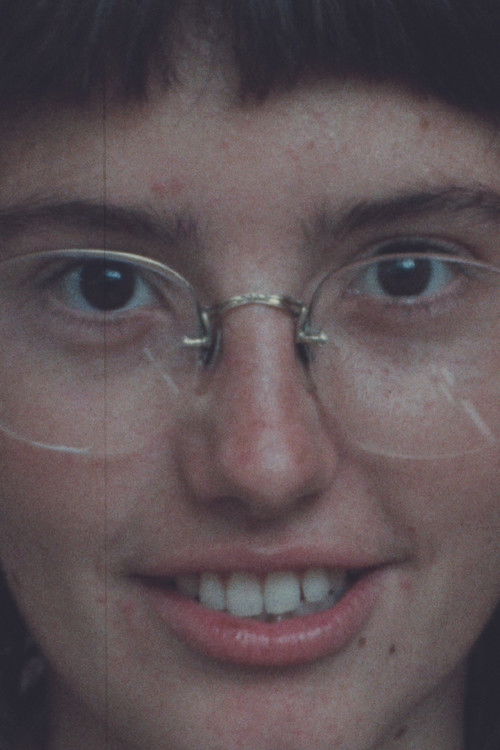
Influenced by Andy Warhol’s “Screen Tests” I set about recording some of the artists who populated my world in Kansas City during the 70s.
Faces
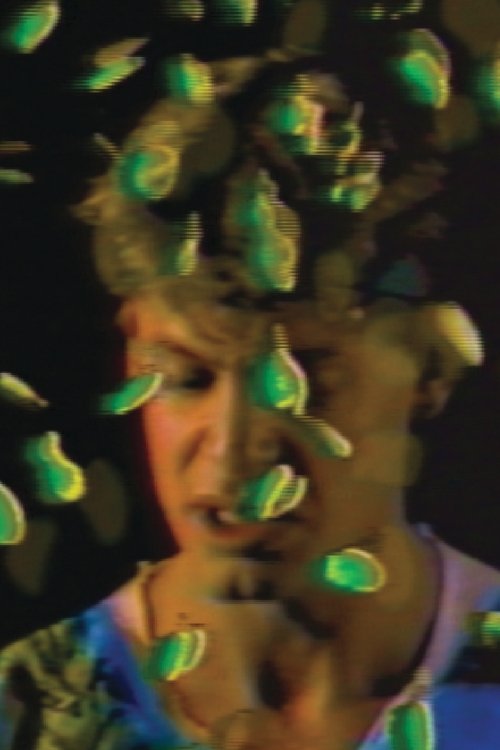
Wheels/Trails draws inspirations from John Cage’s cut-and-splice sound collage, “Williams Mix,” which he composed using chance operations by throwing I-Ching sticks. Wheels/Trails juxtaposes actors speaking inane commercial dialogue that was randomly gleaned from television by means of a recorder programed by weather statistics, with film projection of native beans, feathers, and squash in slow motion, to make the point that the roads and highways of our urbanized civilization are built over ancient footpaths worn by Native peoples. Ultimately, the performance expresses the idea that we live in a mashup of cultures, where the present is a thin veneer stretched over the past. A droning electronic soundtrack by the band Short-Term Memory also suggests a missing presence. - P. V. Z.
Wheels/Trails
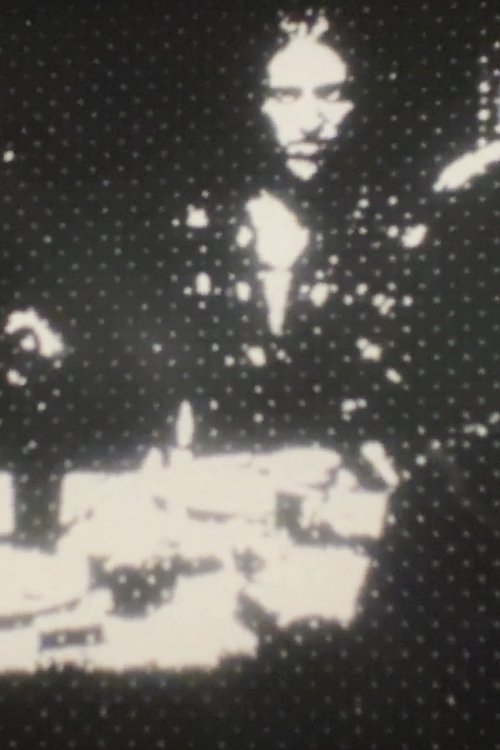
"...contains a cacophony of visual imagery, taken from personal life and imagination, set to the Mother's of Invention Song which is cynical about love. An early film containing hints fo later imagery and concerns." P.Z.
Oh, No
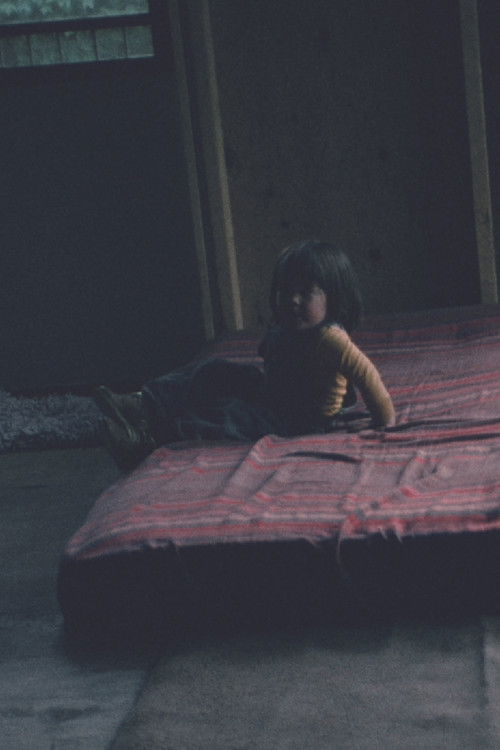
A diary film, recording the summer weeks I spent with Robin Hill at her cousin’s house in Vermont where she’d been hired as a baby-sitter.
Luella Luella

Twelve years after making the experimental black-and-white 16mm film, Alchemy of the Word, I ran the film through a prototype digital video synthesizer called a Chroma-Chron, and added a soundtrack by the East Village band, Liquid, Liquid and the German electronic music composer, Holgar Czukay. The result is a pulsing, meditational, almost tribal film containing lurid colors and dense, finger paint-like qualities. In a sense, the video is closer to what I’d intended when I made the original black-and-white film and follows the same Rimbaud-esque disordering of the senses.
Alchemy of the Word (Altered Video Version)

My only scripted dramatic film using actors, heavily influenced by Andy Warhol’s Chelsea Girls, though nowhere near as obscene. A fairly typical study of a man and a women living together, using a male actor to stand in for myself with my old girlfriend Jill Carlson playing herself.
Our Day Will Come
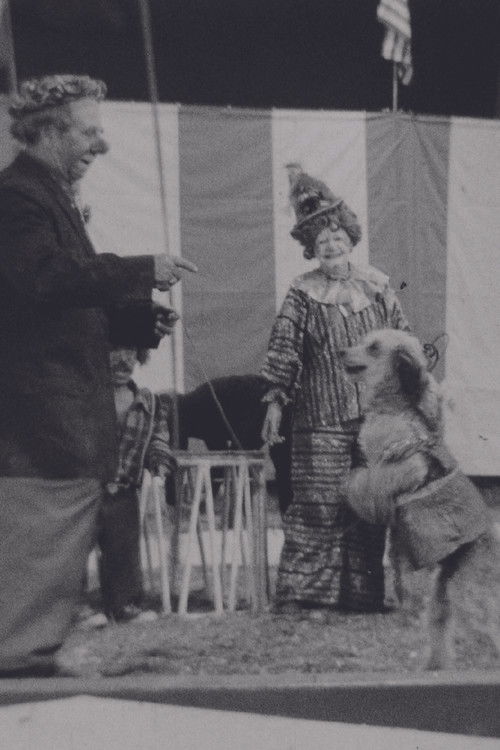
I have little recollection of filming this except for reacting with a kind of instinctive horror to the subjugation of these large animals, and to some extent the people, to tawdry entertainment. It was a small, shabby, improvised outdoor circus somewhere in Long Island under harsh lights at night. Even back then, it was rare to find such a display without camp or self-recognition of any kind.