David Bairstow
Directing
Known For
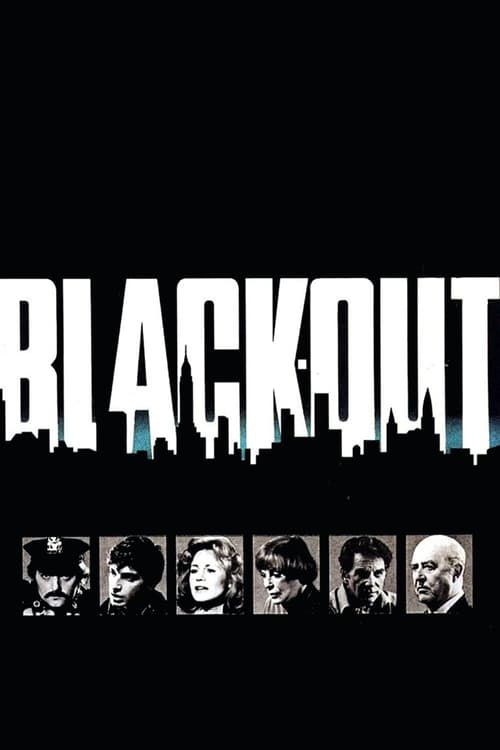
Thriller about four sadistic criminals who, after escaping during a transfer, take over a posh Manhattan apartment complex and start looting and terrorizing its occupants during New York City's famous 1977 blackout.
Blackout
A two-part study of nuclear power with Larry Henderson, skilled observer, analyst and commentator on public affairs as guide. Part 1 shows civilian applications outside Canada. Part 2 shows the history of atomic energy development in Canada, from the outset of World War II to the installations at Chalk River.
The Power of Matter

The Games included many sports seen in Olympic competition, plus others--for example, pirautaqturniq, the Inuit skill of hitting an object with a ten meter-long sled dog whip. This film captures the all-out participation in the week-long events hosted by Whitehorse, capital of the Yukon, with competitors from all over the Arctic including Alaska, and with observers from the Soviet Union.
The Second Arctic Winter Games
A documentary account of the five-week visit of Princess Elizabeth and the Duke of Edinburgh to Canada and the United States in the fall of 1951. Stops on the royal tour include Québec City, the National War Memorial in Ottawa, the Trenton Air Force Base in Toronto, a performance of the Royal Winnipeg Ballet in Regina and visits to Calgary and Edmonton. The royal train crosses the Rockies and makes stops in several small towns. The royal couple boards HMCS Crusader in Vancouver and watches Native dances in Thunderbird Park, Victoria. They are then welcomed to the United States by President Truman. The remainder of the journey includes visits to Montreal, the University of New Brunswick in Fredericton, a steel mill in Sydney, Nova Scotia and Portugal Cove, Newfoundland.
Royal Journey
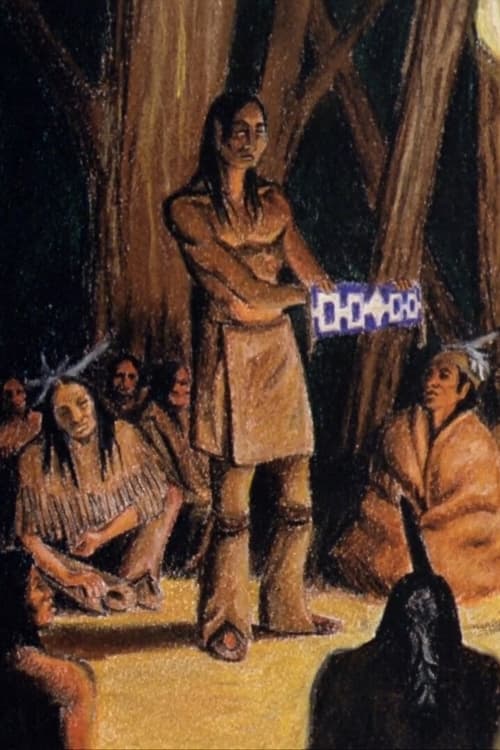
This short film was created by a group of Indigenous filmmakers at the NFB in 1972 and is essentially a song by Willie Dunn sung by Bob Charlie and illustrated by John Fadden: "Who were the ones who bid you welcome and took you by the hand, inviting you here by our campfires, as brothers we might stand?" The song expresses bitter memories of the past, of trust repaid by treachery, and of friendship debased by exploitation upon the arrival of European colonists.
Who Were the Ones?
Highlights of the 1951 visit of Princess Elizabeth and the Duke of Edinburgh to Canada and the United States. - NFB
Highlights from Royal Journey
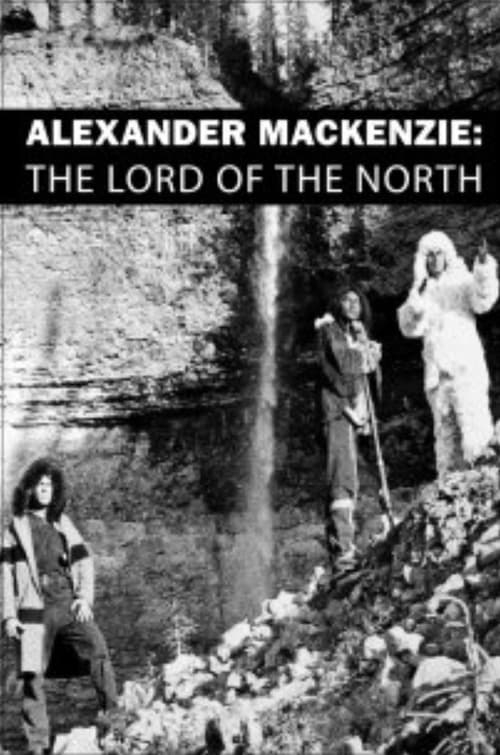
Filmed on the great Mackenzie River, this short fiction film recreates the amazing voyage of the man who gave his name to it. Following the path outlined in Mackenzie's journal, the film depicts his arduous journey by canoe all the way to the salt water of the Arctic Ocean - one of the great epics of northern exploration.
Alexander Mackenzie: The Lord of the North
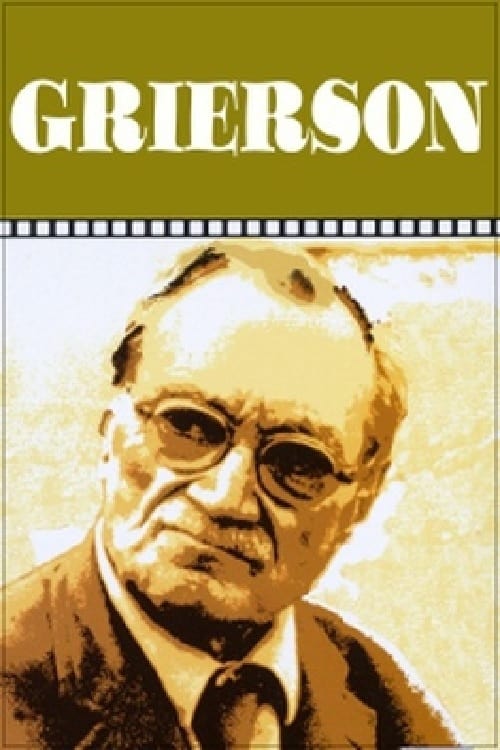
A portrait of John Grierson, the first Canadian Government Film Commissioner and founder of the National Film Board in 1939. Interweaving archival footage, interviews with people who knew him and footage of Grierson himself, this film is a sensitive and informative portrait of a dynamic man of vision. Grierson believed that the filmmaker had a social responsibility, and that film could help a society realize democratic ideals. His absolute faith in the value of capturing the drama of everyday life was to influence generations of filmmakers all over the world. In fact, he coined the term 'documentary film'.
Grierson

This drama portrays an immigrant family and the mingled feelings of hope and despair that characterize their life in a strange land. An Italian wife joins her husband in a large Canadian city. After two years in Canada the husband feels his dream of a better life is close to realization, but his wife feels that differences of language and custom are insurmountable. How such feelings are dispelled by simple gestures of friendship from Canadian-born neighbours gives a heartening conclusion to the film.
Arrival
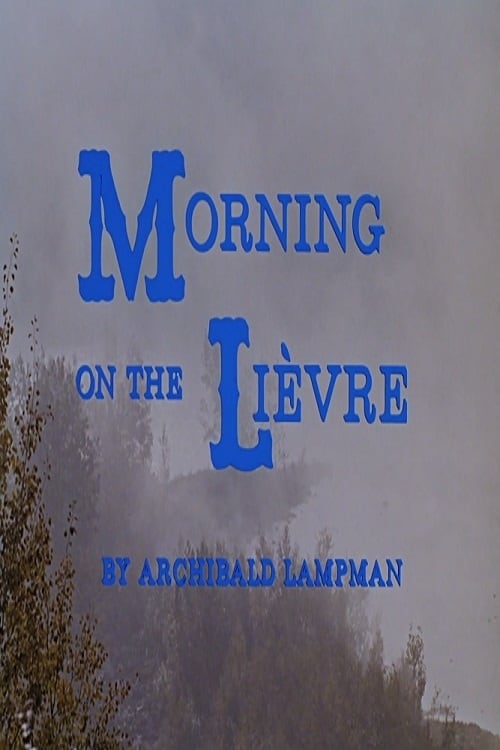
This short film offers a picturesque tour through the maple-wooded hills alongside Québec's Lièvre River in autumn to the accompaniment of acclaimed poet Archibald Lampman’s poem Morning on the Lièvre. Trees are ablaze with colour, and their splendor is reflected in the mirrored surfaces of the water, offering a glimpse of the landscape Lampman knew so well through the poet’s eyes and words. Lampman’s poem is read by broadcaster and poet George Whalley, with accompanying score by composer Eldon Rathburn.
Morning on the Lièvre
This short fictional film features the picturesque seaside landscape of Prince Edward Island as the setting for a summer romance between a girl from Winnipeg and a young fisherman from North Rustico, PEI. The young couple visits historic and scenic sites such as Government House in Charlottetown and Cavendish, of Green Gables fame. The film is a classic summertime romance and a nostalgic visit to the delightfully sun-soaked PEI of the past.
Island Romance
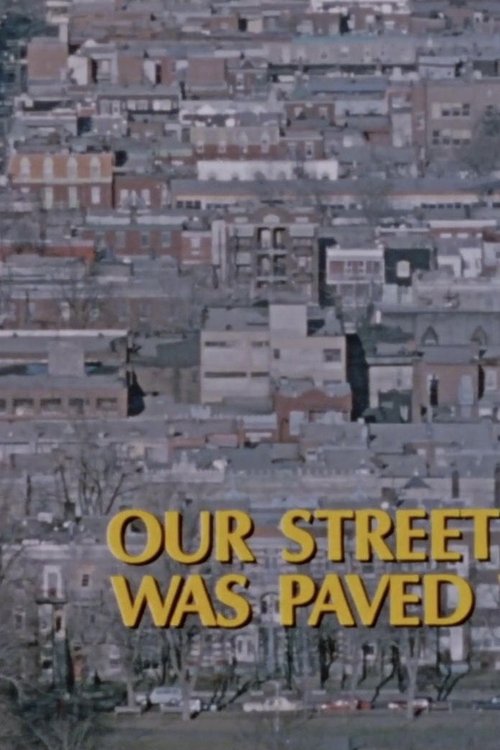
Filmmaker Albert Kish revisits Montreal's St Lawrence Boulevard in the '70s. The street, also known as "The Main," is a little Europe with many languages, foods and small courtesies that make a stranger feel at home.
Our Street Was Paved with Gold
A BAFTA Special award nominated edition from a Canadian series that illustrates methods of industrial accident prevention.
Accidents Don't Happen - No 5.
No description available.
Thus, a City is Born
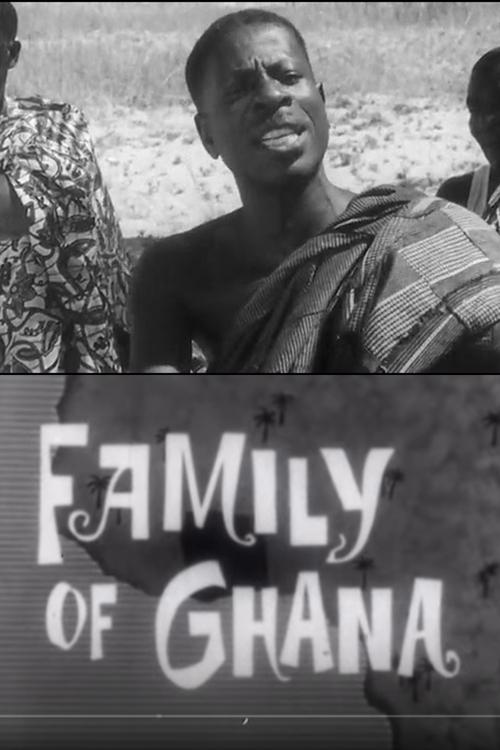
The story of a fishing family, their daily lives, and the son’s wish for a modern boat
Family of Ghana

In UPA-esque animation, the NFB entertainingly explains the causes of fish spoilage and the steps required to keep today's catch fresh until it reaches your dining room table.
Fish Spoilage Control
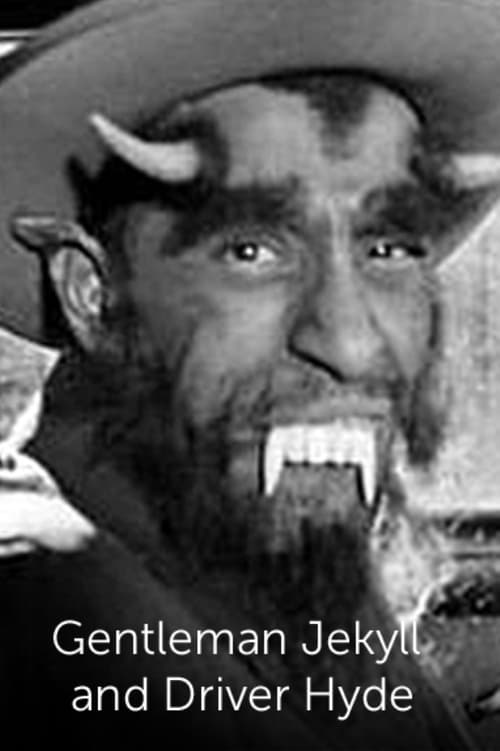
This short doc is a novel look at driver safety and the consequences of a change from Jekyll to Hyde behind the wheel of a car.
Gentleman Jekyll and Driver Hyde
West German soil resounds again to the tread of marching feet and the rumble of armored vehicles--but this time for the preservation of peace. The film presents an eye-witness account of training activities of the Royal Canadian 27th Infantry Brigade stationed at Hanover--Canada's forceful contribution to NATO ground forces for the defense of Western Europe. A sight-seeing tour of German countryside, an intense mock ground attack, and a military parade on Hanover's public square are the main features. Everywhere in the background is the mute eloquence of the last defeated aggression.
Eye Witness No. 42 - Armed Forces Abroad: The 27th Brigade in Germany
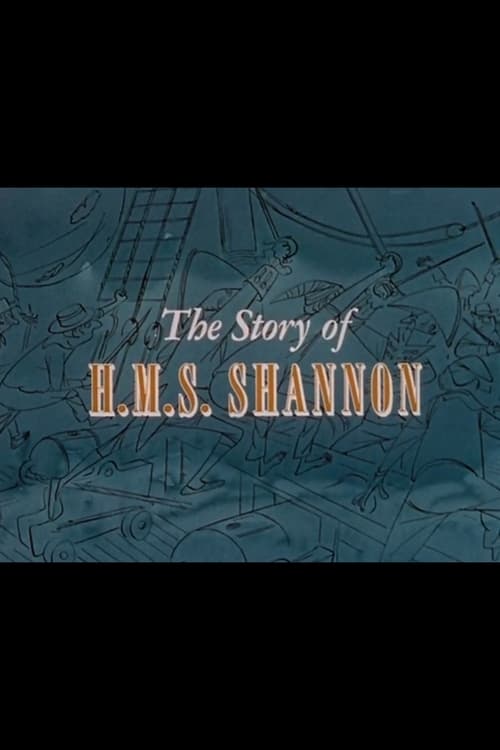
This animated short describes an incident in the War of 1812. Here, colourful drawings give a satirical twist to the engagement between a British ship, the H.M.S. Shannon, and an American ship, the U.S.S. Chesapeake. Sung to guitar accompaniment by Canadian folksinger Tom Kines.
The Story of H.M.S. Shannon

Brogan thinks Foreman McCardle has gone clean off his rocker when he has him, Brogan, carted away to the clinic although he’s perfectly well. When Nurse Gilfillan starts to operate - on Brogan’s trailing necktie, baggy-sleeved sweater, cuffed pants and worn-out shoes - horrid tales of workers who had worn similar clothing and been reduced to near-hamburger make everything quite clear.