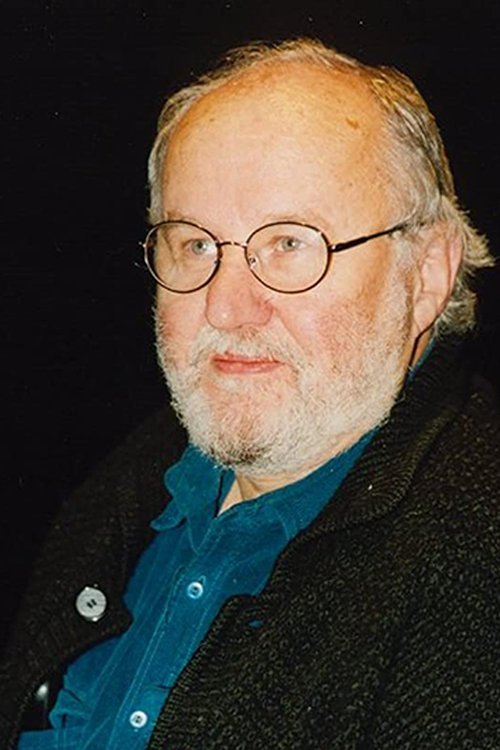
Andrzej Brzozowski
Directing
Biography
Andrzej Brzozowski was born on February 20, 1932 in Lódz, Lódzkie, Poland. He was a director and writer, known for To jest jajko (1966), Salome (1969) and Archeologia (1968). He died on July 26, 2005 in Warsaw, Mazowieckie, Poland.
Known For
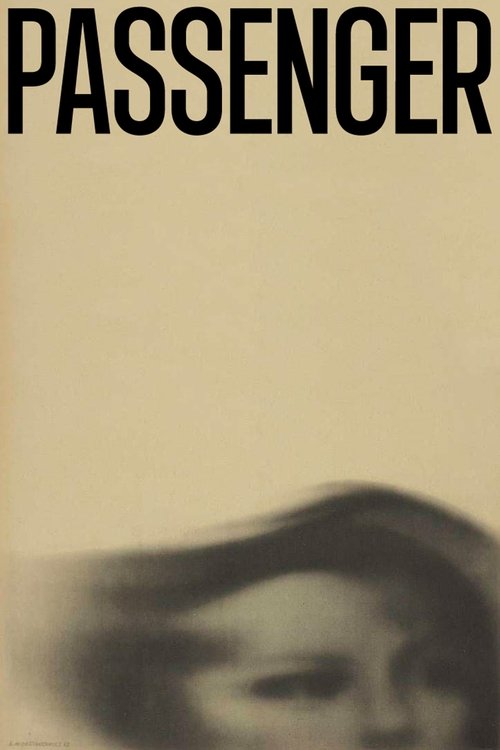
A German woman on a ship returning to Europe notices a face of another woman which brings recollections from the past. She tells her husband that she had been an overseer in Auschwitz during the war, but she has actually saved a woman's life.
Passenger
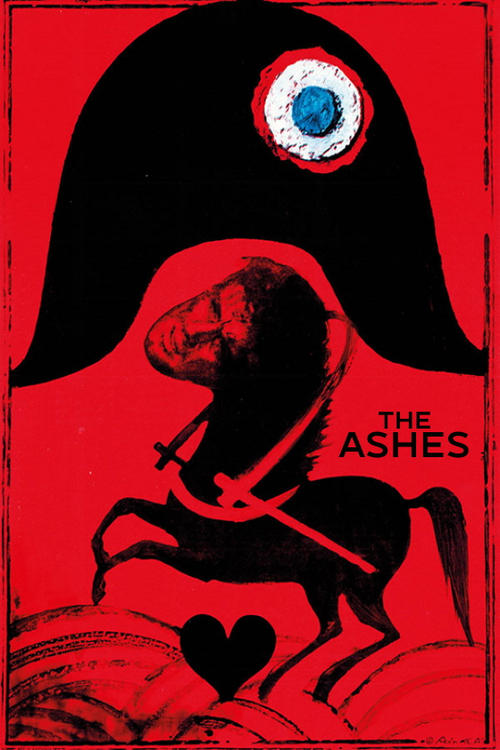
Set in the time of Napoleon wars, shows how the wars swept over the unfortunate Polish country at the beginning of the XIX-th century. Story revolves around the Polish legion under command of General Dabrowski, who then fought on Napoleon's side with the hopes of Poland's revival.
The Ashes
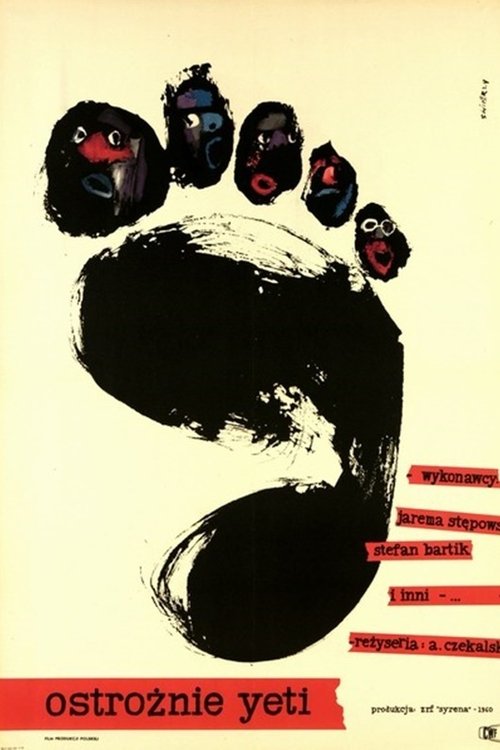
Absurd gag comedy about a grotesque pursuit of a "snow man" allegedly imported to Poland. A box with a shipment from India, which was supposed to contain a yeti, turned out to be empty. The desperate professor tries to find it. He even gets into prison, from which, however, he escapes handcuffed with the thief. Meanwhile, the "snow man" begins to be considered the perpetrator of more and more crimes. Eventually, everything becomes clear. In the telegram notifying of the shipment, a word was twisted and hence the whole misunderstanding.
Ostrożnie yeti
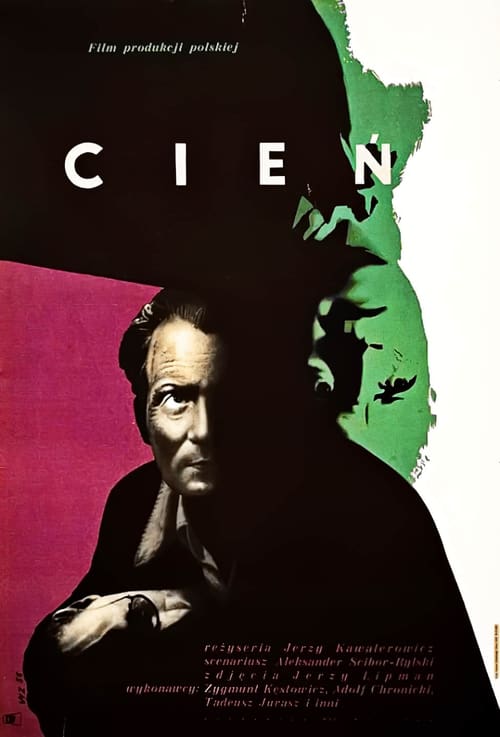
A man has been found dead after having been hurled from a train. As security agents, police and a medical examiner piece together his identity, three accounts emerge: one set during World War II, one in the immediate aftermath of the war, and one in contemporary Poland.
Shadow
Andrzej Munk was one of the leading directors in Polish cinema. Friends and collaborators share their memories about this stunning artist and his premature tragic death.
Last Pictures
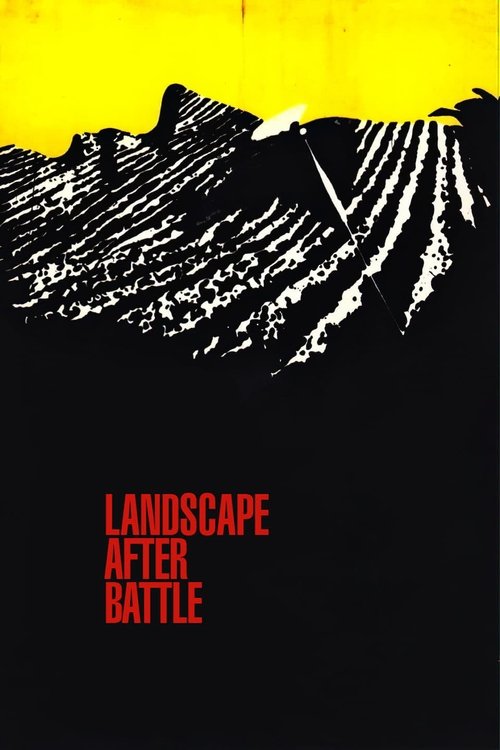
Film opens with the mad rush of haphazard freedom as the concentration camps are liberated. Men are trying to grab food, change clothes, bury their tormentors they find alive. Then they are herded into other camps as the Allies try to devise policy to control the situation. A young poet who cannot quite find himself in this new situation, meets a headstrong Jewish young girl who wants him to run off with her, to the West. He cannot cope with her growing demands for affection, while still harboring the hatred for the Germans and disdain for his fellow men who quickly revert to petty enmities.
Landscape After Battle

Inmate Adam leaves prison after two years of imprisonment. He returns to his homeland with the decision to take revenge on his uncle, who handed him over to the authorities. Before that happens, however, he will accidentally get a job on the highway construction site.
Tanie pieniądze
Report from the meeting between the outstanding violinist Jehudi Menuhin and a group of Polish instrumentalists in Warsaw in 1984. The world-famous violinist listened to the young musicians, assessed their performance, and gave them professional advice.
Teacher
A film adaptation of a series of short stories by Zofia Nalkowska, describing the fate of people who survived Nazi persecution. The stories report the events with calm and restraint. Nalkowska collected material for the series while working at the Main Commission for the Investigation of German Crimes in Poland.
Medaliony
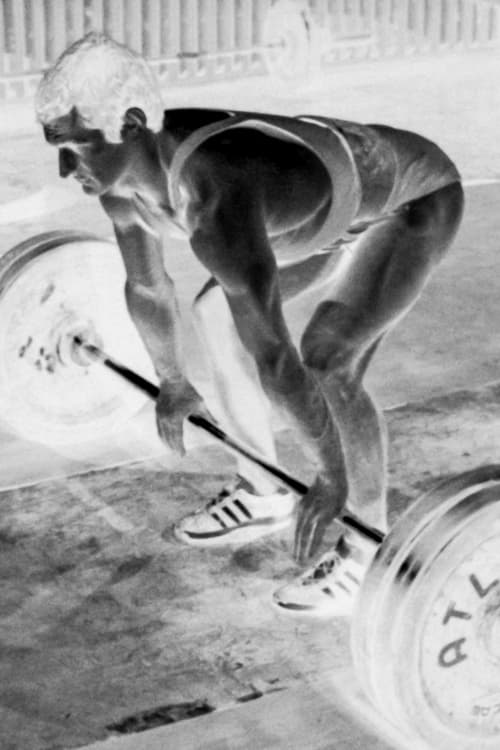
Professional sport also has its negative sides which are injuries. The pictures in the film refer to X-ray images in terms of aesthetics, and the off-screen commentaries explain the characteristics of injuries in various fields of sport.
A Negative
Framed as a mother’s bedtime narration to her child, this short documentary observes a city at night, revealing the factories, tram depots, and essential services that operate while most people sleep. Directed by Andrzej Wajda, the film turns nocturnal labor into a quiet civic portrait, emphasizing the unseen workers whose efforts sustain daytime life.
While You Are Asleep
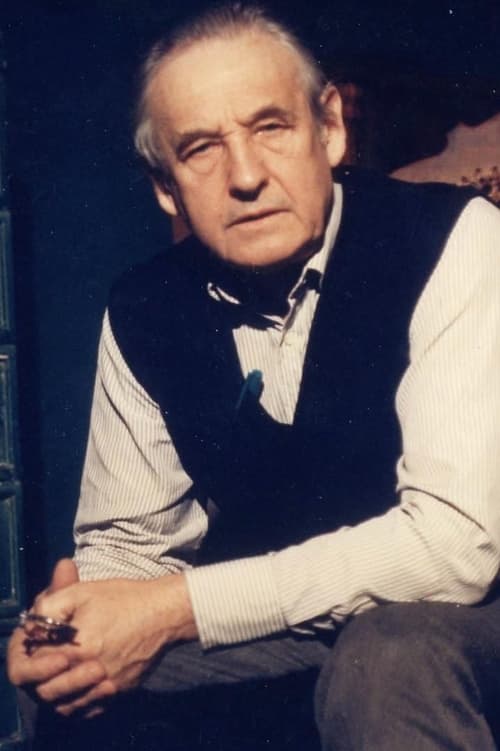
No description available.
Signed: Andrzej Wajda
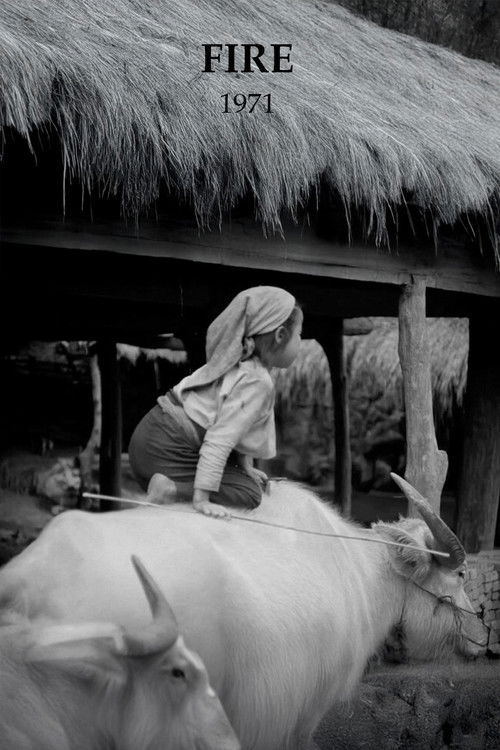
This documentary observes the daily rhythms of a Vietnamese village, from morning routines to the close of day. Filmed before its destruction, the village is presented as a continuous way of life that had endured for generations before being consumed by the Vietnam War.
Fire
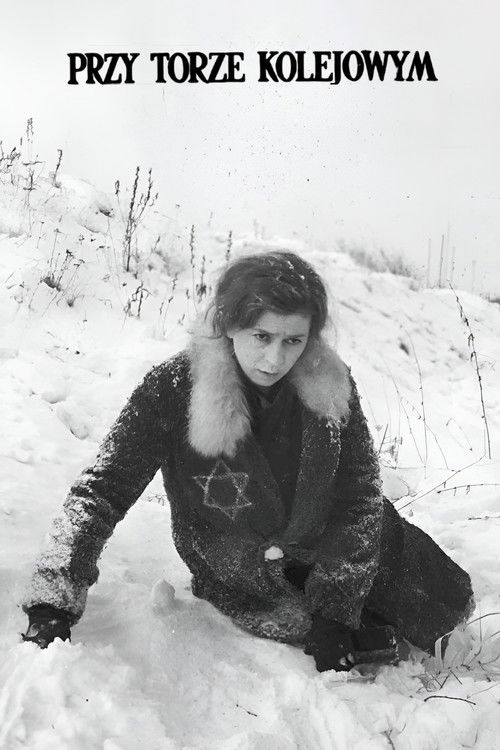
In occupied Poland in 1943, a wounded Jewish woman escapes a transport train and is discovered by villagers who, despite their sympathy, are unable to help her. Based on a short story by Zofia Nałkowska.
By the Railway Track
The first Polish film about jazz and, at the same time, an unusual documentary record of a concert of two legendary music bands: Hot Club Melomani and The Komeda Sextet.
Jazz Talks
A man returning to his hometown after the war - a sea of ruins - meets a boy who awakens his faith in the future.
Słoneczniki
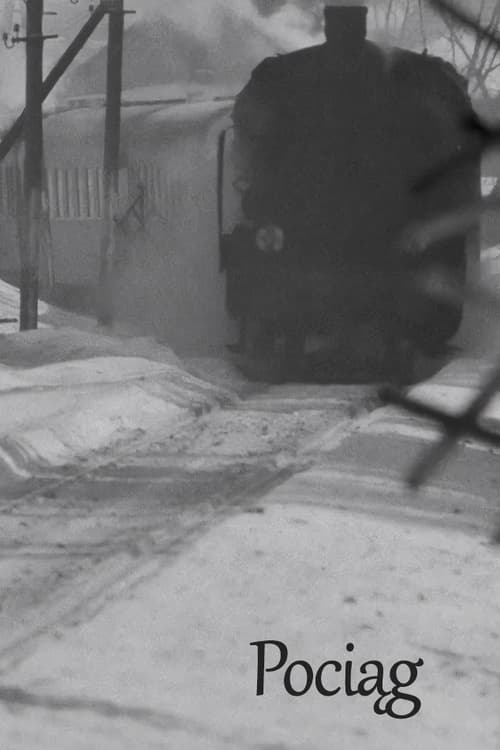
A passenger train on its daily route, a winter landscape can be seen through the window. Passengers are deep in their own thoughts and some of them have a conversation. Hidden lyricism of the gray everyday life and the constant flow of life.
Train
The history of Warsaw's Bristol Hotel until 1981, when it underwent renovation.
Hotel Calendarium
The impression lasts as long as it takes to make a horseshoe and shows the work of a blacksmith.
How much time does it take to make a horseshoe?
A lyrical story about extraordinary love in the times of contempt for everything that is human, during the Nazi occupation in Poland.