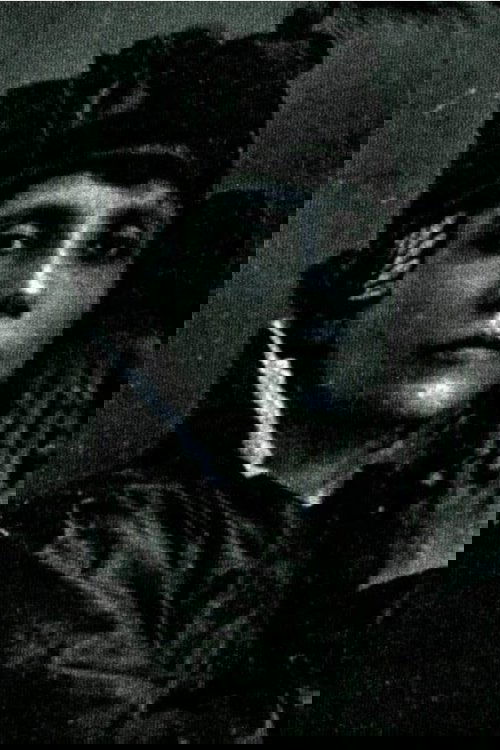
Elvira Notari
Directing
Biography
Elvira Notari was an Italian film director.
Known For
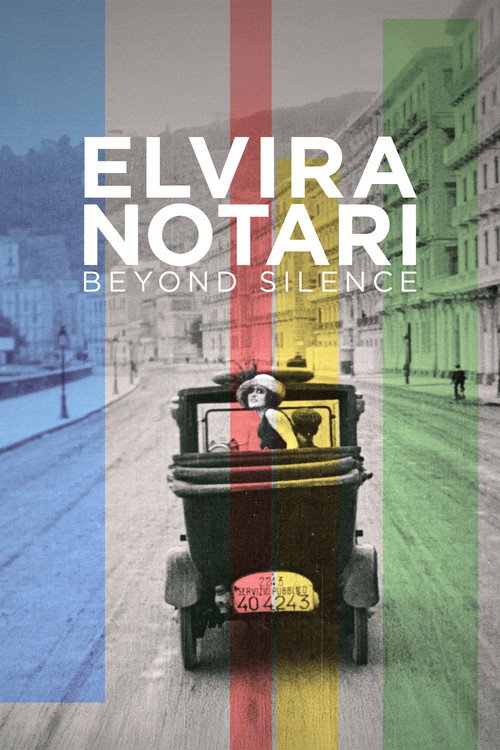
Despite directing hundreds of silent films that captivated audiences from Naples to New York, Elvira Notari was relegated to the margins of film history for half a century. A pioneer of Neapolitan cinema, she created over sixty features blending popular culture and unvarnished realism. Silenced by Fascist censorship and the advent of sound, her work slipped into obscurity. Elvira Notari: Beyond Silence traces her legacy and the artists now bringing her vision back to life.
Elvira Notari: Beyond Silence
Lost Gennariello Films production
Gennariello the Policeman
Maria, a destitute madwoman dies in a fire at the insane asylum. The unwanted corpse of her is donated to the academy for an anatomy lesson. The film ends in the anatomy dissection theatre, where the female body lies on the table surrounded by male doctors and students.
Urchins
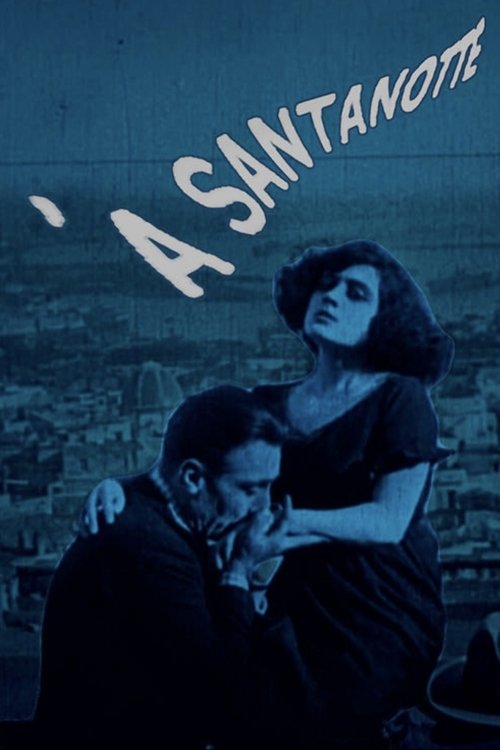
Nanninella, a young girl, is exploited and abused by her father, whom she maintains with her waitress salary. She falls madly in love with Tore, a handsome and upright man, whose friend Carluccio plots to have Nanninella for himself. Based on a popular Neapolitan song, ‘A Santanotte is the earliest extant feature film by Elvira Notari, Italy's first and most prolific female filmmaker.
'A Santanotte
A feature film by Elvira Notari, Italy's earliest and most prolific female filmmaker.
Soldier's Fantasy
Lost Dora Film production
Naples, Land of Love
Lost Dora Film production based on the hagiographical tale of Saint Pellegrino
Christian Triumph

Lost Dora Film production based on a Neapolitan popular song
Infamous Woman
Based on the song "A Marechiare" by Francesco Paolo Tosti
At Marechiaro There is a Window
Lost Dora Film production based on the novel by Francesco Mastriani
Ciccio, the Pizzamaker of Carmine
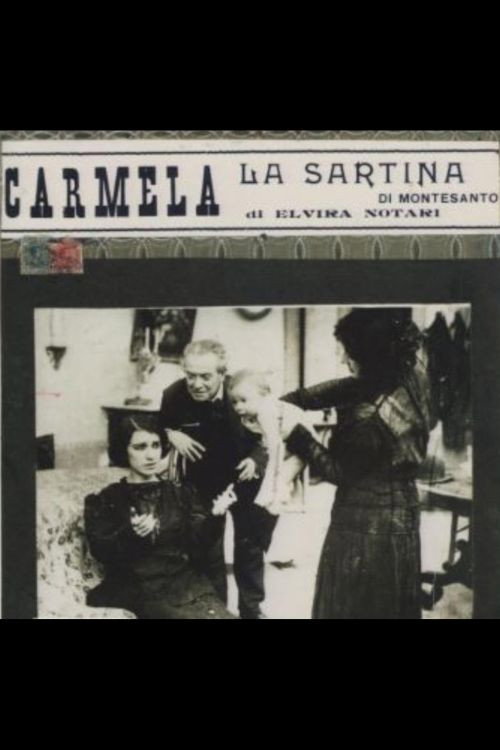
Carmela becomes the obsession of the young Count Luigi, heir to the recently deceased's estate, who moves into the decrepit villa nearby. The count is an inveterate womanizer and ends up snatching Carmela from her boyfriend, deceiving her with his lies. Wounded in a duel over another woman, the nobleman is assisted night and day by Carmela, who witnesses a number of moments of delirium in which the man accuses the butler, Giangrande, of an unspecified blunder.
Carmela the Dressmaker of Montesanto
No description available.
Farewell, My Dear, Farewell... the Army is Going
Lost Dora Film based on the song "Carcere" by Libero Bovio
Beneath the Prison
Lost Dora Film production based on the 1853 drama "Gabriele il lampionaio di porto" by Nicola de Lise
Gabriele the Lamplighter of the Harbor
Lost Dora Film production
At Piedigrotta
Lost Dora Film remake of the homonymous 1913 film
At Marechiaro There is a Window
Lost Dora FIlm based on the novel "Il barcaiulo d'Amalfi" (1882) by Francesco Mastriani
The Boatman of Amalfi
Lost Dora Film production
Mary the Crazy Woman
Lost Dora Film production
Naples, Singing Mermaid
Only a fragment of this film survives (175m from the original 1820m).