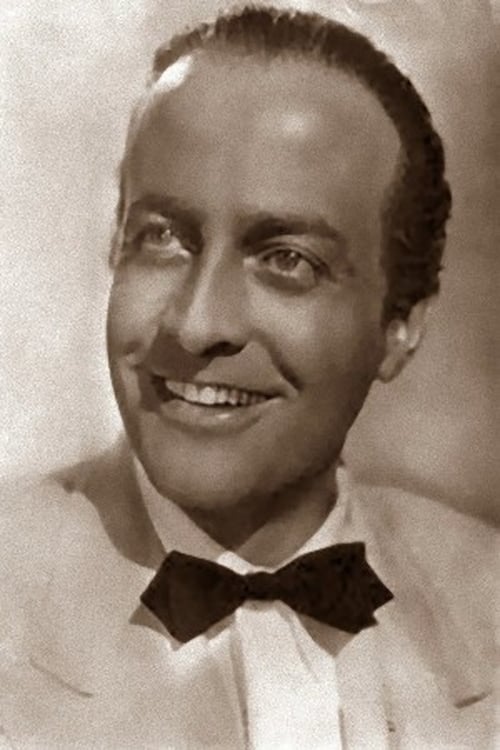
Osvaldo Valenti
Acting
Known For
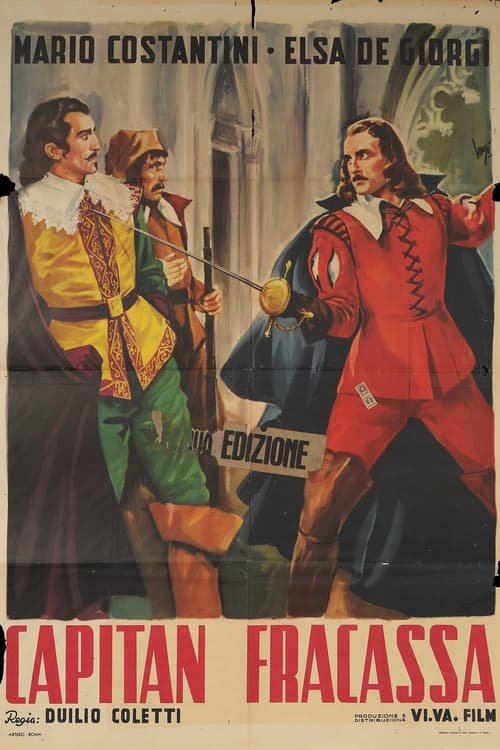
No description available.
Capitan Fracassa

A documentary on the history of Italy's peplum genre.
Kolossal - The Magnificent Macisti
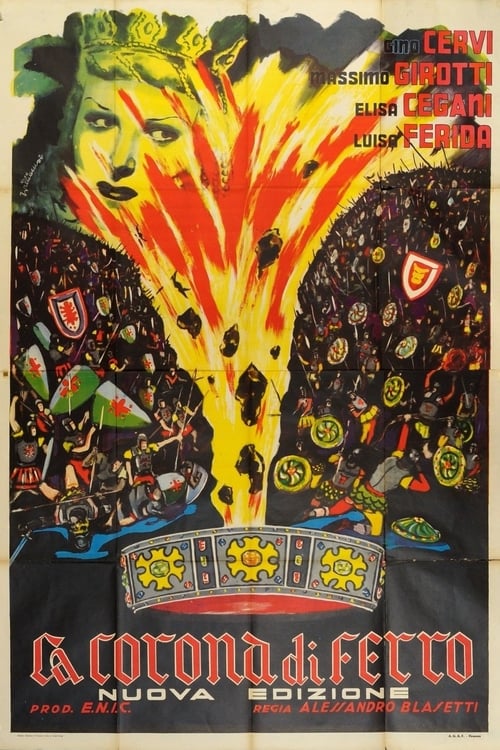
In the kingdom of Kindaor, traitor Sedesmondo kills his brother, the King of Kindaor, and becomes the tyrant of kingdom. He abandons the prince Arminio to beasts in the woods, but lions don't kill him and breed him as one of them.
The Iron Crown
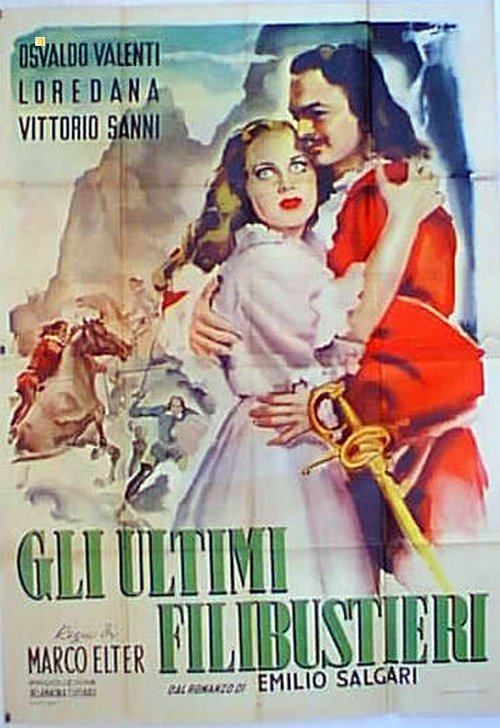
Sequel to "Il figlio del corsaro rosso." Neala, daughter of the Red Corsair, is taken prisoner by the governor of Las Palmas, who wants to marry her for her dowry. Her brother, helped by the filibustieri, goes to her rescue.
Gli ultimi filibustieri
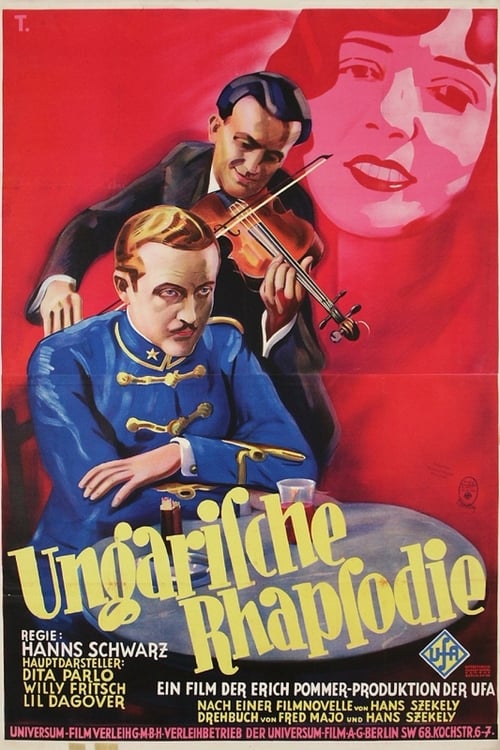
On the plains of Hungary, Franz, a Hussard lieutenant, broods about his future; Born into an aristocratic family, his father drank away the family fortune and marriage seems an unlikely prospect. Impoverished Franz's love for effervescent and upright country girl Marika coincides with the tragic tale of lovelorn violinist Josef, all but ignored by royal beauty Camilla.
Hungarian Rhapsody

Everything unfolds in Naples seventeenth century, when a mysterious masked swordsman who calls Salvador Rossa becomes champion of the needy and lonely struggle against the cruel tyrant that frightens the country.
An Adventure of Salvator Rosa
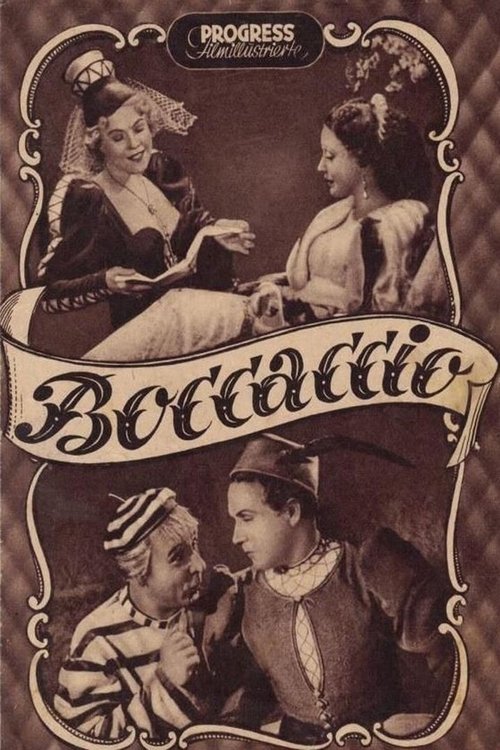
No description available.
Boccaccio
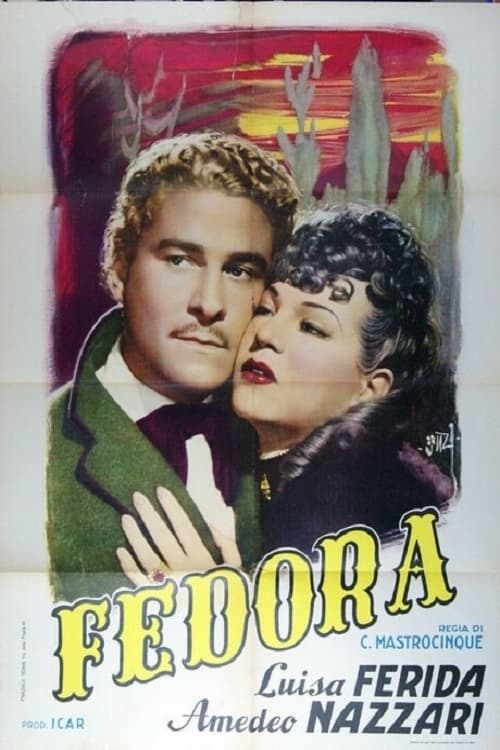
This film relates the story of Russian Princess Fedora (Louise Ferida), in Czarist times, whose royal lover is assassinated on the eve of their marriage. She pledges vengeance, only to become the victim of her vow when she falls in love again.
Fedora
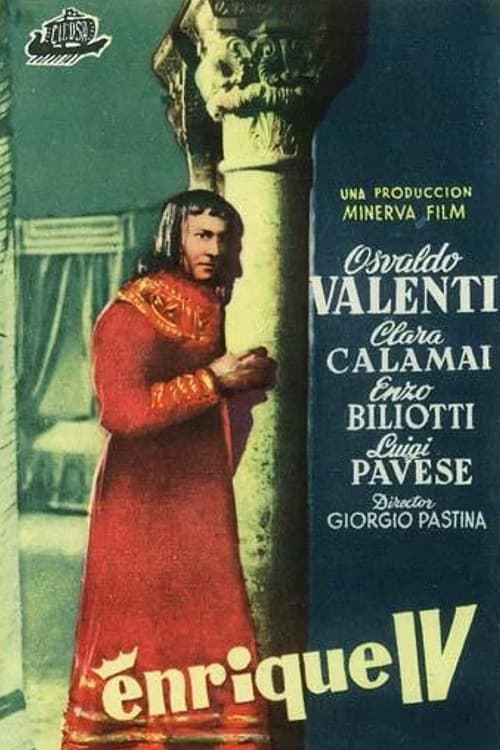
No description available.
Enrico IV
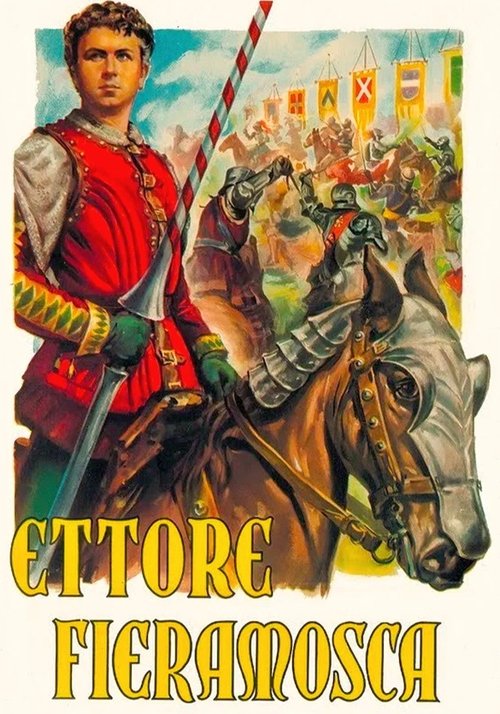
ETTORE FIERAMOSCA was based on a widely-read literary action epic by Massimo D'Azeglio, published in 1833. Translated to the screen in 1938 by the most important director of the Italian fascist period, Alessandro Blasetti, it was intended to boost current patriotic fervor and pride in the Italian nation, and it contributed to a revival of Italian nationalism.
Ettore Fieramosca
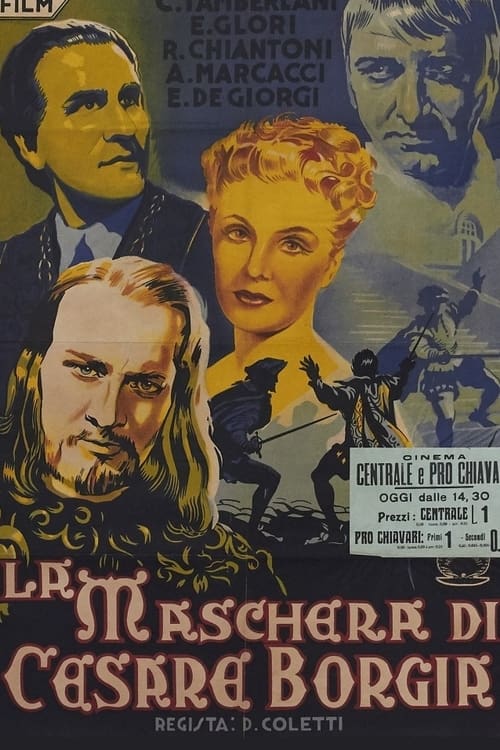
No description available.
La maschera di Cesare Borgia
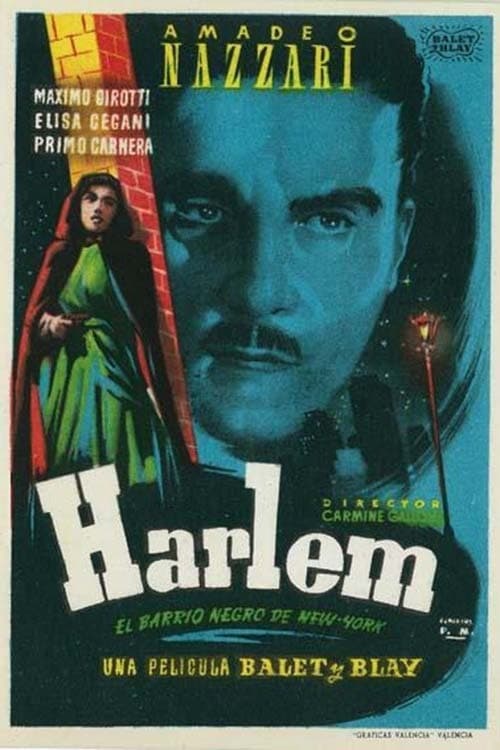
This propaganda film was partly inspired by the story of the first Italian heavyweight champion Primo Carnera who, after winning the title with Al Capone’s help in 1933, was beaten the following year by the Jewish Max Bear and then again by the ‘Brown Bomber’ Detroit Joe Lewis in June 1935, on the eve of the Italian invasion of Ethiopia. This match provoked numerous racial skirmishes on the streets of Harlem between the Black community and pro-Fascist Italian-Americans. The film overturns historical facts and here, obviously, it is the white boxer who wins in order to demonstrate the superiority of the “Aryan Italians” over the “sinister Jewish entrepreneurs” and the “savage Afro-American fans in Yankee Stadium”. In the film, these were played by South African prisoners-of-war interred in a work camp, which the German and Italian propaganda ministries had set up near Cinecittà “for cinematic purposes”.
Harlem
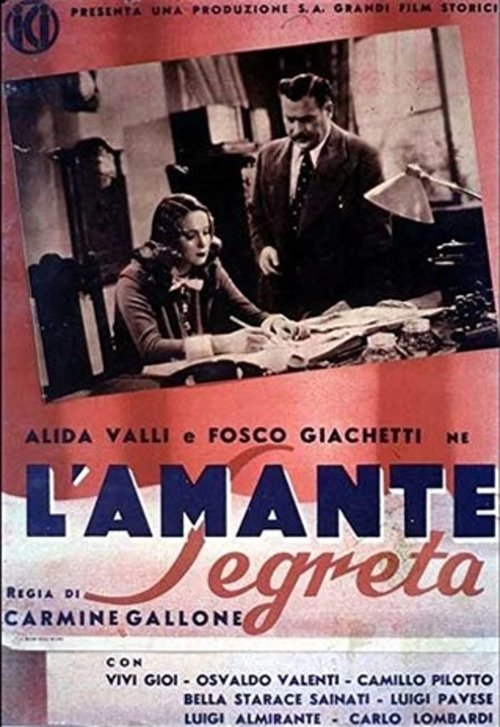
No description available.
L'amante segreta
No description available.
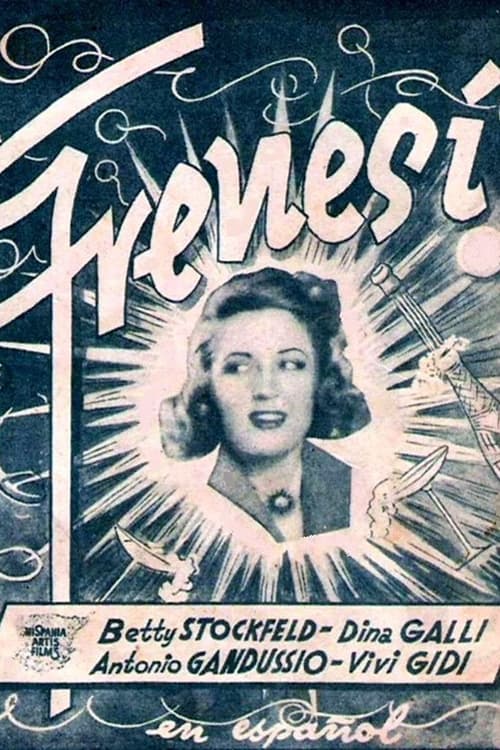
Frenesia
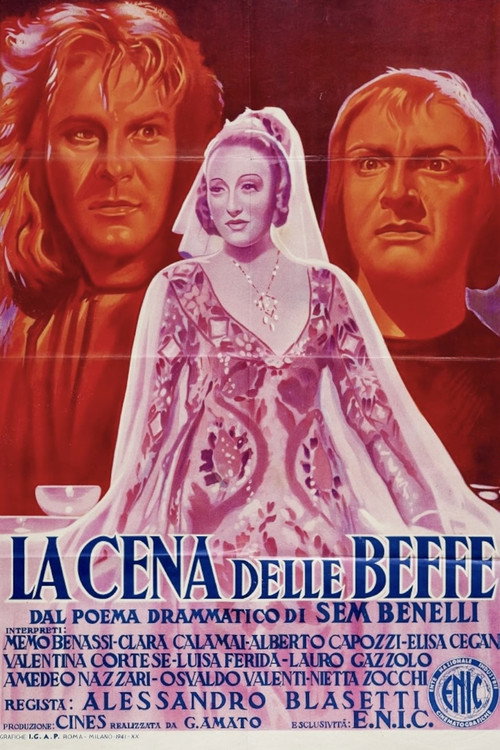
In Florence, at the time of Lorenzo de Medici, known also as Lorenzo the Magnificent, the aristocrat brothers Chiaramantesi rule with an iron fist the streets of the city. Ruthless and fierce, the two brothers have chosen as their special victim the innocent and harmless Giannetto. Even though determined to not react to the cruel pranks of the brothers, Giannetto is forced to take a stand when Ginevra, a beautiful girl that works in the Chiaramantesi household, is dragged into the game. To defend his honor and protect the girl, Giannetto works out a fiendish plot that will end in blood and madness.
The Jester's Supper
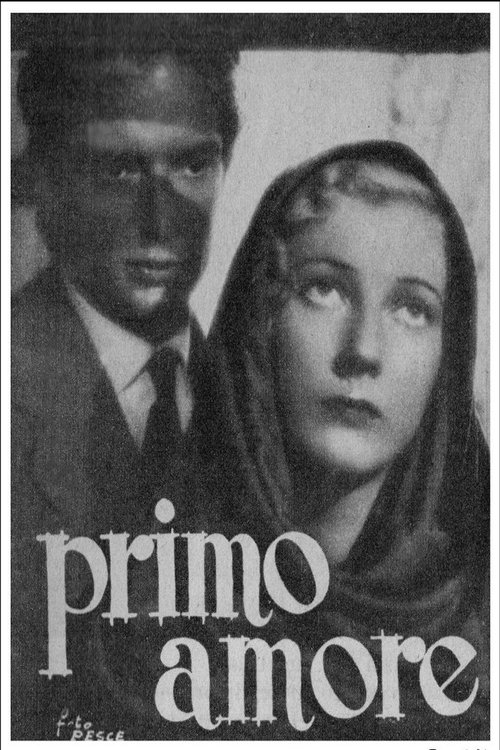
An Italian emigrant, who found fame and success in America, comes back to his hometown after over twenty years.
Primo amore
No description available.
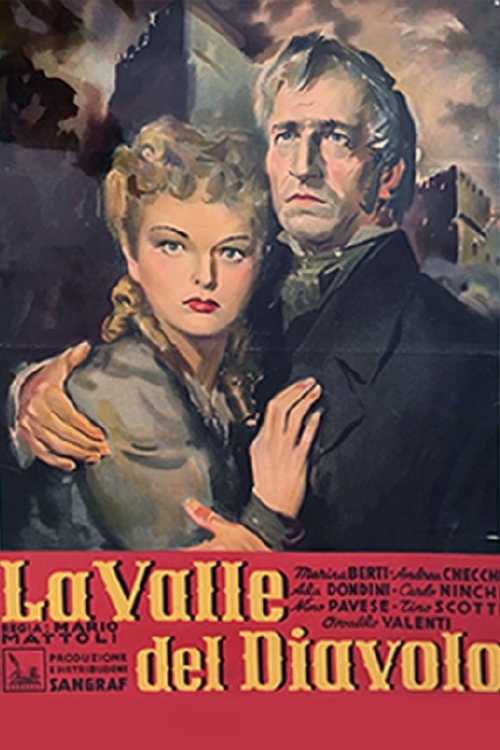
La valle del diavolo
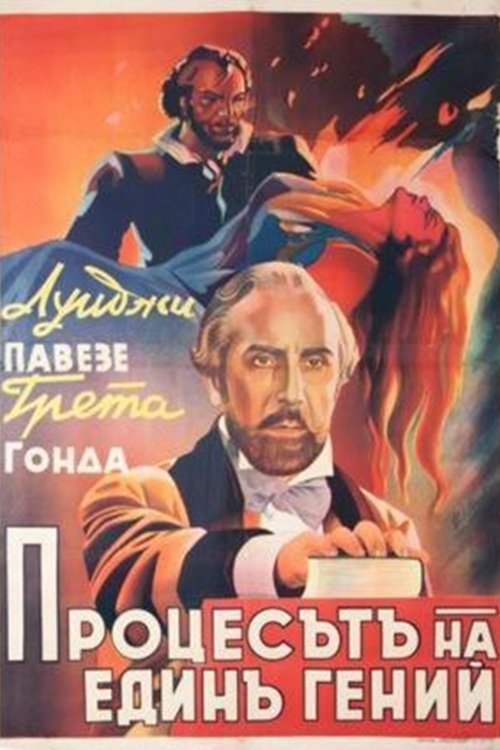
No description available.
Antonio Meucci
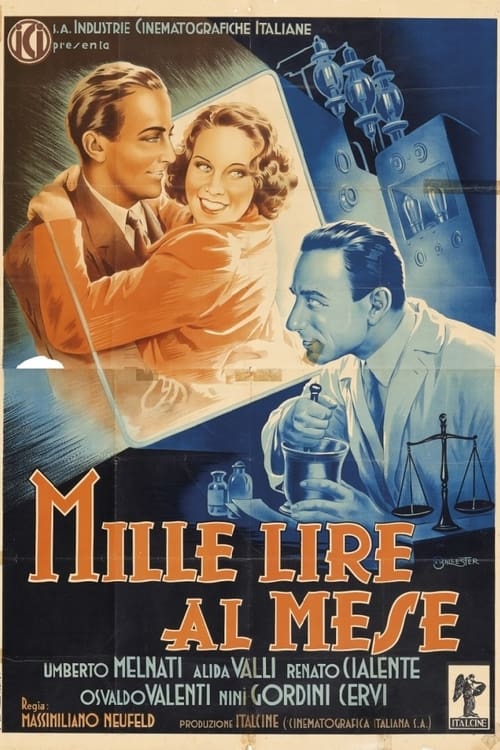
No description available.
Mille lire al mese
No description available.