Acting
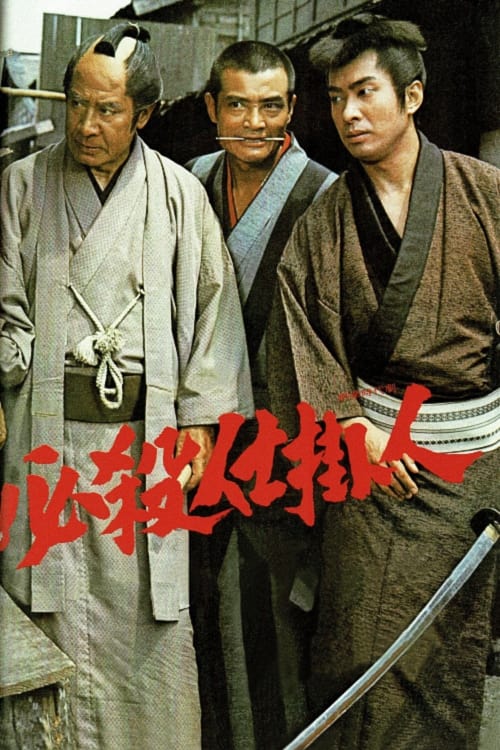
A shikakenin was an under-the-cover trade that undertook killing in Edo. Hanemon of Otowa, an agency that introduced laborers and maids, was also one of these. Katsugoro Iseya was a timber dealer who had come in as a client. His target was the constructions magistrate Hanno, and the Tatsumiya who sipped on the benefits. Hanemon who had a stong code towards killing, where he would only kill those who do no good to be in the world, accepts this request. Baian Fujieda, a needle doctor would carry out the killing. However, the professional killer Baian fails to bring down Tatsumiya. Hanemon then looks to another shikakenin, the ronin Sanai Nishimura for the role. Although Sanai's ability with the sword is good, he lives poorly in a tenement, and accepts this commission on the condition that it is kept a secret from his wife and child. Here, they close in on Hanno and Tatsumiya again...
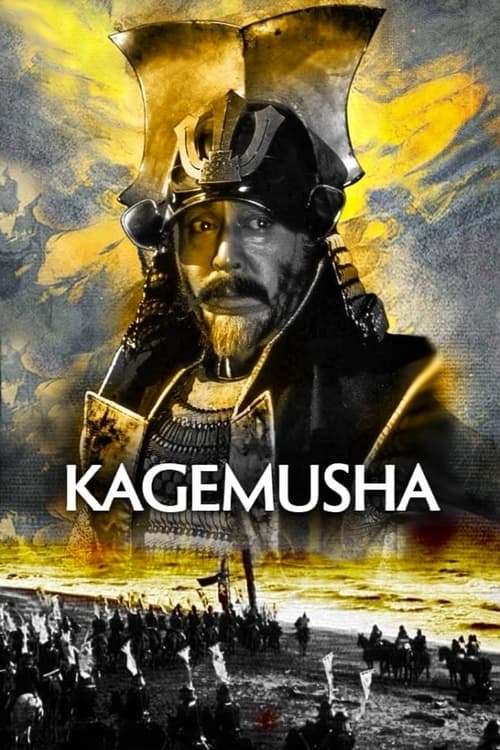
Akira Kurosawa's lauded feudal epic presents the tale of a petty thief who is recruited to impersonate Shingen, an aging warlord, in order to avoid attacks by competing clans. When Shingen dies, his generals reluctantly agree to have the impostor take over as the powerful ruler. He soon begins to appreciate life as Shingen, but his commitment to the role is tested when he must lead his troops into battle against the forces of a rival warlord.
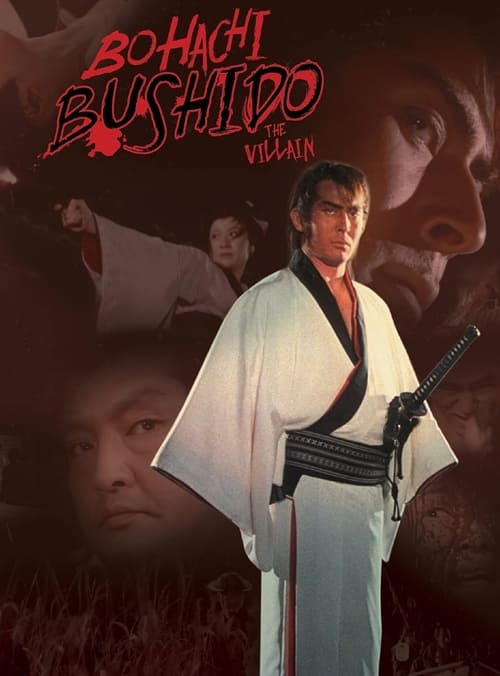
The Bohachi Clan, the most vile, corrupt organization with ties deep in the Shogunate, have controlled the flesh trade in Japan for generations. When threatened by a competitor, they employ Saburai, a nihilistic ronin on the verge of self destruction. Blood gushes and limbs fly for anyone who stands against Saburai as he instills the Way of the Bohachi.
In the teeming black markets of postwar Japan, Shozo Hirono and his buddies find themselves in a new war between factious and ambitious yakuza.
Kaji, sent to the Japanese army labeled Red, witnesses cruelties in the army and revolts against the abusive treatment against a fellow recruit. He also sees his friend Shinjô defecting to the Russian border, and he ends in the front to fight a lost battle against the Russian tanks division.
A young journalist interviews an elderly woman about being forced into prostitution in Borneo at a brothel called Sandakan No. 8.
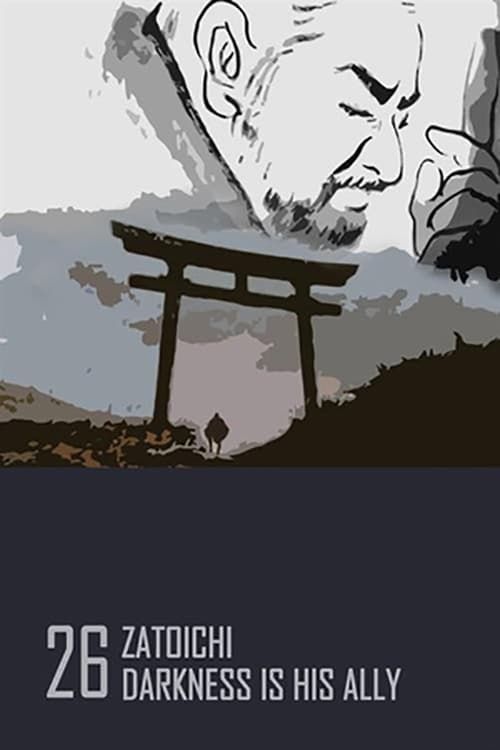
Older, wiser but still a wandering loner, the blind, peace-loving masseur Ichi seeks a peaceful life in a rural village. When he's caught in the middle of a power struggle between two rival Yakuza clans, his reputation as a deadly defender of the innocent is put to the ultimate test in a series of sword-slashing showdowns.
No description available.
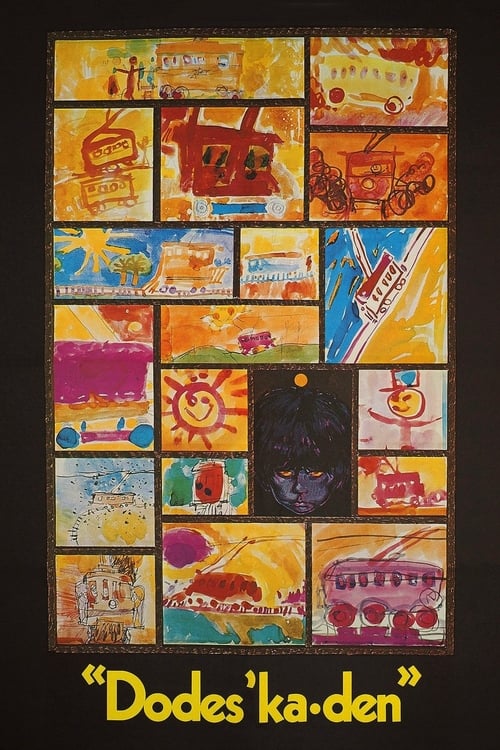
On a Tokyo dump’s shantytown edge, interwoven vignettes follow residents scraping by: a boy who “drives” an imaginary trolley, a homeless father and son designing a dream house, a young woman brutalized at home, drunks, schemers, and saints of small kindnesses. Kurosawa crafts a ragged mosaic of hardship, fantasy, and flickers of grace that keep people moving forward.
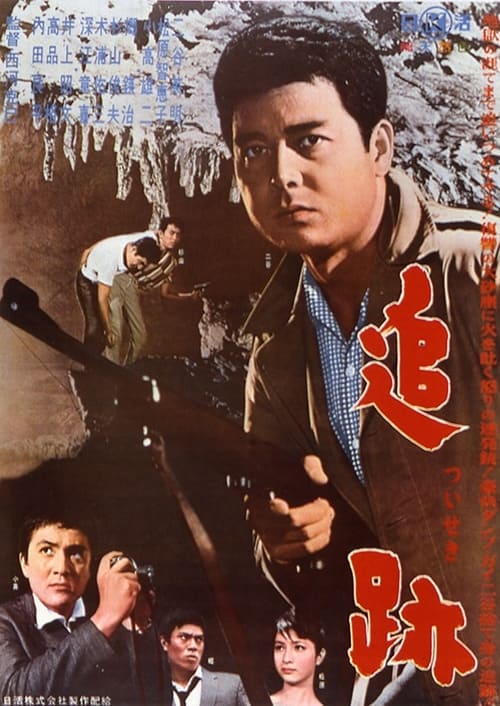
Tsuiseki is a 1961 crime film.
Kasaki the hitman needs to set scores with his target Ri after the syndicate hunts him and blackmails his childhood friend to kill him.
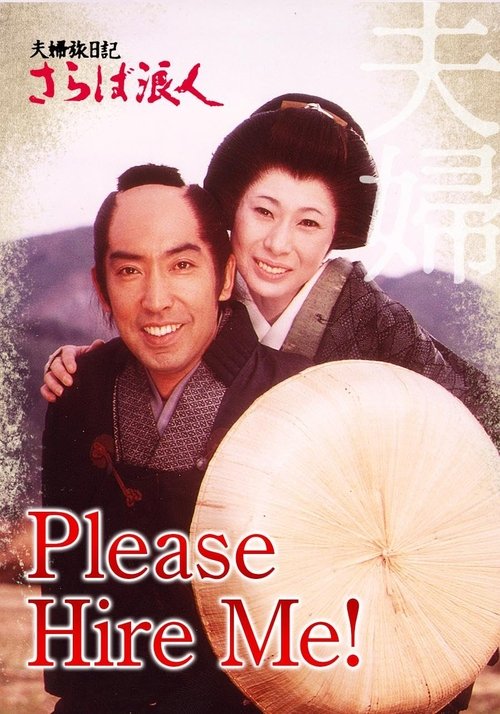
Ex-sword teacher Ihei Misawa is a skilled swordsman but because of his kind and judicious heart, he never fails to get caught up in trouble and therefore is unable to obtain status and success. But his wife Tayo understands him and loves him completely, always remaining by his side.
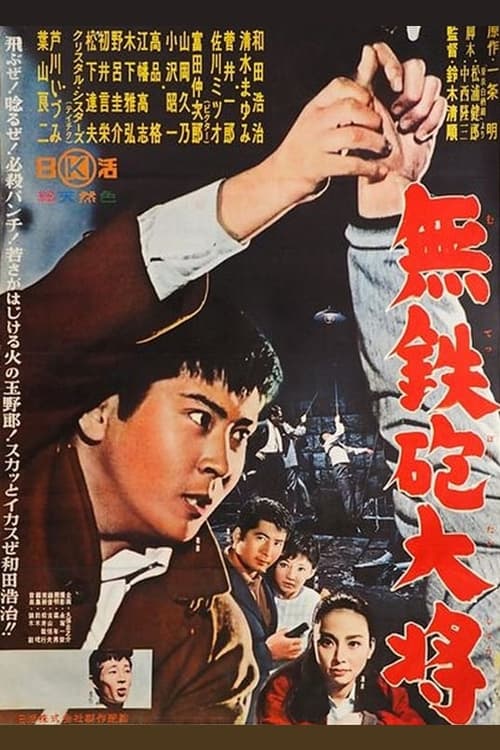
Wada Kōji is a chivalrous young man who leads a group of youths that take on a yakuza boss.
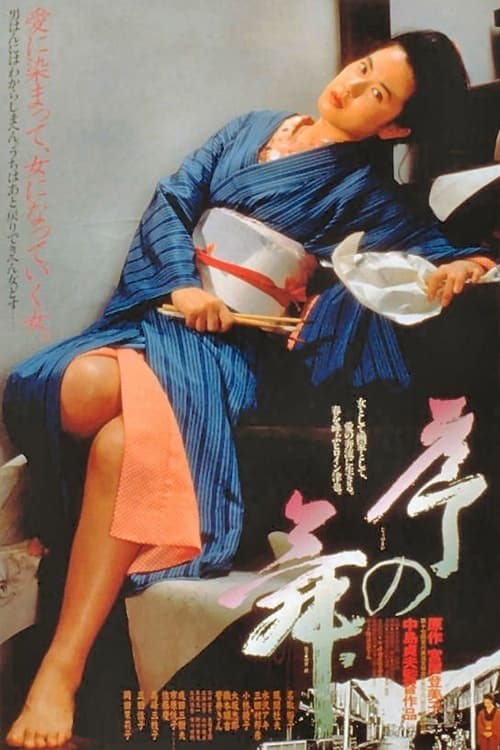
This story is based on the novel "Jo no mai" by Tomiko Miyao which is based on the life of painter Shōen Uemura (1875–1949), the first woman to be awarded the Order of Culture. The title refers to the masterpiece bijinga ("picture of a beautiful woman") that Uemura painted at the age of 61. The main character, Tsuya Shimamura, is born in Kyoto as the second daughter of a tea trader who dies before her birth. Tsuya, who loves painting more than anything and is hopeless at housework, attends art school and at age 15 receives the name Shōsui (from the characters for "pine" and "green") from her teacher. The crown prince of England purchases one of her works, propelling her to fame overnight. The novel portrays the remainder of her stormy life, during which she is impregnated by her teacher and raises a fatherless child; through it all she devotes herself to her painting, undaunted.
A squadron of Japanese Self-Defense Force soldiers find themselves transported through time to their country's warring states era, when rival samurai clans were battling to become the supreme Shogun.
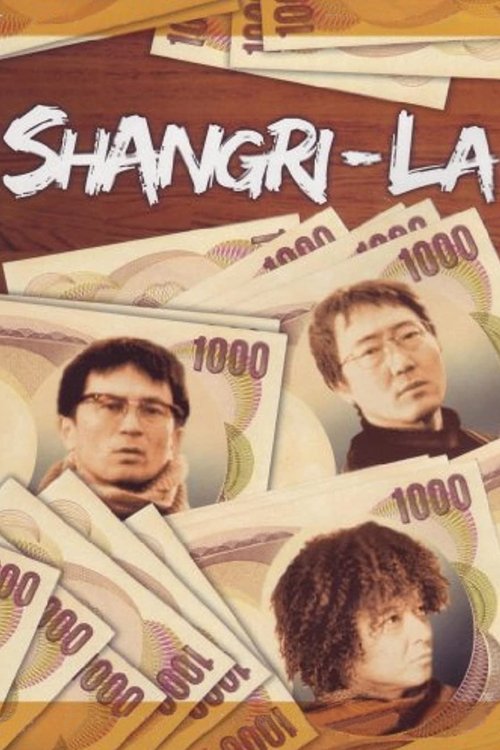
Shangri-La follows the lives of a group of homeless people in Japan who run into a man who nearly commits suicide and decide to help him out of his financial troubles. Using their various ingenious resources they embark on a complex scheme to blackmail a crooked businessman, whose bankruptcy claim has put people out of work. It’s a fun romp as these seemingly homeless people manage to outsmart the very people who cast them from society.
A young boy named Jiro finds his mother and sister murdered in his home. Falsely accused of the crime, he flees from his village and meets a priest named Tenkai, who has him kill a rogue ninja named Tarouza. After fulfilling that task, Jiro undergoes training to become a master assassin. Many years later, Jiro finds out that he was an orphan and his real father was Tarouza, who had worked for Tenkai until he aborted his mission when he fell in love with an Ainu woman. The young ninja discovers that the Shogunate was to retrieve the lost treasure of Captain Kidd and use it to once again isolate Japan from the rest of the world. Using the clues that Tarouza had kept secret, Jiro - along with the female ninja Oyuki and a slave named Sam - travels to Russia and America to search for the treasure in hopes of using it to extract revenge from Tenkai.
Ryoji, a wanderer, arrives in a remote mountain town, carrying a shotgun and claiming to be a hunter. He quickly becomes embroiled in a web of trouble surrounding the town's mill.
Ogami Itto battles a group of female ninja in the employ of the Yagyu clan and must eliminate a traitor who plans to sell his clan's secrets to the Shogunate.
Gengobe Satsuma, an exiled samurai cast out as an Asano clan retainer, is given a second chance to join his brothers in arms to become the 48th Ronin against the Shogunate. His faithful servant gathers the 100 ryo required for his acceptance. Gengobe is also in love with a greedy geisha named Koman. About to be sold to another man, Gengobe learns that in order to keep her, her debt is exactly 100 ryo.