Paul Seban
Directing
Biography
Paul Seban was a French film director and journalist, recognized for his contributions to French cinema and television. After spending his childhood in Algeria, Seban moved to Paris at the age of 19. He graduated from the Institut des hautes études cinématographiques (IDHEC) in 1952 and began his career as an assistant director, working with filmmakers like Jean Renoir and Orson Welles. Seban directed several political documentaries focusing on anti-colonialism and communism. He collaborated with Marguerite Duras on the film adaptation of her play La Musica (1967). Seban's work is noted for its political engagement and exploration of social issues.
Known For
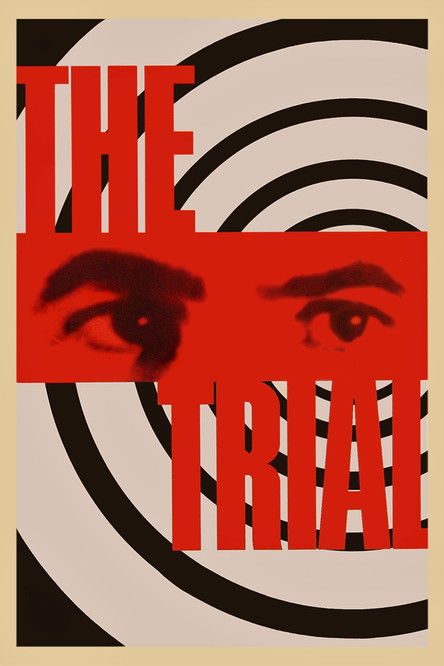
Arrested for an unnamed crime, Josef K. is trapped in a surreal bureaucratic maze where justice is unknowable and guilt is assumed.
The Trial
A French-language anthology of seven famous, fantastic, and psychological stories by beloved American author Henry James.
Henry James Stories
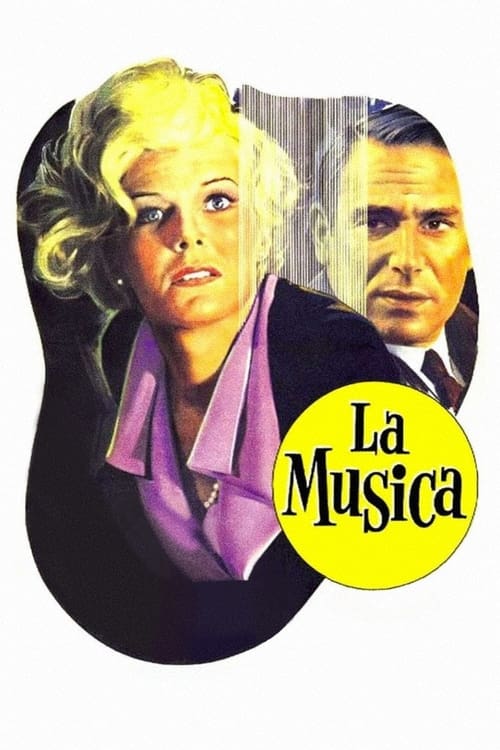
A husband and wife meet three years after their formal separation, when they return to the provincial town where they once lived to pick up their divorce decree.
La Musica
No description available.
La Limousine
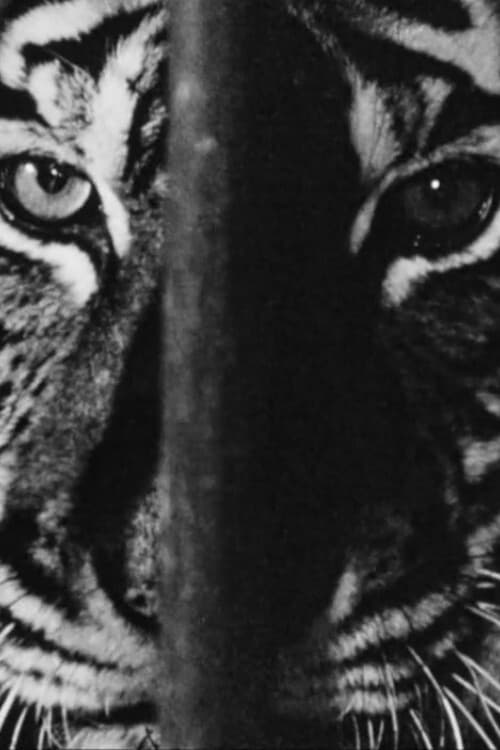
Duras, ever the challenging interviewer, forensically questions a Parisian zookeeper regarding the happiness of the animals in his charge. Intercut with her questions is stark black-and-white footage of the animals themselves behind bars, as they pace the length of their small concrete enclosures. Duras is very much on the side of the big cats. “Are you ever careless?” she asks the zookeeper. When he replies in the negative, Duras says smilingly: “In your position I’d be tempted to be careless”.
Marguerite Duras in the Lions' Den
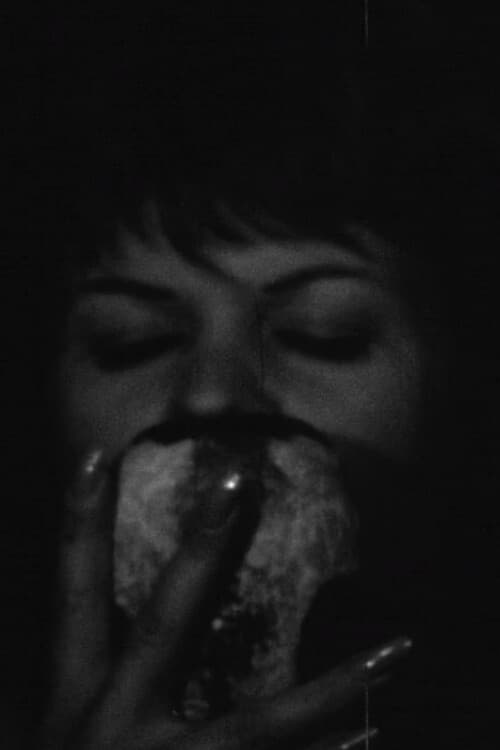
In this episode of Dim Dam Dom, Duras interviews the stripper Lolo Pigalle. A clip of Lolo dancing in a golden dress is followed by an intense and intimate conversation in which Lolo discusses the definition of work, the splitting of the self, and acting vs. sex work.
Marguerite Duras and Stripper Lolo Pigalle
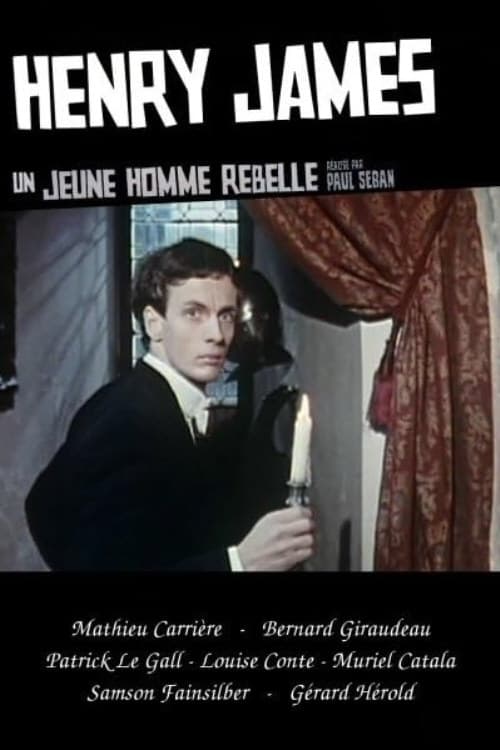
Scandal, anger, violence: around 1880, Victorian era, the young Owen Wingrave, heir to a long line of soldiers, has just announced to his master that he had decided to renounce the profession of arms of his ancestors, and by therefore to immediately leave the school which prepared him for it... Owen Wingrave is a boy of great beauty and hides, beneath a delicate appearance, an astonishing inner strength. Why did he decide to abandon the military career for which everything, since childhood, had destined him?
Owen Wingrave

A TV film based on Louis Aragon’s novel Les cloches de Bâle.
Catherine
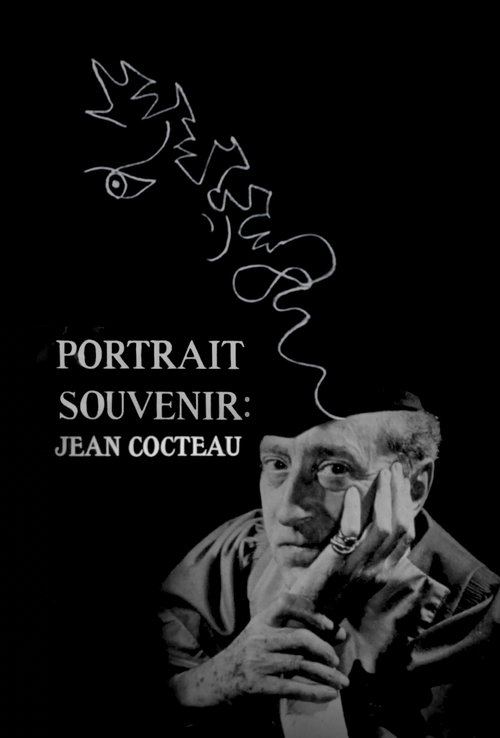
Cocteau, at his home, remembers his childhood, talks at length about theater, cinema, literature, and draws portraits of friends.
Portrait Souvenir: Jean Cocteau
A militant film.