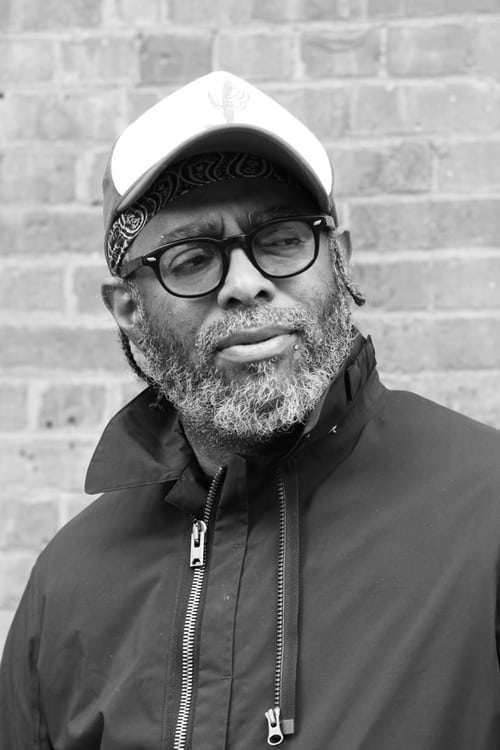
Arthur Jafa
Camera
Biography
Arthur Jafa (/ˈdʒeɪfə/; born Arthur Jafa Fielder, November 30, 1960) is an American video artist and cinematographer. Description above from the Wikipedia article Arthur Jafa, licensed under CC-BY-SA, full list of contributors on Wikipedia.
Known For
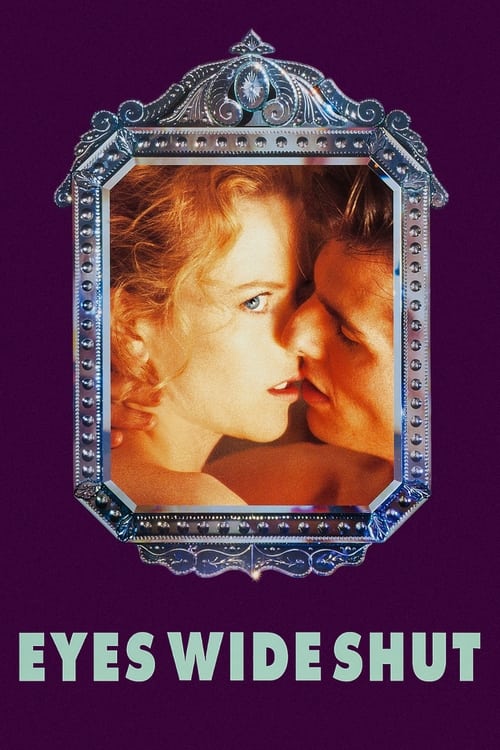
After Dr. Bill Harford's wife, Alice, admits to having sexual fantasies about a man she met, Bill becomes obsessed with having a sexual encounter. He discovers an underground sexual group and attends one of their meetings -- and quickly discovers that he is in over his head.
Eyes Wide Shut
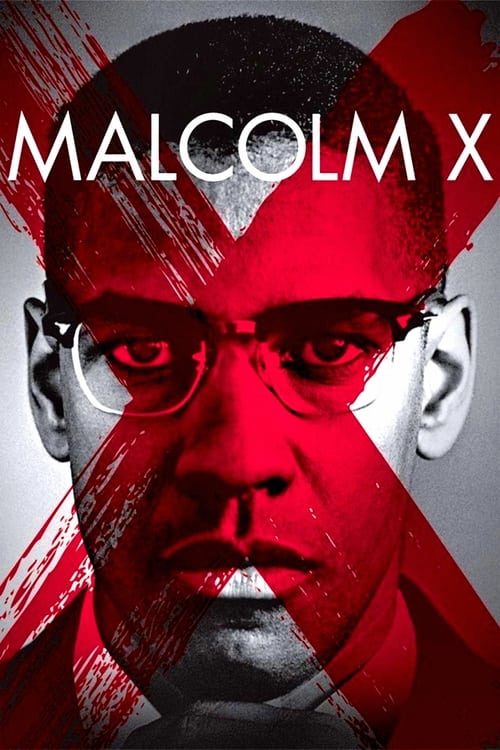
A tribute to the controversial black activist and leader of the struggle for black liberation. He hit bottom during his imprisonment in the '50s, he became a Black Muslim and then a leader in the Nation of Islam. His assassination in 1965 left a legacy of self-determination and racial pride.
Malcolm X
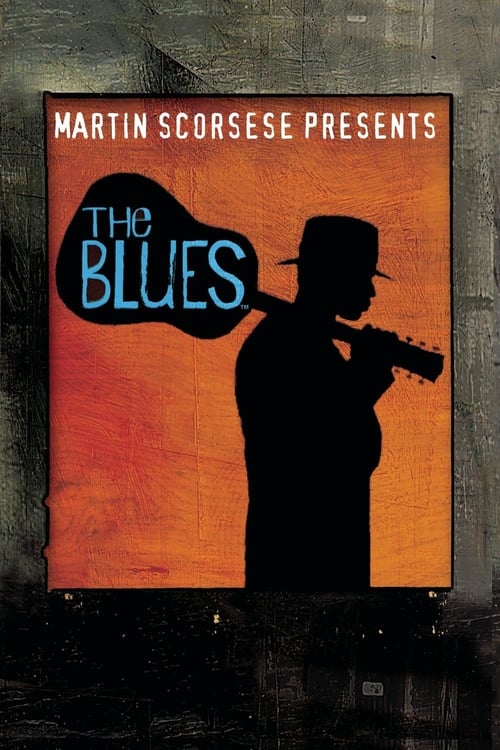
The Blues (2003) is a seven-part documentary series produced by Martin Scorsese that explores the history and influence of blues music. Each episode, directed by a different filmmaker, traces a unique aspect of the genre’s evolution—from its African roots to its global impact. Originally airing on PBS, the series includes Scorsese’s Feel Like Going Home, Wim Wenders’ The Soul of a Man, Richard Pearce’s The Road to Memphis, Charles Burnett’s Warming by the Devil’s Fire, Marc Levin’s Godfathers and Sons, Mike Figgis’ Red, White and Blues, and Clint Eastwood’s Piano Blues.
The Blues
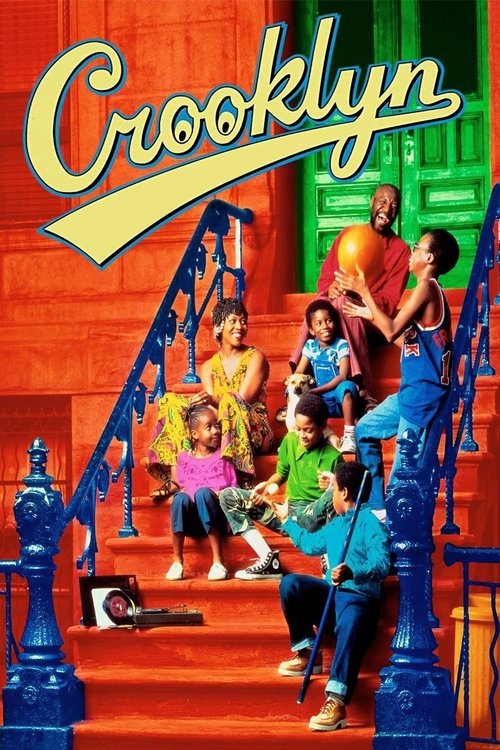
From Spike Lee comes this vibrant semi-autobiographical portrait of a school-teacher, her stubborn jazz-musician husband and their five kids living in '70s Brooklyn.
Crooklyn
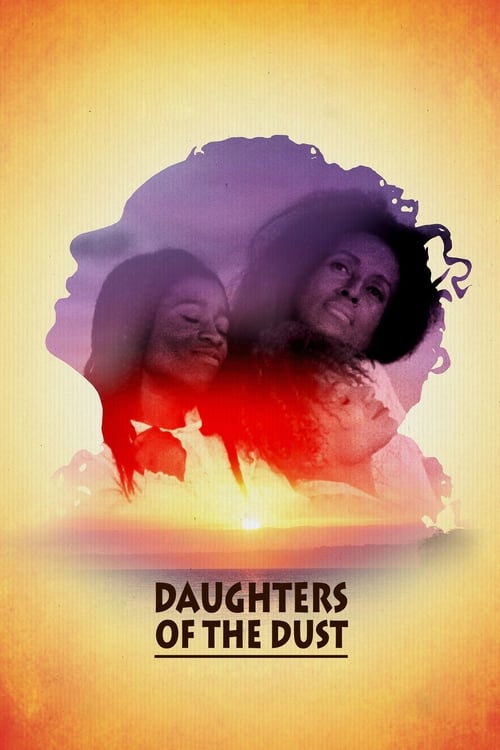
In 1902, an African-American family living on a sea island off the coast of South Carolina prepares to move to the North.
Daughters of the Dust
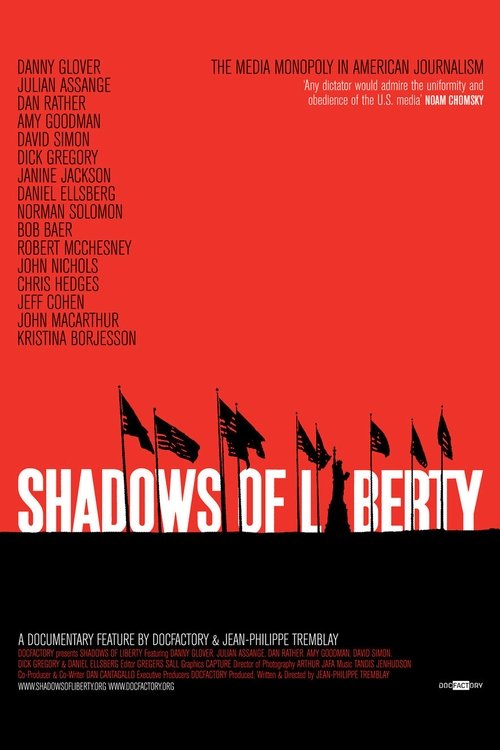
Shadows of Liberty presents the phenomenal true story of today's disintegrating freedoms within the U.S. media, and government, that they don't want you to see. The film takes an intrepid journey through the darker corridors of the American media landscape, where global media conglomerates exercise extraordinary political, social, and economic power. The overwhelming collective power of these firms raises troubling questions about democracy. Highly revealing interviews, actuality, and archive material, tell insider accounts of a broken media system, where journalists are prevented from pursuing controversial news stories, people are censored for speaking out against abuses of government power, and individual lives are shattered as the arena for public expression has been turned into a private profit zone
Shadows of Liberty
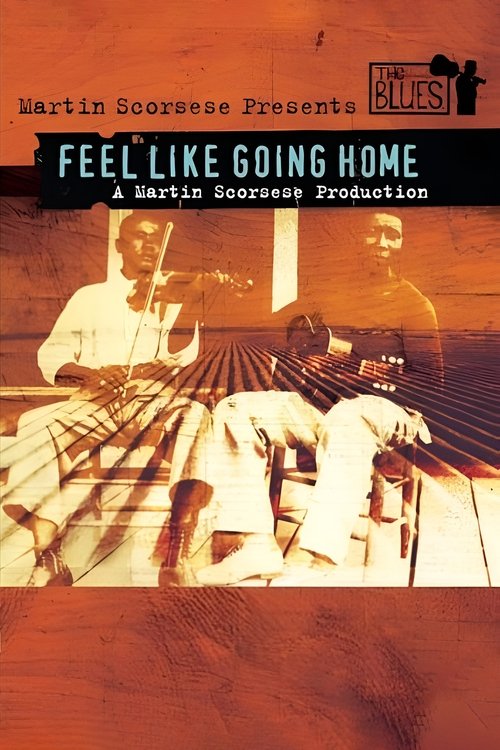
Martin Scorsese traces the roots of the blues from the Mississippi Delta back to West Africa, journeying from the juke joints of Mississippi to the banks of the Niger River in Mali. Featuring performances by Corey Harris, Taj Mahal, Keb’ Mo’, and Ali Farka Touré, along with rare archival footage of blues legends like Son House and Muddy Waters, the film offers a lyrical portrait of the music’s deep African origins.
Feel Like Going Home
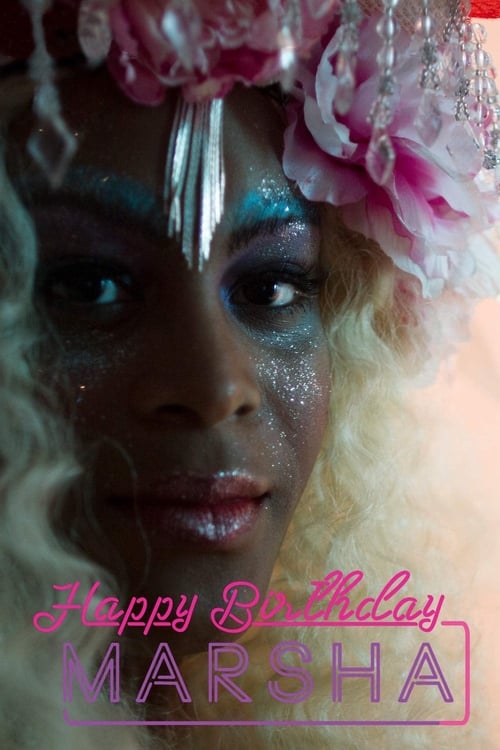
It's a hot summer day in June, 1969. Marsha throws herself a birthday party and dreams of performing at a club in town, but no one shows up. Sylvia, Marsha’s best friend, distraught from an unsuccessful introduction between her lover and her family, gets so stoned she forgets about the party. Marsha, Sylvia, and friends eventually meet at the Stonewall Inn to celebrate Marsha's birth. When the police arrive to raid the bar, Marsha and Sylvia are among the first to fight back.
Happy Birthday, Marsha!
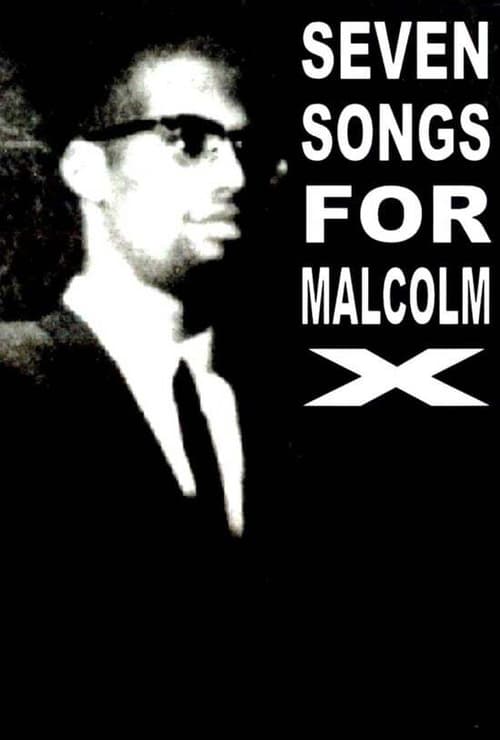
The Black Audio Film Collective’s seventh film envisioned the death and life of the African American revolutionary as a seven part study in iconography as narrated by novelist Toni Cade Bambara and actor Giancarlo Espesito. The stylized tableaux vivants that memorialise Malcolm’s life referenced the early 20th century funeral photography of James Van der Zee’s The Harlem Book of the Dead and the elemental static cinematography of Sergei Paradjanov’s The Colour of Pomegranates.
Seven Songs for Malcolm X
“Draw or Die” is the divine imperative received by the painter, Hannah, who is being nurtured by her Grandmother, but controlled by her pragmatic mother. When her Granny spirit shouts this command to Hannah, she closes a celebration of personal visions in a dance piece that is close to visionary in itself.
Praise House
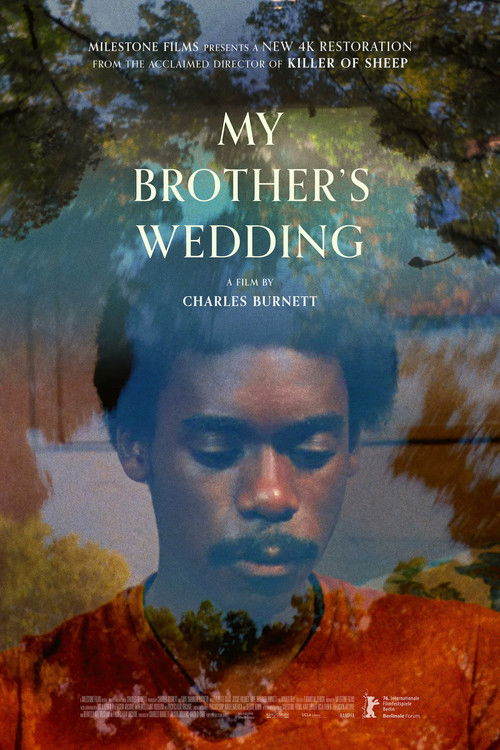
A young African-American man, living in Los Angeles without direction in his life, reluctantly agrees to be the best man for his brother, an upwardly mobile lawyer.
My Brother's Wedding
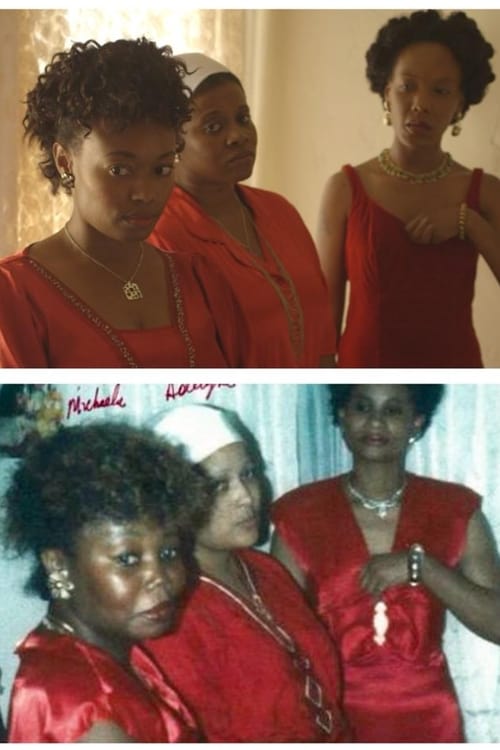
Numa Perrier reimagines the story and moments in a distinct photograph of her mother. What results is a complex merging of memory, absence, and imagery set against the backdrop of Port Au Prince, Haiti.
Florida Water
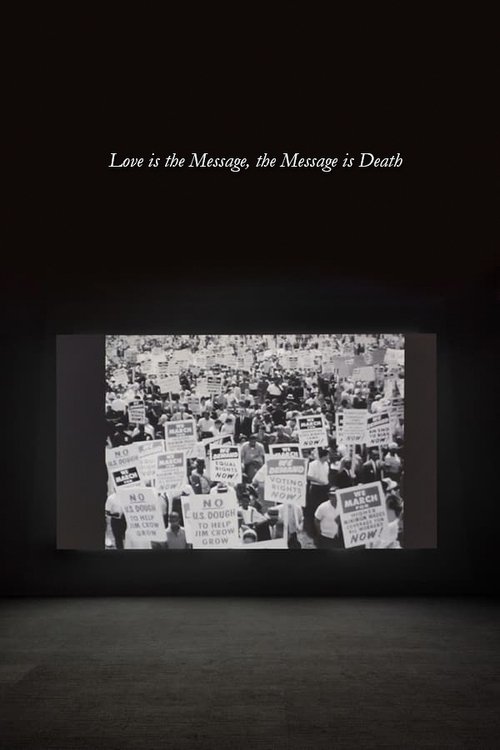
A reflection on Jafa's desire to craft a "black cinema" that is responsive to the "existential, political, and spiritual dimensions" of Black life. Comprised of found footage sampled from films, newscasts, sporting events, music videos, and citizen videos, all of it downloaded from the Internet, the clips have been woven together and set to Kanye West's anthem "Ultralight Beam." Together the images and music make for an intense, poignant meditation on African American life in the twentieth-century. This history is also the history, by necessity, of racism and prejudice.
Love Is the Message, the Message Is Death
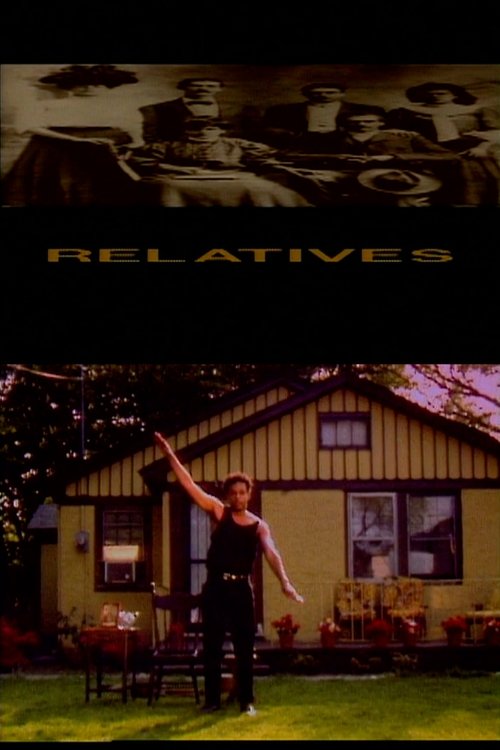
Ishmael Huston-Jones physically carries his mother, Pauline Jones, into the improvisational dance space. While she dyes eggs and speaks about family history, he improvises a rhythmic dance-counterpoint to her speech.
Relatives
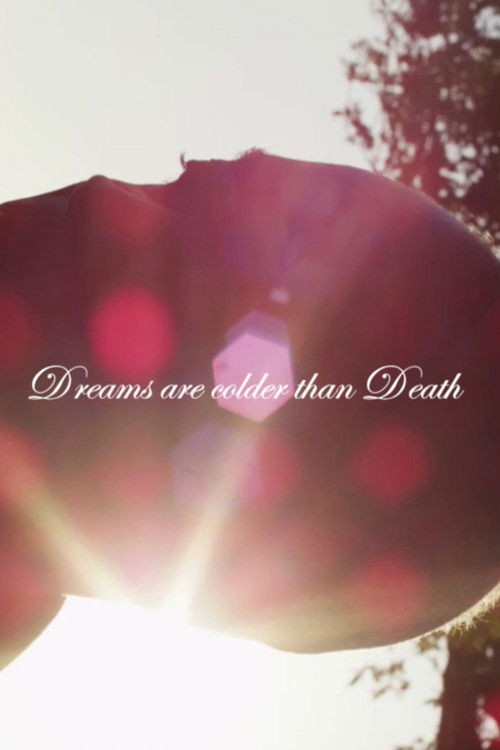
What does it mean to be Black in America in the 21st century? The recently formed Black American film group TNEG™ has set out to elucidate this very question. Hearing from the likes of fine artist Kara Walker and musical artist Flying Lotus, the film is based on a deceptively simple approach -- asking a refined list of black 'specialists' as well as 'uncommon folks' questions about what they think, and more importantly as lead director Arthur Jafa states, 'What they KNOW' -- the film is an unprecedented 'stream of the black consciousness' and a strikingly original and rarefied look at black intellectual and emotional life. What's so unorthodox about this simple approach is that the interviews were recorded separately from the images in the film. What results is a breathtaking, kaleidoscopic look of American black life from the dawn of three original filmmakers.
Dreams Are Colder Than Death
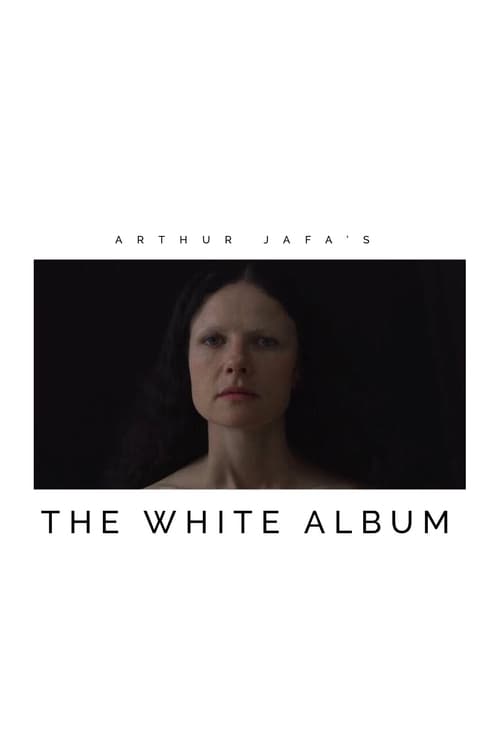
If Love Is The Message trained Jafa’s scrutiny on black experience, The White Album shifts his lens to white experience, acknowledging that neither can be understood in isolation from the another. Again, he combines imagery from a wide array of sources, from music videos to confessionals posted to YouTube, to produce a trenchant examination of race relations in the United States.
The White Album
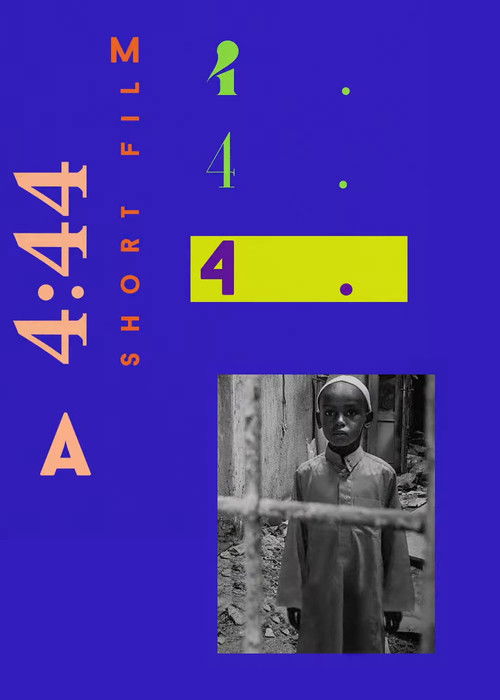
Centers on two performances; in the first, dancers Storyboard P and Okwui Okpokwasili twist and twine their bodies in a moving two-part dance of desire, pain, and regret. In the second, present-day hip-hop royalty Beyoncé and Jay-Z serenade each other as part of a live performance. The work accompanies Jay-Z's track of the same name, widely viewed as an apology to his wife, Beyoncé for his infidelity and emotional failures as a husband. A collaboration between Arthur Jafa, Malik Sayeed, and Baltimore-based Elissa Blount Moorhead, the video uses cinematography, choreography, and found footage to explore complex and constricted notions of masculinity in an insightful and moving tapestry of Black love and life.
4:44
An homage to Jafa's friend and collaborator Greg Tate upon his death.
LOML
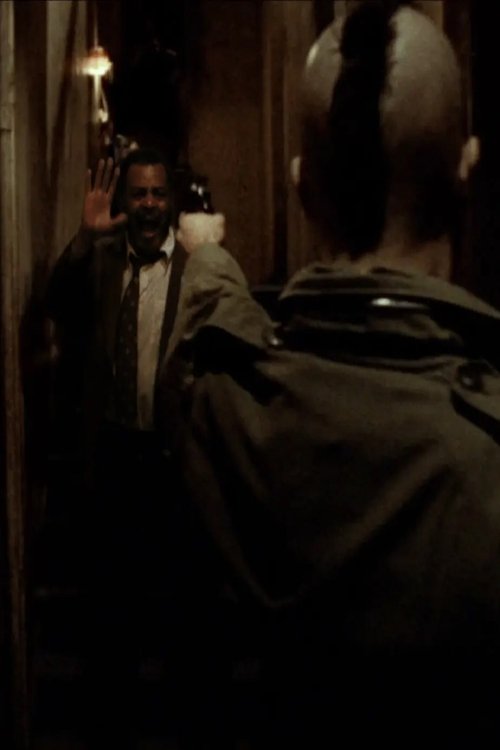
In the 73-minute-long film, titled “*****” — or as the artist pronounces it, “Redacted” — we see this recut version of the bloody climax [of Taxi Driver] over and over, each time slightly but crucially different.
Redacted

A striking music-driven 8-minute video work proposes a vibrant scenario in which the histories drawn from the African American narrative of Blackness bear universal significance.