Dino Raymond Hansen
Directing
Known For
The Wake is the title of a large-scale multimedia project, the main element of which is an eight-hour long silent movie. The film is based on Finnegans Wake by James Joyce (London 1939), a limit-transgressing, perhaps even limit-dissolving book that not only transgresses the limits of what literature is and is capable of, but inscribes transgressions on almost all conceivable levels. It is at the same time dream book, history book and necrology. It is almost impossible to determine whether we are dealing with a long poem, a prose narrative or a piece of drama.
The Wake

Extraterrestrial beings travel the galaxy to free men "oppressed" by females to make way for an entirely-homosexual society.
Gayniggers from Outer Space

Documentary about the construction of Thy Lejren in 1970 - an alternative summer camp. Features concerts by bands such as Gasolin' and Gnags.
Skæve dage i Thy
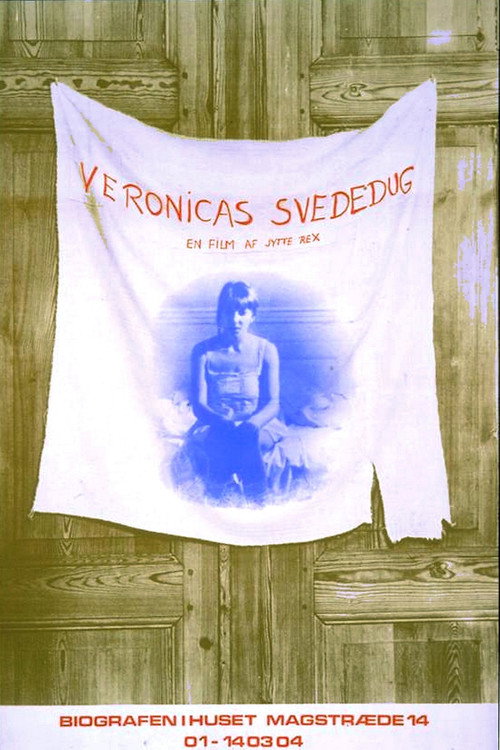
Jytte Rex charts the white or wilfully deleted spots on the map of primarily women's happiness and grief. This is done by the experimental filmmaker's positioning of a dream narrator as a guide through the manyleveled visions, stories and pictures that unite work, love, and revolt in any individual's life. The title refers to the cloth or veil on which crucified Christ's tormented face left an imprint for posterity.
Veronica's Veil
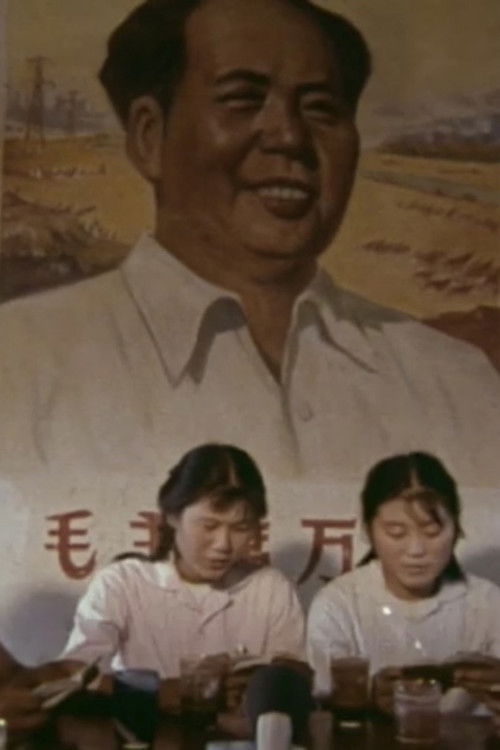
Red Guards were a student movement supported by Mao Zedong in 1966-67 during the Cultural Revolution. A group of students at Qinghua University who issued 2 big-character posters in May-June 1966 called themselves Red Guards. The students criticised the university administration of elitism and bourgeois tendencies. In August 1966 Mao Zedong expressed support for the Red Guards. This gave the student movement political legitimacy and it spread outside Beijing. The Red Guards started to attack the Four Olds and marched across China to eradicate old ideas, old cultures, old customs and old habits. Ultimately the struggle between different Red Guard factions led to a chaotic civil-war-like situation. During 1967-68 the Peoples Liberation Army got the movement under control and restored social order. Beginning late 1968 members of the Red Guard movement were sent to the countryside to undergo re-education. We met and filmed them in August 1971.
Red Guards after The Cultural Revolution
Writer and cineast Jørgen Leth is the fascinated observer of a country where reality often seems surreal and resembles fiction. Haïti’s history is written in blood. Voodoo plays an important role in politics. Death and horror are part of Haïti’s everyday life. Over five years Leth and his small crew witnessed dramatic events, but he also captured moments of sensuality and beauty in his epic and very personal documentary.
Haiti. Untitled
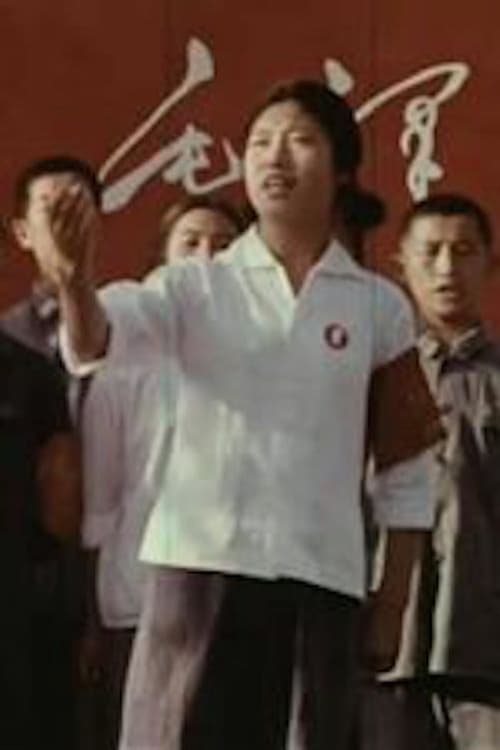
Mao Zedong was not only a revolutionary leader and thinker, he was also a poet. In poems written in the classic calligraphic tradition he expresses his experiences and visions. In this film, 8 of Mao's poems are sung, recited and interpreted: 'Changsha' (1925), 'Jinggang Mountains' (1928), 'The Long March' (1935), 'Snow' (1936), 'The People's Liberation Army Captures Nanjing' (1949), 'Swimming' (1956), 'Reply to Comrade Guo Moruo' (1961) and 'Reascending Jinggang Mountains' (1965). Through these poems we get a picture of the Chinese revolution from its first beginning in 1921 until the Cultural Revolution. The poems of Mao Zedong have been published in more than 57 million copies