Directing
This year the Musica Viva Festival will feature content from the NFSA's Film Australia Collection to be screened in the Bang & Olufsen Salon throughout the festival in Sydney. This film Music Camp is one of those films. Directed by R. Maslyn Williams for the National Film Board in 1949. Each year the Melbourne Junior Symphony Concert Orchestra holds a summer camp organised by the National Fitness Council at Point Lonsdale Victoria, for three weeks it provides an opportunity for music students to continue their education over the holiday season.
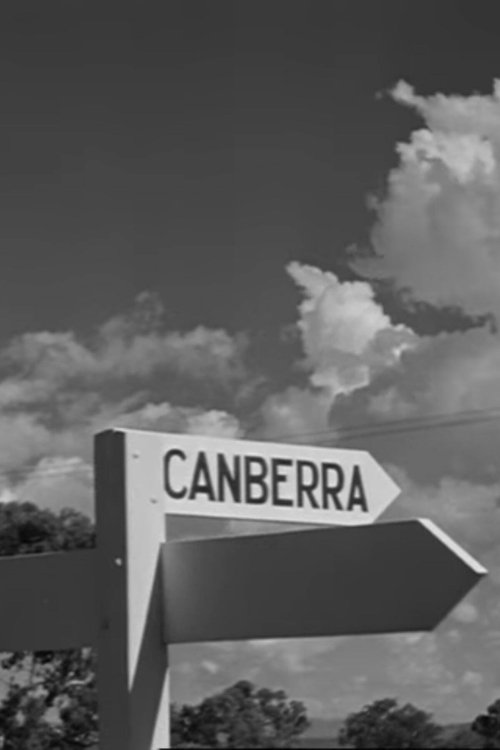
Produced by The National Film Board 1945. Directed by Maslyn Williams. When this film was made, Canberra was one of the world's youngest planned cities. This film briefly outlines how the Australian colonies became one nation in 1901 and how the need was felt for a city to be the symbol of national unity. Canberra, a tiny hamlet in the rolling countryside of New South Wales, was chosen as the site. It turned into a thriving city of Federal Government, growing according to plan yet retaining all of its rural charm. This film features some of Canberra's most dignified buildings - Parliament House, the National War Memorial, the Institute of Anatomy - as well as broad tree-lined roads and lawn-fronted homes. It also looks at the people who have come to live in the nation's captial.
Much of the romance associated with the development of the gold industry is to be found at Kalgoorlie on the golden mile, that rich strip of Western Australian territory. This film illustrates life in the town and the work of the miners: the school of mining, the vast store of mining tradition, the old-time prospectors who still search the surrounding countryside for new and fabulous strikes. It takes the viewer underground, deep into the galleries where the gold holding rock is blasted out, and shows the intricate business of separating the valuable metal from the rock that is undertaken on the surface.
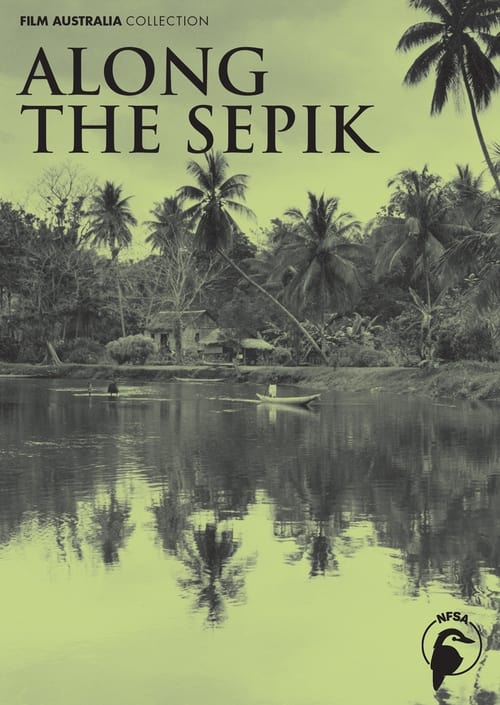
Set on the Upper Sepik River in New Guinea, this film records the day-to-day experiences of Kiap (one-man representative of the Australian government in regional areas) Barry Downes as he patrols an area that in 1963 had only recently been brought under control from headhunters. As well as being a record of the role of the colonial administration, Along the Sepik offers insights into some tribal communities' cultures through depictions of their spirit houses and traditional 'sing sing' ceremonies. Downes investigates a murder, and the culprit is caught and tried by a magistrate in a jungle courthouse under the Australian flag, on the edge of the Sepik River. Australian patrol officers and their men operated under rugged conditions to bring western law and order to this remote area. The film also portrays some of the impact the colonial government had on regional, traditional communities.
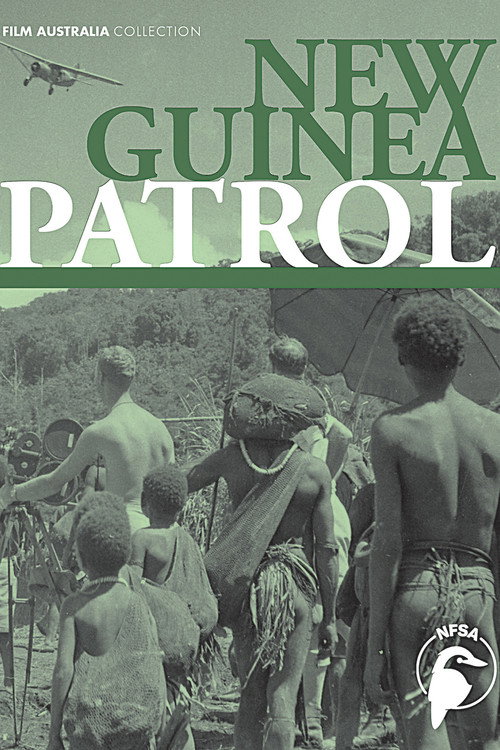
New Guinea Patrol is a 1958 Australian documentary film produced by R. Maslyn Williams.
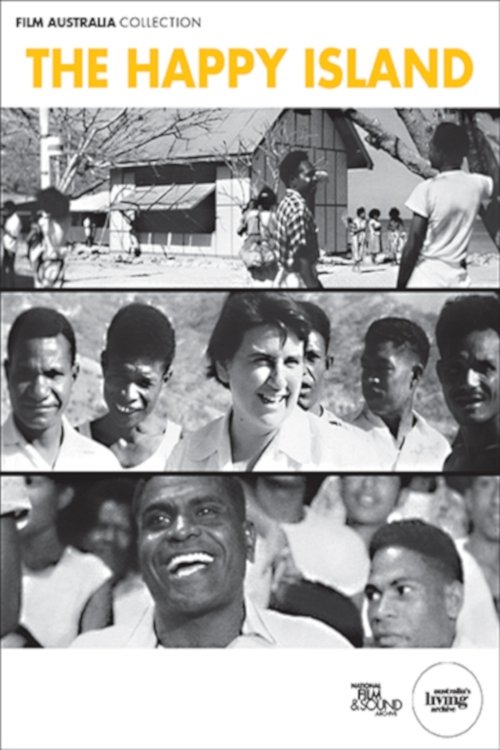
The Happy Island looks at the work of the London Missionary Society on Gemo (now Hanudamua) Island in Port Moresby harbour, Papua New Guinea, which from 1937-1974 treated people who suffered from infectious diseases, mainly leprosy and tuberculosis. The film offers insight into the attitudes and practices of Christian missionaries of that time. Despite the colonial paternalism that underpins the Missionary Society’s model of care, the film tells the story of a happy, active community, as it follows the lives of the patients, their families and the dedicated staff, all of whom live, work and socialise on the island together.
A Ukrainian couple become refugees during and after World War Two, and they end up as Displaced Persons (DPs) in a camp in Germany, before they are eventually accepted for resettlement in Australia.
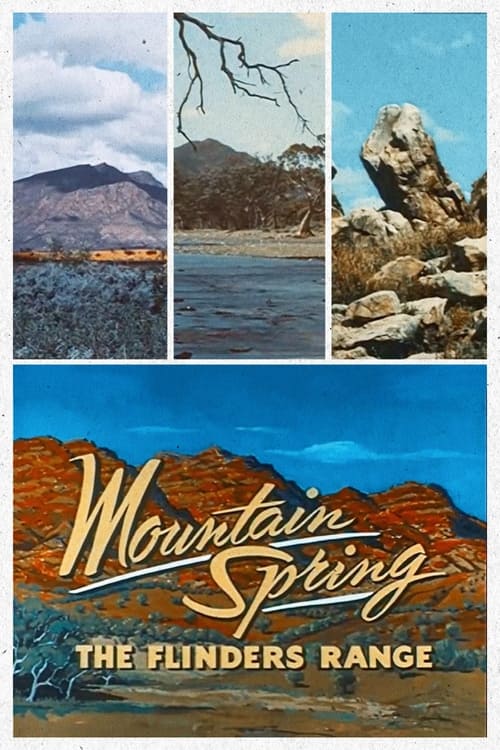
Progress in South Australia manifests itself around the Flinders Range country in the industries of Whyalla, Port Pirie, Port Augusta, Leigh Creek and Aroona Dam. Wildflowers cover the countryside.
Pemberton Forest, a karri forest in the southwest region of Western Australia, is the site of a youth camp for school children. In this film, forest officers explain various aspects of forestry and associated industries to the children.