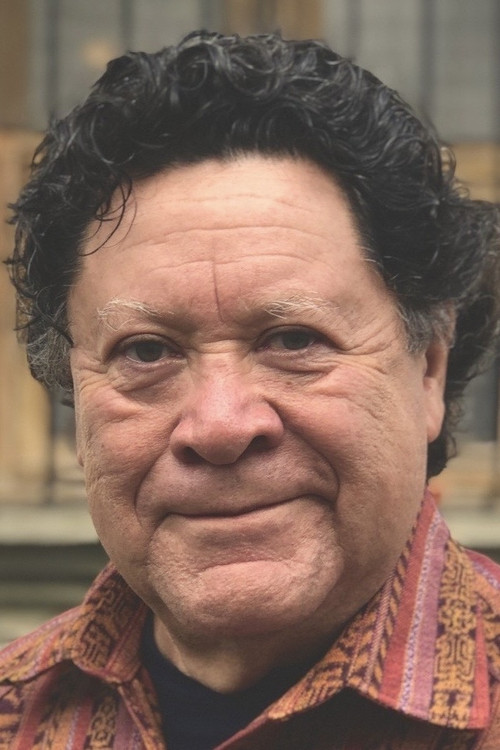
Luis Argueta
Directing
Known For
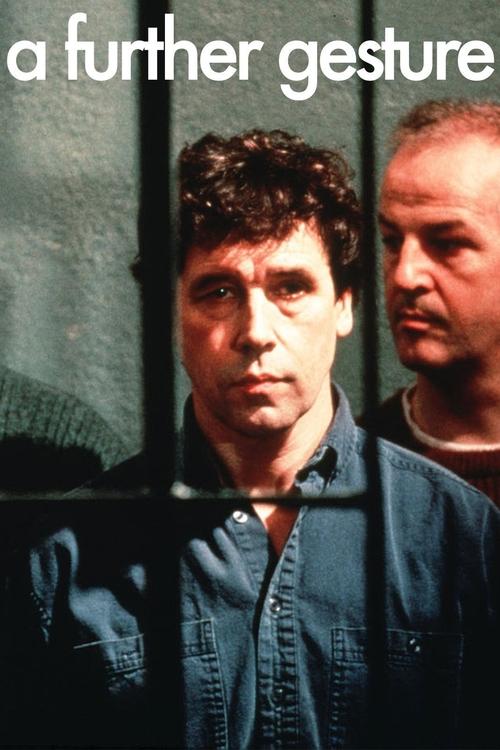
Dowd, an IRA prisoner in the H-blocks, is gloomily facing his sentence, until he joins a comrade in a risky escape. Dowd begins a new life in New York, but he might as well be in prison again - until he strikes up a friendship with co-worker Tulio and gets to know his close group of Guatemalan exiles.
A Further Gesture
Arrabal's sixth film based on his novel from 1969 with the same name as the movie.
Farewell, Babylon!
The story of the persecution of homosexuals and intellectuals in Cuba under Fidel Castro's dictatorship, from the beginning of the Cuban Revolution (1953-59) until the early 1980s. Interviews with relevant personalities of Cuban culture who suffered persecution demonstrate that concentration camps for gays existed in Cuba.
Improper Conduct
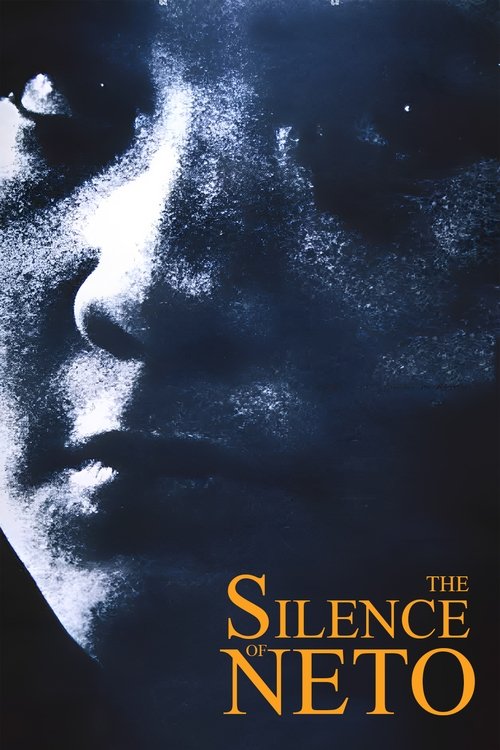
A boy struggles against his stifling family life during the 1954 Guatemala coup.
The Silence of Neto
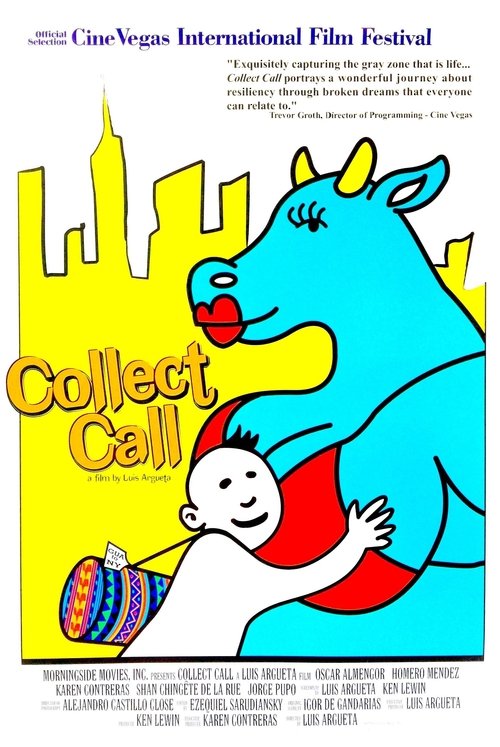
No description available.
Collect Call
No description available.
Los orígenes del silencio
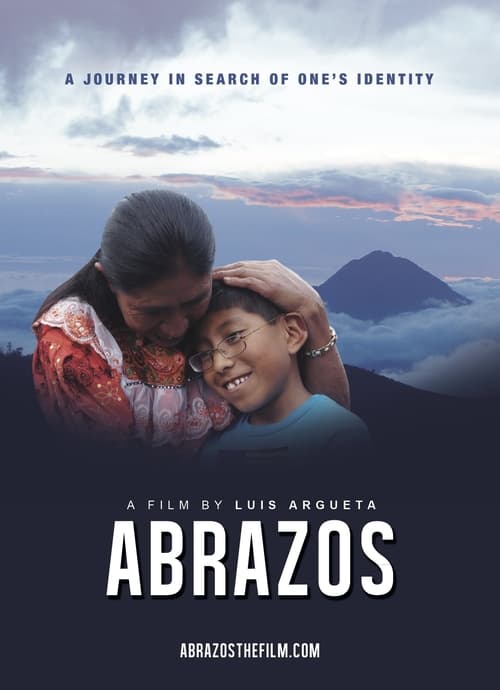
No description available.
Abrazos
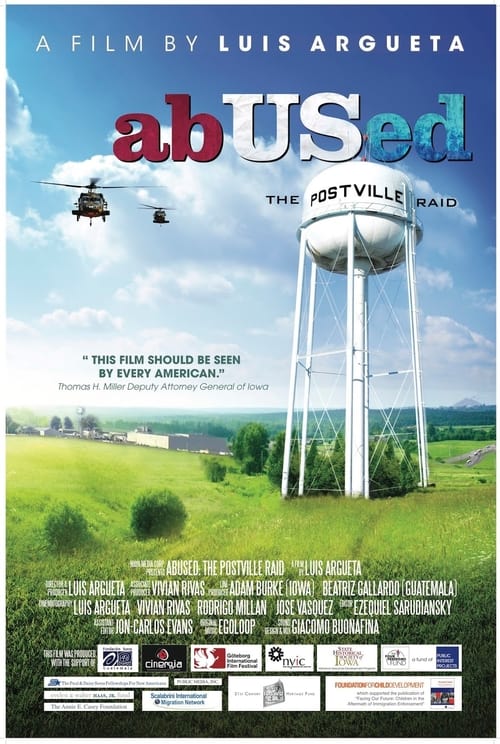
It is at once an epic story of survival, hope, and humble aspirations, of triumph, defeat, and rebirth. The face of immigration is revealed through the gripping personal stories of the individuals, the families, and the town that survived the most brutal, most expensive, and the largest immigration raid in the history of the United States.
AbUSed: The Postville Raid
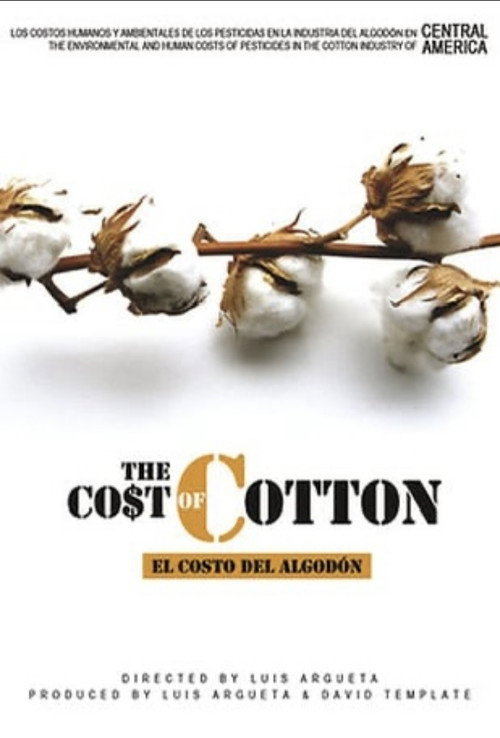
Guatemala has become one of the largest cotton producers in the world, but pesticides such as DDT, used to increase production, has brought serious health problems for those who work on its crop, as it is shown in this film.
The Cost of Cotton
An experimental film, black and white 16 mm film, made specifically to be submitted to the Ann Arbor Film Festival depicting a life drawing class where the model is dressed and the students are naked. This is Luis Argueta’s first black and white16 mm film. It includes an elaborate sound design by Joe Pearson. Argueta says that “the film was admitted to the Ann Arbor Film Festival, it was selected for the tour of campuses the festival puts together every year where each film received $1 per minute every time it was projected. My film was 7 min long and it must have been shown at least 43 times because I made back my $300 investment. It was the only time I ever made back the money I put into making a film. But it was the first time I felt I could express myself and invent something new and unique.” The title is a fake apology.
Perdón Del Gato Rabón (I'm Sorry!...But Not Really)

Guatemala 1976: A metaphor of natural devastation and political violence. Amidst the earthquake-shattered walls of Luis Argueta's childhood home, a young girl drinks the blood of a turkey as the sound of a manual typewriter is drowned by machine gun fire.
Navidad Guatemalteca
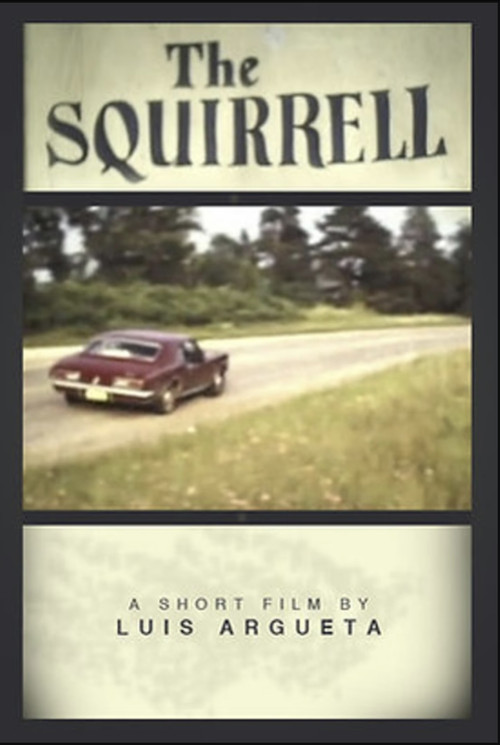
Filmed in 1973 with camera Cannon 814 de Super 8 film, “The Squirrell”, is Luis Argueta’s very first film. Argueta, who at the time was studying engineering at the University of Michigan, began a trip up north to the Lelaneau peninsula with the intent of filming a documentary about migrant workers picking cherries. During this journey, Argueta documented a series of invented events and made an improvised road movie. The documentary about the cherry picking Michigan migrant workers was never produced.
The Squirrell
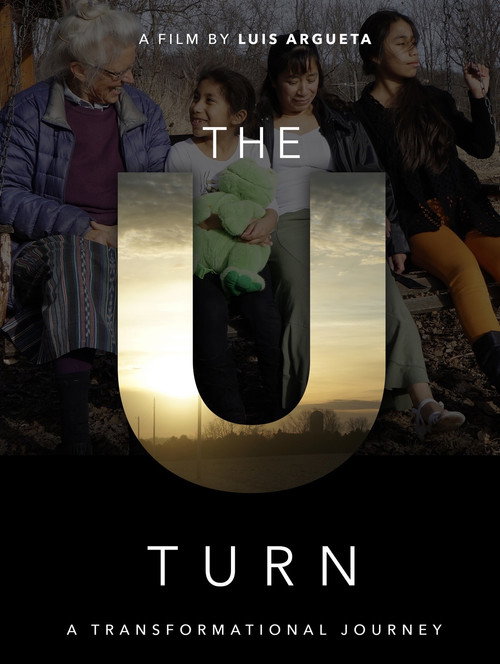
The U-Turn narrates the transformational journey of the immigrant workers who broke the silence about the abuses they endured at the Agriprocessors meat parking plant in Postville, Iowa and the community that would not abandon them. The film showcases U-Visa an immigration relief – part of the Violence Against Women Act- in much need of dissemination and understanding by immigrant workers, immigration rights-advocates and law-enforcement.